
Full Day Hike: How to Plan It Right
A full day hike takes you deeper into nature than a quick trail walk and the difference between a great experience and a dangerous one often comes down to preparation. Most full day hikes last between 6 and 8 hours on the trail, covering terrain that demands real planning, the right gear, and smart decision-making. Whether you’re tackling your first long trail or looking to sharpen your approach, this guide walks you through everything you need to plan a safe and rewarding full day hike from start to finish.

Choose Your Trail Wisely for a Full Day Hike
Picking the right trail is the single most important decision you’ll make. A trail that’s too easy leaves you bored; one that’s too difficult puts you in real danger. The goal is to match the hike to your current fitness level, experience, and the daylight hours available to you.
Research Trail Details Before You Go
Start by looking up the trail’s total distance, elevation gain, and estimated completion time on a reliable app like AllTrails or your local parks authority website. Pay close attention to recent trail reports conditions change quickly with weather, and a trail that was perfectly clear last week may have downed trees or washed-out sections today. Also check for permit requirements, trailhead parking fees, and whether there are reliable water sources along the route. Identifying potential bailout points on the map before you go gives you mental confidence and physical options if something goes wrong.
Calculate Your Hiking Time Realistically
A common planning estimate is 2 miles per hour on moderate terrain. For every 1,000 feet of elevation gain, add an extra hour to your total. Then add time for breaks, lunch, and photography these add up faster than most people expect. If your math puts you finishing after sunset, consider a shorter trail or an earlier start time. Always give yourself a generous buffer rather than cutting it close on a full day hike.
Check Weather and Seasonal Conditions
Weather has derailed more full day hikes than poor fitness ever has. Check forecasts 2–3 days before your planned date, then again the morning you leave. Mountain weather in particular can differ dramatically from what valley-level apps show, so look for elevation-specific forecasts whenever possible.
What to Look For in the Forecast
Focus on the full temperature range across the day rather than just the high. A trail that starts at 55°F can feel very different by midday at 85°F or at summit elevation with wind chill. Note the chance and timing of precipitation carefully afternoon thunderstorms are a serious risk in many mountain regions during summer. Check wind speeds at your target elevation, and always confirm sunrise and sunset times to anchor your timeline.
Seasonal Considerations
Spring trails often hide mud, snow patches, and swollen creek crossings that aren’t obvious from the trailhead. Summer brings heat exposure and the real threat of afternoon lightning storms in alpine terrain. Fall offers some of the best hiking conditions but delivers shorter daylight windows that catch many hikers off guard. Winter full day hikes require specialized gear and significantly more experience they’re not a beginner’s terrain regardless of how mild the forecast looks.

Pack the Right Gear for Your Full Day Hike
Your pack needs to strike a precise balance: carry everything necessary for safety and comfort without overloading yourself for eight hours of movement. The classic framework used by experienced hikers worldwide is the Ten Essentials a system developed by The Mountaineers that covers every core category of trail safety.
The Ten Essentials for a Full Day Hike
Navigation tools a paper map and compass as backup to any GPS device top the list because technology fails. Sun protection including sunscreen, sunglasses, and a wide-brimmed hat comes next, followed by extra clothing layers for conditions that change above treeline. A headlamp with fresh batteries, a compact first aid kit with blister treatment, and a fire starter in a waterproof container round out the safety core. You’ll also want a basic repair kit with duct tape, extra food beyond your planned meals, at least one water purification method, and an emergency shelter like a lightweight bivy or space blanket.
For a deeper breakdown of what to pack, read our guide on essential hiking gear for beginners.
Clothing Choices That Keep You Comfortable
Always dress in moisture-wicking synthetic or merino wool layers rather than cotton. Cotton absorbs sweat and stays wet, which becomes a serious hypothermia risk when temperatures drop or wind picks up. Bring an insulating mid-layer even on warm days ridge lines and exposed summits are consistently colder than the trailhead. Pack a waterproof jacket regardless of the forecast. On a full day hike, you will encounter conditions you didn’t plan for. A packable rain shell adds almost no weight and can make all the difference.
Plan Your Food and Water Strategy
You’ll burn 400–700 calories per hour on a full day hike depending on terrain, weight, and pace. Most hikers underestimate this dramatically and hit the wall in the final hours. The solution isn’t one big meal it’s consistent fueling throughout the day.
Food Strategy That Actually Works on the Trail
Pack easy-to-eat snacks you can grab without stopping: trail mix, energy bars, dried fruit, jerky, and nut butter packets all work well. Plan a proper lunch with real protein and carbohydrates a wrap or sandwich with cheese, turkey, or hummus gives you sustained energy for the second half of the hike. Include salty snacks to replace electrolytes lost through sweat, and always carry more food than you think you’ll need. A hike that takes longer than planned is far more manageable when you’re not running low on fuel.
Hydration Planning for a Long Day on the Trail
The standard recommendation is 2–3 liters of water for a full day hike in moderate conditions. In hot weather or at high altitude, that rises to 3–4 liters. If your trail has reliable water sources marked on the map, a lightweight filter like a Sawyer Squeeze lets you start with less and refill along the way. The critical mistake most hikers make is waiting until they feel thirsty by that point, you’re already mildly dehydrated and your performance is declining. Drink small amounts regularly, especially in the first few hours before heat and exertion build up.
Set Your Timeline and Tell Someone Your Plans
One of the most underrated parts of planning a full day hike is building a realistic schedule and then making sure someone else knows it.
Build a Solid Hiking Itinerary
Write down your planned start time at the trailhead, your estimated arrival at key landmarks or turnaround points, and your expected return time with an extra margin built in. Most importantly, set an absolute turnaround time and commit to it before you leave regardless of how close you are to the summit or the endpoint. This single rule has saved countless hikers from the dangerous trap of pushing too far and being caught on the trail after dark.
Share Your Plans Before You Leave
Tell a trusted person a friend, family member, or neighbor exactly where you’re hiking, when you’re starting, and when they should expect you back. Give them the trailhead name or GPS coordinates and ask them to call search and rescue if they haven’t heard from you by a specific time. This step costs you nothing and could genuinely save your life if something goes wrong on a remote trail.

Know Your Limits and Identify Bailout Options
Turning around is not failure. It is the mark of an experienced hiker who understands that the mountain will always be there but that doesn’t mean every day is the right day to summit it. Before you start any full day hike, study your map for shorter loop options and emergency exit points. When conditions or your body signal that it’s time to turn back, having those options already identified makes the decision easier and faster.
Situations That Demand You Turn Around
You reach your predetermined turnaround time full stop, head back. Weather conditions deteriorate into lightning risk, heavy rain, or dangerous wind. You or a hiking partner shows signs of illness, injury, or significant fatigue. The trail is technically harder than you anticipated and progress has slowed. Or you’re simply moving slower than planned and completing the route before dark is no longer realistic. Any one of these is enough. Experienced hikers build a culture around honest self-assessment on the trail, and it keeps them safe to hike again.
Practice Trail Etiquette
On popular trails, you’ll encounter other hikers throughout your day. Following a few basic courtesies makes the experience better for everyone. Yield to uphill hikers when you’re descending on narrow paths the person going up has less momentum and the right of way. Step aside for faster hikers who signal they’d like to pass, and keep noise levels reasonable to preserve the natural experience for those around you. Pack out everything you brought in, including organic waste like fruit peels that take months to decompose. Stay on established trails to protect fragile vegetation and prevent erosion.
Learn more about responsible hiking in our article on Leave No Trace principles for hikers.
Prepare Your Body in the Weeks Before
A full day hike places real demands on your cardiovascular system, your legs, and your joints. The best preparation is simply to hike more progressively longer and more difficult trails in the weeks leading up to your target day. If possible, train on terrain similar to your planned route. Running stairs or hiking with a weighted pack also builds the specific strength you’ll rely on for 6–8 hours.
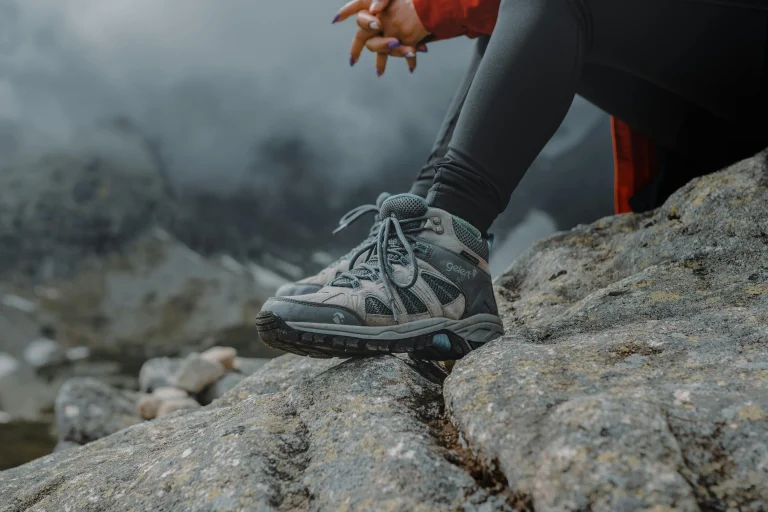
Break in your hiking boots well before the big day. Even quality boots need 10–20 miles of use before they fully conform to your foot, and blisters from stiff boots can shut down a hike faster than almost anything else. Get solid sleep the two nights before not just the night before since sleep debt accumulates and significantly impacts physical performance and decision-making on the trail. Check out our guide on hiking tips for beginners for more ways to build your trail fitness.
Day-Of Final Checks Before You Hit the Trail
Run through your gear checklist the morning of your full day hike, not the night before. Recheck the weather forecast one final time and adjust your clothing layers if conditions have shifted. Confirm your phone is fully charged and consider a small power bank for longer hikes. Fill all water containers completely. Apply sunscreen before you reach the trailhead most hikers wait until they’re already outside and losing coverage time. Use restroom facilities at the trailhead if they exist, since trail facilities are sparse on most routes.
Start early. A 6–7 AM start time gives you maximum daylight, cooler morning temperatures, less crowded trails, and a genuine buffer for any delays. The hikers who consistently have the best experiences are almost always the ones who leave before most people have had breakfast.
Conclusion
A well-planned full day hike is one of the most rewarding outdoor experiences available to anyone willing to prepare for it. The effort you invest before the trailhead choosing the right trail, packing smart, checking conditions, setting a realistic timeline, and knowing your limits directly determines how safe and enjoyable your day will be. Start with thorough preparation, respect what the trail asks of you, and you’ll come home having earned something that no shortcut can replicate: a real day in the wilderness, completed on your own terms. Every hike you plan carefully builds the skills and confidence that make the next one even better.
Frequently Asked Questions About Full Day Hike Planning
How much water should I bring on a full day hike?
Bring 2–3 liters as a baseline for moderate conditions. In hot weather or at high altitude, plan for 3–4 liters. If your trail has reliable water sources and you carry a filter or purification tablets, you can start with less and refill along the way just confirm those sources are active before you depend on them.
What’s the best time to start a full day hike?
Aim to begin between 6–8 AM. An early start gives you maximum daylight hours, cooler morning temperatures, less trail congestion, and a meaningful buffer for unexpected delays. In summer, starting early also helps you avoid afternoon thunderstorms common in mountain terrain.
How do I know if a trail is too difficult for me?
Compare the trail’s distance and elevation gain to hikes you’ve completed comfortably before. If the new trail demands more than 50% more distance or elevation than your longest previous hike, build up to it gradually. Read recent hiker reviews for honest accounts of difficulty, not just the official rating.
Should I hike alone or with a partner for a full day hike?
Hiking with a partner is safer, especially for your first full day hikes. If you prefer solo hiking, choose well-traveled trails, carry a personal locator beacon (PLB), and be thorough about sharing your plans with someone at home. Solo hiking is rewarding but demands higher self-reliance and stricter discipline around turnaround times.



No comments yet. Be the first to share your thoughts.