
Common Beginner Hiking Mistakes and How to Avoid Them
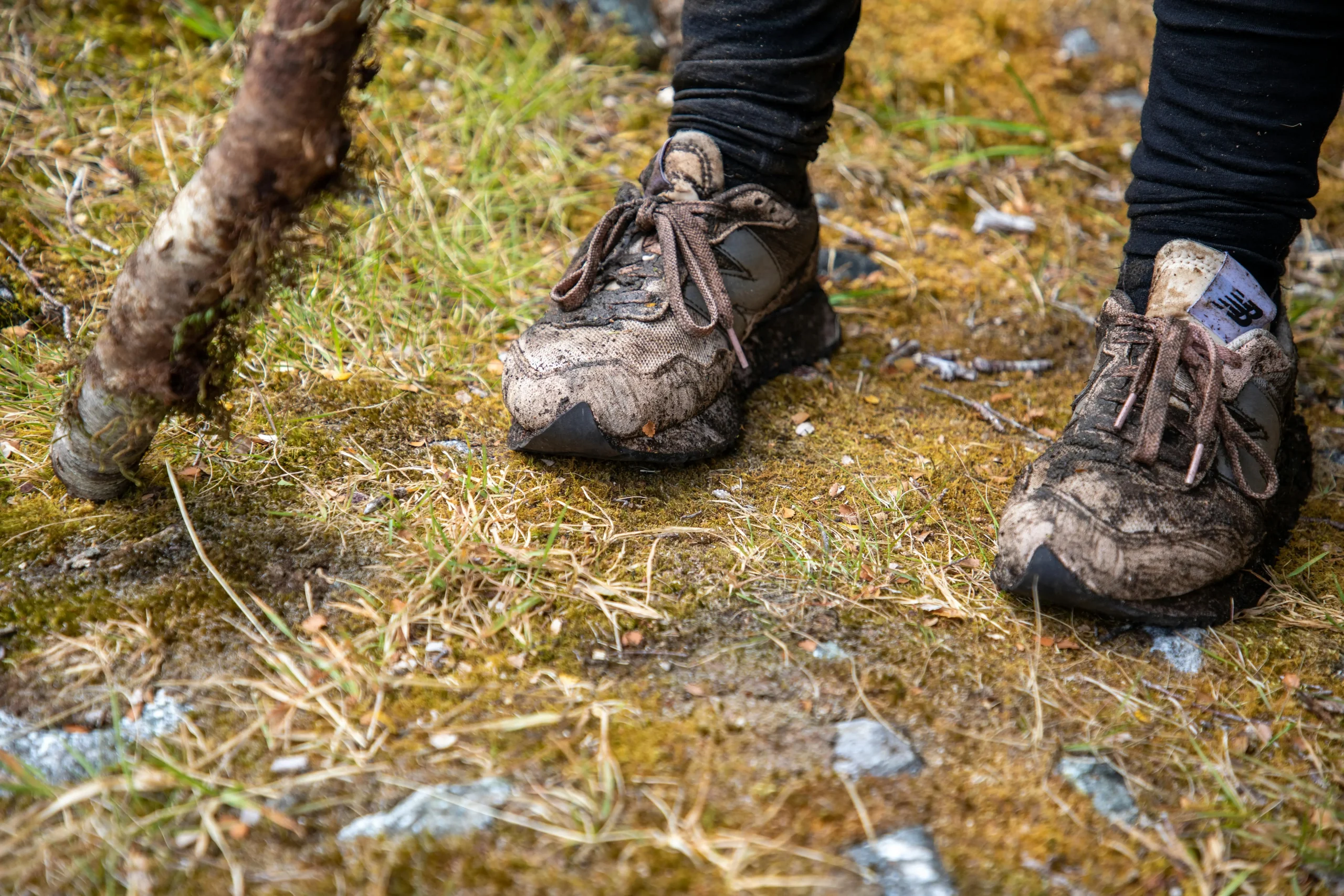
Every hiker remembers their first trail blunder whether it was wearing the wrong shoes, running out of water, or arriving at the trailhead at noon. Beginner hiking mistakes are almost a rite of passage, but most of them are completely avoidable with the right preparation. Understanding these common hiking errors before you hit the trail can mean the difference between a memorable adventure and a miserable slog back to the car. Whether you’re planning your very first hike or your fifth, this guide covers the most frequent mistakes beginners make and exactly how to avoid them.
1. Choosing the Wrong Trail
Picking a trail that’s too difficult is one of the most widespread beginner hiking mistakes. Starting with an overly ambitious hike can lead to exhaustion, injury, or getting stuck on the trail long after dark. Many new hikers overestimate their fitness level or misread trail ratings, which can turn an exciting day out into a dangerous situation.
The fix is simple: always start with trails rated “easy” with minimal elevation gain, and choose distances under 3 miles for your first few outings. Read recent trail reviews on platforms like AllTrails to understand the actual current difficulty, not just the official rating. Look for trails close to home so you can leave early if needed, and save challenging hikes for after you’ve built real endurance and confidence. There’s no rush to tackle advanced trails the mountains will still be there.
2. Wearing the Wrong Footwear
Many beginners make the hiking gear mistake of wearing regular sneakers or brand-new boots on their first hike. This often leads to blisters, slips, or ankle injuries that could easily have been prevented.
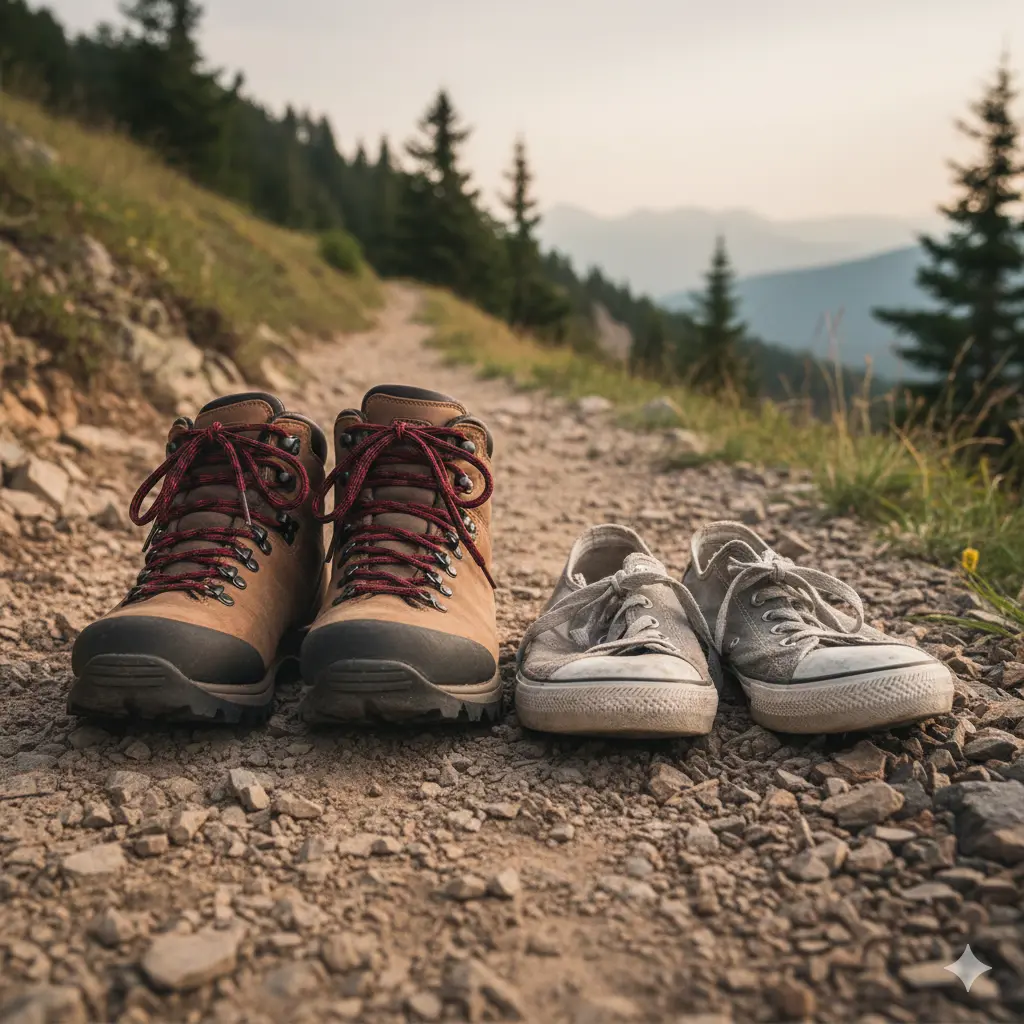
Invest in proper hiking shoes or boots with good tread, and crucially break them in before your hike, not during it. Wear moisture-wicking socks to prevent blisters, and make sure your shoes fit with enough room for your toes. Packing a small supply of moleskin or blister pads is smart trail safety practice. Your feet carry you through every step of the journey; taking care of them makes hiking dramatically more enjoyable.
3. Packing Too Much or Too Little
Finding the right balance in your pack takes practice, and it’s one of the most common hiking gear mistakes among newcomers. Some beginners bring everything they own, while others forget genuinely essential items.
Overpacking is more than just inconvenient heavy packs cause fatigue, strain your back and shoulders, slow you down significantly, and drain your energy long before the summit. On the flip side, underpacking creates real danger. Missing essentials like water, rain gear, or a basic first aid kit can turn a minor inconvenience into a serious emergency.
The smartest approach is to follow a standard checklist every time. Bring the ten essentials on every hike, leave luxury items at home for day trips, and test your packed weight at home before heading out. Review our guide on essential hiking gear for beginners to pack appropriately for every type of trail.
4. Not Bringing Enough Water
Dehydration is one of the most common and most preventable trail safety issues beginners face. Many new hikers drastically underestimate how much water they’ll need, especially in warm weather or on steep terrain. A good rule of thumb: bring at least half a liter of water per hour of hiking, and add more for hot days or strenuous routes.
Don’t wait until you feel thirsty to drink thirst is already a sign of mild dehydration. Drink small amounts regularly throughout your hike. For longer outings, consider bringing a water filter or purification tablets as a backup. Signs of dehydration include headache, dizziness, and dark urine. Preventing these through consistent hydration is one of the most important hiking tips for beginners you’ll ever receive.
5. Ignoring Weather Forecasts
Checking weather might seem obvious, but it’s a step many beginners skip or treat too casually. Weather conditions can change rapidly in wilderness areas especially at elevation and being caught unprepared is a leading cause of hiking emergencies.
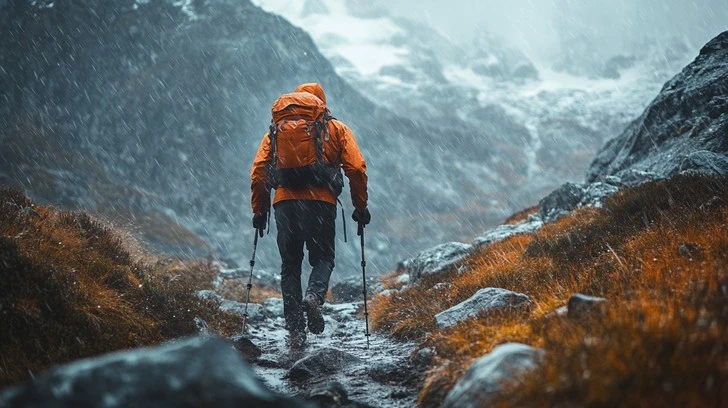
Always check forecasts specifically for the trail area not just your city and look at hourly predictions rather than just daily summaries. Pay attention to wind speed and temperature at elevation, which can differ dramatically from the valley below. Bring rain gear even if the morning looks sunny, and be ready to postpone your hike if severe weather is on the way. No summit view is worth risking your safety.
6. Starting Too Late in the Day
Beginning your hike in the afternoon is a classic beginner hiking mistake that leaves little margin for error. Afternoon starts can leave you rushing against fading daylight, hiking in dangerous darkness, or getting caught in the afternoon thunderstorms common in many mountain regions. Aim to start by 8 or 9 AM this gives you the whole day to enjoy the trail, take breaks, snap photos, and still have buffer time if the hike takes longer than planned. Morning temperatures are also cooler and far more comfortable for physical exertion.
7. Not Telling Anyone Where You’re Going
One of the most overlooked but critical trail safety tips is simply telling someone your plans. Heading out without informing anyone becomes genuinely dangerous if something goes wrong a twisted ankle, a wrong turn, or an unexpected storm and no one knows where to look for you.
Before every hike, tell a friend or family member which trail you’re hiking, your expected start and return times, the trailhead location, and what they should do if you don’t check in by a certain time. Always text or call when you’re safely back at the car. This simple habit costs nothing and could save your life.
8. Pushing Past Your Limits
Beginners sometimes feel pressure from their companions, their ego, or the allure of a distant viewpoint to keep pushing when their body is telling them to stop. This is one of the common hiking errors that leads to exhaustion, injury, and accidents. Take breaks when you need them, not just at designated viewpoints. Slow down if you’re too out of breath to hold a conversation. If you feel dizzy, nauseous, or extremely tired, turn around. There’s no shame in heading back the trail will always be there for another attempt, and finishing is optional while safety is not.
9. Wearing Cotton Clothing
Cotton feels comfortable at home but is one of the worst fabrics you can wear on the trail. It absorbs sweat, stays wet for hours, and leaves you chilled and uncomfortable or worse, at risk of hypothermia in cold conditions. This is a surprisingly common hiking gear mistake that even experienced hikers occasionally make.
Choose synthetic fabrics that wick moisture away from your skin, or opt for merino wool for base layers it’s naturally odor-resistant and temperature-regulating. Layer your clothing so you can adjust as temperatures change throughout the day, and always bring a waterproof outer layer regardless of the forecast. Save your cotton for the post-hike coffee stop.
10. Not Staying on the Trail
Taking shortcuts or wandering off-trail might seem harmless, but it’s a beginner hiking mistake with real consequences. Off-trail hiking frequently leads to getting lost, injuries on unstable terrain, and environmental damage eroding vegetation and disturbing wildlife habitats. Always follow trail markers and blazes carefully. If you lose the trail, the safest move is to backtrack to the last marker rather than pressing on and guessing. Marked trails exist for good reason: they are the safest, most efficient, and most sustainable routes through the wilderness.
For more guidance, read our complete guide on hiking safety tips every beginner should know.
11. Forgetting to Eat
Some beginners get so focused on the hike that they forget to eat. Low blood sugar leads to fatigue, poor judgment, and irritability a combination that makes every mile harder than it needs to be. Pack calorie-dense snacks like nuts, dried fruit, and energy bars, and eat something small every hour even if you’re not particularly hungry. Keep easy-to-reach snacks in your pack’s outer pockets so you’re never digging through your bag mid-trail. On longer hikes, plan a proper lunch break. Food is fuel treat it as seriously as water.
12. Ignoring Trail Etiquette
New hikers often don’t know the unwritten rules of the trail, and unknowingly frustrating other hikers is one of the common hiking errors that can sour everyone’s experience. The basics are straightforward: yield to uphill hikers, step aside to let faster hikers pass, keep noise levels down to respect both nature and other visitors, and pack out all trash including food scraps. Keep dogs on a leash where required, and always give wildlife plenty of space. Good trail manners cost nothing and make the outdoors better for everyone.
13. Relying Only on Phone GPS
Smartphones are incredibly useful on the trail, but relying on them as your sole navigation tool is a significant beginner hiking mistake. Batteries die, cellular signals disappear in remote areas, and screens crack. Always bring a physical map of the trail area as a backup, and consider learning basic compass skills before you venture into unfamiliar terrain. Download offline maps before leaving home using apps like AllTrails or Gaia GPS, and carry a portable battery pack to extend your phone’s life. Knowing how to read trail markers and signs is an underrated but essential trail safety skill.
14. Not Breaking in Gear
Wearing brand-new boots or using untested equipment on a real hike is a recipe for discomfort and frustration. This is one of the most preventable hiking gear mistakes: always test your gear on shorter walks before committing to a full trail. Wear new boots around town for a few days to soften them and identify any pressure points. Test your backpack with weight loaded in it to check for hot spots or poor fit. Try out your water filtration system at home, and practice using your navigation tools until they feel second nature. Gear that surprises you on the trail is gear that wasn’t ready for the trail.
Conclusion
Every experienced hiker has made at least a few of these beginner hiking mistakes and most of us learned the hard way. The good news is that all of them are preventable with proper planning, appropriate gear, and realistic expectations. Start with the right trail for your fitness level, dress and pack correctly, tell someone your plans, and listen to your body. Each hike you complete builds the knowledge and confidence to tackle the next one. The trail is a patient teacher show up prepared, and it will reward you every time.
Ready to hike smarter? Check out our complete beginner’s guide to hiking for step-by-step instructions on planning your first successful trail adventure.
Related Posts
Frequently Asked Questions About Beginner Hiking Mistakes
What is the biggest beginner hiking mistake?
Choosing a trail that’s too difficult is the most common beginner hiking mistake. Many new hikers overestimate their fitness or underestimate trail difficulty. Always start with easy, short trails and gradually work up to more challenging hikes as you build experience and endurance.
How can I avoid blisters on my first hike?
Wear properly fitted hiking shoes or boots that you’ve broken in before the hike, not during it. Choose moisture-wicking socks instead of cotton. If you feel a hot spot developing, stop immediately and apply moleskin or a blister pad before it becomes a full blister.
Do I need all ten essentials for a short day hike?
Yes. Unexpected situations can happen on any hike regardless of length. Weather can shift suddenly, you might get delayed, or someone could get injured. The ten essentials are lightweight and could be critical in an emergency it’s always better to carry them and not need them.
What should I do if I realize I’ve made a hiking mistake mid-trail?
Stay calm and assess the situation honestly. If you’re exhausted, take a break and consider turning back. If you forgot water or important gear, shorten your hike. Never be afraid to cut a hike short for safety reasons learning from hiking errors is part of becoming a better, safer hiker.
How much water should a beginner bring hiking?
A reliable guideline is at least half a liter of water per hour of hiking, with more on hot days or strenuous trails. Always err on the side of bringing too much. Staying hydrated is one of the most important trail safety tips for beginners.


No comments yet. Be the first to share your thoughts.