
Guided vs Solo Trekking: Which Approach Is Right for You?
One of the most important decisions you’ll face when planning a multi-day trek is whether to go guided or solo. Having spent over two decades on trails across the Himalayas, Andes, and Pyrenees, I can tell you that neither option is universally better the right choice depends entirely on your experience level, chosen destination, budget, and what you want to get out of the experience. In this guide, we break down everything you need to know about guided vs solo trekking including costs, safety risks, and the hybrid approaches most experienced trekkers use to combine both methods. so you can make a confident, informed decision.
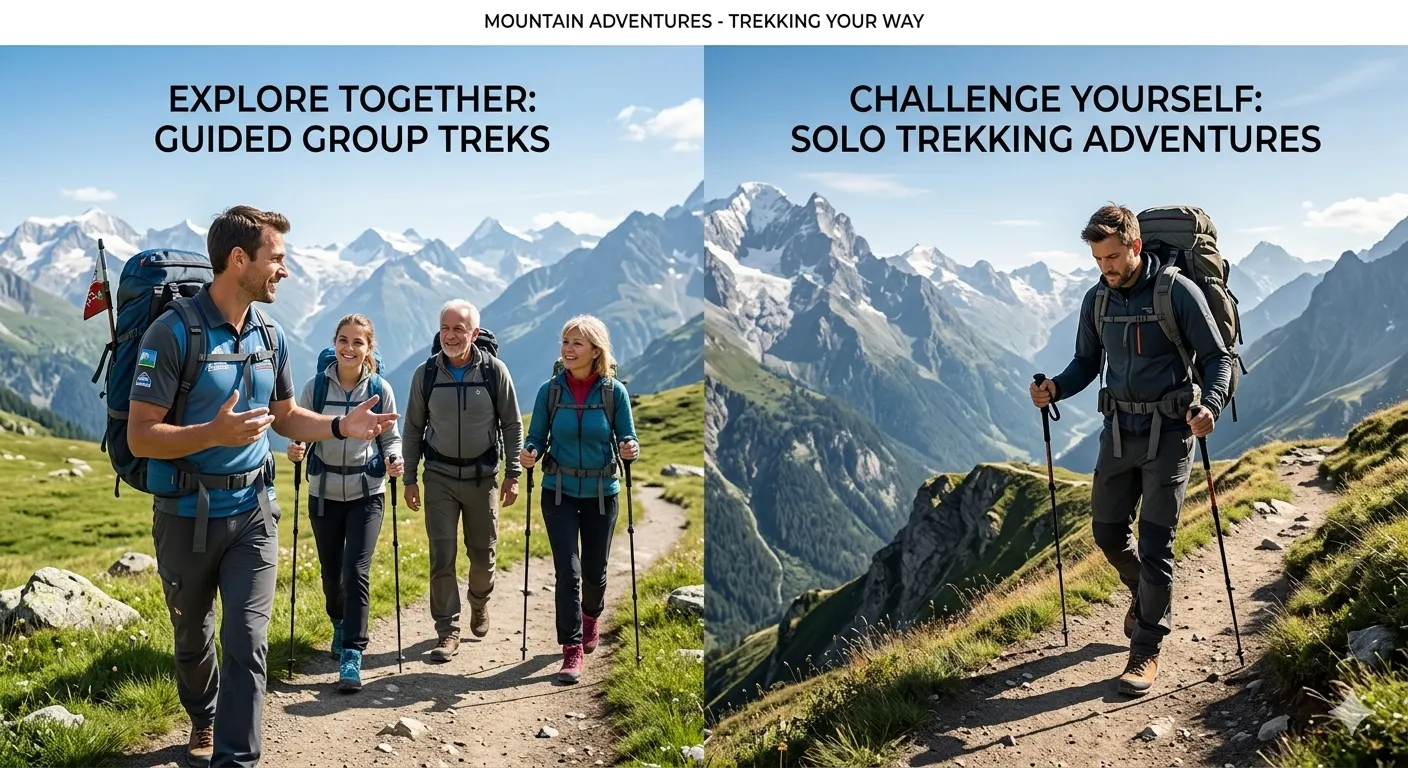
What Is Guided Trekking? Understanding Guided vs Solo Trekking Basics
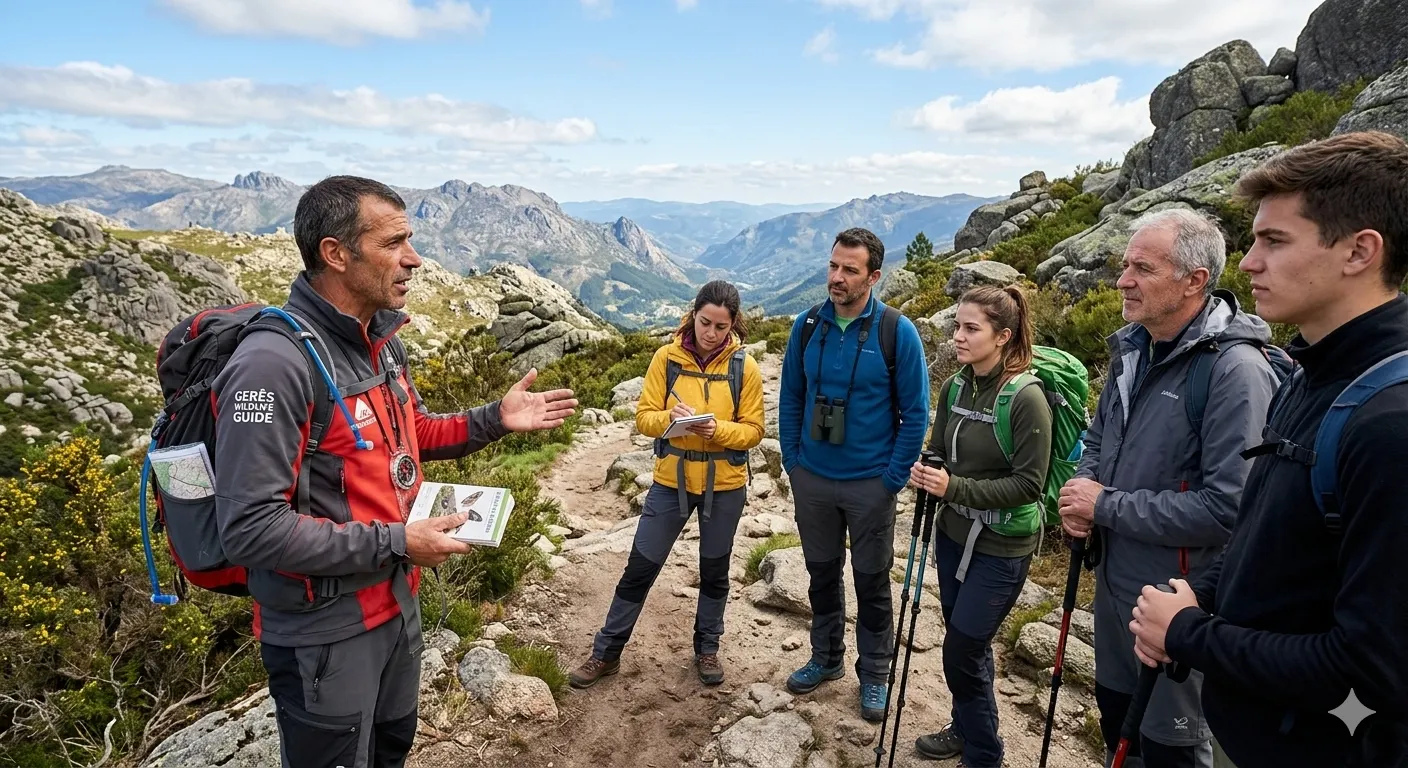
Guided trekking means hiring a professional guide or joining an organized tour group led by local or international experts. This is far more than just having someone show you the way a quality guide brings route knowledge, cultural insight, emergency training, and logistical support that can transform a stressful expedition into a seamless adventure. Guided treks typically include a pre-planned itinerary, permit arrangements, accommodation bookings, and in many cases meals and gear transport handled by support staff.
You’ll find several formats available depending on your preferences and budget. Group tours typically involve 6–15 participants and are the most affordable guided option. Small group treks (2–6 people) offer a more personalized experience, while private guide services give you a dedicated expert entirely focused on your group. For serious expeditions, fully outfitted treks provide everything from camping gear to meals you simply show up and trek.
In terms of cost, budget group tours typically run $100–200 per day, premium guided experiences range from $200–500+ per day, and private guide services can reach $300–800+ per day. International expeditions like Everest Base Camp or Kilimanjaro can total $3,000–10,000+. For first-time trekkers, these costs often include services that would otherwise require significant gear investment and planning time.
The Real Benefits of Guided Trekking vs Going Solo
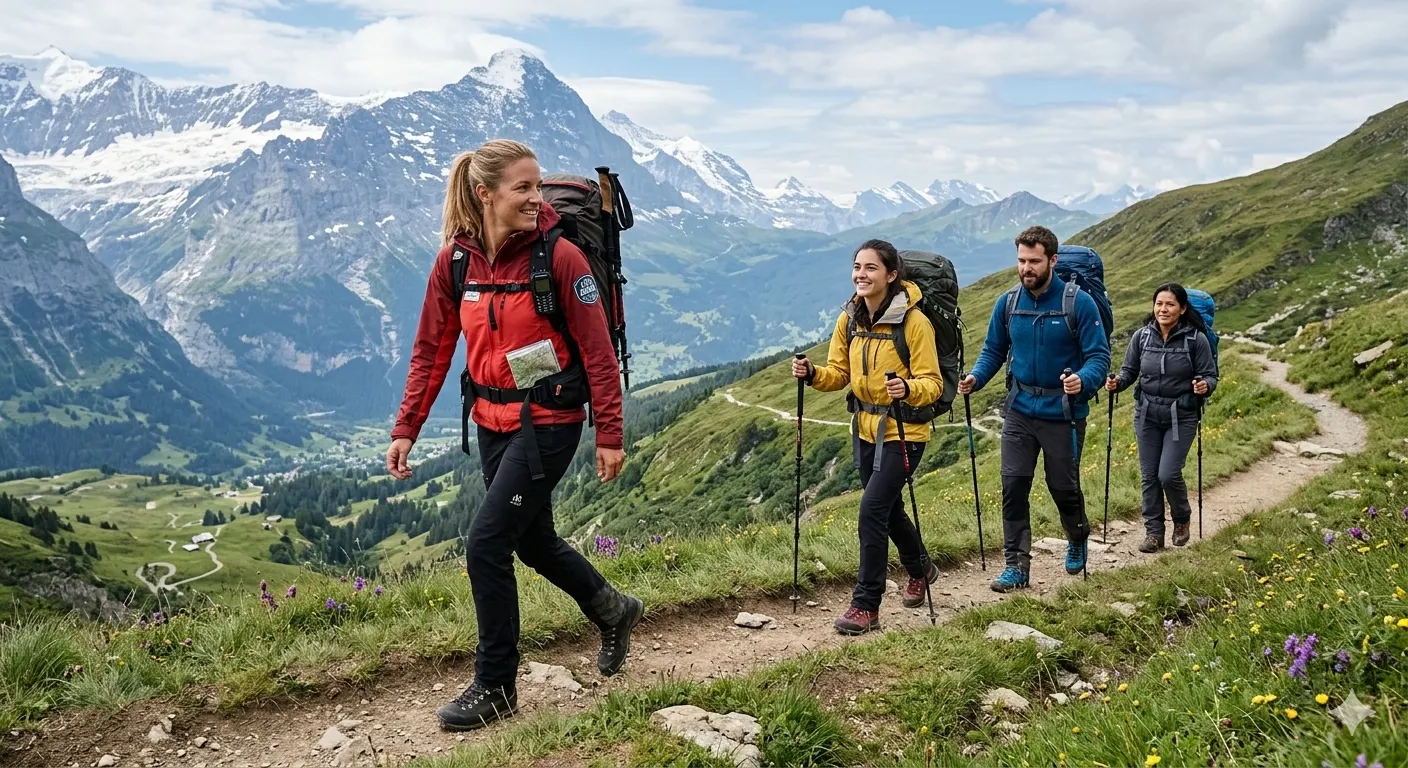
The trekking with a guide benefits go far beyond simple navigation the most significant is safety through expertise.. Experienced guides know the terrain, seasonal weather patterns, and local hazards in ways that no amount of online research can fully replicate. They understand when a river crossing is too dangerous, how to recognize early signs of altitude sickness, and exactly where to shelter if a storm rolls in. In emergencies, they know local rescue procedures and can coordinate rapid response something that can genuinely save your life in remote areas.
Beyond safety, guides dramatically reduce the logistical burden of planning. Permits, reservations, transportation, and route logistics are handled for you, freeing your energy for the actual trekking. For routes requiring complex permit systems such as the Inca Trail or trekking in restricted Himalayan regions this alone is worth the cost. Guides also unlock cultural and ecological dimensions of a trek that solo hikers often miss entirely, from identifying medicinal plants to explaining the history behind ancient mountain settlements.
For social travelers, group guided treks offer something solo trekking simply cannot: built-in camaraderie. Many long-term friendships and even travel partnerships have formed on guided group treks. If you’re a solo traveler who doesn’t want to trek alone, joining a guided group is genuinely one of the best solutions available.
When Guided Trekking Is the Right Choice
Guided trekking is strongly recommended in several scenarios: if this is your first multi-day trek, if you’re heading into a foreign country with language barriers or unfamiliar terrain, if regulations require a licensed guide (as in Bhutan or certain Tanzanian parks), or if you’re tackling high-altitude or technically demanding routes. If your planning time is limited or you simply want a stress-free experience, a guide handles everything so you can focus entirely on the journey. Leave No Trace principles are also better upheld when guided operators with trained staff manage waste and environmental impact in fragile ecosystems.
The Challenges of Guided Trekking
No honest guided vs solo trekking comparison is complete without addressing the real drawbacks of hiring a guide. The most significant is loss of flexibility. You follow a predetermined schedule, move at the group’s pace, and have limited ability to spontaneously explore a side trail or linger at a viewpoint. For free-spirited adventurers, this constraint can feel stifling especially when you’re fit and the group needs an unscheduled rest day. Group dynamics can also be challenging: personality clashes, mismatched fitness levels, and shared campsites with 12 other people aren’t for everyone. And of course, the cost premium is real guided treks typically cost 3–5 times more than independent alternatives for the same route.
What Solo Trekking Really Means
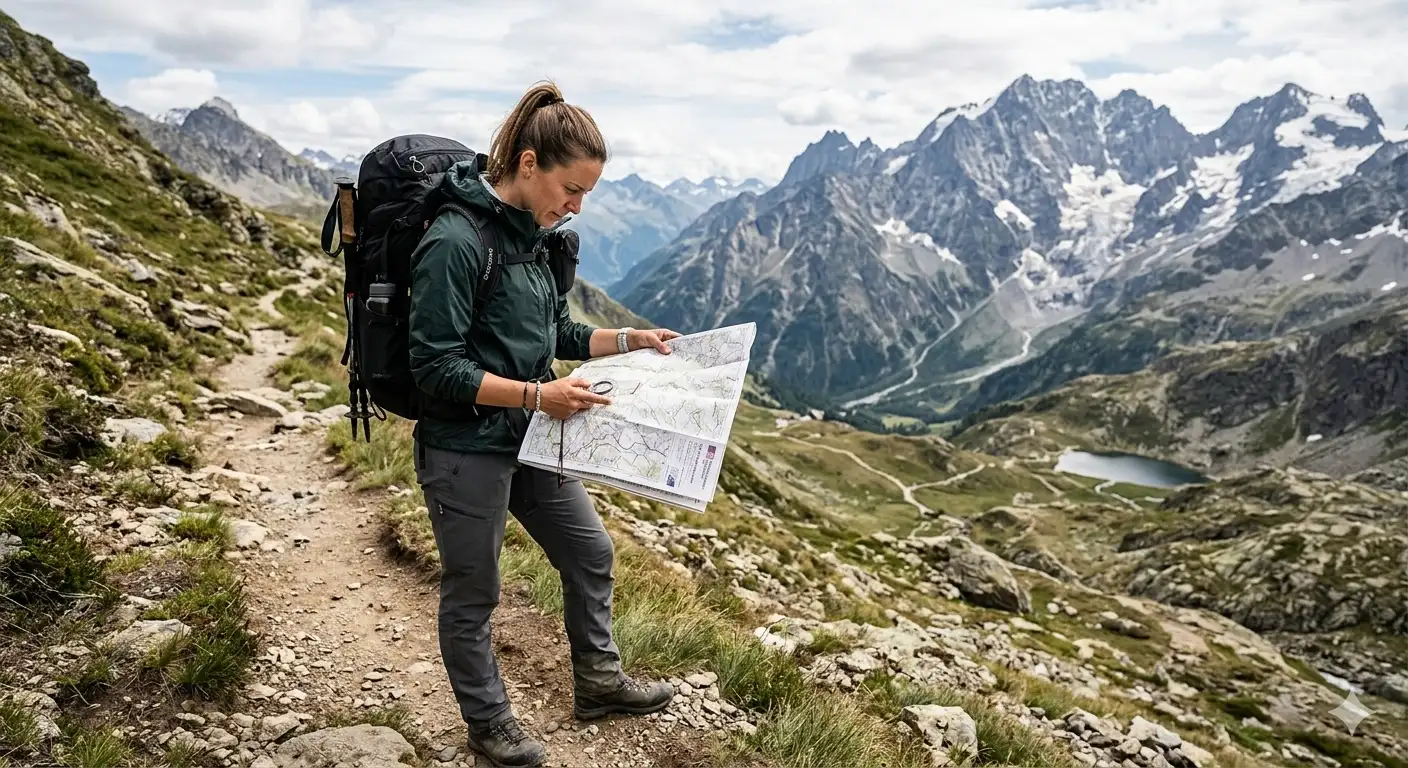
When weighing guided vs solo trekking, it’s important to understand what independent trekking truly demands. Solo trekking means planning and executing your entire trek without professional guide support.
This encompasses everything from researching permits and booking huts to navigating terrain and managing emergencies on your own. It’s worth distinguishing between solo trekking (entirely alone) and independent trekking with friends both require similar planning skills, but the latter offers the safety net of companions. True solo trekking carries the highest personal responsibility of any hiking format.
Why Experienced Hikers Choose Solo Trekking
For those with the skills and experience to do it safely, the solo hiking experience offers a quality of freedom and self-discovery that guided trekking simply cannot match. You set your own pace, rest when you want, explore unmarked side trails on a whim, and change your itinerary based on weather or mood. There are no compromises, no group decisions, and no social obligations at the end of a long day. This autonomy is particularly valuable on longer treks where energy management and personal rhythm matter enormously.
Solo trekking is also a powerful vehicle for personal growth. Navigating a remote route alone, solving unexpected problems without support, and completing a challenging multi-day trek entirely through your own capability builds a kind of confidence that’s hard to find elsewhere. As you develop these skills over multiple trips, you’ll find our guide on how to hike with confidence increasingly relevant. From a financial standpoint, experienced solo trekkers pay only for permits, food, and accommodation eliminating guide fees and tour markups entirely, which on a 10-day trek can mean saving $1,500–4,000.
When Solo Trekking Makes Sense
Independent trekking is well-suited to established trails with solid infrastructure, well-marked routes with frequent trail users, and terrain you’ve researched thoroughly or previously explored. Routes like the Tour du Mont Blanc, Camino de Santiago, or New Zealand’s Great Walks are ideal for experienced independent trekkers. According to AllTrails, detailed route information, user reviews, and real-time conditions are now available for tens of thousands of trails globally a resource that has dramatically lowered the barrier to safe independent trekking making the guided vs solo trekking decision easier than ever for well-prepared hikers.
The Real Risks of Solo Trekking
Understanding solo trekking safety is essential before you ever hit the trail alone. The risks of independent trekking are serious and should never be minimized. In an emergency a broken ankle, a sudden illness, an unexpected storm you have no professional support immediately available. Wildlife encounters, navigation errors, and equipment failures all carry heavier consequences when you’re alone. Solo trekking is genuinely not suitable for beginners, even on popular trails. You need proficient navigation skills, wilderness first aid knowledge, emergency response capability, and genuine psychological comfort with extended solitude before you should attempt it. The mental pressure of being the sole decision-maker in a challenging environment is something many underestimate until they’re actually in it.
Hybrid Approaches: Getting the Best of Both Worlds
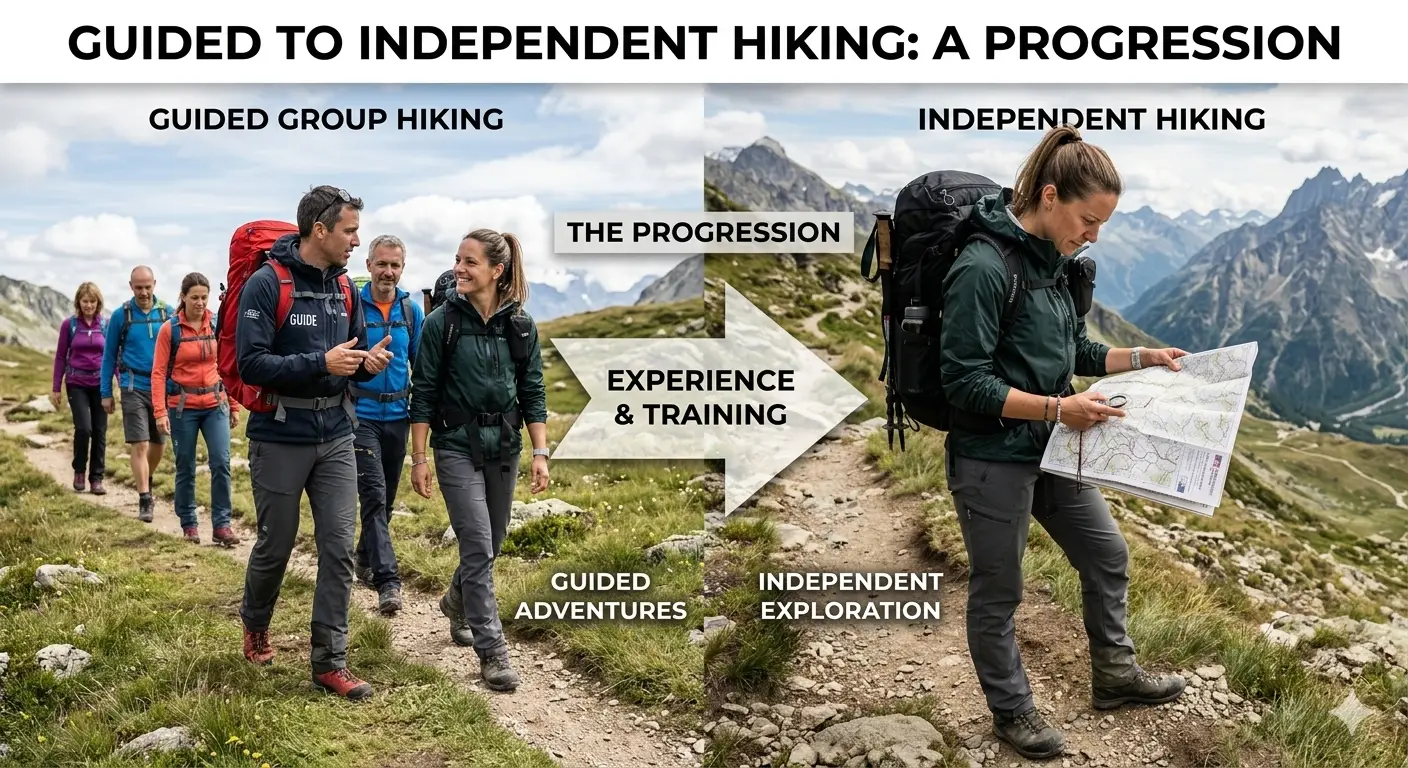
You don’t have to choose exclusively between fully guided and completely independent. One of the most practical independent trekking tips from seasoned hikers is to use a hybrid strategy a middle ground in the guided vs solo trekking spectrum that gives you professional support where you need it and full freedom where you don’t. One popular option is hiring a guide only for the technically complex or route-finding-intensive sections of a trek, then continuing independently on well-marked terrain. Another is using a guide service for logistics permits, transport, hut bookings while trekking the route yourself without daily guide accompaniment.
A progressive independence model works especially well for developing trekkers: start with fully guided group treks to build foundational skills and confidence, graduate to small-group independent trips with experienced friends, and eventually attempt solo routes on familiar or well-traveled terrain. This step-by-step approach mirrors what experienced trekkers transitioning from day hiking to multi-day expeditions have found most effective for building genuine competence without reckless risk-taking.
Safety Essentials: Guided vs Solo Trekking Risk Management
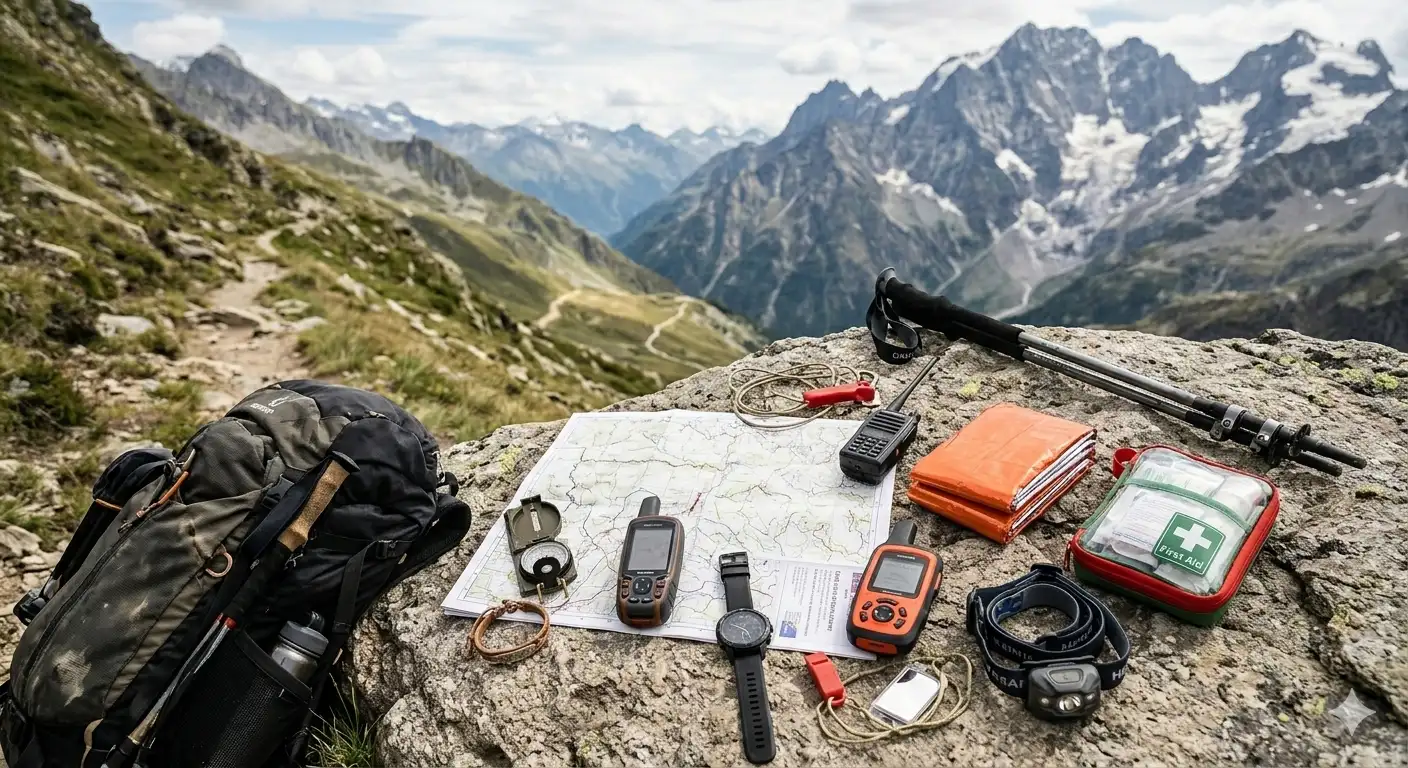
Regardless of whether you trek with a guide or independently, certain safety practices are non-negotiable. For guided treks, always research the company’s reputation and verify your guide’s credentials before booking a low-cost operator with undertrained staff is more dangerous than no guide at all. Ask specifically about emergency procedures, guide-to-client ratios, and whether the company carries evacuation insurance. Even with a professional guide, carry your own personal emergency supplies and maintain your own situational awareness.
For solo trekkers, the safety checklist is more extensive than most people expect when first considering guided vs solo trekking options. File a detailed trip plan with a reliable emergency contact before departure. Carry a satellite communication device a Garmin inReach or similar GPS messenger is considered essential by most experienced solo trekkers in remote terrain. Pack a comprehensive first aid kit, emergency shelter, and 2–3 days of extra food beyond your planned itinerary. Know your personal turn-back triggers and commit to them before you start, not during a moment of summit fever on the trail.
Guided vs Solo Trekking: How to Make the Right Decision
To determine which approach suits your specific situation, ask yourself these questions honestly: What is your actual trekking experience level not what you aspire to, but what you’ve demonstrated on trail? How much time can you realistically dedicate to planning? What does your budget allow? How do you respond psychologically to extended solitude? And critically what are the specific requirements of your chosen route? Some destinations legally require licensed guides; others are so well-serviced that solo trekking is straightforward even for moderate-experience hikers.
If you’re assessing readiness for solo trekking specifically, the bar is higher than many people expect. You should be able to confidently read topographic maps, have completed wilderness first aid training, have practiced navigation without marked trails, and have at least 5–10 multi-day treks under your belt across varied terrain and conditions before considering remote solo routes. Build your skills systematically the mountain will still be there when you’re genuinely ready.
Conclusion: Guided or Solo There Is No Wrong Choice
The decision between guided vs solo trekking ultimately comes down to honest self-assessment of your skills, experience, and what you want from the adventure.
In the guided vs solo trekking comparison, guided treks offer safety, local expertise, cultural depth, and reduced planning stress making them the right choice for beginners, complex destinations, foreign terrain, and anyone who values social trekking experiences. Solo trekking delivers complete freedom, personal growth, solitude, and significant cost savings, but demands real skills, thorough preparation, and psychological resilience. Most experienced trekkers use both approaches strategically: guides for challenging or unfamiliar terrain, independent travel for well-known routes where confidence is established.
Start with guided experiences to build your foundation. Learn from local experts. Invest in navigation and first aid skills. Then, when you’re genuinely ready, the solo trail will be waiting and the experience will be all the richer for the preparation you’ve put in.
Frequently Asked Questions About Guided vs Solo Trekking
In the guided vs solo trekking debate, is solo safe for beginners on popular trails?
Solo trekking is not recommended for beginners, even on well-traveled routes. Popular trails have more people nearby and better infrastructure, but they don’t eliminate the need for core competencies in navigation, wilderness camping, and emergency response. You should complete at least 5–10 multi-day treks ideally with experienced companions or a guide before attempting solo trekking. Many trails that appear “easy” still have sections where you could get injured or lost without immediate help available. Build your skills progressively rather than jumping straight to independent solo travel.
Can I join a guided trek if I’m traveling alone?
Absolutely joining a guided group trek as a solo traveler is one of the best solutions for those who want both support and social experience. Most tour companies actively welcome individual bookings, and many participants on group treks are solo travelers. Some companies offer guaranteed departures for solo travelers or accommodation-sharing arrangements to reduce costs. You’ll meet like-minded adventurers, benefit from professional expertise, and may form lasting travel friendships all while someone else handles the logistics.
How much more expensive is guided trekking compared to going solo?
Guided treks typically cost 3–5 times more than independent trekking on the same route. A 7-day independent trek might total $300–500 for permits, food, and campsites, while a guided version of the same route could cost $1,500–3,000 depending on services and group size. That said, if you lack camping gear, the guided option may be more economical initially. For international destinations, guides can also prevent costly mistakes around permits, transportation, and logistics that inexperienced trekkers often encounter.
What if I want to go solo partway through a guided trek?
This is generally not feasible once you’ve booked a guided trek you’ve committed to the group itinerary and paid for services that can’t easily be split mid-route. A better approach is to plan a hybrid arrangement upfront: hire a guide for the technically complex initial sections, then arrange to continue independently on the well-marked latter portions. If your goal is to experience solo trekking, complete your guided trek fully, then plan a separate independent trip on a simpler route. Trying to improvise independence mid-trek creates logistical complications and isn’t fair to guides who’ve planned around your participation.



No comments yet. Be the first to share your thoughts.