
Hiking Safety Tips Every Beginner Should Know
Every year, thousands of hikers find themselves in preventable trouble on the trail not because the outdoors is inherently dangerous, but because they simply weren’t prepared. The good news? Following proven hiking safety tips dramatically reduces your risk and transforms your time in nature into a genuinely enjoyable experience. Whether you’re stepping onto your first trail or building confidence after a few short walks, these beginner hiker tips will give you the foundation to hike smarter, safer, and with real peace of mind.
Essential Hiking Safety Tips: Plan Ahead and Prepare
Good preparation prevents most hiking problems. Experienced hikers will tell you that the safest trails aren’t necessarily the easiest ones they’re the ones where the hiker arrived ready. Taking time to plan before you leave home reduces your risk significantly and builds the kind of confidence that makes hiking genuinely fun.
Research Your Trail
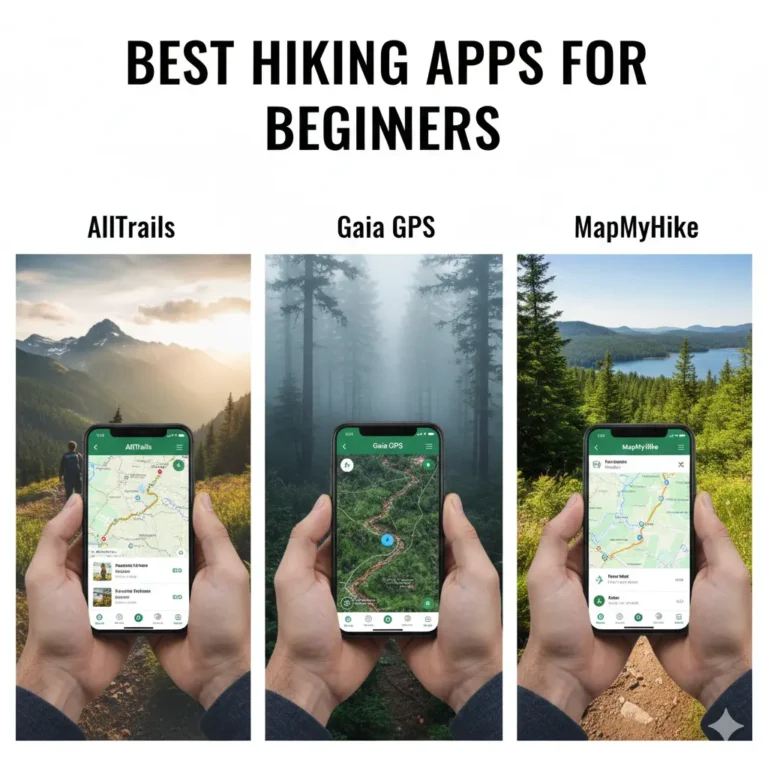
Before heading out, spend 20–30 minutes researching your chosen trail. Check the length, elevation gain, and difficulty rating on sources like AllTrails or your local park’s official website. Read recent trail reports left by other hikers these often reveal current conditions like muddy sections, fallen trees, or trail closures that official maps won’t show. Verify parking availability, trailhead facilities, and whether any permits or fees are required before you go.
Check Weather Conditions
Weather can change quickly in mountains and wilderness areas, making this one of the most critical hiking safety tips for beginners. Always check the forecast for the specific trail location not just your starting city. Mountain weather differs significantly from valley conditions, and a clear morning can turn into a dangerous afternoon thunderstorm at elevation.
- Look at hourly forecasts, not just daily predictions
- Check wind speed and direction for exposed ridgelines
- Note temperature drops at higher elevations (roughly 3°F per 1,000 feet)
- Reschedule without hesitation if severe weather is predicted
Share Your Plans
This simple step is one of the most underrated hiking safety tips out there. Tell someone responsible a friend, family member, or neighbor exactly where you’re going and when you plan to return. Provide the trail name, trailhead location, your planned route, expected start and end times, and emergency contact information. Most importantly, agree on what they should do if you don’t check in by a certain time. This single habit has saved lives.
For more guidance on getting started, check out our complete guide to hiking for beginners.
Start Early and Know Your Limits
Beginning your hike early is a habit worth building from day one. Starting at sunrise gives you maximum daylight, cooler temperatures, and helps you avoid the afternoon thunderstorms common in many mountain regions. As a beginner, it also gives you a crucial buffer of extra time in case the trail takes longer than expected.
Time Your Hike Properly
A reliable baseline for planning is two miles per hour on flat terrain, adding 30 minutes for every 1,000 feet of elevation gain. Always plan to finish at least one hour before sunset, and build in extra time for breaks, photos, and the unexpected. A common beginner mistake is underestimating how long a trail takes and ending up hiking in the dark a situation that turns a great day into a stressful emergency.
Listen to Your Body
Pushing beyond your physical limits is how hiking trips become hiking rescues. Pay attention to warning signs dizziness, nausea, extreme fatigue, or sudden shortness of breath. Take breaks before you desperately need one, not after. And never feel embarrassed about turning back. Reaching a summit is optional. Getting home safely is not. One of the most honest hiking safety tips any experienced hiker can share is this: the mountain will be there next time. Your body might not recover as easily.
Stay on Marked Trails
Following established trails is one of the simplest and most effective pieces of trail safety advice for new hikers. Trails are designed and maintained with safety in mind they avoid unstable terrain, provide clear navigation, and are regularly patrolled by rangers. Shortcuts through unmarked terrain might look tempting on a map, but they’re a leading cause of hikers becoming lost.
Look for trail markers, paint blazes, or cairns (stacked rock piles) as you walk. If you lose the trail, stop and backtrack to the last visible marker rather than pressing forward. Use your map or GPS to confirm your location. If you’re completely lost and unable to find the trail, stay in one place moving randomly only makes search-and-rescue efforts harder.
Essential Hiking Safety Tips: Carry the Right Safety Gear
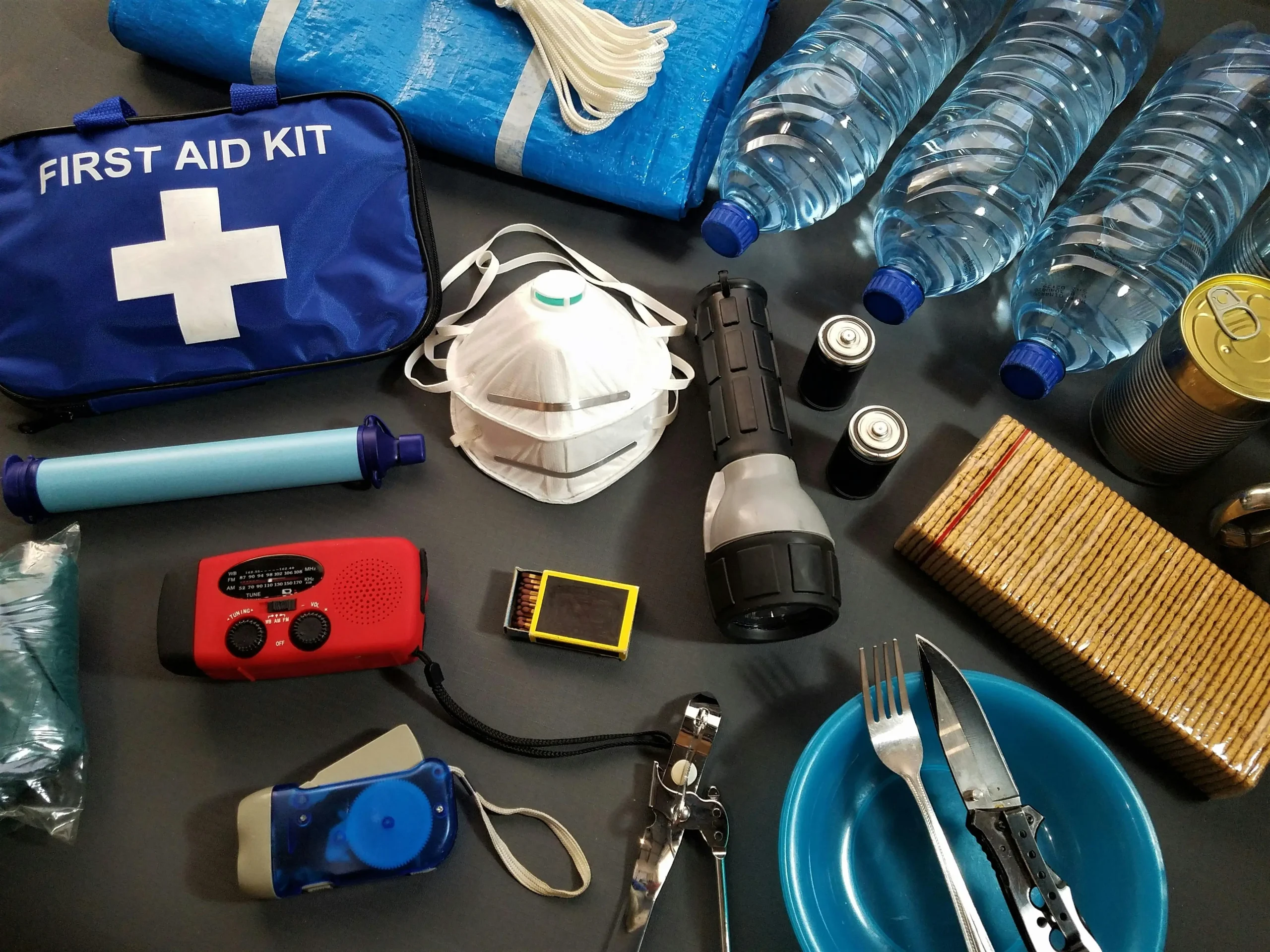
Having the right equipment transforms a minor inconvenience into a manageable situation. These are the items that separate a prepared hiker from a vulnerable one and several of them have the potential to save your life.
Navigation Tools
- Physical map of the area (never rely solely on your phone)
- Compass and basic knowledge of how to use it
- GPS device or smartphone with offline maps downloaded
- Portable charger to keep your phone alive on longer hikes
Emergency Items
- First aid kit with bandages, blister treatment, and basic medications
- Emergency whistle three blasts is the universal distress signal
- Headlamp with fresh batteries (never just a phone flashlight)
- Emergency space blanket to prevent hypothermia
- Waterproof fire starter (matches or lighter in a zip-lock bag)
Review our detailed list of essential hiking gear for beginners to ensure you’re fully prepared before your next outing. You can also explore the American Hiking Society’s safety resources for additional wilderness preparedness guidance.
Stay Hydrated and Fueled
Dehydration and low blood sugar are two of the most common and preventable causes of hiking accidents. Both impair your physical ability and your judgment, which is a dangerous combination in a remote environment. A good rule of thumb is to drink about half a liter of water per hour of hiking, sipping regularly rather than waiting until you feel thirsty. Thirst is actually a late indicator of dehydration.
Watch for warning signs: dark urine, headache, dizziness, and dry mouth all indicate you need water immediately. Always bring more water than you think you’ll need, and carry water purification tablets or a filter for longer day hikes in case you need to use natural water sources. On the nutrition side, eat small snacks every hour nuts, energy bars, and dried fruit are ideal to maintain steady energy levels. Don’t skip eating even if you don’t feel hungry; your body is working hard even when it doesn’t feel like it.
Be Aware of Wildlife
Most wildlife encounters are completely safe if you know how to behave. Animals generally want nothing to do with humans, but surprising them or behaving incorrectly can create dangerous situations. Making noise while hiking talking, clapping, or wearing a bear bell is one of the best hiking safety tips for avoiding surprise encounters, especially in bear country.
Never feed or approach wildlife under any circumstances. Keep all food stored securely in your pack or a bear canister. Observe animals from a respectful distance and always give them a clear escape route if you encounter them on the trail.
For specific animal encounters: if you meet a bear, make yourself look large, speak calmly, and back away slowly without running. Carry bear spray in areas where bears are active. If you encounter a snake, give it space and wait for it to move most bites happen when people try to handle or step over them without looking. Mountain lions are rare, but if encountered, face the animal, make yourself appear large, and fight back if attacked. Never crouch or run from a mountain lion.
Watch for Weather Changes and Recognize Hazards
Weather in wilderness areas can shift from pleasant to dangerous within 30 minutes. Learning to read the sky is a skill every hiker should develop. Watch for rapidly darkening clouds, sudden drops in temperature, or an increase in wind these are signs a storm may be approaching. Get off ridgelines and exposed peaks immediately if you see or hear thunderstorm activity.
Put on your rain gear before you get wet, and add layers before you get cold. It’s much easier to manage your body temperature proactively than to recover from being soaked and shivering at elevation. Always turn back if conditions deteriorate beyond your comfort level. A second attempt on a clear day is always better than a dangerous gamble in bad weather. For more detailed preparation strategies, read our guide on hiking in cold weather safely.
Know Basic First Aid
Understanding how to treat common hiking injuries makes you a more confident and capable hiker. Blisters are the most frequent issue beginners face cover developing hot spots with moleskin before they form into blisters. If a blister does develop, leave it intact unless it’s painful enough to prevent walking, as the fluid inside protects against infection.
For sprains, follow the RICE protocol: Rest, Ice (if available), Compression with a bandage, and Elevation. A significant sprain on a remote trail often means turning back immediately. Clean cuts and scrapes thoroughly with water, apply antibiotic ointment, and cover with a sterile bandage to prevent infection. If someone shows signs of heat exhaustion heavy sweating, weakness, cool pale skin, nausea move them to shade, provide water, and cool them with wet cloths. According to NHS guidance on heat illness, cooling the person quickly is the most important immediate action.
Hike with Others When Possible
Group hiking is inherently safer than solo hiking, especially for beginners. Having companions means shared resources, someone to help in an emergency, and a much higher likelihood of staying on course. Join a local hiking club, invite friends, or connect with beginner hiking groups in your area many parks and outdoor retailers organize free guided hikes specifically for newcomers.
If you do hike alone, stick to popular, well-marked trails during busy hours. Carry a personal locator beacon (PLB) or satellite communicator for any remote solo hike these devices can summon help even without cell service. Always match the group’s pace to the slowest hiker, and never split up or leave anyone behind on the trail. Explore our article on how to avoid getting lost while hiking for more essential navigation advice.
Trust Your Instincts
Experienced hikers consistently report that their intuition was correct in the moments before something went wrong. If a section of trail feels unsafe, if the weather makes you uneasy, or if something simply feels off trust that feeling. You don’t need a logical reason to turn back. The pressure to reach a summit or complete a route is never worth overriding a genuine safety concern. The trail will be there another day. Give yourself full permission to make the smart call.
Emergency Procedures
Knowing what to do in an emergency keeps you calm and effective when it matters most. If someone in your group is injured, first assess the severity before moving them. Provide first aid within your skill level, keep the person warm and as comfortable as possible, and call 911 if you have cell service. If you’re in a remote area without signal, send the fastest, most capable member of your group for help while someone stays with the injured person.
If you get lost, stop moving immediately. Panic causes people to wander further from the trail. Sit down, take a breath, and think clearly. Try to retrace your steps to the last known landmark. Use your map, compass, or GPS to orient yourself. If you genuinely cannot find the trail, stay in one spot a stationary person is far easier for search teams to locate. Use your whistle frequently: three blasts is the universal distress signal recognized by rescuers worldwide.
Conclusion: Build Your Confidence One Safe Hike at a Time
Applying these hiking safety tips doesn’t mean approaching the outdoors with fear it means approaching it with respect and preparation. Every experienced hiker you meet on the trail started exactly where you are now, learning the basics and building good habits one outing at a time. Start with shorter, well-marked trails. Invest in the right gear. Tell someone your plans. And above all, make the decision to turn back whenever your gut tells you to. Safe hiking is consistent hiking, and consistent hiking is how the best trail memories are made. For your next steps, explore our guide on hiking navigation basics using maps, compass, and GPS.
Frequently Asked Questions About Hiking Safety Tips
What should I do if I encounter a bear on the trail?
Stay calm and never run. Make yourself appear larger by raising your arms and speak in a calm, firm voice. Back away slowly while keeping the bear in sight. If the bear approaches, deploy bear spray if you have it. Most encounters end safely when you give the bear space and an escape route.
How do I know if I’m drinking enough water while hiking?
The most reliable indicator is urine color it should be pale yellow. Dark urine signals dehydration. Additional warning signs include headache, dizziness, dry mouth, and fatigue. Aim to drink about half a liter per hour and sip continuously rather than waiting until you feel thirsty.
Is it safe to hike alone as a beginner?
Hiking with others is always safer, especially when you’re starting out. If you do hike alone, choose busy, well-marked trails, inform someone of your full itinerary, carry emergency gear, and consider a personal locator beacon for any remote area. Build solo confidence gradually on shorter, popular trails first.
What’s the most important safety item to bring on a hike?
Navigation tools and water are the two most critical items. A map and compass (or GPS device with backup power) prevent you from getting lost, while adequate water prevents dehydration that impairs your judgment. Your first aid kit and emergency shelter round out the must-have safety kit.
How do I avoid getting lost on a trail?
Stay on marked trails, watch for blazes and cairns, and regularly check your position against your map. Download offline trail maps before leaving home. If you lose the trail, backtrack to the last known marker rather than pressing forward into unfamiliar terrain.

No comments yet. Be the first to share your thoughts.