
Best Hiking Shoes for Beginners: The Complete 2026 Guide
Choosing the right hiking shoes for beginners is one of the single most important decisions you’ll make before hitting the trail. Get it right and you’ll hike longer, feel better, and come home without blisters. Get it wrong and even a short 3-mile walk can feel like a grueling test of endurance. After years of guiding new hikers and testing footwear across every terrain imaginable, the advice in this guide comes from real trail experience not just spec sheets. Whether you’re heading out for a casual nature walk or planning your first overnight trip, understanding your options will help you choose hiking shoes for beginners that truly fit your needs.
Types of Hiking Footwear for Beginners
Hiking footwear comes in several distinct styles, each suited to different trail types and conditions. As a beginner, knowing the difference can save you money and prevent unnecessary discomfort. The three main categories you’ll encounter are trail runners, hiking boots, and approach shoes and each serves a specific purpose on the trail.
Trail Runners and Light Hiking Shoes
Trail runners are lightweight, flexible shoes that closely resemble athletic sneakers but are engineered with better grip and support for off-road use. They’re an excellent first choice of hiking shoes for beginners who plan to stick to maintained, well-marked paths. Their low ankle cut allows natural foot movement, and most dry out quickly after stream crossings. If your typical hike is under 5 miles with moderate elevation and a light daypack, trail runners offer a comfortable, agile experience that feels immediately familiar coming from regular athletic shoes.
Hiking Boots
Traditional hiking boots provide more ankle support and underfoot protection than trail shoes. They feature mid or high-top designs, stiffer soles, and more robust construction making them better suited for rocky, uneven terrain and heavier backpacking loads. The trade-off is weight and break-in time. Boots take longer to soften to your foot’s shape, so plan for a proper break-in period before any serious hike. For beginners tackling moderate to difficult trails, investing in a quality pair of hiking boots is worth every penny.
Approach Shoes
Approach shoes sit between trail runners and boots in terms of support and stiffness. They’re designed for varied terrain that includes scrambling over boulders or crossing technical rock sections. Their sticky rubber soles deliver impressive grip on smooth rock faces, making them ideal if your trails involve any hands-and-feet climbing. Less common for pure beginners but worth knowing about as your hiking ambitions grow.
Key Features to Look for in Hiking Shoes for Beginners
Not all hiking footwear is built equally. Once you know what category of shoe you need, the next step is evaluating specific features. These are the elements that will define how your feet feel after 8 miles on a rocky ridgeline or how quickly you develop a blister on mile two.
Traction and Outsole
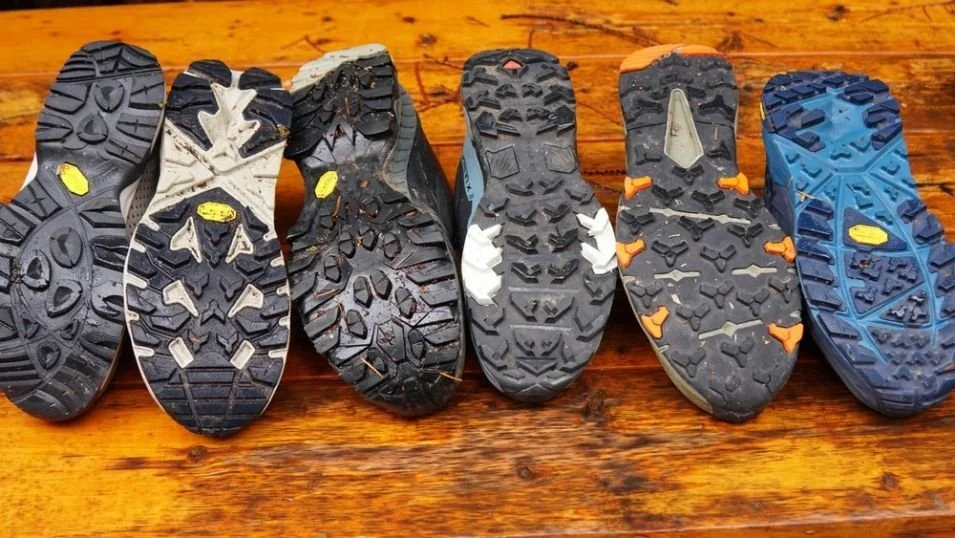
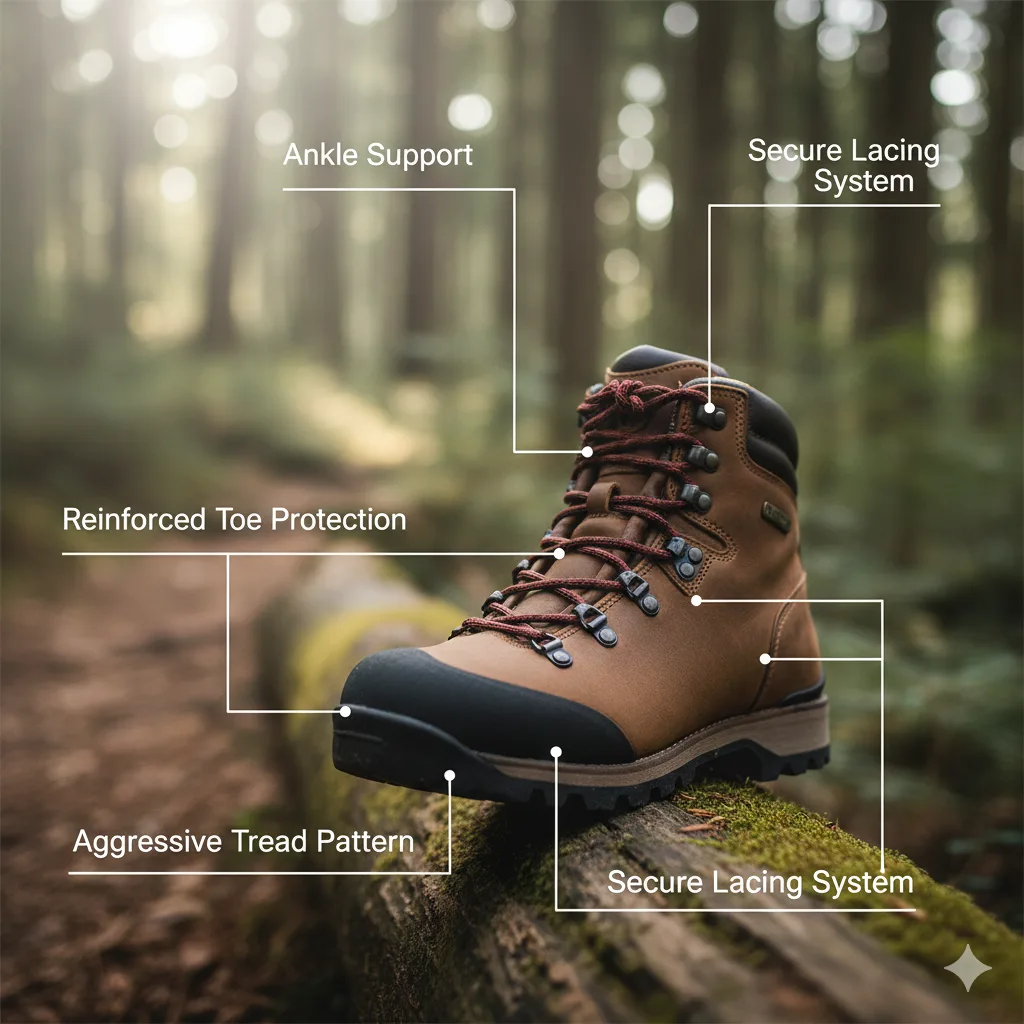
The outsole is your connection to the trail, and it matters more than most beginners realize. Look for deep lugs ideally 4–5mm in a multi-directional pattern that provides grip on dirt, gravel, mud, and wet rock alike. Vibram is one of the most respected outsole brands in the hiking world, found on everything from budget shoes to premium mountaineering boots. Shallow lugs wear down faster and struggle in muddy conditions, so don’t overlook this detail when comparing options.
Waterproofing
Waterproof hiking shoes use membranes like Gore-Tex to block moisture from entering, which is ideal for cold, wet climates and early morning trails covered in dew. However, waterproof shoes are less breathable than non-waterproof versions, and once water does get inside say, from a deep stream crossing they take significantly longer to dry. If you hike primarily in hot, dry environments, a non-waterproof, mesh-lined shoe will keep your feet cooler and more comfortable. Think honestly about your local climate before defaulting to waterproof.
Ankle Support, Toe Protection, and Cushioning
Ankle height affects both stability and freedom of movement. Low-cut shoes maximize mobility but offer little protection against rolled ankles on uneven ground. Mid-cut boots strike a balance that suits most beginners well, while high-cut boots provide maximum support for challenging terrain or those with a history of ankle issues. Pair ankle support with a reinforced toe cap a rubber or synthetic bumper over the toe box that guards against rocks and roots and a quality midsole for shock absorption. EVA foam midsoles are lightweight and cushioned, while polyurethane is firmer and more durable for heavy daily use. Many shoes also include a shank, a stiff insert in the midsole that provides additional arch support over long distances.
How to Find the Right Fit
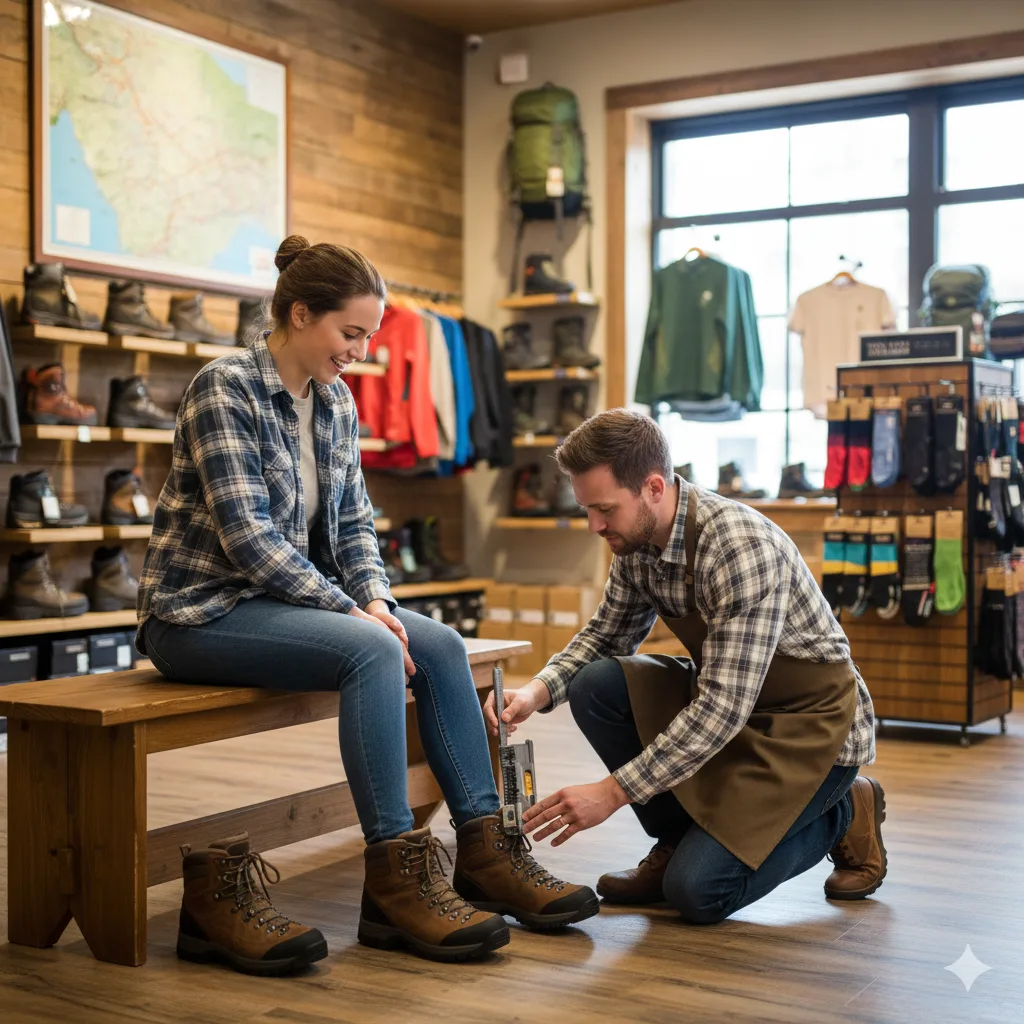
Fit is the single most important variable when choosing hiking shoes for beginners more important than brand, price, or features. A beautifully engineered $200 boot that doesn’t fit your foot will destroy your hike. A $90 trail shoe that fits perfectly will carry you happily through hundreds of miles. Always try shoes on in the afternoon, when your feet are at their largest after a day of activity. Wear the exact socks you plan to hike in, and walk around the store for at least 10 minutes before deciding.
There should be roughly a thumb’s width of space between your longest toe and the front of the shoe this space prevents your toes from jamming forward on descents, which is a leading cause of black toenails. Your heel should feel locked in place with no slipping when you walk, and there should be no pressure points along the sides or top of the foot. Width matters as much as length: many brands now offer wide and narrow options, so don’t settle for a standard fit if it doesn’t match your foot shape.
The Break-In Period
New hiking shoes especially boots need time to conform to your feet before they’re trail-ready. Start by wearing them around the house for a few days, then progress to short neighborhood walks before attempting any trail. Lighter trail runners typically need less break-in time than stiff leather boots, but never skip this step entirely. If a shoe is still causing hot spots or pressure pain after a week of gradual wear, it’s a sign the fit isn’t right not a sign to push through. Blisters from poor fit are entirely preventable. For a deeper look at what to wear hiking, including the right socks to pair with your shoes, check out our full guide.
Budget Guide: What to Expect at Each Price Point
Hiking shoes range from around $60 to well over $200. Entry-level options ($60–90) are fine for occasional easy trails and will get you started without breaking the bank, though they may wear out faster under regular use. Mid-range shoes ($90–140) represent the sweet spot for most beginners they offer meaningfully better materials, construction, and durability. Premium options ($140+) are built for serious, frequent use and typically feature advanced waterproofing technology, more supportive midsoles, and longer lifespans. A practical tip: buying last season’s model from a reputable brand often gets you premium-quality footwear at mid-range prices. For a broader look at managing costs, our guide on hiking gear on a budget covers smart ways to equip yourself without overspending.
Before finalizing your purchase, it’s also worth reviewing REI’s beginner hiking guide to understand how footwear fits into your complete gear setup.
Matching Your Hiking Shoes to Trail Conditions
The best hiking shoes for beginners are the ones that match where you actually plan to hike. On easy, well-maintained trails, prioritize comfort and breathability over protection light trail runners are ideal. Rocky, uneven terrain calls for mid-cut boots with stiffer soles, aggressive tread, and reinforced toe caps. Wet and muddy conditions favor waterproof boots with deep lugs that bite into soft ground and higher cuffs that stop water from pouring in over the top. In hot, dry climates, the opposite is true: a breathable, non-waterproof mesh shoe with quick-dry materials will keep your feet far more comfortable than a waterproof option that traps heat.
Trusted Beginner-Friendly Brands
Several brands have built strong reputations for producing reliable, comfortable hiking shoes for beginners. Merrell is consistently praised for cushioned, durable trail shoes at accessible prices. Salomon offers excellent traction and a precise fit that’s popular among both hikers and trail runners. Columbia produces budget-friendly options that punch above their price point. Keen is known for roomy toe boxes, making them a top choice for hikers with wider feet. Vasque makes solid mid-range boots with proven trail performance, and The North Face delivers reliable all-around options across multiple price points. That said, fit is personal always try multiple brands before committing, as sizing and last shape vary considerably between manufacturers.
Caring for Your Hiking Footwear
Good hiking shoes for beginners represent a real investment, and a little maintenance after each hike goes a long way toward protecting that investment. After every outing, remove loose dirt with a soft brush, pull out the insoles to dry separately, and stuff the shoes with newspaper to absorb internal moisture. Let them dry naturally at room temperature never in a dryer or directly next to a heat source, which can warp the sole and degrade the adhesive. For regular maintenance, clean with mild soap and water when heavily soiled, reapply a waterproofing spray as the DWR (durable water repellent) coating fades, and inspect the laces and outsole periodically for wear. Most quality hiking shoes last 500–800 miles depending on terrain and care. When traction becomes noticeably reduced, the midsole loses its spring, or the upper shows tears, it’s time to replace them.
Common Mistakes Beginners Make When Buying Hiking Shoes
The most frequent mistake new hikers make is buying shoes that are too small. Feet swell during long hikes, and what fits perfectly in a cool store may feel painfully tight by mile four on a hot day. Other common errors include choosing based on looks rather than function, trying shoes on with everyday socks instead of hiking-specific socks, and skipping the break-in period entirely then wondering why a new pair of boots destroyed their feet on a 10-mile inaugural hike. Ignoring foot pain rather than addressing the underlying fit issue is another trap; pain is feedback, not something to push through. For a full list of gear-related pitfalls, our guide on common mistakes beginners make is essential reading before your first real outing.
Special Considerations: Foot Shape, Foot Problems, and Climate
Every foot is different. Hikers with wide feet should look closely at Keen and Altra, both known for generous toe boxes that allow the foot to splay naturally on impact. Salomon and some Merrell models tend to run narrower, suiting hikers with slimmer feet. If you have specific foot conditions plantar fasciitis benefits enormously from strong arch support; bunions require a roomy, non-compressive toe box consider adding custom orthotic insoles rather than relying solely on the shoe’s factory insole. For chronic or painful conditions, a consultation with a podiatrist before buying is always time well spent. Climate is the final variable: if you hike year-round across seasons, you may find that a single pair of hiking shoes for beginners doesn’t cover all conditions, and investing in two pairs one waterproof, one breathable is the most practical long-term approach.
Conclusion
The best hiking shoes for beginners are the ones that fit your feet, suit your trails, and match your budget in that order. Start with lighter trail shoes or mid-cut hiking boots for easy to moderate terrain, take the time to find a genuinely good fit, and never skip the break-in period before a significant hike. The right footwear will protect you from injuries, keep you comfortable over long distances, and make every mile more enjoyable. Explore our guide on essential hiking gear for beginners to make sure your footwear is backed by the right clothing, pack, and accessories for a safe, confident first adventure on the trail.
Frequently Asked Questions About Hiking Shoes for Beginners
Do I really need hiking-specific shoes or can I use regular sneakers?
Regular sneakers work for very short, flat trails, but hiking shoes for beginners provide better traction, support, and protection. Athletic sneakers lack the grip needed on dirt, rocks, and roots. For hikes over 2 miles or on uneven terrain, proper hiking footwear significantly improves both comfort and safety.
Should beginners choose boots or trail shoes?
Trail shoes or light hiking shoes work well for most beginners on easy to moderate trails. They’re comfortable, require less break-in time, and cost less than boots. Consider boots if you plan to hike rocky terrain, carry heavy packs, or have weak ankles that need extra support.
How much should I spend on my first pair of hiking shoes?
A quality pair of beginner hiking shoes typically costs $80–120. This price range offers good durability and features without overpaying for advanced technology you may not need yet. Avoid shoes under $60 as they may not provide adequate support or last very long.
How do I know if my hiking shoes fit correctly?
Your toes should not touch the front when walking downhill. There should be about a thumb’s width of space at the toe. Your heel shouldn’t slip when walking. The shoes should feel snug but not tight, with no pressure points. Walk around the store for at least 10 minutes to test comfort before buying.
How long do hiking shoes for beginners typically last?
Most quality hiking shoes last between 500 and 800 miles, depending on terrain and how well you maintain them. Signs it’s time to replace them include worn-down tread, a compressed midsole that no longer cushions, or persistent blisters despite a previously good fit.



No comments yet. Be the first to share your thoughts.