
Hiking Weather Basics: The Complete Guide for Safe Trails
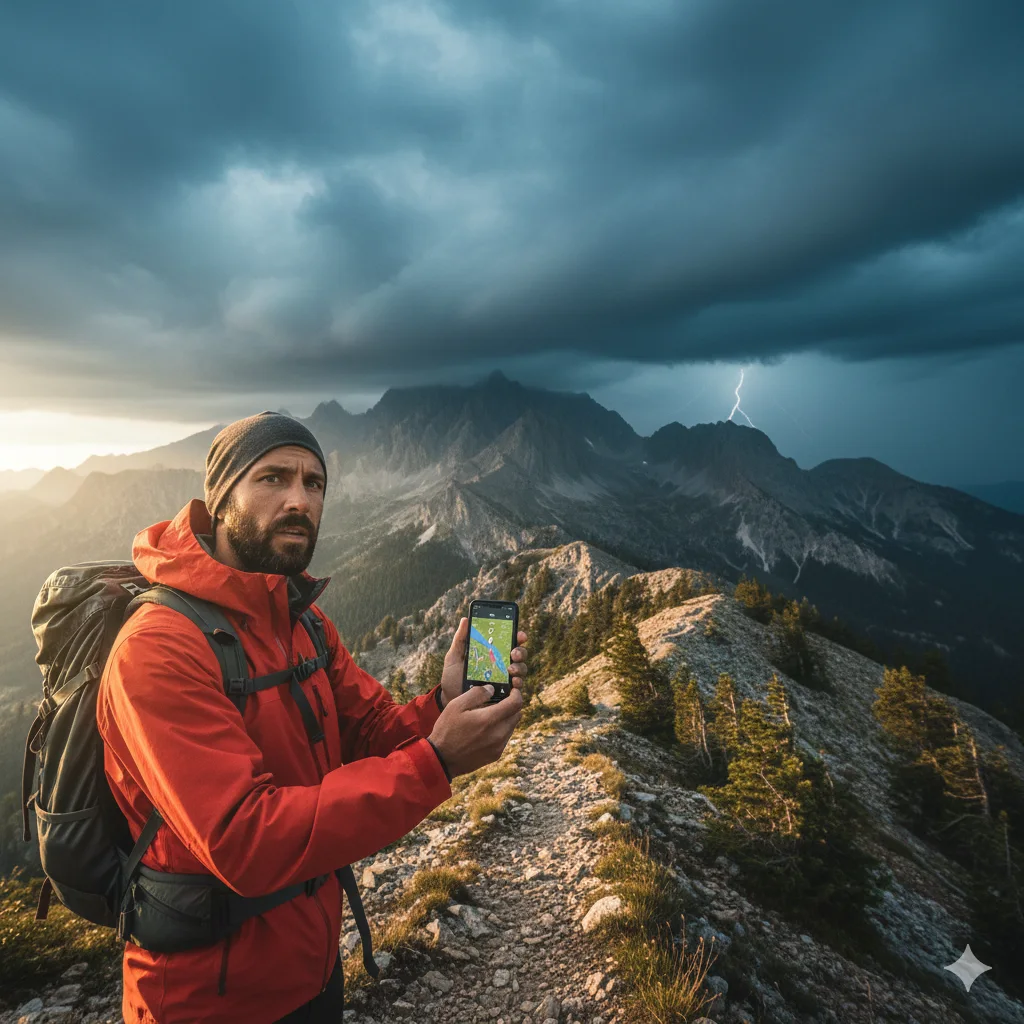
Understanding hiking weather basics is one of the most critical skills any hiker can develop. Weather changes rapidly in mountains and wilderness areas, sometimes turning a pleasant morning hike into a dangerous situation within minutes. This guide covers everything you need to know: how to read forecasts correctly, recognize warning clouds, stay safe in lightning and rain, and make the smart call to turn back when conditions demand it.
Why Hiking Weather Basics Matter for Every Hiker
Every hiker who spends time on the trail quickly discovers that hiking weather basics affect everything — from the gear you pack to the route you choose., from the gear you pack to the route you choose. Being weather-aware is not just about comfort it is a fundamental safety skill. Hikers who understand basic meteorology are far less likely to be caught off-guard by lightning, hypothermia, or flash floods.
The key benefits of building strong weather awareness include: preventing dangerous situations before they develop, helping you pack the right clothing and gear, enabling smarter decisions about which days to hike, allowing you to recognize when turning back is the right call, protecting you against both hypothermia and heat illness, and improving overall comfort from trailhead to summit. For a broader safety foundation, see our guide on essential hiking safety practices every hiker should know.
How to Check Forecasts the Right Way
Applying your hiking weather basics knowledge starts long before you reach the trailhead — it starts with checking the right forecasts in the right way. The gap between a city forecast and actual conditions at trail elevation can be dramatic and dangerously misleading. Use multiple reliable sources and always look for elevation-specific data.
Best Forecast Sources for Hikers
The most reliable resources for hiking weather forecasts are the National Weather Service (weather.gov) for detailed hourly forecasts, Mountain-Forecast.com for elevation-specific predictions, local park or forest service websites, and NOAA weather radio for real-time updates. For broader meteorological context, the NOAA Weather Portal offers excellent educational tools alongside live data.
What to Look For in a Forecast
When preparing for a hike, always seek out hourly forecasts rather than daily summaries, the specific forecast for the trail location rather than the nearest city, temperature predictions at different elevations, precipitation chances and their timing windows, wind speed and direction, cloud cover and visibility predictions, and any severe weather watches or warnings in effect.
When to Check the Forecast
Build a checking cadence into every hike: one week before for initial trip planning, three days before to confirm your plans are still viable, the night before for your final go/no-go decision, and the morning of the hike to catch any overnight changes. Do not rely on a single check — mountain weather can shift within hours.

Hiking Weather Basics: Understanding Temperature and Elevation
Temperature is one of the most underestimated variables in hiking weather basics. It affects your body very differently during strenuous hiking than during everyday activities.Three key factors influence how temperature actually feels on the trail, and every hiker should understand all three before heading out.
Temperature Drop with Elevation
This is one of the most underestimated dangers in outdoor recreation. Temperature decreases approximately 3–5°F for every 1,000 feet of elevation gained. A comfortable 70°F valley could feel like 50°F at 4,000 feet higher cold enough to cause hypothermia if you are wet or underdressed. Always plan your clothing layers based on the highest elevation you will reach, not where you start. Our complete guide to hiking in cold weather covers layering systems in detail.
Wind Chill Effect
Wind makes temperatures feel significantly colder than actual thermometer readings. Exposed ridges and mountain peaks experience the strongest winds, and wind chill can create genuinely dangerous conditions very quickly. A windproof outer shell becomes essential gear any time you plan to reach exposed terrain, regardless of the valley temperature at the trailhead.
Heat Index Considerations
On hot days, high humidity makes temperatures feel far more extreme than they are. Your body works harder to cool itself through sweating, dehydration risk increases sharply, and heat exhaustion can develop during even moderate exertion. Read our dedicated guide on hiking safely in hot weather before any summer adventure in exposed terrain.
Recognizing Cloud Types for Hiking Weather Basics
Cloud reading is one of the most practical hiking weather basics skills you can develop. Clouds are one of nature’s most reliable weather indicators, and learning to read them is a skill that pays dividends on every hike. You do not need a meteorology degree just familiarity with a handful of key cloud types and what they signal.
Fair Weather Clouds
Cumulus clouds the classic puffy white clouds with flat bases indicate stable atmospheric conditions and are a welcome sight on any hiking day. Cirrus clouds, those thin wispy streaks high in the sky, also generally signal fair weather continuing for the next several hours. When you see only these clouds, conditions are typically safe for hiking.
Changing Weather Clouds – Pay Attention
Cirrostratus clouds form a thin sheet across the sky and often create a halo around the sun or moon, signaling that rain is possible within the next 24 hours. Altostratus clouds are a thicker gray layer that blocks sunlight and indicates rain is likely soon. Nimbostratus is the thick, dark gray layer that means steady rain is either already occurring or imminent time to reassess your plans.
Storm Clouds – Act Immediately
Cumulonimbus clouds are the ones every hiker must know. These towering, dark, anvil-shaped clouds signal developing thunderstorms and require immediate action. When you see rapid vertical cloud growth, darkening bases, or anvil-shaped tops, do not wait and see. Descend from any exposed terrain immediately and seek shelter. The National Weather Service thunderstorm safety guide provides additional detail on storm development patterns worth studying before your next big hike.
Lightning Safety — A Critical Hiking Weather Basics Skill
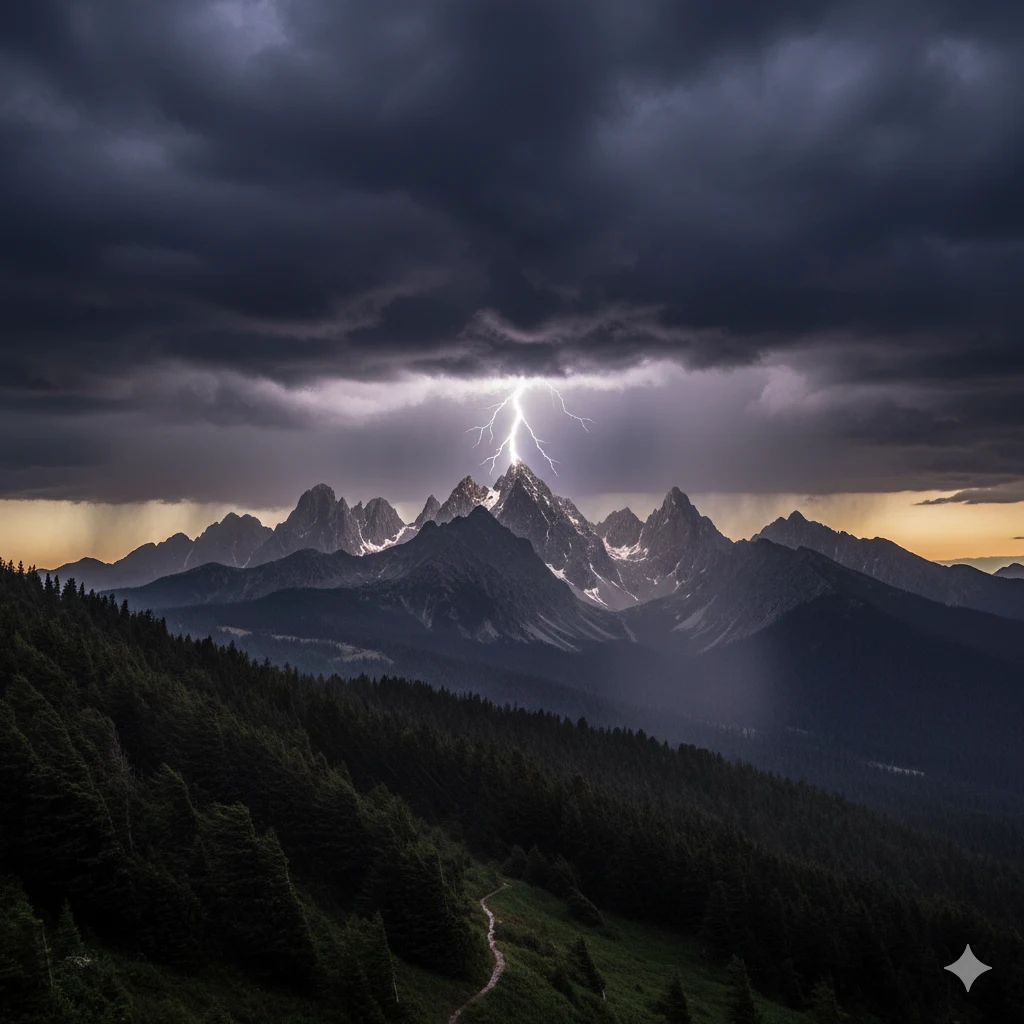
No part of hiking weather basics demands more respect than lightning safety. Lightning is one of the most serious and underestimated weather hazards for outdoor adventurers.Understanding how lightning behaves and responding correctly can be the difference between life and death on an exposed ridge.
When Lightning Threatens
The 30-30 rule is your foundation: if you hear thunder, lightning is already close enough to strike you. Count the seconds between the flash and the thunder and divide by five to estimate the distance in miles. If that gap is 30 seconds or less, you are in immediate danger. Do not wait for rain to start lightning can strike 10 miles from visible rainfall.
High-Risk Locations to Avoid
The most dangerous places during a lightning storm are mountain peaks and ridgelines, open fields and meadows, isolated tall trees, areas near metal fences or structures, and bodies of water. If your planned route crosses any of these during a storm window, reconsider the hike entirely.
What to Do When Caught in a Lightning Storm
Descend from peaks and ridges immediately height equals vulnerability. Move to low-lying areas well away from any tall, isolated objects. If you cannot reach shelter, crouch low with your feet together to minimize your ground contact, but do not lie flat. Stay well away from metal gear. Once the storm passes, wait a full 30 minutes after the last thunder before resuming your hike.
Rain and Precipitation Hazards
Mastering hiking weather basics means preparing for rain before a single drop falls. Rain fundamentally transforms trail conditions and introduces several overlapping hazards. A trail that was safe and enjoyable in dry conditions can become treacherous within minutes of a rainstorm.
Preparing Before Rain Starts
Put on your rain gear before you get wet not after. Cover your backpack with a rain cover, store electronics in waterproof bags, and identify shelter points along your route before you need them. Reactive rain gear management costs you warmth and comfort you cannot easily recover on the trail.
How Rain Changes Trail Conditions
Rocks, roots, and log bridges become extremely slippery within seconds of getting wet. Muddy trails slow your pace and increase fatigue. Stream crossings that were simple in dry conditions can become dangerous or impassable after rainfall. Flash flood risk spikes dramatically in canyon and valley terrain if you are in a slot canyon or narrow ravine when rain starts upstream, move to high ground immediately without waiting to see rising water. Our first day hike checklist includes a pre-rain gear audit to ensure you are properly prepared before hitting the trail.
Hypothermia Risk in Rain
Hypothermia is not only a winter hazard. Wet conditions combined with wind can cause hypothermia even at temperatures as mild as 50°F. If you get soaked, your priority is changing into dry clothing as fast as possible. Early warning signs include uncontrollable shivering, confusion, poor coordination, and unusual fatigue. Do not dismiss shivering as minor it is your body’s alarm system signaling a medical emergency in progress.
Wind Conditions and Speed Guidelines
In any hiking weather basics framework, wind deserves its own category of respect. Strong winds create multiple, simultaneous challenges on the trail physical balance issues, amplified cold, dehydration, and falling hazard from branches. Knowing wind thresholds helps you make informed go/no-go decisions before you reach exposed terrain.
As a practical framework: winds under 10 mph have minimal hiking impact; 10–20 mph are noticeable and require wind chill planning; 20–30 mph make exposed sections genuinely difficult and challenge balance on narrow paths; anything over 30 mph warrants serious consideration of postponing, especially for any route crossing ridges or summits above treeline.
Beyond balance, high wind increases dehydration through moisture loss from your respiratory system drink more water than you think you need on windy days. In forested areas, falling branches become an underappreciated injury risk during gusts above 20 mph.
Seasonal Hiking Weather Basics: What Changes Each Season
The hiking weather basics that apply in July look very different from those in November. Each season brings its own character of weather risk, and matching your preparation to the season dramatically improves your safety and enjoyment on the trail.
Spring Hiking Weather
Spring delivers some of the most variable conditions of the year sometimes shifting dramatically from hour to hour. Snow remains possible at higher elevations well into May or June in many mountain ranges. Afternoon storms are common across the American West and Appalachians. Trails at lower elevations are often muddy from snowmelt, which slows travel times and demands waterproof footwear.
Summer Hiking Weather
Summer’s primary hazards are afternoon thunderstorms and heat. In mountain environments particularly the Rockies and Sierra Nevada storms reliably develop in the afternoon as surface heat builds. The solution is simple but non-negotiable: start early, turn around by noon if above treeline, and save your post-hike relaxation for the afternoon. Heat exhaustion and dehydration risk increases sharply in exposed desert terrain during summer months.
Fall Hiking Weather
Fall offers more stable weather than spring, but brings its own challenges. Shorter days mean earlier sunset deadlines for your turnaround time. Temperatures drop quickly after the sun sets, and early-season snow arrives at elevation with little warning. Build conservative buffer time into your fall itineraries.
Winter Hiking Weather
Winter hiking demands a different mindset entirely. Extreme temperature swings are common, daylight is severely limited, and the consequences of navigation errors or gear failure are far more serious. Hypothermia and frostbite become genuine threats even on short excursions. Many winter trails require snowshoes, crampons, or other specialized equipment. Read our in-depth winter hiking and cold weather safety guide before venturing out in cold months.
For guidance on dressing appropriately across all seasons, the REI expert advice on hiking clothing is an excellent, thoroughly researched resource.
Mountain Weather Specifics
Perhaps the most complex aspect of hiking weather basics is understanding mountain microclimates. Mountains generate conditions that can be dramatically different from surrounding lowland conditions. This is not a minor variation mountain weather can shift from calm and sunny to dangerous within 20 minutes, and forecasts written for nearby cities often fail to capture this volatility.
Why Mountain Weather Behaves Differently
Orographic lift the process by which air is forced upward over mountain terrain causes rapid cloud formation and storm development that simply does not happen in valleys. Temperature and wind speeds are more extreme at elevation, and afternoon thunderstorms are a consistent daily pattern during summer months across virtually every major mountain range in North America.
The Morning vs. Afternoon Rule
Mountains are almost universally calmer and clearer in the early morning hours. Clouds begin building through late morning as surface heating increases, and storms are most likely to develop between 1:00 and 5:00 PM. The practical rule for any exposed summit or ridge objective: plan to summit and begin your descent no later than late morning. This single habit eliminates the majority of lightning risk for mountain hikers. The National Park Service hiking safety guidance reinforces this timing recommendation for all mountain terrain.
When to Cancel or Postpone Your Hike
Applying your hiking weather basics knowledge confidently means knowing when not to hike. The ability to make a confident turn-back or postponement decision is one of the hallmarks of an experienced hiker. No summit view, no milestone birthday hike, and no trip-planning investment is worth your safety.
Red Flag Conditions That Require Postponement
Cancel or reschedule your hike when any of the following apply: a thunderstorm forecast during your hiking window, severe weather warnings for the area, high wind warnings especially above treeline, flash flood watches for canyon or valley terrain, heat advisories in exposed areas without reliable water sources, or winter storm warnings for your planned route.
Making the Decision
When in genuine doubt, choose caution. The mountain will be there next week, next month, and next year. The trail conditions that exist today will exist again. Practicing conservative decision-making is not a sign of weakness it is the defining habit of hikers who survive to accumulate decades of experience. Building your emergency preparedness habits for hiking includes knowing your personal turn-back criteria before you ever reach the trailhead.
Reading Hiking Weather Basics While on the Trail
Even with perfect pre-hike forecasting, conditions evolve during a hike and require ongoing observation. Putting your hiking weather basics to work in real time means staying alert to the sky throughout your entire outing.. The most dangerous hikers are those who stop paying attention to the sky once they are moving.
Warning Signs to Watch For
Key signals that conditions are deteriorating include rapidly building clouds (especially vertical growth in cumulus), sudden temperature drops unrelated to shade, increasing wind speed, any distant thunder even if it sounds faint, a darkening sky to the west or southwest, and an often-overlooked danger static electricity causing your hair to stand up or creating a buzzing sensation in metal gear. That last sign means a lightning strike is imminent and you must take cover immediately.
How to Respond on the Trail
Stop and reassess conditions every 30–45 minutes on any hike where weather is a variable. At the first sign of threatening weather, begin your descent from exposed terrain. Do not wait until conditions become severe by then, your exit options may be limited. Find shelter and wait out storms safely before resuming.
Building Long-Term Hiking Weather Basics Knowledge
Deepening your hiking weather basics knowledge is a lifelong process that compounds with every outing. Real weather competence develops over years of observation and deliberate practice. You can accelerate the process by studying cloud formations regularly even on non-hiking days keeping a hiking journal that logs the weather conditions you observe and how they matched forecasts, learning the specific seasonal patterns of your local mountains, taking a basic meteorology course, and talking with experienced local hikers about the weather patterns they have learned to recognize.
Conclusion
Mastering hiking weather basics transforms you from a reactive hiker into a prepared one. Check detailed, elevation-specific forecasts before every outing, learn to identify cloud types and their implications, know your personal thresholds for turning back, and never discount what the sky is telling you. Weather knowledge keeps you safe, comfortable, and confident on any trail and the investment you make in learning it pays dividends on every hike you ever take.
Keep Learning
Frequently Asked Questions About Hiking Weather
How accurate are weather forecasts for hiking areas?
Weather forecasts become less accurate for specific locations and times beyond 3–5 days. Hourly forecasts for the next 24–48 hours are the most reliable window. Mountain weather is particularly unpredictable treat forecasts as informed guidelines rather than certainties, and always check multiple sources. Using elevation-specific services like Mountain-Forecast.com alongside the National Weather Service gives you the best picture available.
What should I do if caught in a thunderstorm on the trail?
Get off peaks and ridges immediately. Move away from isolated tall trees and metal objects. Find a low spot or a dense area of uniformly sized trees. Crouch low with your feet together to minimize ground contact, but do not lie flat. Wait at least 30 minutes after the last thunder before resuming your hike. If your car or a solid building is within reach, head there immediately it is by far the safest option.
How much does weather really change with elevation?
Temperature drops roughly 3–5°F per 1,000 feet of elevation gained that is about 1.7–2.8°C per 300 meters. A comfortable 70°F valley can become a cold, windy 45°F at 5,000 feet higher. Wind speeds often increase dramatically with elevation, compounding the wind chill effect. Weather also changes more rapidly at elevation, with storms developing and intensifying far faster than in the lowlands below. Always use elevation-specific forecasts.
Is it safe to hike in light rain?
Light rain itself is not inherently dangerous if you are properly equipped with rain gear and layered clothing. However, rain makes trails slippery, reduces visibility, and increases hypothermia risk if you get wet. The main concern is that light rain can intensify without much warning. Monitor sky conditions constantly, ensure your rain gear is on before you get wet, and be ready to turn back if rain intensifies or thunder develops.
What are the best weather resources for hiking?
Your hiking weather basics toolkit should include the National Weather Service at weather.gov for detailed hourly forecasts, Mountain-Forecast.com for elevation-specific predictions, and NOAA weather radio for real-time audio updates. For the highest-stakes hikes, cross-reference at least two sources. Avoid relying solely on general consumer weather apps, which typically reflect city-level forecasts and miss the dramatic variations that occur at elevation.
What is the best time of day to hike in summer to avoid storms?
One of the most actionable hiking weather basics rules for summer is this: start at or before sunrise and plan to be descending from any exposed terrain by late morning. In mountain environments, thunderstorms most commonly develop between 1:00 and 5:00 PM as the day’s accumulated heat builds. The early morning window is reliably the safest time: skies are clearest, temperatures are coolest, and storm development is minimal. This single habit removes the majority of lightning risk from summer mountain hiking.



No comments yet. Be the first to share your thoughts.