
Ultimate Trekking Packing Checklist for Multi-Day Hikes
A complete trekking packing checklist is the difference between a trip that flows effortlessly and one filled with regret over forgotten gear. Unlike a day hike where you return home each evening, trekking demands that you carry everything shelter, food, clothing, and safety equipment for consecutive days in the backcountry. This guide walks you through every item you need, organized by category, so you can pack efficiently, manage your weight, and hit the trail with full confidence.
Every section of this trekking packing checklist is designed with that goal in mind.
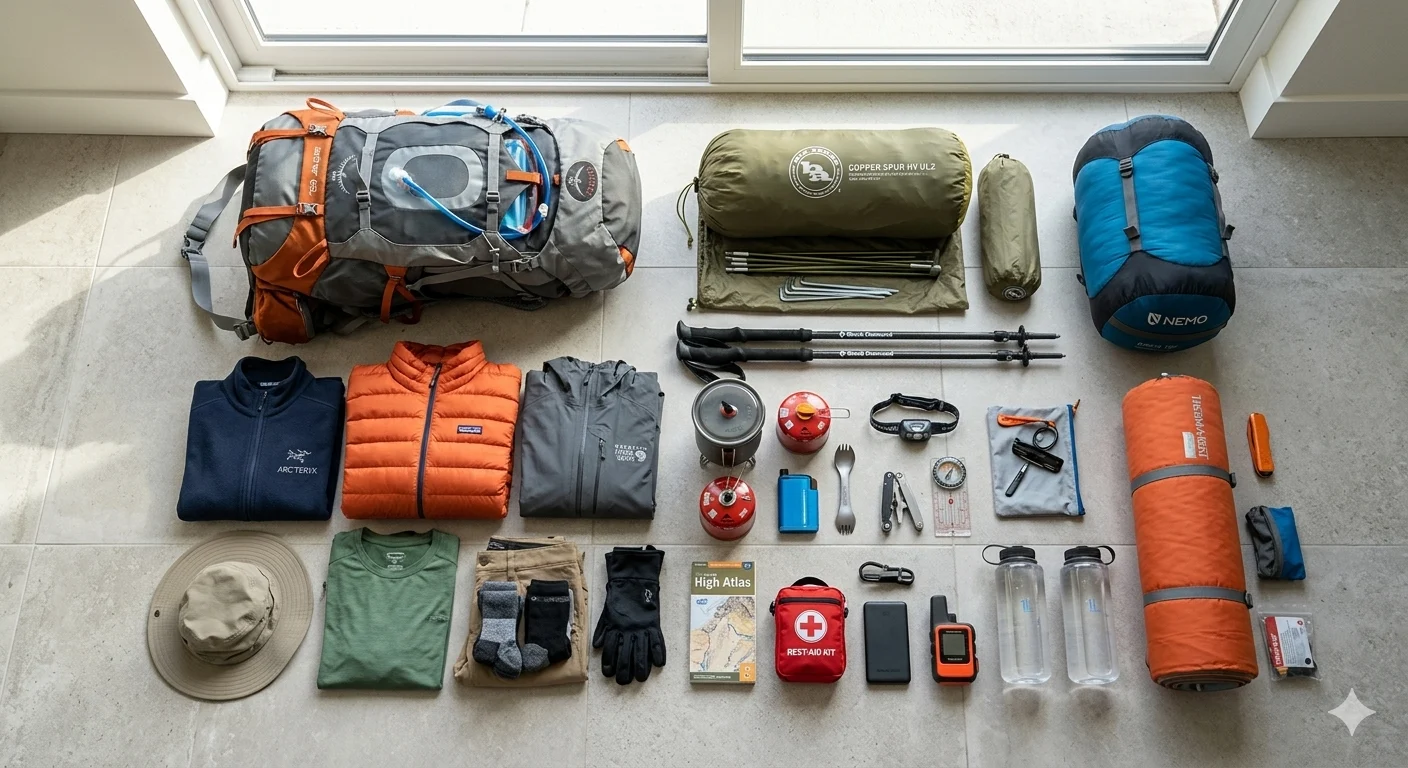
The Big Three: Core Shelter System
Your shelter system tent, sleep setup, and backpack typically accounts for half your total pack weight. Choosing quality, lightweight versions of these three items is the single most effective way to keep your load manageable on long treks.
Shelter
- Tent, tarp, or hammock system suited to your terrain
- Footprint or ground cloth to protect the tent floor
- Extra tent stakes for hard or rocky ground
- Repair kit for tent poles and fabric
Sleep System
- Sleeping bag rated for expected overnight temperatures
- Sleeping pad with an appropriate R-value for insulation
- Repair kit if using an inflatable pad
- Sleeping bag liner for added warmth (optional)
- Lightweight pillow or a stuff sack filled with clothing
For help choosing the right temperature rating, see REI’s sleeping bag buying guide.
Backpack
- Pack sized for trip length typically 50 to 70 liters
- Rain cover or waterproof pack liner
- Dry bags or stuff sacks for internal organization
- Compression sacks for sleeping bag and bulky clothing
For more guidance on selecting the right gear before your first outing, see our article on how to prepare for your first trek.
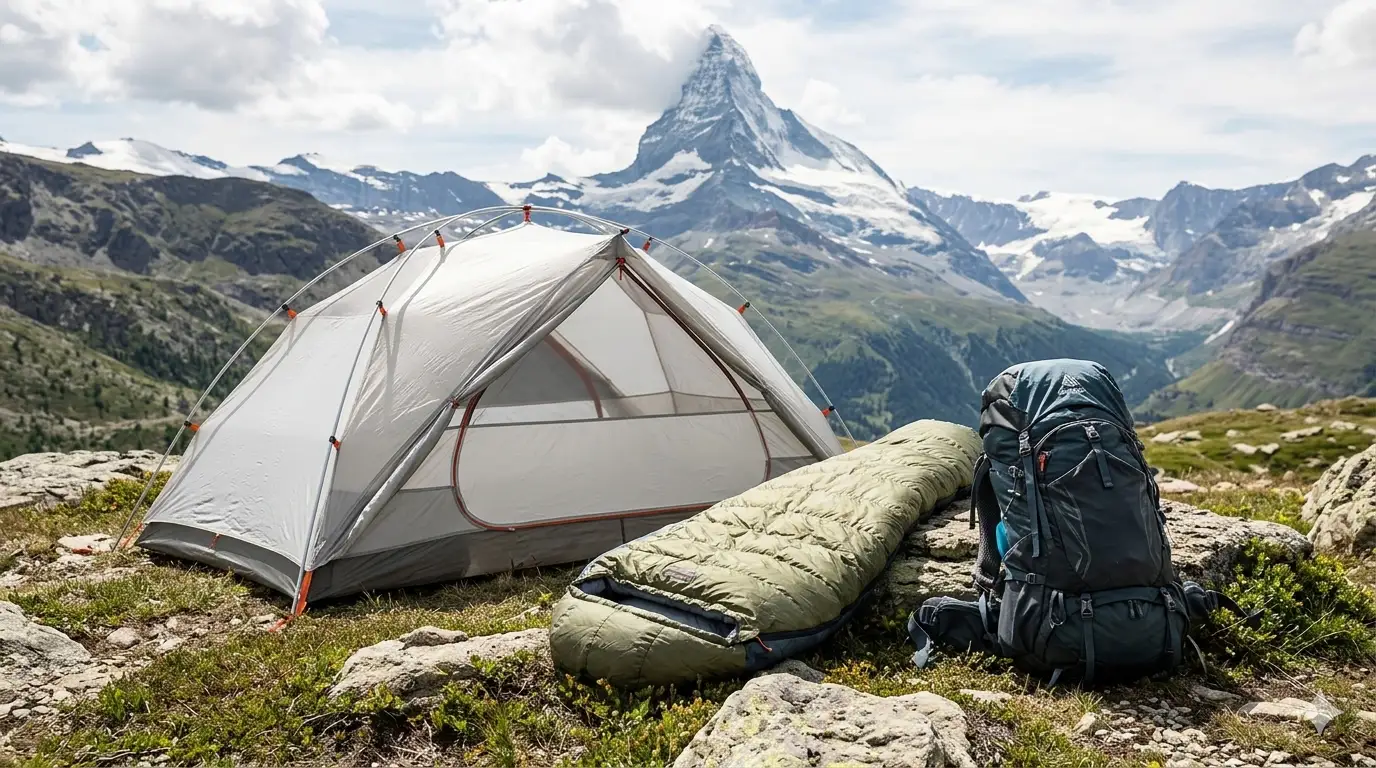
Clothing Layers
Effective trekking clothing is built on a layering system. Rather than packing for individual weather conditions, choose versatile pieces that can be combined or removed to handle anything from warm afternoons to cold mountain nights all without exceeding a reasonable clothing weight.
Base Layers
- 2–3 moisture-wicking shirts (avoid cotton)
- 1–2 pairs of hiking or convertible pants
- 2–3 pairs of underwear
- 3–4 pairs of wool or synthetic hiking socks
- Liner socks for blister prevention (optional)
Insulation Layers
- Fleece jacket or insulated mid-layer
- Down or synthetic puffy jacket
- Long underwear top and bottom for cold conditions
Outer Layers
- Waterproof rain jacket
- Rain pants or waterproof shell pants
- Windbreaker if your rain jacket is not wind-resistant
Accessories and Footwear
Accessories protect you from sun, wind, and cold without adding meaningful weight. For footwear, always prioritize boots that have been fully broken in before departure blisters on day one can ruin an entire trek.
- Warm hat or beanie and sun hat or cap
- Gloves or mittens and a buff or neck gaiter
- Sunglasses with UV protection
- Broken-in hiking boots or trail shoes
- Lightweight camp sandals or slip-ons
- Gaiters for wet, muddy, or snowy conditions
Cooking Equipment and Food
Food is fuel, and getting the food section of your trekking packing checklist right has a direct impact on your energy, mood, and safety. Prioritize calorie-dense, lightweight options and carry a reliable cooking setup that won’t let you down in the field.
Cooking Equipment
- Backpacking stove with adequate fuel for your trip length
- Lighter and waterproof backup matches
- Cooking pot with a 1–2 liter capacity
- Spork or compact utensil set
- Bowl or insulated mug
- Pot scrubber and biodegradable soap
Food Planning
A practical rule is to pack 1.5 to 2 pounds of food per person per day. For a 3-day trek, that means roughly 4.5 to 6 pounds total. Focus on high-calorie-per-ounce foods nuts, nut butter, dried fruit, chocolate, and freeze-dried meals are trekking staples. Always include at least one extra day’s worth of emergency food. Under-packing food to save weight is a mistake that makes both the physical and mental demands of trekking significantly harder.
- Breakfasts: oatmeal, granola, or bars
- Lunches and snacks: trail mix, jerky, crackers, hard cheese
- Dinners: freeze-dried meals, pasta, or rice dishes
- Condiments: salt, spices, instant coffee, or tea
- One extra emergency meal per person
Water and Purification
- Water bottles or hydration bladder at least 2 to 3 liters of capacity
- Water filter or purification tablets
- Backup purification method
- Collapsible container for gathering water at camp
For detailed meal planning strategies, visit our trekking food planning guide.
The CDC’s backcountry water treatment guide explains when each purification method is most effective.
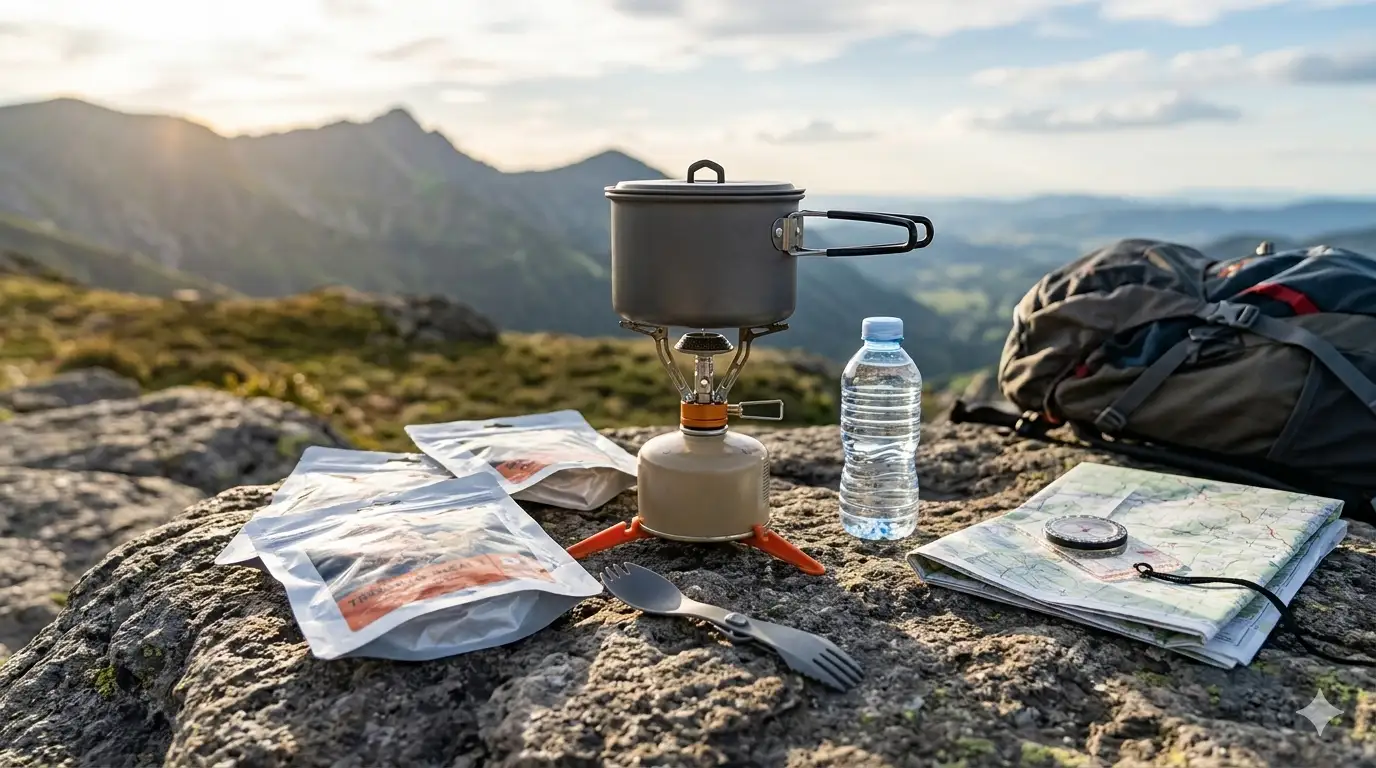
Navigation and Safety Gear for Your Trekking Packing Checklist
Navigation and safety equipment should never be sacrificed when trimming pack weight. Getting lost or injured in a remote area without the right tools can turn an inconvenience into an emergency. Every trekker regardless of experience should carry these items.
Navigation Tools
- Topographic map of your specific route
- Compass
- GPS device or smartphone loaded with offline maps
- Guidebook or written route description
- Small notebook and pen for notes
Emergency and Safety Gear
- First aid kit including blister treatment
- Emergency whistle and signal mirror
- Emergency shelter (space blanket or bivy)
- Fire starter and dry tinder
- Multi-tool or knife
- Headlamp with extra batteries
- Satellite messenger or personal locator beacon for remote routes
Sun and Insect Protection
- Sunscreen (SPF 30 or higher)
- Lip balm with SPF protection
- Insect repellent
- Head bug net for heavily wooded or marshy areas
Personal Items and Hygiene
Staying clean is an area many trekkers overlook when building their trekking packing checklist, but hygiene in the backcountry takes real planning, but keeping it minimal goes a long way. Prioritize biodegradable products and follow Leave No Trace principles when disposing of waste.
Toiletries
- Toothbrush and travel-sized toothpaste
- Biodegradable soap (serves dual purpose for body and dishes)
- Small pack towel
- Toilet paper in a sealed waterproof bag
- Trowel for digging cat holes
- Hand sanitizer
- Personal prescription medications
- Feminine hygiene products as needed
Gear, Documents, and Extras
- Trekking poles optional but highly recommended for descents and river crossings
- Camera or phone for photos and a portable charger
- Repair kit: duct tape, paracord, safety pins
- Trash bags for packing out all waste
- Ziplock bags in various sizes for waterproofing and organization
- Permits, ID, health insurance card, and emergency contact information
- Cash for fees or unexpected situations
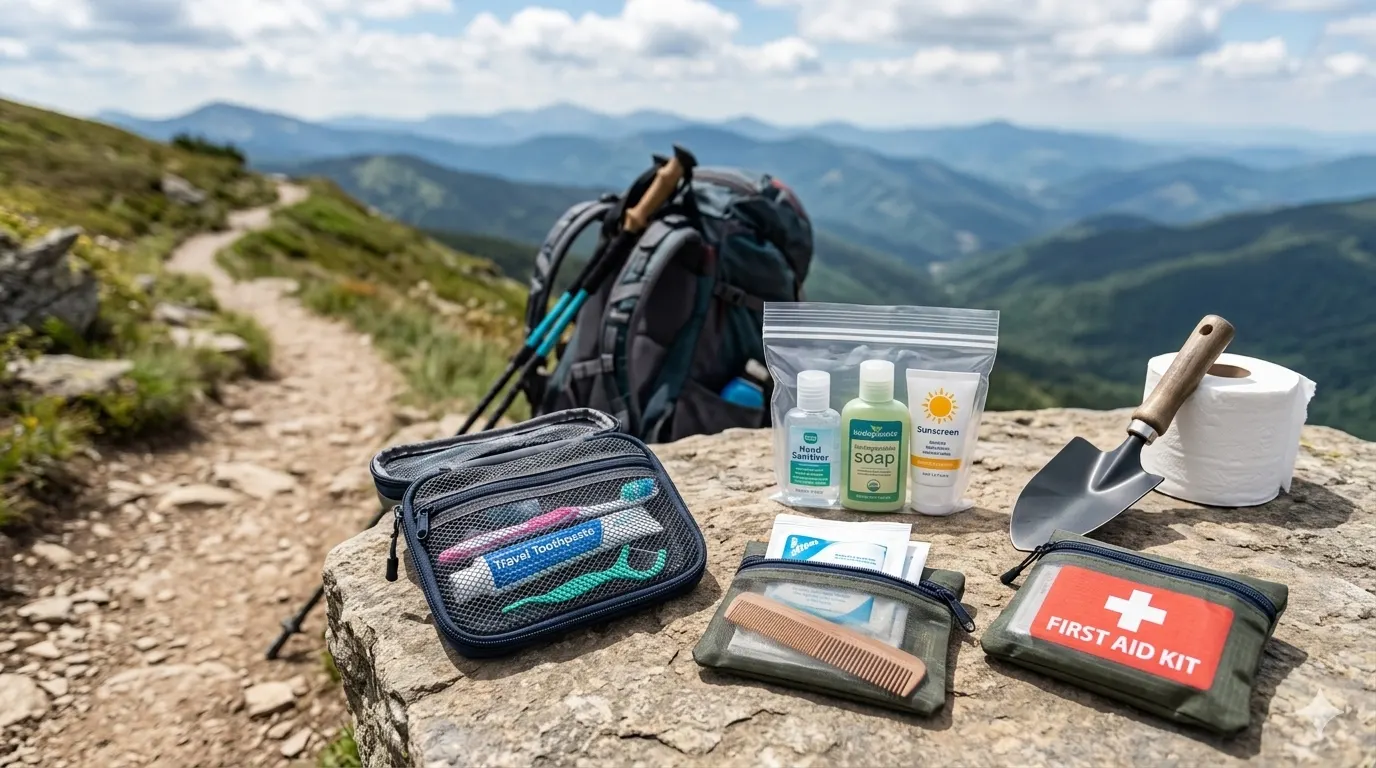
Seasonal Adjustments to Your Trekking Packing Checklist
No single gear list applies to every season. Adjusting your trekking packing checklist based on the time of year and expected conditions is just as important as the checklist itself.
Summer
In summer, heat and sun exposure are the primary concerns. Increase your water-carrying capacity, strengthen your sun protection setup, and swap your sleeping bag for a lighter-rated model. Bug protection also becomes more critical in warm, humid environments.
Spring and Fall
Shoulder seasons bring unpredictable weather. Expect cold nights, possible rain, and rapid temperature changes. Add extra warm layers, upgrade to a warmer sleeping bag, and make sure all critical gear is waterproofed. Hand warmers are a small but worthwhile addition.
Winter (Advanced Trekkers Only)
Winter trekking demands a fully specialized setup. A 4-season tent, a sleeping bag rated to 0°F or lower, a high-R-value insulated pad, and appropriate traction devices like microspikes or crampons are non-negotiable. Winter-specific clothing layers, including insulated and waterproof everything, round out the kit. Do not attempt winter backcountry travel without prior experience and formal training.
To understand how trekking differs from shorter outings, read our article on day hiking vs. trekking explained.
Managing Pack Weight
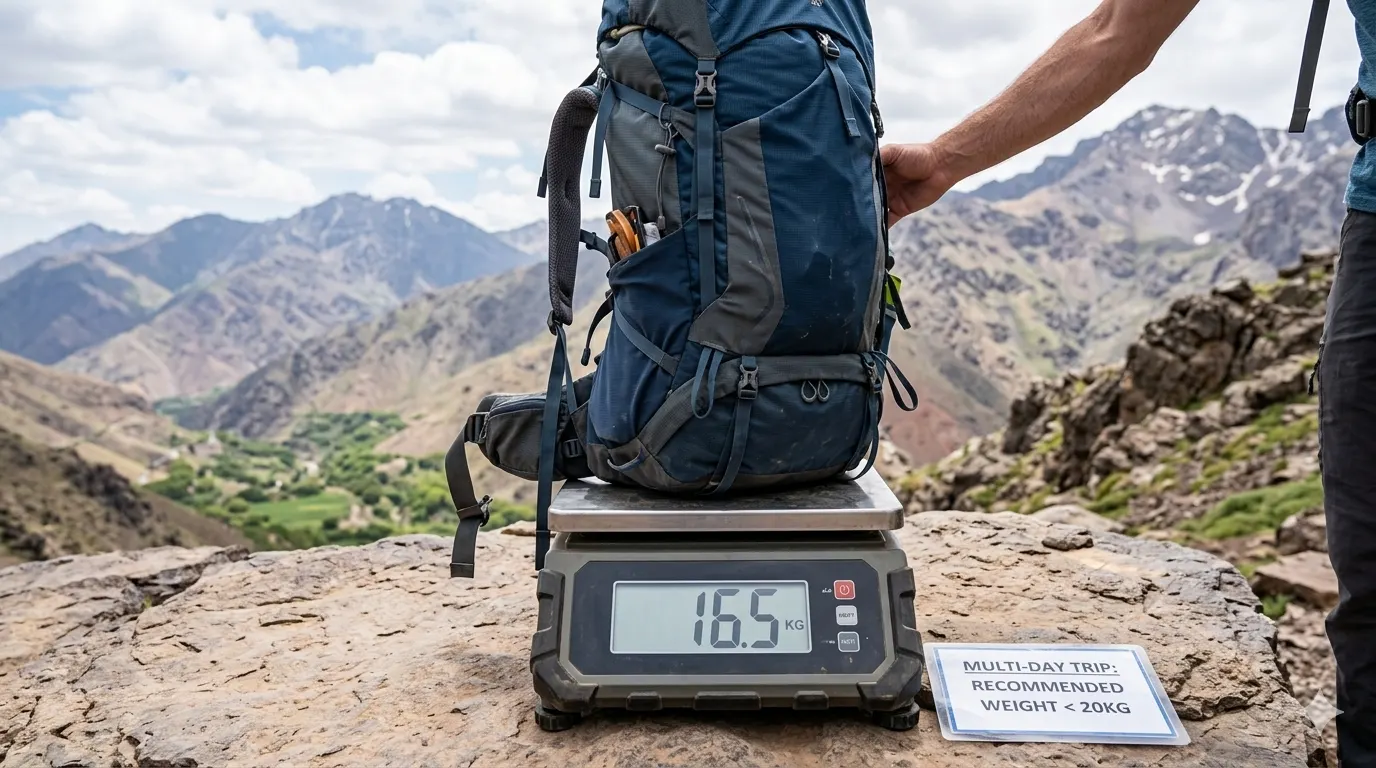
A well-planned trekking packing checklist doesn’t just ensure you have the right gear it keeps your load at a manageable weight. A target base weight (excluding food and water) of under 20 pounds is ideal for most trekkers. With food and water, aim to stay between 25 and 35 pounds total. As a useful benchmark, your fully loaded pack should not exceed 20% of your body weight.
Practical Weight-Saving Tips
Start by investing in lighter versions of your big three items, as these offer the greatest return for the effort. Share group gear like the tent, stove, and water filter with a trekking partner where possible. Repackage food into smaller, lighter containers before you leave home, cut unnecessary tags and packaging, and eliminate duplicate tools. Multi-use items a bandana that doubles as a pot holder, a spork instead of separate cutlery add up quickly.
What You Should Never Cut
Weight savings should never come at the cost of safety. Navigation tools, first aid supplies, water purification, adequate warm layers, and emergency shelter are the items that protect your life. These stay in the pack regardless of what else you decide to leave behind.
The Leave No Trace seven principles also offer guidance on minimizing your impact while staying safe in the backcountry.
How to Organize Your Trekking Packing Checklist Items in Your Pack
Smart packing organization affects both your comfort on the trail and your ability to access gear when you need it. Place your sleeping bag in a waterproof stuff sack at the very bottom of your pack alongside anything that won’t be needed until camp. In the middle core, load the heaviest items food, cooking gear, and extra clothing as close to your back as possible to keep your center of gravity stable. Reserve the top section for items you’ll reach for during the day: rain gear, snacks, sunscreen, and your first aid kit. Use side pockets for water bottles and hip belt pockets for trail snacks so they’re always within reach. Trekking poles can be strapped to the exterior, along with a tent or sleeping pad if needed.
Pre-Trek Checklist: A Three-Stage Review
Using a staged review process before departure ensures nothing gets forgotten and all equipment is in working order.
One Week Before
Lay out every item against your trekking packing checklist and test all equipment. Fire up your stove, inflate your sleeping pad, and check your first aid kit. Review the weather forecast and adjust clothing accordingly. Repackage and organize your food at this stage.
The Night Before
Pack your bag according to the organizational system above. Charge all electronics, fill water bottles, set aside the clothing you’ll wear on departure day, and review permits and route directions.
Morning of Departure
Add any perishable food, top off your water, do a final weather check, and confirm you have keys, wallet, and permits. Most importantly leave a detailed trip plan with an emergency contact before you depart. This single step has saved lives.
Common Trekking Packing Checklist Mistakes to Avoid
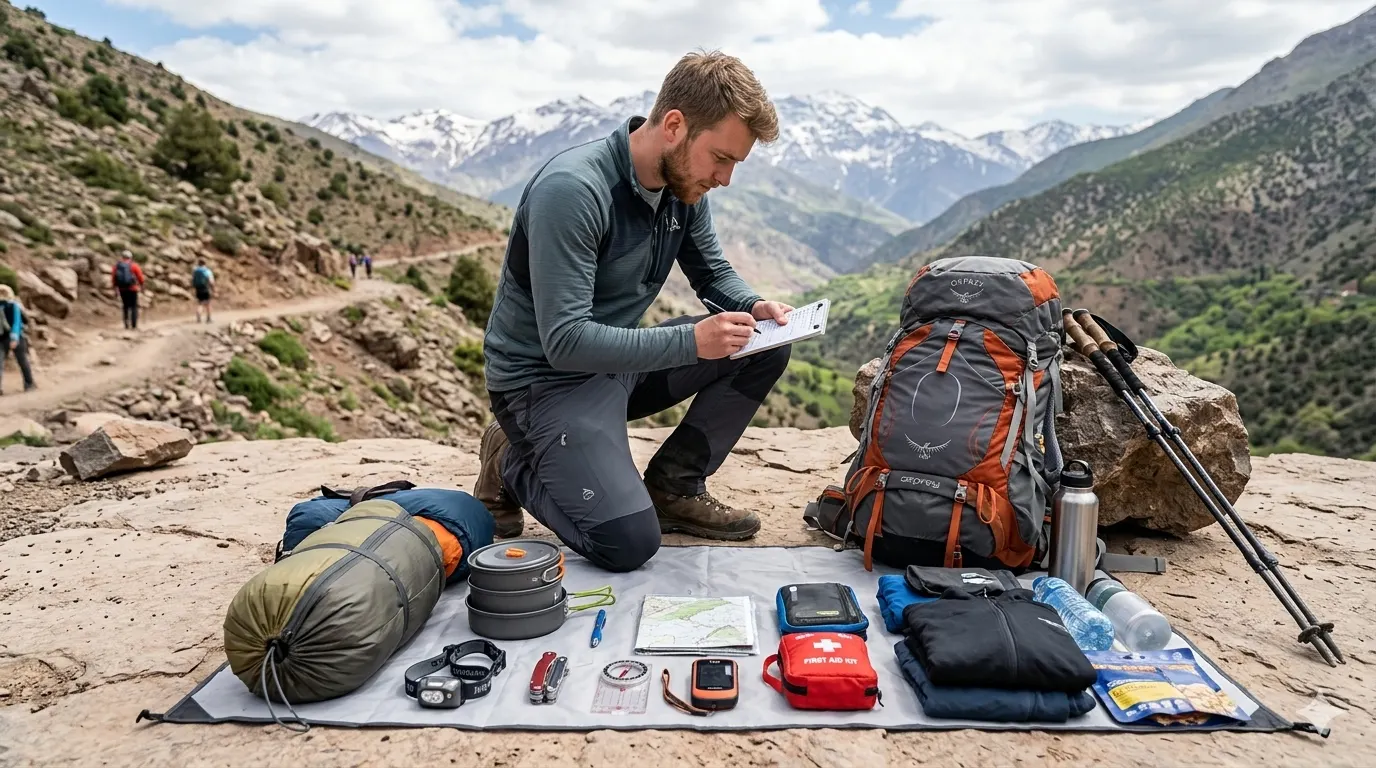
Most packing errors fall into three categories: bringing too much, not bringing enough, or poor organization. First-time trekkers most commonly overpack clothing and underpack warm layers a curious but consistent pattern. Overpacking typically comes from “just in case” items, too many outfit changes, and heavy luxury items that feel essential at home but become burdens on the trail. Underpacking is riskier: insufficient warm layers, not enough food for the trip’s actual duration, and missing safety items are the mistakes that turn uncomfortable treks into dangerous ones. Poor organization not using dry bags, burying frequently needed items, failing to waterproof important gear compounds both problems. Test your fully packed bag at home before every trek to catch issues while you can still fix them.
Conclusion
A well-prepared trekking packing checklist is your most reliable companion before you even set foot on trail. Start with the big three, build your clothing system for the conditions you’ll face, include complete cooking and nutrition supplies, and treat safety gear as non-negotiable. Organize everything strategically in your pack, adjust your list for the season and destination, and run through the pre-departure stages before you leave. With each trek, your packing instincts sharpen but the checklist keeps you honest. Use it every time.
Ready to head out? Print this trekking packing checklist, lay out your gear, and verify every item before your departure date. A few minutes of preparation at home can make the difference between a smooth trek and an avoidable setback in the backcountry.
Frequently Asked Questions About Trekking Packing
How do I know if I’m packing too much?
If your fully loaded pack weighs more than 35 pounds excluding water, you’re likely overpacking for a typical 2 to 4 day trek. Aim for 25 to 30 pounds including food and water. For each item you’re unsure about, ask yourself what the realistic consequence is of leaving it behind if the answer is minor inconvenience rather than safety risk, it can stay home. First-time trekkers most commonly overpack clothing and comfort items. After each trip, note what you didn’t use and remove those items next time.
Can I share gear with my trekking partner to reduce weight?
Yes, and it’s one of the most effective weight-reduction strategies available. The tent, stove, water filter, and cooking equipment are all shareable. One person carries the tent body while the other takes the poles and rainfly; split the stove and fuel between packs. However, each person should carry their own sleeping bag and pad, clothing, personal items, food, water, navigation tools, headlamp, and first aid basics both for weight balance and for safety in the event you get separated.
Should I bring new gear on my first trek or test it first?
Always go through your trekking packing checklist with gear you have already tested. Set up your tent in the backyard, cook a meal on your stove at home, and wear your boots on several day hikes to break them in before committing to a multi-day route. New gear frequently has quirks or unexpected issues. Finding these problems at home is a minor inconvenience; discovering them three days into a remote trek can be genuinely dangerous.
How much food should I pack for a 3-day trek?
Plan for 1.5 to 2 pounds of food per person per day, which totals roughly 4.5 to 6 pounds for a 3-day trip. This covers breakfast, lunch, dinner, and snacks for each day plus one emergency meal. Target approximately 2,500 to 3,500 calories per day depending on your body size and exertion level. Prioritize high-calorie-per-ounce foods like nuts, nut butter, dried fruit, and dehydrated meals. Under-packing food to save weight is a false economy hunger makes trekking physically harder and mentally draining.

No comments yet. Be the first to share your thoughts.