
Trekking Safety Tips: Your Complete Guide to Staying Safe on the Trail
Every year, preventable accidents cut short what should have been unforgettable wilderness adventures. The difference between a thrilling multi-day trek and a dangerous situation almost always comes down to one thing: preparation. These essential trekking safety tips will help you plan smarter, react faster, and return home with great stories instead of regrets. Whether you’re heading into the backcountry for the first time or the fiftieth, the fundamentals of wilderness trekking safety never change—only your confidence in applying them does.
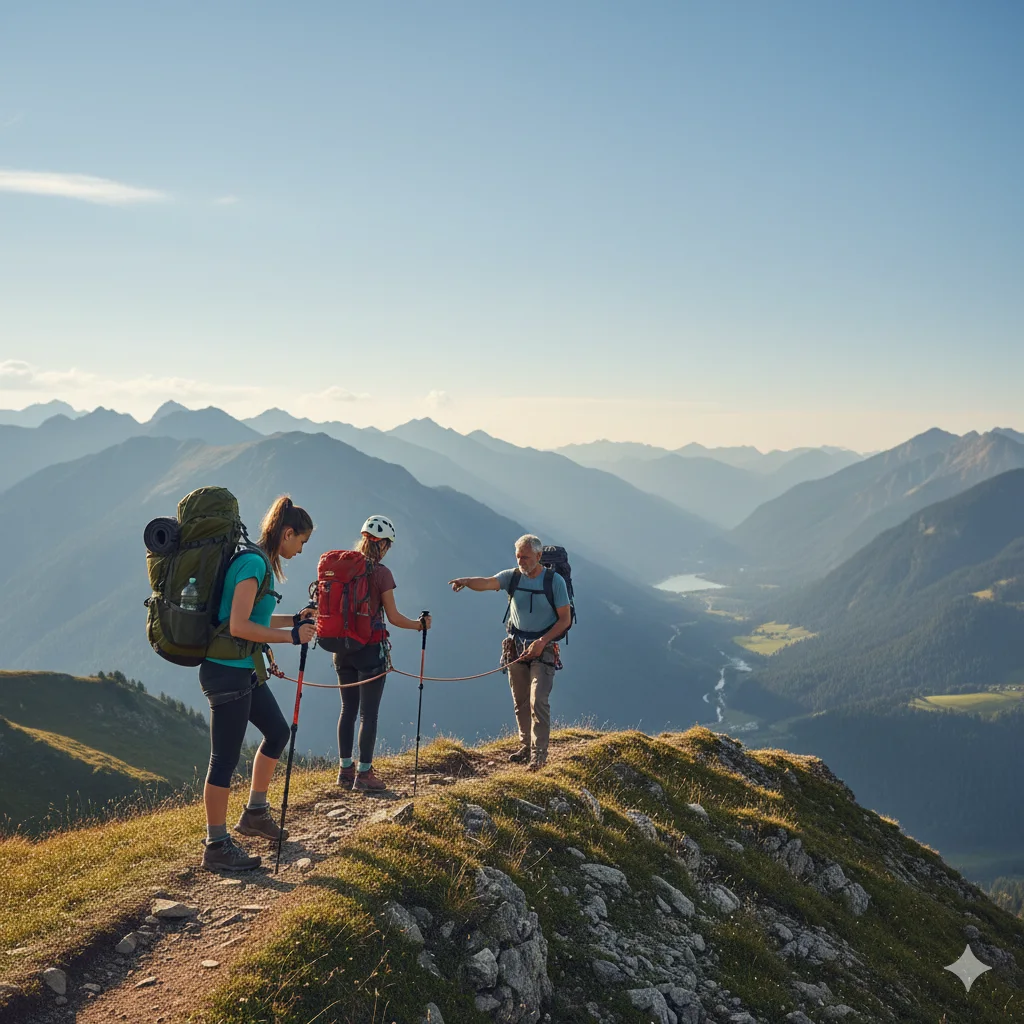
Pre-Trek Planning: The Foundation of Trekking Safety
The most experienced trekkers will tell you that safety begins at home, not on the trail. Thorough pre-trek planning is the single most effective trekking safety tip you can follow, because it prevents the majority of emergencies before they ever have a chance to develop. Following trekking safety tips for beginners is just as valuable for seasoned hikers—conditions change, and complacency is dangerous at any experience level.
Route Research and Planning
Start by studying detailed topographic maps and elevation profiles of your entire route. Read recent trip reports to understand current trail conditions—a path that was straightforward six months ago may now have washed-out sections or missing bridges. Identify all water sources, potential campsites, and—critically—bailout routes you can use if conditions deteriorate. Check permit requirements well in advance, understand the seasonal weather patterns, and note the locations of ranger stations or emergency services along the route. Build a realistic daily itinerary that includes buffer time for the unexpected.
File a Detailed Trip Plan
One of the most underused yet powerful trekking safety tips is the simple act of leaving a trip plan with a responsible person before you depart. This plan should include your detailed route map, daily camping locations, expected return date, emergency contact numbers, and—most importantly—clear instructions on what to do and when to call for help if you don’t check in. If you change your route on the trail, update your contact person as soon as you have signal. This one step has saved lives.
Physical and Mental Preparation
Complete appropriate fitness training well before your departure date, and practice with all your gear on shorter day hikes. Learning wilderness first aid skills and basic navigation techniques should be considered non-negotiable for anyone venturing into remote terrain. Equally important is mental preparation—understanding that you will face discomfort, fatigue, and unexpected challenges, and committing in advance to making safety-first decisions even when ego pushes back.
Build your foundational knowledge with our beginner trekking safety guide.
Essential Trekking Safety Gear You Must Carry
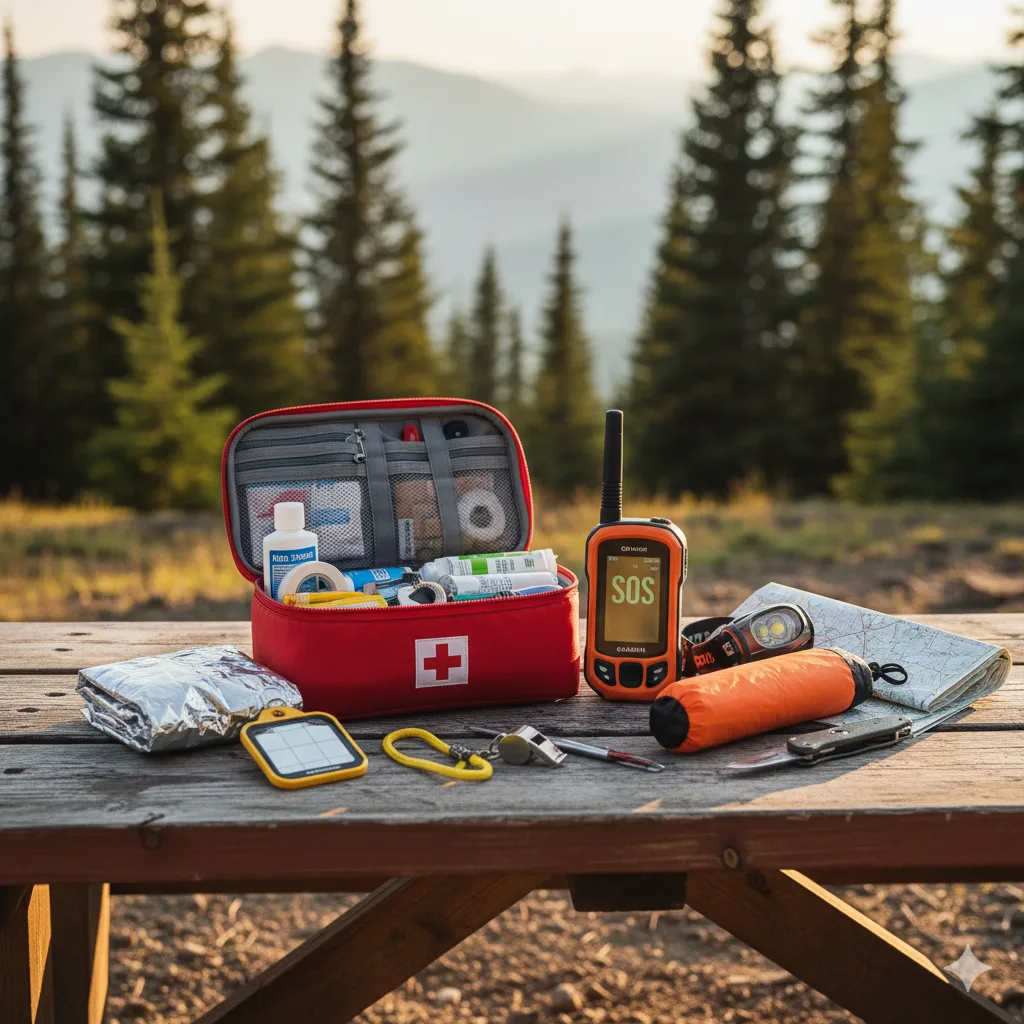
Carrying the right trekking emergency gear is not optional—it is the physical expression of every safety plan you’ve made. When things go wrong in the wilderness, which they sometimes will regardless of how well you’ve prepared, your gear is what keeps a bad situation from becoming a catastrophic one. Don’t make compromises on items that could save your life.
Navigation Tools
Carry detailed topographic maps of your entire route alongside a reliable compass with adjustable declination—and know how to use both without relying on battery power. A GPS device with extra batteries provides an important backup layer, and a smartphone with offline maps downloaded can serve as an additional reference. Bring a portable battery pack kept fully charged. The key word here is redundancy: no single navigation tool should be your only option.
Emergency Communication Devices
In terms of wilderness trekking safety, a satellite messenger or personal locator beacon (PLB) may be the most important item in your pack after water. These devices allow you to send an SOS signal from anywhere on Earth, even where there is no cell coverage. Pair this with an emergency whistle clipped to the outside of your pack, a signal mirror for daytime visibility, and your fully charged phone stored in a waterproof case. Always know how to activate your emergency devices before you need them—reading the manual for the first time during a crisis is not a trekking safety tip anyone wants to learn the hard way.
First Aid and Emergency Supplies
A comprehensive wilderness first aid kit should include blister treatment, wound care, splinting materials, and any personal medications with a generous backup supply. Carry an emergency shelter such as a space blanket or bivy sack, fire-starting materials (matches, lighter, and ferro rod for redundancy), a headlamp with extra batteries, a multi-tool or knife, and a repair kit with duct tape, gear patches, and paracord. These items collectively cover the most common and most serious scenarios you’re likely to face.
Water Safety and Hydration on Multi-Day Treks
Dehydration is one of the most common—and most preventable—causes of deteriorating performance and judgment on long treks. Your body needs a minimum of 3–4 liters of water per day in moderate conditions, and significantly more at high elevation or in hot weather. Rather than drinking large amounts at rest stops, sip consistently throughout the day and monitor your urine color as a simple hydration check: pale yellow means you’re well-hydrated; dark yellow is a warning sign.
Every water source in the backcountry should be considered potentially contaminated. Purify all water using a reliable filter or purification system, and carry backup purification tablets in case your primary method fails. Before departing, map out all water sources along your route and plan for sections where water may be scarce. Proper water management is a core element of any sound set of trekking safety tips, and neglecting it is one of the most common mistakes trekkers make on longer routes.
Weather Monitoring: A Critical Trekking Safety Tip
Mountain weather can change from clear skies to dangerous conditions within an hour. Consistent weather monitoring is not just a good idea—it is a fundamental trekking safety tip that should guide your decisions every single day on the trail.
Staying Ahead of the Weather
Check detailed forecasts before departure and learn to read the signs the sky gives you while you’re moving. Dark, rapidly building cumulus clouds in the afternoon are a classic warning of incoming thunderstorms in many mountain regions. Wind direction shifts and dropping temperatures often precede weather deterioration. Understand the seasonal weather risks specific to your destination, and be mentally prepared to adjust your plans—or stop entirely—based on what you observe.
Responding to Dangerous Weather
If a storm approaches, set up camp early rather than pushing to reach your planned destination. In lightning, get off exposed ridges and peaks immediately and avoid lone trees, bodies of water, and cave entrances. Add clothing layers before you feel cold, not after. And perhaps most importantly: be willing to take unplanned rest days. A lost day on a trek is infinitely better than a life-threatening situation caused by pushing through dangerous conditions.
Learn more in our hiking weather basics guide.
Navigation and Route Finding for Safe Trekking
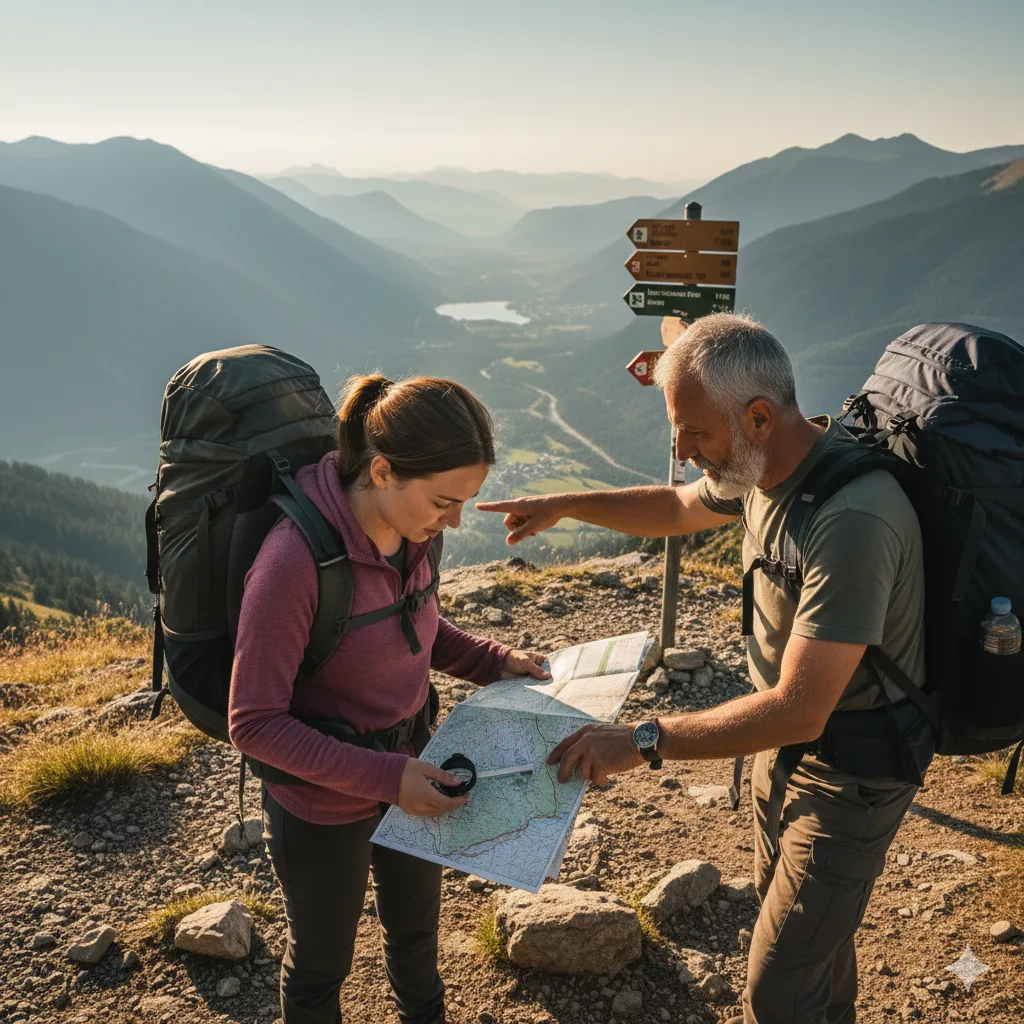
Getting lost in a remote area is one of the most serious—and most avoidable—situations a trekker can face. Strong navigation skills and consistent positional awareness are not advanced techniques reserved for mountaineers; they are basic trekking safety tips every trail user should practice.
Staying on Route
Make it a habit to check your map and GPS position frequently, not just when you feel uncertain. Follow trail markers and cairns carefully, and stop at every junction to verify your direction before proceeding. Take photos of trail signs at key forks as a quick reference you can pull up without unfolding a map. Pay attention to terrain features around you—a ridge, a river bend, a valley—and regularly cross-reference them with your map to build a continuous mental picture of your location.
If You Get Lost
The moment you realize you may be off-route, stop. Continuing to move when you’re uncertain only compounds the problem. Stay calm, sit down, and systematically study your map to identify landmarks around you. If you can confidently backtrack to your last known position, do so. If you are completely disoriented, staying put is generally safer than wandering—it makes it far easier for rescuers to find you. Make yourself visible and audible, and if the situation warrants it, activate your emergency communication device.
Wildlife Safety on the Trail
Wildlife encounters are part of what makes trekking extraordinary, but they require knowledge and respect. The most important wildlife trekking safety tip is also the simplest: give animals space, store your food properly, and never feed or approach wildlife under any circumstances.
Make consistent noise while hiking—talking, clapping, or using a bear bell—to avoid startling animals at close range. Use bear canisters or hang food at least 200 feet from your sleeping area in bear country, and always carry bear spray and know how to deploy it. If you encounter a bear, remain calm, make yourself appear large, speak in a firm low voice, and back away slowly. Running triggers a chase response—never do it. Know which dangerous animals are present in your specific trekking region before you go, as the appropriate response varies significantly between species.
Group Safety Dynamics While Trekking
Trekking with others dramatically increases your margin of safety, particularly in remote terrain. A group can share decision-making, provide first aid, and go for help while others stay with an injured person—all capabilities that a solo trekker simply doesn’t have. Good group management, however, requires intentional effort.
Never allow group members to spread out beyond visual or audible contact, especially in poor weather or technical terrain. Designate a sweep person at the back to ensure no one falls behind unnoticed, and match the group’s pace to the slowest member rather than the fastest. Each morning, discuss the day’s plan together and encourage every member to voice concerns or physical issues. Establishing clear emergency signals and ensuring everyone carries emergency contact information are trekking safety tips that take two minutes and can make all the difference.
Recognizing and Responding to Emergencies
Knowing how to recognize a medical emergency and respond appropriately is one of the most valuable trekking safety skills you can develop. Learn to identify the early symptoms of altitude sickness—headache, nausea, dizziness, and fatigue at elevation—and understand that the only reliable treatment is descent. Watch for signs of hypothermia (uncontrolled shivering, confusion, slurred speech) and heat exhaustion (heavy sweating, weakness, pale skin) in your group members, not just yourself.
Treat injuries immediately with your first aid kit and assess whether the person can continue with assistance or requires evacuation. If the situation is life-threatening, don’t hesitate—activate your emergency communication device and call for help. The REI wilderness first aid guide is an excellent resource for expanding your emergency response knowledge before any major trek.
Daily Safety Routines That Protect You Every Day
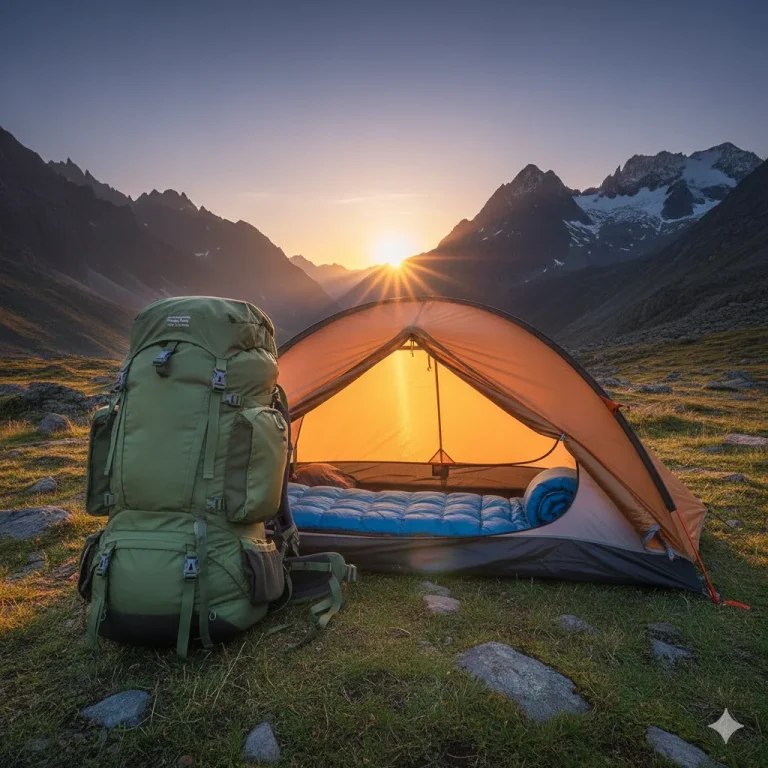
Consistent daily habits are the invisible framework that keeps multi-day treks safe from start to finish. Each morning, check weather conditions and assess whether the day’s plan remains viable. Review your map, ensure all group members are well-hydrated and fed, confirm that emergency gear is accessible at the top of packs rather than buried at the bottom, and establish meeting points for the day’s travel. In the evening, arrive at camp with at least two to three hours of daylight remaining, set up your tent before attending to any other tasks, treat any developing blisters or minor injuries before they worsen, and brief the group on the following day’s plan. These aren’t complicated trekking safety tips—they’re simple routines that dramatically reduce risk through consistency.
Knowing When to Turn Back: The Hardest Trekking Safety Tip
Of all the trekking safety tips in this guide, this is the one that saves the most lives and is followed the least. Turning back is not failure—it is the clearest demonstration of experience and good judgment a trekker can show. Valid reasons to turn back include approaching dangerous weather, a seriously ill or injured group member, falling significantly behind schedule in remote terrain, a route proving far more technically demanding than expected, inadequate water sources ahead, critical equipment failure, or exhaustion that compromises safe movement.
When these signs appear, discuss them openly with your group. Prioritize safety over the summit, the destination, or the itinerary. The trail will be there on another day. Your best tool for making this decision well is planning bailout routes in advance—knowing your exit options before you need them makes the choice to use them far easier in the moment.
Review essential multi-day preparation in our multi-day trekking tips for beginners.
Conclusion: Safe Trekking Means Coming Home
These trekking safety tips exist for one reason: to ensure that every adventure you take ends with you safely back home, ready for the next one. File detailed trip plans before every trek, carry comprehensive trekking emergency gear, monitor weather without complacency, practice strong navigation habits every day on the trail, and trust the instinct that tells you when something isn’t right. Communicate clearly with your group, stay flexible with your plans, and be willing to turn back when conditions demand it. Successful trekking is not measured by how many summits you bag—it’s measured by how consistently you apply wilderness trekking safety practices to bring yourself and your partners home safe. With these principles as your foundation, you can explore some of the most remote and beautiful places on Earth with genuine confidence.
Related Posts
Frequently Asked Questions About Trekking Safety Tips
Should I trek alone or is it safer to go with others?
Trekking with at least one partner significantly increases your safety, especially for beginners. Partners provide critical help in emergencies, share decision-making under pressure, and offer moral support during difficult stretches. Solo trekking carries higher risk and requires excellent skills, experience, and meticulous preparation. Most remote trekking destinations strongly recommend or require groups. Build your experience with partners first, and consider solo trekking only after gaining substantial backcountry confidence.
What is the single most important piece of trekking safety gear?
In truly remote terrain, an emergency communication device—satellite messenger or personal locator beacon (PLB)—is arguably the most critical item you can carry. It allows you to call for help when nothing else works. That said, the best trekking safety tip is that prevention beats rescue: comprehensive preparation, reliable navigation skills, and appropriate clothing and shelter prevent the vast majority of situations where you’d ever need to send an SOS.
How do I know when weather conditions are too dangerous to continue trekking?
Clear danger signs include nearby lightning, fast-approaching severe storms, temperatures dropping to hypothermia risk levels, or visibility too poor to navigate safely. A useful rule: if you’re questioning whether to continue, that uncertainty itself is often a signal to stop. Set up camp early, seek appropriate shelter, or turn back rather than pressing through conditions you’re not sure about. Most weather-related trekking accidents happen when people recognize warning signs and choose to ignore them.
What should I do if someone in my group gets seriously injured on a remote trek?
Immediately provide first aid to stabilize the injured person. Assess whether they can move with assistance or require a full evacuation. If evacuation is necessary, activate your emergency communication device while keeping the person warm, comfortable, and calm. If cell signal is available, call emergency services directly. Stay composed, follow the emergency plan you established before the trek, and avoid leaving an injured person alone unless it is the only way to get help. This is exactly why filing a trip plan—one of the core trekking safety tips—matters so much.



No comments yet. Be the first to share your thoughts.