
What Is Trekking? A Complete Beginner’s Guide
What is trekking? At its core, trekking is a multi-day journey on foot through challenging terrain often in remote mountainous or wilderness areas far from roads and towns. Unlike a casual day hike, trekking means consecutive days of walking, carrying camping gear, and sleeping under the stars or in basic mountain lodges. If you’ve ever looked at a photo of Everest Base Camp or the Inca Trail and thought “I want to do that,” you’re already drawn to trekking. This guide breaks down exactly what trekking involves, how it differs from hiking, and everything you need to know before lacing up your boots for the first time.
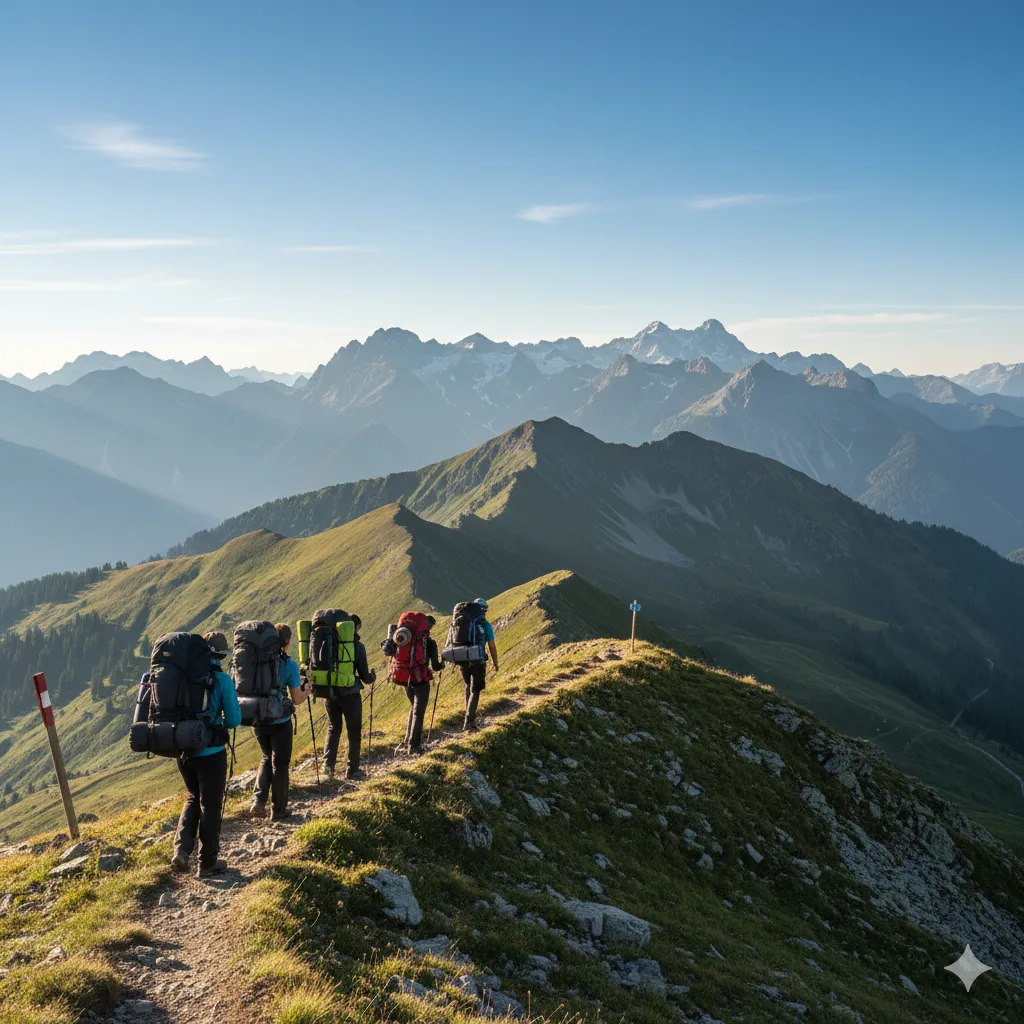
What Is Trekking? Definition and Overview
The trekking definition goes beyond simply walking a long distance. Trekking combines extended physical movement with wilderness exploration and a high degree of self-sufficiency. A typical trek lasts anywhere from 2–3 days to several weeks, covering 8–15 miles per day across terrain that challenges both body and mind. Trekkers camp under canvas or stay in remote mountain huts, carry their own food and supplies, and navigate landscapes rarely touched by roads or infrastructure.
What makes trekking distinct is the immersive experience it creates. You’re not just passing through nature you’re living in it. Each morning you wake to a different view, each afternoon your legs earn the next summit, and each evening the silence of the wilderness replaces the noise of daily life. That depth of experience is what separates trekking from almost every other outdoor activity.
Trekking vs Hiking: Key Differences Explained
Understanding the difference between trekking and hiking is one of the first things beginners ask about and it’s an important distinction. Hiking typically refers to a single-day walk on an established trail, returning home or to your car by nightfall. Trekking, by contrast, unfolds over multiple days, demands overnight stays in the wilderness, and requires significantly more planning, gear, and physical preparation.
In practical terms: a hiker carries a daypack with water and snacks; a trekker carries a 50–70-liter pack with a tent, sleeping bag, food for days, and a cooking system. A hiker can be a complete beginner; trekking requires good baseline fitness and some outdoor skills. The terrain also differs hikes use well-maintained trails, while treks often involve remote, unmarked, or technical paths.
For a detailed breakdown, read our article on the difference between trekking and hiking.

Types of Trekking: Levels for Every Experience
What is trekking like at different skill levels? The answer varies enormously. Trekking spans a wide spectrum from accessible multi-day walks suitable for fit beginners to grueling high-altitude expeditions that demand months of preparation. Choosing the right level for your experience is one of the most important decisions you’ll make before your first trek.
Easy Trekking
Easy treks run 2–4 days on well-marked trails at moderate elevations, covering around 5–8 miles per day. These are ideal for beginners with decent fitness and some day hiking experience. Accommodation is often in mountain lodges or huts, reducing the gear load significantly. Think short sections of New Zealand’s Great Walks or introductory routes in the Swiss Alps.
Moderate Trekking
Moderate treks typically last 5–10 days, involve significant elevation gain and loss, and push daily distances to 8–12 miles. You’ll encounter a mix of established trails and more remote paths, and camping in wilderness areas is common. Good physical fitness and prior overnight backpacking experience are strongly recommended before attempting this level.
Challenging Trekking
At the challenging end of the spectrum, treks run 10+ days through remote, high-altitude, or technically demanding terrain. Daily mileage can exceed 15 miles. These adventures demand excellent fitness, advanced navigation skills, and full self-sufficiency. Routes like the Everest Base Camp Trek or Torres del Paine Circuit fall into this category and require months of dedicated preparation.
Popular Trekking Destinations Around the World
Part of understanding what is trekking is knowing where the world’s greatest routes are. Certain regions have become synonymous with the sport, offering both stunning landscapes and well-developed trekking infrastructure.
International Trekking Regions
Nepal remains the global capital of trekking, home to the Everest Base Camp Trek and the Annapurna Circuit two of the most celebrated multi-day routes on earth. Peru’s Inca Trail to Machu Picchu offers a unique blend of wilderness and ancient history. Patagonia’s Torres del Paine Circuit in Chile is famous for its dramatic granite peaks and unpredictable Patagonian weather. New Zealand’s Milford Track and Routeburn Track are world-class, while Europe’s Tour du Mont Blanc circles the Alps across three countries.
United States Trekking Routes
North America offers equally impressive options. California’s John Muir Trail (211 miles through the Sierra Nevada) is considered one of the finest long-distance routes in the world. Washington’s Wonderland Trail circles Mount Rainier through old-growth forest and glaciated terrain. Vermont’s Long Trail, Colorado’s Colorado Trail, and segments of the Appalachian Trail round out a list of accessible, well-supported US trekking options.
Essential Trekking Skills for Beginners
Gear will only take you so far. Successful trekking demands a set of practical skills that are best built gradually through progressively longer and more challenging outdoor experiences.
Navigation Skills
In remote terrain, navigation can be the difference between a great day and a dangerous one. Every trekker should be comfortable reading topographic maps, using a compass, and operating a GPS device. Equally important is the ability to recognize terrain features ridgelines, drainages, saddles that allow you to confirm your position without technology. Always carry paper maps as a backup, and mark key waypoints before you depart.
Wilderness Skills
Beyond navigation, trekking demands a working knowledge of campcraft: setting up a tent efficiently, cooking with a portable stove, and purifying water from streams and lakes. Weather assessment is critical in mountain environments where conditions can shift from sunny to dangerous within an hour. Familiarize yourself with basic first aid, and commit to Leave No Trace principles to protect the wild places you travel through.
Physical Preparation
Physical readiness is non-negotiable for trekking. Build your base with regular hiking, focusing on leg strength, core stability, and cardiovascular endurance. Train with a loaded backpack on varied terrain hills, uneven surfaces, and consecutive days of walking. Most trekking-specific training plans recommend a 2–3 month build-up phase before your first multi-day route.

Trekking Gear Essentials
What is trekking without the right gear? Simply put miserable and potentially dangerous. Unlike day hiking, trekking requires you to carry your entire life on your back for days at a time. Every item must earn its weight, and every system must work together. Here’s what you actually need.
The Big Four: Shelter, Sleep, and Carry
The foundation of any trekking kit starts with four big-ticket items: a 50–70-liter backpack sized for your torso, a lightweight tent or bivy shelter rated for the conditions you’ll face, a sleeping bag matched to the lowest expected night temperatures, and a sleeping pad for insulation from the cold ground. Getting these four items right makes everything else easier.
Clothing and Footwear
Layering is the trekker’s best friend. Start with moisture-wicking base layers, add insulating mid-layers like a fleece or down jacket, and top it with a waterproof hardshell jacket and pants. Your boots are arguably the most critical item choose well-made hiking boots with solid ankle support, and break them in completely before your trek begins. Multiple pairs of quality hiking socks and a warm hat and gloves complete your clothing system.
Cooking, Hydration, and Safety
A portable camping stove, cooking pot, and lightweight utensils allow you to prepare hot meals and hot drinks essential for morale on long trips. For water, carry a filter or purification tablets and never drink from natural sources untreated. Your safety kit should include detailed maps, a compass, a GPS device, a well-stocked first aid kit, a headlamp with spare batteries, an emergency space blanket, and for remote treks a personal locator beacon (PLB) or satellite communicator.
How to Plan Your First Trekking Trip
Planning is where most beginner trekkers either set themselves up for success or unknowingly create problems. A well-planned trek feels effortless; a poorly planned one turns into a survival exercise.
Choosing Your First Trek
Start conservatively. A 2–3 day trek on a well-marked route with established escape options is the right entry point. Research difficulty ratings honestly and don’t let ambition outpace your actual experience. If you’re unsure, a guided trek removes much of the planning burden while still delivering the full trekking experience. Check permit requirements well in advance popular routes like the Inca Trail sell out months ahead.
Training and Pre-Trek Preparation
Begin your training program 2–3 months before your trek date. Build up to hiking with your full pack weight on consecutive days. Test all your gear especially your tent and stove on overnight trips before committing to a longer route. Study your route map carefully, identify reliable water sources, create a daily itinerary with distance and elevation targets, and leave a detailed trip plan with a responsible contact at home. This isn’t paranoia; it’s standard trekking practice.
Build your fitness foundation with our trekking training plan for beginners.
Trekking Safety: What Every Beginner Must Know
Trekking safety deserves serious attention. Remote multi-day journeys carry risks that don’t exist on a day hike and the nearest help can be hours or days away. Understanding the most common hazards is the first step to managing them effectively.
Mountain weather is notoriously unpredictable. Conditions that are perfect at dawn can turn dangerous by afternoon, and being caught in a storm above treeline without adequate gear is a genuine emergency. Altitude sickness is another serious concern for any trek above 8,000 feet symptoms include headache, nausea, and dizziness, and the only reliable treatment is descent. Injuries, getting lost, wildlife encounters, and contaminated water sources round out the common hazard list.
The best safety practices are straightforward: trek with partners when possible, carry an emergency communication device, monitor weather constantly, stay on established routes, purify all water, and most importantly know when to turn back. Summit fever kills experienced mountaineers; humility and flexibility are underrated survival skills.
Benefits of Trekking: Why It Changes You
What is trekking good for beyond the physical challenge? The answer is transformative. Days spent moving through wilderness strip away the noise of modern life and replace it with something simpler: the rhythm of footsteps, the weight of your pack, the reward of a hard-earned view. Trekkers consistently report lasting improvements in mental health, elevated confidence, and a deep sense of personal accomplishment that outlasts the trip itself.
Physically, multi-day trekking builds endurance, leg strength, and cardiovascular fitness in ways that gym training rarely replicates. Culturally, international treks offer genuine immersion in local communities and landscapes. And practically, trekking develops self-reliance the knowledge that you can carry what you need, navigate where you’re going, and solve problems when they arise that transfers well beyond the trail.
Costs of Trekking: What to Budget
Trekking involves a higher upfront investment than day hiking, but costs can be managed strategically. A complete gear setup pack, tent, sleeping bag, pad, stove, and clothing typically runs between $800 and $2,500 new, though buying used gear or renting equipment for your first trip can cut this significantly. Spread purchases over several seasons and prioritize quality on items that affect safety: boots, sleeping bag, and shelter.
Per-trip costs vary widely. Local treks may only require permit fees ($20–$200) and food supplies ($30–$100). International treks add flights, accommodation en route, and guide fees that can push total costs to $3,000–$8,000 or more. Guided commercial treks in Nepal or Patagonia typically run $1,000–$5,000 for the trek itself, not including international travel.
Transitioning from Hiking to Trekking
Most trekkers start as day hikers, and that’s exactly the right progression. Day hiking builds the fitness, terrain awareness, and outdoor comfort that make trekking manageable. The bridge between the two is overnight backpacking a single or two-night trip with a full pack that introduces you to camp setup, backcountry cooking, and the physical demand of multi-day movement. Complete several overnight trips before committing to a longer trek, and you’ll arrive at your first real trekking route far better prepared than most beginners.
Start your outdoor journey with our complete guide to start trekking for beginners.
Conclusion: Are You Ready to Start Trekking?
Now you know what is trekking and more importantly, what it takes to do it well. Trekking is one of the most rewarding outdoor pursuits available to anyone willing to prepare properly and embrace the challenge. It demands physical effort, careful planning, and genuine wilderness skills. But the payoff waking up to a mountain sunrise after a hard day’s walk, reaching a remote summit that few people ever see, knowing you carried everything you needed on your own back is unlike anything else in the outdoor world.
Start with shorter routes, train consistently, test your gear before you need it, and choose beginner-friendly terrain for your first experiences. With the right approach, what is trekking becomes not just a question you asked once, but an answer you live out across dozens of incredible journeys.
Frequently Asked Questions About What Is Trekking
What is trekking vs backpacking?
Trekking typically follows established multi-day routes through mountainous terrain, while backpacking is a broader term for any wilderness travel with a loaded pack. Trekking tends to emphasize remote, challenging mountain routes and often follows recognized long-distance trails.
Do I need to be an experienced hiker before trying trekking?
Yes solid day hiking experience is strongly recommended before attempting any multi-day trek. You should be comfortable hiking 8–10 miles in a day and have some basic outdoor skills. Start with overnight backpacking trips first; this progression builds the fitness, confidence, and knowledge that multi-day trekking demands.
How fit do I need to be for trekking?
Fitness requirements depend on the trek’s difficulty, but as a general baseline you should be able to hike 8–12 miles daily while carrying a loaded backpack. Train for 2–3 months beforehand with regular hiking and pack training. Completing consecutive day hikes comfortably is a reliable indicator that you’re ready for a beginner trek.
Can I trek alone or should I go with a group?
For your first treks, going with experienced partners or a guided group is both safer and more educational. Solo trekking requires advanced navigation, extensive backcountry experience, and the ability to manage emergencies independently. Many beginners start with guided commercial treks or join experienced friends before venturing out alone in remote terrain.
What’s the best season for trekking?
The ideal season depends entirely on your chosen location and route. In most temperate regions, late spring through early fall provides the best conditions. High-altitude routes may only be accessible in summer months, while some desert or tropical treks are best in winter. Always research your specific destination carefully weather windows vary significantly by region and elevation.


No comments yet. Be the first to share your thoughts.