
What to Wear Hiking in Every Season (Complete Guide)

Knowing what to wear hiking can make the difference between a memorable adventure and a miserable, potentially dangerous day on the trail. After two decades of trekking through alpine winters, desert summers, and everything in between, I’ve learned one truth that never changes: your hiking clothes are your first line of defense against the elements. This complete guide covers what to wear hiking in spring, summer, fall, and winter, and walks you through the essential hiking layering system that keeps experienced hikers comfortable in any weather.
The Hiking Layering System: Base, Mid & Outer Layers Explained
Before diving into seasonal specifics, you need to understand the foundation of all hiking outfit strategy: the three-layer system. This approach allows you to fine-tune your body temperature as conditions change throughout a hike because they always do. A summit that starts in sunshine can turn cold and windy within an hour. Layering gives you the flexibility to respond.
Base Layer for Hiking: Moisture-Wicking and Comfort
The base layer sits directly against your skin and has one job: move sweat away from your body. Synthetic materials like polyester dry quickly, while merino wool regulates temperature naturally and resists odors ideal for multi-day hikes. The single most important rule for your hiking base layer: never wear cotton. Cotton absorbs moisture and holds it, leaving you cold and clammy when temperatures drop. Choose a snug but comfortable fit. Go long-sleeve and full-length pants for cold weather, and short-sleeve or shorts for hot conditions.
Mid Layer for Hiking: Insulation and Temperature Control
The mid layer provides insulation by trapping warm air close to your body. Fleece jackets are the classic choice they’re warm, breathable, and dry quickly if they get damp. Synthetic insulated jackets perform better than down in wet conditions, while down jackets offer maximum warmth for their weight when conditions are dry. A quarter-zip or full-zip design lets you vent heat on the climb and seal in warmth at the summit. Choose thickness based on your expected temperature range.
Outer Layer for Hiking: Waterproof and Windproof Shell
The outer shell is your defense against wind, rain, and snow. A quality waterproof jacket with a breathable membrane prevents you from getting soaked while allowing sweat vapor to escape. Look for pit zips for ventilation on steep climbs, a hood that fits over a warm hat, and adjustable cuffs and hem to seal out drafts. Lightweight shells pack down small enough to clip to the outside of your pack always carry one, even on clear days.

Spring Hiking Clothes: What to Wear for Comfort & Safety
Spring is the season of surprises. A sunny morning can turn into a cold, muddy afternoon with surprising speed, especially at elevation. Your spring hiking clothes need to handle temperature swings, unexpected rain, and trails still soft from snowmelt.
What to Wear Hiking in Spring
Start with a moisture-wicking base layer long or short sleeve depending on your starting temperature. Add a light fleece or thin insulated jacket for chilly mornings, and always pack a waterproof rain jacket even when the sky looks clear. Convertible pants that zip off into shorts are worth every penny in spring, letting you adapt as the day warms up. Bring lightweight hat and gloves for the first few miles, and always wear moisture-wicking hiking socks.
One mistake beginners make in spring: leaving the rain jacket in the car because the forecast looks good. Temperatures drop quickly at elevation, and spring showers are notorious for arriving without warning. Pack it every time.
Summer Hiking Outfit: Stay Cool and Sun-Safe
Hot weather hiking is all about staying cool, protected from UV radiation, and well-hydrated. When figuring out what to wear hiking in summer, light colors and breathable fabrics are your best allies. Dark fabrics absorb heat; light fabrics reflect it.
What to Wear Hiking in Summer
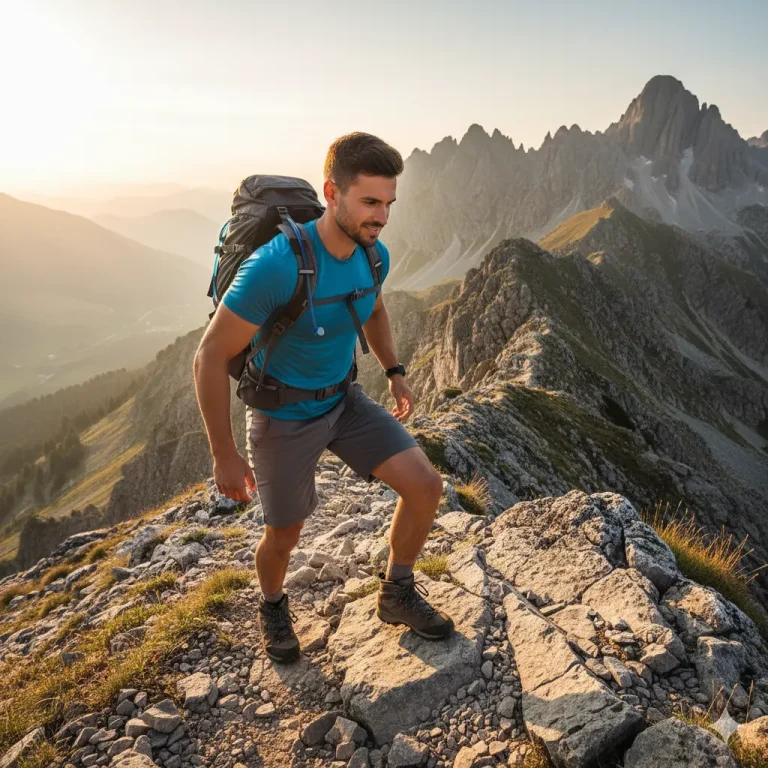
A lightweight, breathable synthetic shirt is the cornerstone of your summer hiking outfit. Pair it with hiking shorts or lightweight pants, a wide-brimmed hat for sun protection, and sunglasses with UV protection. Thin moisture-wicking socks complete the look. For sun-exposed ridgelines, consider a long-sleeve shirt with a UPF rating it sounds counterintuitive, but UPF fabric actually keeps you cooler than exposed skin by blocking radiant heat. Neck gaiters and buffs are excellent for shielding your face and neck from intense sun without overheating.
In buggy areas or dense brush, lightweight pants offer better protection than shorts. Always carry a packable rain layer summer afternoon thunderstorms are common in many mountain regions. For a complete list of what to bring, check our guide on essential hiking gear for beginners.

Fall Hiking Clothing: Layering for Changing Temperatures
Fall is arguably the best season for hiking cooler temperatures, stunning foliage, fewer crowds. But it demands the most flexible approach to hiking clothes. Mornings can feel like winter, afternoons like summer, and weather systems can roll in fast as you gain elevation.
What to Wear Hiking in Fall
Build your fall hiking outfit around a long-sleeve merino or synthetic base layer, a mid-weight fleece or insulated jacket, and a windproof water-resistant shell. Full-length hiking pants are essential as temperatures drop, and a warm hat plus lightweight gloves should always be in your pack. Medium-weight hiking socks strike the right balance between comfort and warmth.
Keep in mind that days shorten dramatically in fall plan your turnaround time carefully and pack a headlamp. At higher elevations, early snow is a real possibility even in October or November. Bring one extra mid-layer beyond what you think you’ll need.
Winter Hiking Clothes: Stay Warm and Safe on Cold Trails
Cold weather hiking demands the most careful attention to your clothing choices. The stakes are higher in winter wet or inadequate hiking clothes can lead to hypothermia or frostbite. When dressing for winter hikes, always err on the side of warmth.
What to Wear Hiking in Winter
For winter hiking, wear a thermal base layer on both top and bottom, an insulated mid-layer or thick fleece, and an insulated, waterproof outer jacket. Insulated hiking pants or shell pants over long underwear protect your legs. Cover your head with a warm winter hat that covers your ears, wear insulated gloves or mittens, and add a neck gaiter or balaclava for extreme cold. Thick wool or synthetic socks are non-negotiable cold feet are not just uncomfortable, they’re a safety issue.
Winter Hiking Safety: Preventing Hypothermia and Frostbite
Dress warmer than you think necessary and change out of wet clothing immediately wet fabric loses nearly all its insulating value. Cover all exposed skin in extreme cold, and carry hand warmers as backup. Waterproof gaiters keep snow out of your boots and pants legs. Use an insulated water bottle to prevent your water supply from freezing. Watch yourself and your hiking partners carefully for early signs of hypothermia: uncontrolled shivering, slurred speech, or unusual clumsiness. According to the REI Expert Advice on Hypothermia, the condition can develop even in temperatures as mild as 50°F (10°C) in wet and windy conditions.
Hiking Pants and Shorts: Choosing the Right Lower Body Gear
Your lower body clothing needs to balance protection with freedom of movement. Lightweight nylon or synthetic-blend hiking pants are the workhorse option stretchy enough for big steps, durable enough for rough terrain, and often water-resistant enough for light rain. Look for zippered pockets and reinforced knees.
Convertible hiking pants that zip off at the knee are ideal for spring and fall, giving you the versatility of pants and shorts in a single garment. For pure summer hikes in warm conditions, quick-drying hiking shorts with a longer inseam prevent thigh chafing. If trails have thick brush or heavy bug pressure, pants offer better protection regardless of temperature.
Hiking Socks and Footwear: Prevent Blisters and Stay Comfortable
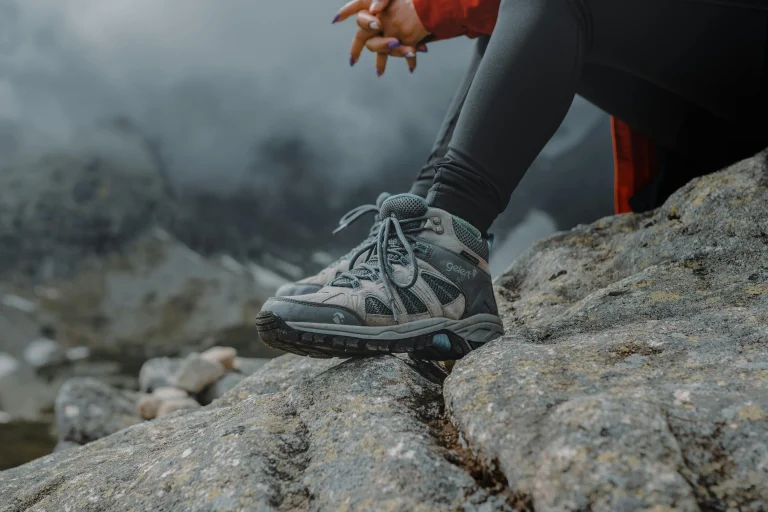
Experienced hikers will tell you: invest in your socks before you invest in anything else. Blisters end hikes far more often than weather does. Choose merino wool or synthetic hiking socks with cushioning in the heel and ball of the foot and a crew height that prevents boot rubbing. Seamless construction reduces friction dramatically on long days.
Match sock weight to season: thin, breathable socks for summer; medium-weight for spring and fall; thick insulated wool socks for winter. Never ever wear cotton socks for hiking. Cotton holds moisture and creates the perfect conditions for blisters and hotspots. For help selecting the right footwear, see the REI guide to choosing hiking boots.
Hiking Accessories for All Seasons
The small accessories often make the biggest difference in day-to-day comfort on the trail. A wide-brimmed hat is essential in summer for sun protection; a warm beanie covering your ears is essential in winter. Even in mild weather, bring a hat conditions can change. Lightweight gloves handle cool mornings in spring and fall, while insulated or waterproof gloves are necessary in winter, with mittens providing superior warmth in extreme cold.
Year-round, sunglasses with UV protection protect your eyes from glare especially important on snow, which reflects up to 80% of UV radiation according to WHO guidance on UV radiation. A buff or neck gaiter is one of the most versatile pieces of gear you can carry it works as a sun shield, wind barrier, dust filter, and impromptu hat liner.

What NOT to Wear Hiking: Common Mistakes to Avoid
Understanding what to wear hiking is only half the equation knowing what to avoid is equally important. Cotton clothing of any kind is the top offender: it absorbs sweat and rain, dries slowly, and becomes dangerously cold in cool conditions. Jeans combine all of cotton’s worst qualities with restricted movement. Heavy sweatshirts trap moisture and don’t breathe. Brand-new, unbroken-in boots or shoes are a near-guaranteed source of blisters on any hike longer than a mile. Fashion-focused items that sacrifice function for style have no place on the trail, and wearing too many layers that make you overheat is just as problematic as wearing too few.
Packing Extra Hiking Clothes: Be Prepared for Changes
Even on a day hike, carry a small selection of backup clothing. An extra base layer protects you if you get wet; an additional warm layer handles unexpected cold snaps. Always bring a rain jacket regardless of the forecast, plus an extra pair of socks. A lightweight emergency blanket adds minimal weight and could be critical in a genuine emergency. Preparation is not pessimism it’s the mark of an experienced hiker.
Budget-Friendly Hiking Clothes: Build Your Wardrobe Over Time
Quality hiking clothes can be expensive, but you don’t need to buy everything at once. Start with the basics: good socks and a moisture-wicking shirt make the biggest immediate difference. Buy off-season for dramatically better prices, and check outlet stores and clearance sales for quality pieces at a fraction of retail. Used gear stores and online resale platforms offer excellent name-brand gear at lower cost. Some quality athletic wear performs well for hiking on easier trails start with what you have, upgrade gradually, and invest most in the items you’ll use most often. For comprehensive preparation tips, read our guide on hiking for beginners: how to start.
Caring for Hiking Clothes: Wash and Maintain Properly
Proper care dramatically extends the life of your gear. Wash technical fabrics in cold water using gentle detergent without fabric softener softener clogs the moisture-wicking fibers that make performance fabrics work. Air dry whenever possible to preserve material integrity. Reapply DWR (Durable Water Repellent) treatment to outer shell jackets periodically it washes out over time and is easy to restore with a spray-on product. Store all gear in a cool, dry place away from direct sunlight, and repair small tears before they become large ones.
Conclusion: Dress Smart for Every Hike
Knowing what to wear hiking in every season comes down to mastering the three-layer system and adapting it to the conditions you’ll face. Choose hiking clothes that wick moisture, insulate when needed, and protect against wind and rain. Avoid cotton at all costs. Invest in good socks. Carry an extra layer and a rain jacket on every hike. Whether you’re heading out on a spring wildflower trail, a midsummer ridge walk, a fall foliage loop, or a winter snowshoe adventure, the right hiking outfit keeps you comfortable, safe, and free to enjoy every step of the journey.
Related Posts
Frequently Asked Questions About What to Wear Hiking
Can I wear cotton clothes for hiking?
Cotton is not recommended even for short hikes. Hiking clothes made of synthetic or merino wool wick moisture, dry quickly, and prevent discomfort or hypothermia in cold weather. Cotton stays wet and cold leave it at home.
How many layers should I wear hiking?
The number of layers depends on the season and weather. Generally, bring at least three: a moisture-wicking base layer, one insulating mid-layer, and a waterproof outer shell. For transitional seasons like spring and fall, pack an extra mid-layer to handle temperature swings.
Do I need special hiking clothes or can I use athletic wear?
Quality athletic wear can work for beginners on easy trails, but hiking-specific clothes offer better durability, moisture management, and weather protection. Start with what you have and upgrade gradually as you hike more often.
What should I wear hiking in unpredictable weather?
Dress in layers you can easily add or remove. Start with a moisture-wicking base layer, add an insulating mid-layer, and always pack a waterproof shell. Even if the forecast looks good, layering for unpredictable weather keeps you safe and comfortable in changing conditions.
What is the best fabric for hiking clothes?
Merino wool and synthetic fabrics (polyester, nylon) are the best choices for hiking. Merino wool excels at temperature regulation and odor resistance; synthetics dry faster and cost less. Both are far superior to cotton for any hiking condition.

No comments yet. Be the first to share your thoughts.