
Hiking Safety Ultimate Guide: Stay Safe on Every Trail
Hiking offers incredible rewards, but staying safe requires preparation and awareness. This comprehensive guide covers everything you need to know about hiking safety, from planning your trip to handling emergencies on the trail.
Whether you’re a beginner or experienced hiker, understanding safety principles can prevent accidents and ensure enjoyable outdoor adventures. Let’s explore the essential elements of hiking safety.
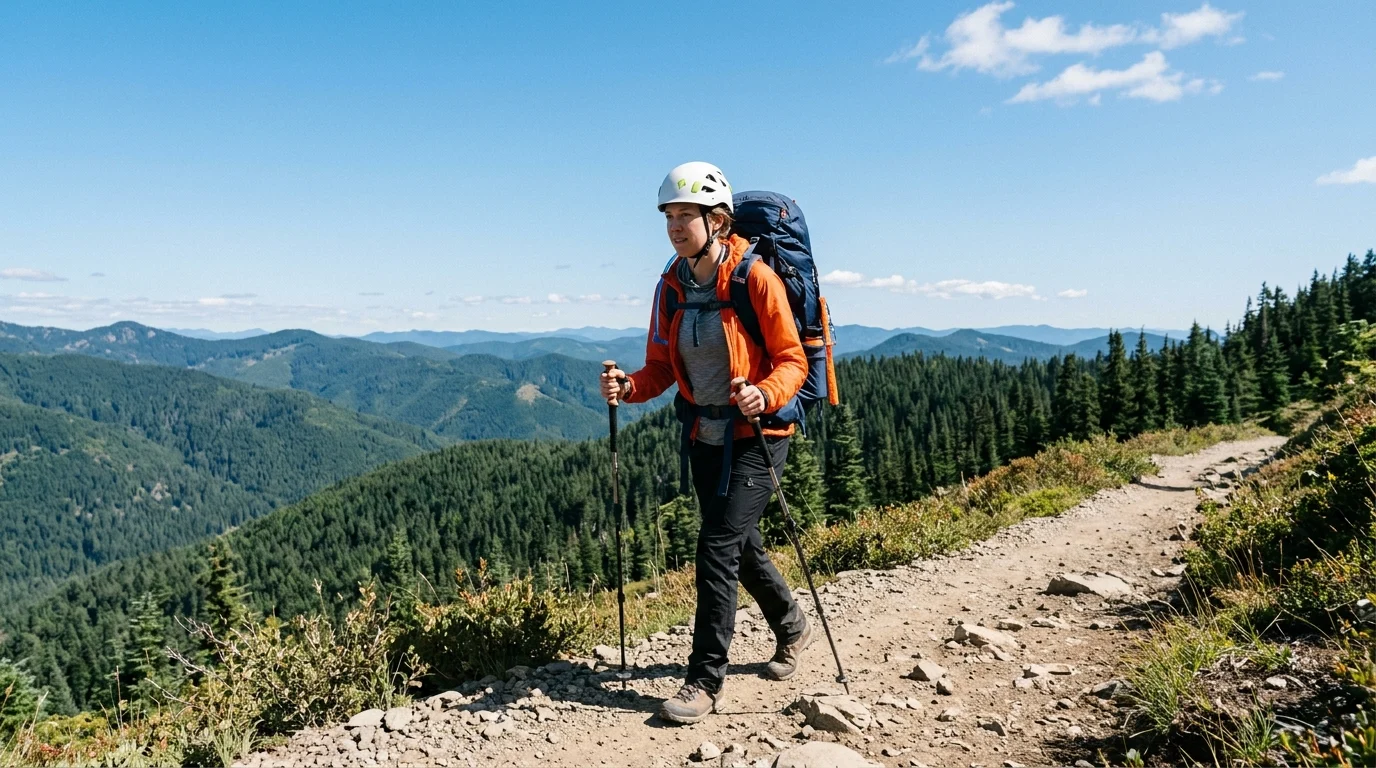
Planning Your Hike Safely
Safe hiking starts long before you hit the trail. Proper planning reduces risks and prepares you for unexpected situations.
Research Your Trail Thoroughly
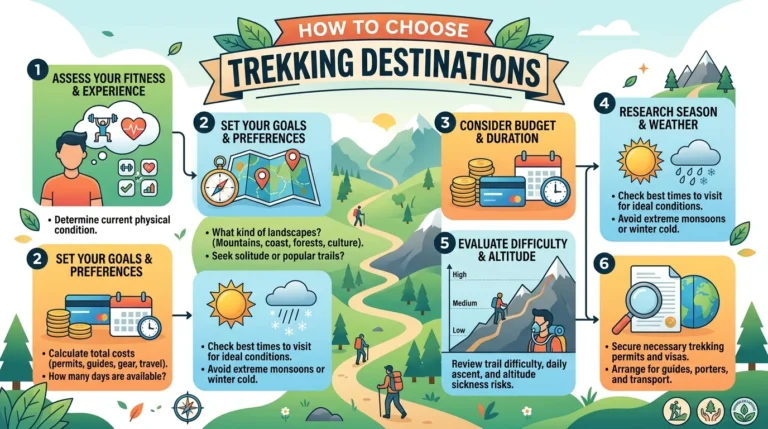
Study trail maps, elevation profiles, and recent trail reports before departure. Check the trail difficulty rating and compare it honestly with your fitness level.
Read recent reviews from other hikers to learn about current trail conditions. Look for information about water sources, terrain challenges, and potential hazards.
Check Weather Forecasts
Review weather predictions for your hiking area at least 24 hours before your trip. Mountain weather changes rapidly, so check forecasts the morning of your hike too.
Watch for thunderstorm predictions, temperature extremes, and wind warnings. Postpone your hike if conditions seem dangerous or beyond your experience level.
Share Your Itinerary
Tell a trusted person your hiking plans, including trail name, start time, and expected return. Provide them with trailhead location and emergency contact numbers.
Establish a check-in time when you’ll contact them after your hike. This simple step ensures someone will alert authorities if you don’t return.
Essential Hiking Safety Gear
Carrying the right equipment can save your life in emergency situations. Pack these essentials on every hike, regardless of distance or difficulty.
The Ten Essentials
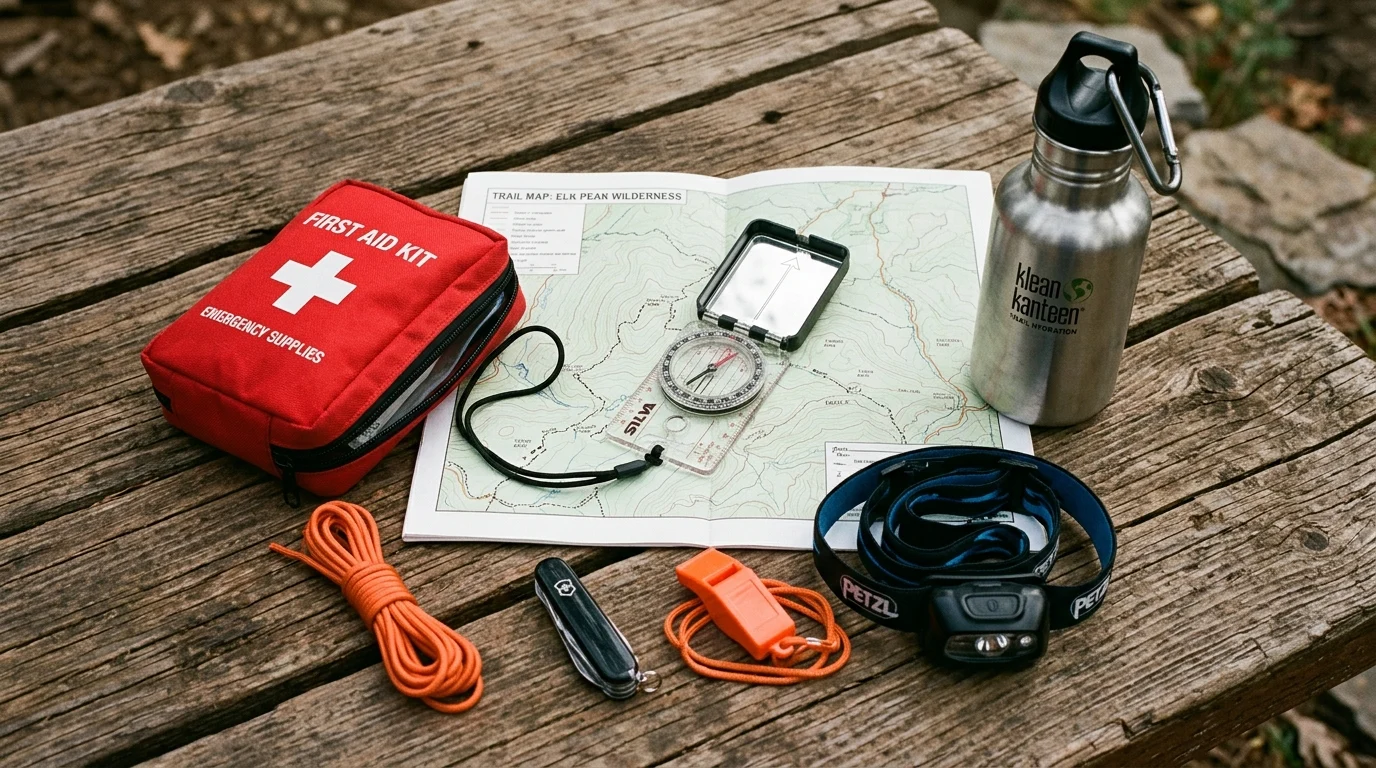
- Navigation tools: map, compass, and GPS device or smartphone
- Sun protection: sunglasses, sunscreen, and hat
- Insulation: extra clothing layers for changing weather
- Illumination: headlamp or flashlight with extra batteries
- First aid supplies: comprehensive kit for treating injuries
- Fire starter: waterproof matches or lighter
- Repair kit: duct tape, knife, and gear-specific tools
- Nutrition: extra food beyond your planned meals
- Hydration: water and purification method
- Emergency shelter: space blanket or bivy sack
These items form your safety foundation. Adjust quantities based on trip length, group size, and environmental conditions.
Communication Devices
Carry a fully charged cell phone in a waterproof case. Download offline maps before entering areas with poor reception.
Consider a personal locator beacon or satellite messenger for remote areas. These devices allow emergency communication when cell service is unavailable.
Trail Safety Best Practices
Following proven safety practices helps you avoid common hiking hazards and handle challenges effectively.
Start Early and Pace Yourself
Begin hiking early in the day to avoid afternoon thunderstorms and ensure enough daylight. Early starts also mean cooler temperatures and fewer crowds.
Maintain a comfortable pace that allows conversation without gasping. Take regular breaks to rest, hydrate, and check your progress against time estimates.
Stay on Marked Trails
Follow established trails to protect fragile ecosystems and avoid getting lost. Cutting switchbacks causes erosion and damages vegetation.
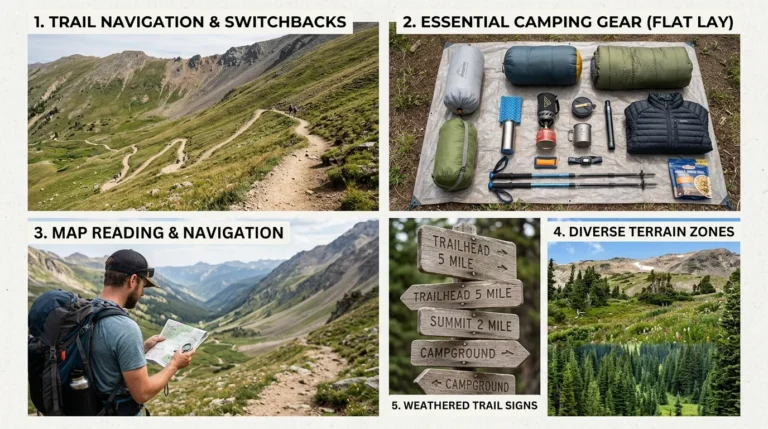
Trail markers vary by location, so familiarize yourself with the marking system before starting. If you lose the trail, backtrack to your last known location.
Navigate Carefully
Check your map and current location regularly, not just when you think you’re lost. Note landmarks and trail junctions as you pass them.
Learn to use a compass and understand topographic maps before attempting challenging routes. GPS devices help, but always carry paper maps as backup.
Practice proper hiking navigation techniques to build confidence in your route-finding abilities.
Manage Your Energy and Resources
Eat small amounts frequently rather than waiting until you’re hungry. Your body needs steady fuel for sustained physical activity.
Drink water regularly, even if you don’t feel thirsty. Dehydration impairs judgment and physical performance before you notice symptoms.
Weather and Environmental Hazards
Understanding natural hazards helps you recognize dangers and respond appropriately.
Lightning Safety
Avoid exposed ridges and summits when thunderstorms threaten. Descend immediately if you hear thunder, regardless of how far away it sounds.
Lightning can strike from miles away from the storm center. If caught in the open, crouch low on your pack or foam pad, minimizing contact with the ground.
Heat and Sun Exposure
Wear breathable, light-colored clothing and apply sunscreen every two hours. Cover your head and neck to prevent sunburn and heat illness.
Recognize heat exhaustion symptoms: heavy sweating, weakness, dizziness, and nausea. Rest in shade, drink water, and cool down immediately if these occur.
Cold and Hypothermia
Dress in moisture-wicking layers that you can adjust as conditions change. Wet clothing accelerates heat loss, so stay dry.
Watch for hypothermia signs: uncontrollable shivering, confusion, and poor coordination. Add layers, consume warm liquids, and seek shelter immediately.
Wildlife Encounters
Make noise while hiking to avoid surprising animals. Most wildlife avoids humans when given warning of your presence.
Store food properly and maintain safe distances from all animals. Never feed wildlife or approach them for photos.
Learn about wildlife safety protocols specific to your hiking region.
Emergency Response and First Aid
Knowing how to handle emergencies calmly and effectively is crucial for hiking safety.
Basic First Aid Skills
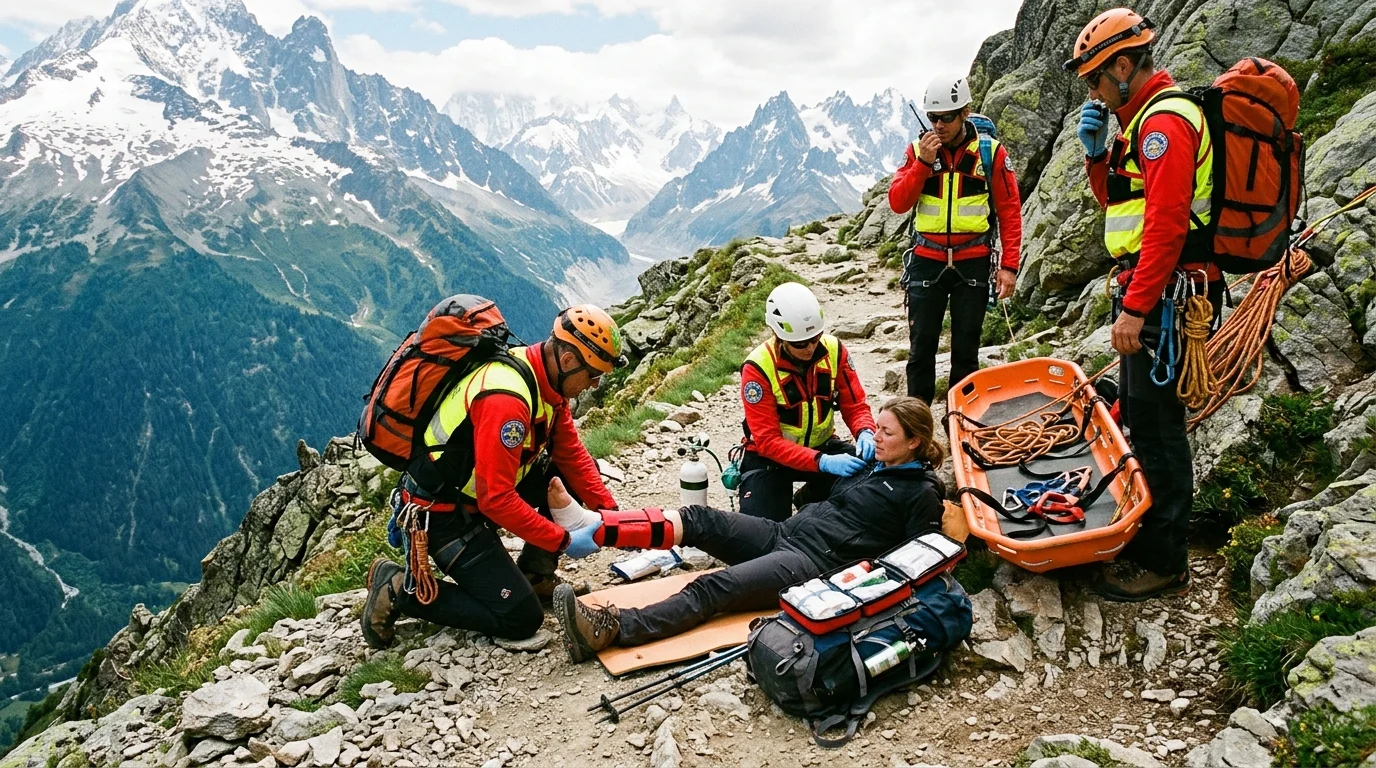
Take a wilderness first aid course before attempting remote hikes. These courses teach injury assessment and treatment when professional help is hours away.
Your first aid kit should address common hiking injuries: blisters, cuts, sprains, and insect stings. Know how to use everything in your kit before you need it.
When to Call for Help
Request emergency assistance for severe injuries, medical emergencies, or when someone cannot continue hiking safely. Don’t hesitate to call 911 if the situation is serious.
Provide dispatchers with accurate location information using GPS coordinates or landmarks. Explain the nature of the emergency and number of people involved.
If You Get Lost
Stop moving as soon as you realize you’re lost. Continuing without a plan usually makes the situation worse.
Stay calm and assess your situation. Check your map, GPS, and recent trail markers to determine your location.
If you cannot navigate safely, stay put and make yourself visible. Use your whistle, bright clothing, or signal mirror to attract attention.
Group Hiking Safety Considerations
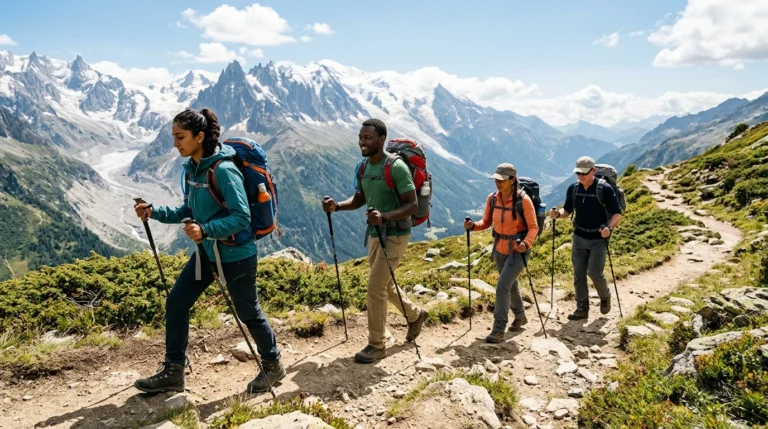
Hiking with others offers safety advantages but requires coordination and communication.
Establish a Group Leader
Designate someone to make final decisions about route, pace, and safety concerns. This prevents confusion during challenging situations.
The leader should monitor all group members and adjust plans based on the slowest hiker’s abilities. No one gets left behind.
Use the Buddy System
Pair up hikers to watch out for each other. Buddies notice when someone is struggling, injured, or showing signs of environmental illness.
Check in with your buddy regularly about energy levels, hydration, and any concerns. This simple system catches problems early.
Maintain Group Cohesion
Keep the group together or establish regular meeting points. Faster hikers should wait at trail junctions and confusing sections.
Set a turnaround time and stick to it, regardless of whether you’ve reached your destination. Getting everyone back safely matters more than summiting.
Special Considerations for Solo Hiking
Solo hiking requires extra precautions since you lack the safety buffer of companions.
Choose well-traveled trails within your ability level when hiking alone. Save challenging or remote routes for group trips.
Inform multiple people of your detailed plans and check-in schedule. Consider carrying a satellite communication device for emergencies.
Trust your instincts about situations that feel unsafe. Solo hikers should be more conservative about weather, terrain, and wildlife risks.
Develop strong solo hiking skills gradually before attempting ambitious solo adventures.
Seasonal Safety Considerations
Each season presents unique challenges that require specific preparation and awareness.
Summer Hiking Safety
Start extremely early to avoid peak heat and afternoon thunderstorms. Carry extra water or plan routes with reliable water sources.
Watch for signs of heat exhaustion and dehydration in yourself and companions. Take breaks in shade and wet your hat to stay cool.
Winter and Snow Safety
Winter hiking requires specialized gear including insulated boots, gaiters, and traction devices. Carry extra insulation and emergency shelter.
Understand avalanche risks if traveling in snow-covered terrain. Take an avalanche safety course and carry proper rescue equipment.
Shoulder Season Challenges
Spring and fall bring unpredictable weather and rapidly changing conditions. Pack clothing for both warm and cold temperatures.
Trails may have mud, ice patches, or seasonal stream crossings. Research current conditions and adjust your expectations accordingly.
Building Your Safety Skills
Improving your outdoor skills increases confidence and reduces risks on every hike.
Take courses in wilderness first aid, navigation, and outdoor survival. These skills become invaluable during unexpected situations.
Practice using your safety gear before emergencies occur. Set up your emergency shelter, use your compass, and familiarize yourself with your first aid supplies.
Learn from each hike by reviewing what went well and what could improve. Keep notes about gear performance, pacing, and navigation challenges.
Conclusion
Hiking safety combines thorough planning, proper equipment, practiced skills, and sound judgment. By following these guidelines, you minimize risks while maximizing enjoyment of outdoor adventures.
Remember that good judgment sometimes means turning back or postponing a hike. The mountains will be there tomorrow, but safety cannot be compromised.
Start implementing these safety practices on your next hike. Build your skills gradually, and you’ll develop the confidence to tackle more challenging trails safely.
Frequently Asked Questions
What are the most important safety items to carry on a day hike?
The essential safety items include navigation tools, extra water and food, first aid kit, emergency shelter, headlamp, and appropriate clothing layers. Always carry the Ten Essentials regardless of your planned hike duration. These items provide critical support if your hike takes longer than expected or if emergency situations arise.
How do I know if a trail is too difficult for my skill level?
Assess trail difficulty by comparing the distance, elevation gain, terrain type, and estimated time against your fitness level and experience. Start with shorter trails that have moderate elevation gain and well-maintained paths. Read recent trip reports to understand current conditions. If a trail description mentions technical sections, exposure, or requires specialized skills you lack, choose a different route.
What should I do if I encounter a wild animal on the trail?
Stay calm and avoid sudden movements when you see wildlife. Do not run, as this may trigger a chase response. Back away slowly while facing the animal and speaking in calm, firm tones. Give animals plenty of space to move away from you. Make yourself appear larger if dealing with mountain lions, but avoid eye contact with bears. Each species requires different responses, so research wildlife safety for your specific hiking area.
How can I prevent getting lost while hiking?
Prevent getting lost by studying your route before starting and checking your map regularly throughout your hike. Pay attention to trail markers, landmarks, and junction signs. Note distinctive features as you pass them so you can recognize them on the return trip. Use a GPS device or smartphone app with downloaded offline maps as backup. Turn around if the trail becomes unclear rather than guessing which way to go. Most importantly, stay on marked trails and avoid taking shortcuts that could lead you off course.

No comments yet. Be the first to share your thoughts.