
How to Choose Your First Hiking Trail: A Beginner’s Complete Guide
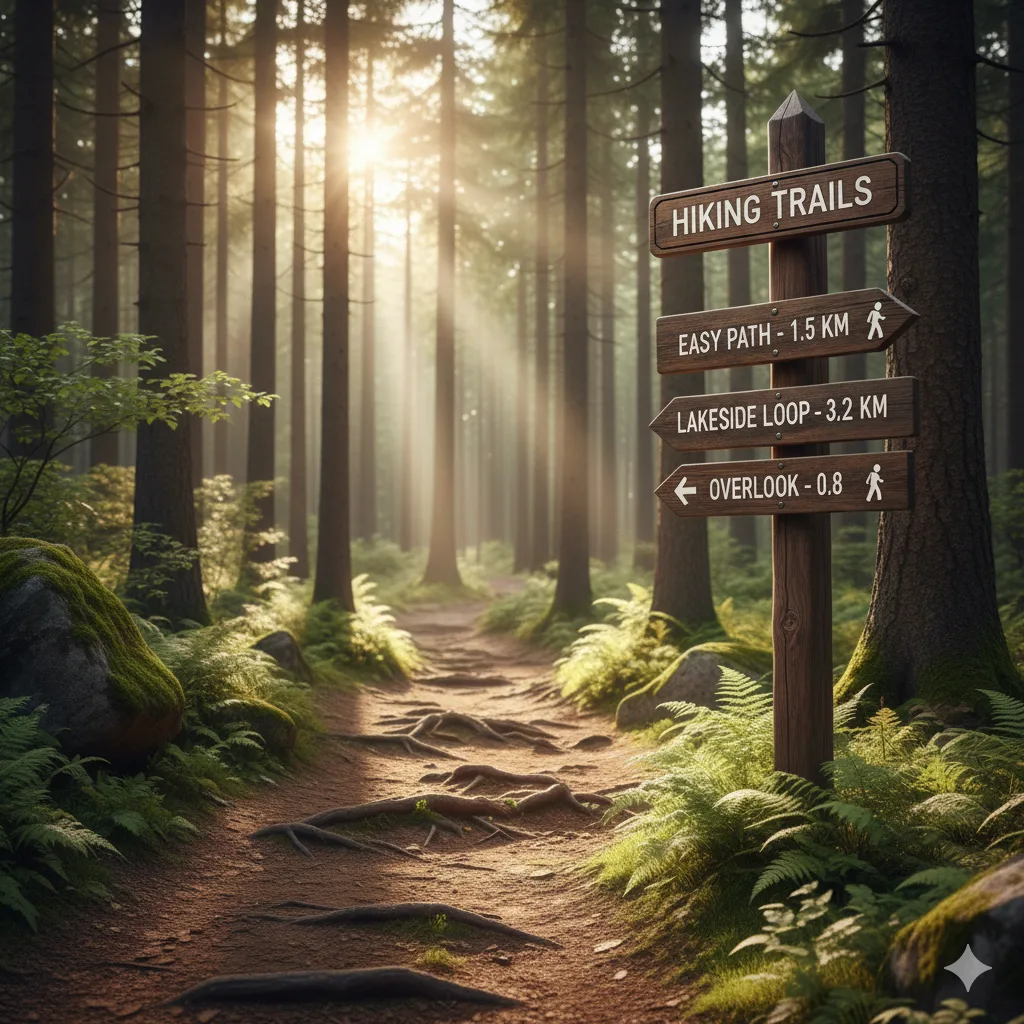
Choosing your first hiking trail is one of the most important decisions you’ll make as a new outdoor enthusiast. Get it right, and you’ll finish with a huge grin, sore legs, and plans for your next adventure. Get it wrong too long, too steep, or too remote and you might swear off hiking entirely. After years of guiding beginners through their first trail experiences, I’ve learned that the secret isn’t finding the “best” trail. It’s finding the right trail for where you are today. This guide breaks down everything you need to evaluate so your first hiking trail becomes the first of many.
Understand Trail Difficulty Ratings Before Picking Your First Hiking Trail
Most trails are rated by difficulty easy, moderate, or difficult and understanding what those labels actually mean is essential for any beginner hiking trail decision. These ratings consider a combination of distance, elevation gain, and terrain type, but they’re not always standardized across regions, so reading them alongside reviews is smart.
Easy Trails
Easy trails are the gold standard for your first hiking trail experience. They’re generally flat or gently rolling, well-maintained, clearly marked, and under 3 miles in total distance. Elevation gain typically stays below 500 feet, meaning you won’t be gasping uphill for long stretches. These trails are suitable for all fitness levels including families with young kids and give you the chance to enjoy the scenery without constantly watching your footing.
Moderate Trails
Moderate trails introduce more challenge: hills, uneven terrain, rocky sections, and distances between 3 and 6 miles. Elevation gain typically falls between 500 and 1,500 feet. These are excellent second or third hikes once you’ve built some confidence, but they’re generally not ideal as a starting point unless you have a solid baseline of fitness from activities like cycling or running.
Difficult Trails
Difficult trails feature steep climbs, technical terrain, distances over 6 miles, and elevation gain exceeding 1,500 feet. Some may include scrambling over boulders or exposed ridge walking. These are best saved until you have several hikes under your belt and have invested in proper footwear and navigation skills.
As a rule of thumb: start with easy trails for your first hiking trail outing. You can always progress to moderate trails once you’ve built confidence and know how your body responds to sustained outdoor effort.
Consider Distance and Time When Planning Your First Hiking Trail

Trail length matters more than most beginners realize. A 4-mile flat forest walk can feel harder than a 2-mile mountain climb simply because of time on feet and cumulative fatigue. When selecting your first hiking trail, aim for 1 to 3 miles total enough to feel like an accomplishment without destroying your legs for a week.
Choosing Between Out-and-Back and Loop Trails
Out-and-back trails where you travel to a point and return the same way are ideal for beginners because you can turn around at any time. If the weather turns, your knee flares up, or you simply run out of steam, you just head back. Loop trails commit you to the full distance since there’s no shortcut home. Once you’ve completed a few hikes and understand your pace and endurance, loops offer more variety and scenery.
Calculate Your Hiking Time
A reliable formula for estimating hike duration: allow 30 minutes per mile on flat terrain, then add 30 minutes for every 1,000 feet of elevation gain. Add another 15–30 minutes for breaks, photos, snacks, and the inevitable “wow, look at that view” pauses. If you’re hiking with young children, double your estimate. A 2-mile trail with 500 feet of elevation, for example, should take roughly 90 minutes of moving time plus rest stops.
Evaluate Elevation Gain for Beginner-Friendly Hiking
Elevation gain the total vertical feet you climb during a hike is arguably more important than distance when assessing difficulty. A trail with 200 feet of elevation gain over 2 miles is worlds apart from a trail with 1,200 feet of gain over the same distance. For your first hiking trail, look for options with under 500 feet of elevation gain. Here’s a quick reference:
- Under 200 feet: Very easy, essentially flat walking perfect for absolute beginners
- 200–500 feet: Easy with gentle, manageable climbing
- 500–1,000 feet: Moderate effort; you’ll notice the hills
- Over 1,000 feet: Challenging for beginners save this for later
Check Trail Conditions and Maintenance
A well-maintained trail transforms a beginner hike from stressful to enjoyable. Poor conditions overgrown vegetation, washed-out paths, confusing junctions can make an “easy” rated trail genuinely difficult. Always check recent trail reports before heading out, not just the official rating.
Where to Find Reliable Trail Information
The AllTrails app is one of the best resources available, offering user-submitted photos, recent condition updates, and difficulty filters. Local park and national forest websites publish official trail details and seasonal closures. Ranger stations are often the most up-to-date source of all a quick call before a big trip can save you a wasted drive. Hiking forums and local Facebook groups are also gold mines for current, honest trail intel.
Look for Proximity and Accessibility
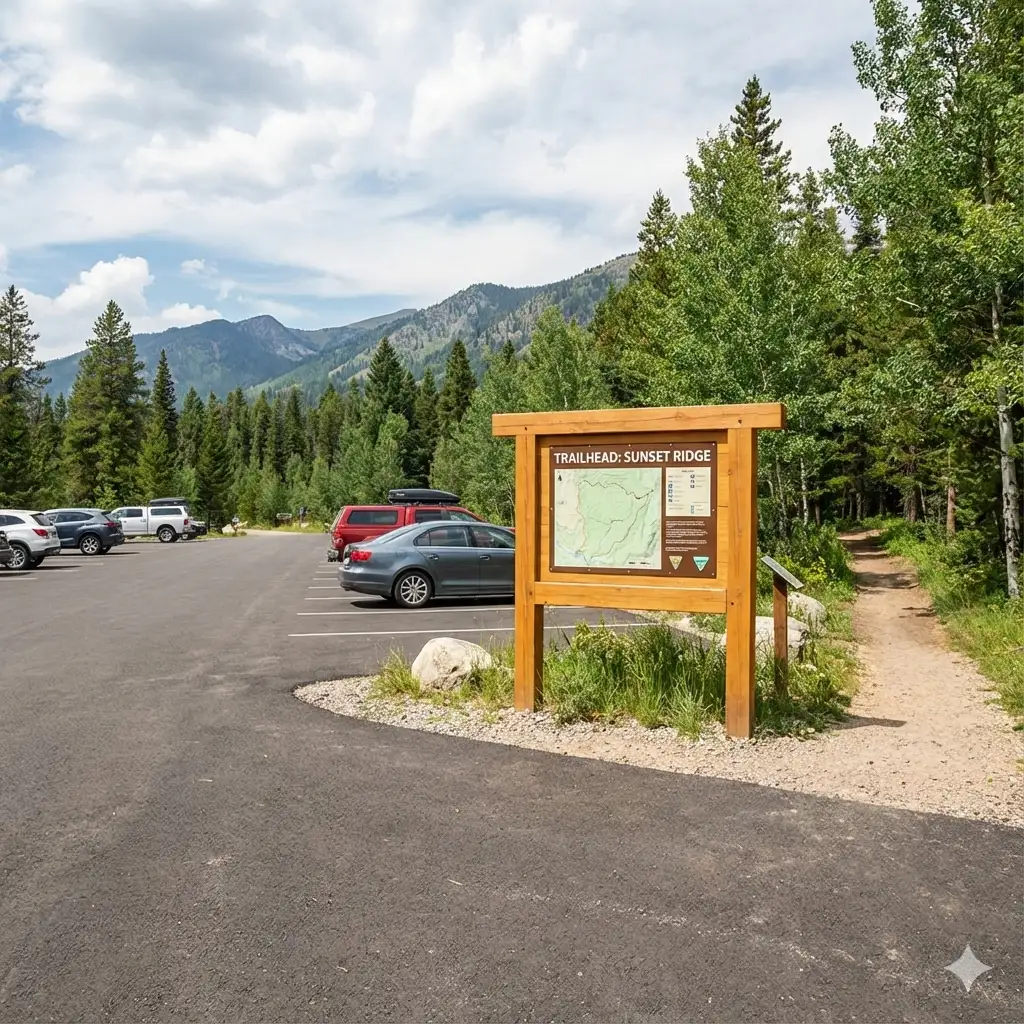
Choosing a trail close to home offers underrated advantages for your first hiking trail outing. A short drive means you arrive fresh, not fatigued. If weather rolls in or something goes wrong, leaving early is easy. You can return multiple times as your fitness grows. And populated, well-trafficked areas typically offer better cell coverage and a higher likelihood of other hikers nearby both important safety factors for beginners.
Also check the trailhead itself: Is parking adequate? Are restrooms available? Are maps posted at the entrance? These small details matter more than you’d think when you’re already nervous about your first hike.
Read Reviews and Trail Reports Before You Go
Other hikers’ experiences are some of your best research. When reading reviews, prioritize recent posts trail conditions change seasonally and can deteriorate quickly after storms. Look for reviewers who describe their fitness level so you can benchmark against your own. Pay attention to comments about trail markings, confusing junctions, or unexpected difficulty spikes. Photos are especially valuable: a recent snapshot tells you more than any written description about actual conditions underfoot.
Red flags to watch for: multiple reports of getting lost, recent storm damage, warnings about dangerous exposed sections, or consistent complaints about poor signage. For more guidance on staying safe out there, check our article on hiking safety tips every beginner should know.
Consider Scenery and Trail Rewards
Choosing an appropriate difficulty level is critical, but don’t overlook the motivational power of a beautiful payoff. Trails with clear destinations a waterfall, a viewpoint, a mountain lake give you a goal to work toward and make the effort feel purposeful. Some of the best beginner trails are popular precisely because they deliver stunning scenery without demanding expert fitness. Think: a gentle forest path ending at a cascading waterfall, or a wide, well-marked trail climbing to a panoramic overlook. That view at the end is what gets people hooked on hiking for life.
Factor in Seasonal Conditions
The same trail can be a completely different experience depending on the time of year. In summer, heat and sun exposure on exposed ridges can be genuinely dangerous start early, bring extra water, and favor shaded forest trails. Fall brings shorter daylight windows but spectacular foliage. Winter can mean icy, treacherous conditions on trails that are easy in warmer months. Spring offers wildflowers and rushing waterfalls, but also muddy paths and potential flooding. Before committing to your first hiking trail, check for seasonal trail closures via the National Park Service or your local park authority.
Look for Popular Beginner Trails
Trails with a track record of successful beginner hikes tend to earn that reputation for good reason: they’re well-maintained, clearly marked, and appropriately rated. Popularity also means other hikers are usually around a genuine comfort factor for first-timers. The downside is weekends and holidays can get crowded, and parking lots fill early. The solution? Aim for weekday mornings on popular beginner trails. You’ll enjoy the amenities and safety of a well-traveled path with far fewer crowds.
Assess Your Fitness Level Honestly
This is where many beginners go wrong they either underestimate themselves and pick trails that bore them, or overestimate and end up crawling back to the trailhead. Be honest. Can you walk 30–45 minutes continuously without difficulty? Do you handle stairs and hills without stopping? Do you have any injuries or health conditions that might affect your stamina or joint health? If you answered yes to the walking question, you’re ready for easy trails. If stairs leave you winded, start with the flattest, shortest trail you can find and build from there. There’s no shame in starting easy every experienced hiker did exactly that.
Plan Shorter Than You Think You Can Handle
One of the most common first-hike mistakes is overambition. Beginners routinely overestimate how far they can comfortably travel on uneven terrain with a loaded pack. My advice after years of guiding: choose a trail at least a mile shorter than your instinct tells you. Remember that you need to hike back to the trailhead the second half always feels harder. Finishing your first hiking trail feeling strong and energized is far more valuable than struggling through the last mile on sheer willpower. That positive experience is what brings you back for more.
If you’re unsure what to pack, our guide to essential hiking gear for beginners via REI covers everything you’ll need from footwear to navigation tools.
Use Trail-Finding Tools to Research Your Options
You don’t have to rely on guesswork to find your first hiking trail. Several excellent platforms exist specifically to help hikers discover and evaluate trails. AllTrails is the most comprehensive, with filters for difficulty, distance, and trail type. Hiking Project offers detailed topographic maps and curated recommendations. Your local REI store staff are also an often-overlooked resource they hike the local trails themselves and give genuinely useful, unfiltered advice. Local hiking clubs frequently organize beginner-friendly group hikes, which are an excellent way to learn trail skills in a supportive environment.
Conclusion: Your First Hiking Trail Is Just the Beginning
Choosing your first hiking trail doesn’t need to be complicated. Start short, start easy, and start close to home. Use recent trail reviews, understand what difficulty ratings actually mean, and be honest about where your fitness level is today not where you hope it is. Your first hiking trail isn’t about conquering the mountain. It’s about discovering whether you love moving through wild places under your own power. Start right, and chances are, you absolutely will.
Related Posts
Frequently Asked Questions About Your First Hiking Trail
How long should my first hiking trail be?
Start with trails between 1–3 miles total. This distance is manageable for most beginners while still feeling like a real accomplishment. You can always extend your hike if you’re feeling strong, but starting short prevents overexertion. Remember: hiking is more strenuous than walking the same distance on flat ground.
Is it better to do an out-and-back trail or a loop for my first hike?
Out-and-back trails are better for first-time hikers because you can turn around anytime. If you get tired or the weather changes, you simply head back the way you came. Loop trails commit you to the full distance. Once you’ve completed a few hikes and know your pace, loops offer more variety and keep things interesting.
What if the “easy” trail still feels too hard for me?
Trail ratings are subjective and vary by region. Take breaks as often as you need, slow your pace, and don’t hesitate to turn back early. There is absolutely no failure in choosing a shorter hike or building up your fitness before tackling longer trails. Every experienced hiker started somewhere usually exactly where you are.
Should I hike alone or with someone for my first trail?
Hiking with a friend or joining a guided group is strongly recommended for beginners. You’ll have support if something goes wrong and company to share the experience with. If you prefer solo hiking, choose a very popular trail during busy hours when other hikers are around. Always tell someone your plans your route, expected return time, and emergency contact regardless of whether you hike alone or with others.

No comments yet. Be the first to share your thoughts.