
Advanced Hiking Gear Guide: Taking Your Trail Experience to the Next Level
Whether you’re planning multi-day treks or challenging yourself on technical terrain, your hiking experience is only as good as the gear supporting you. This advanced hiking gear guide goes beyond the basics to explore specialized equipment that enhances comfort, safety, and performance on demanding trails.
Ultralight Backpack Systems
Modern advanced backpacks balance weight reduction with functionality. When selecting your next pack, consider these game-changing features:
- Frame Technology: Internal carbon fiber frames offer superior weight-to-strength ratios while maintaining load transfer to your hips.
- Material Innovation: Dyneema Composite Fabric (formerly Cuben Fiber) and ripstop nylon with silicone impregnation provide exceptional durability at minimal weight.
- Modular Components: Removable hip belts, brain compartments, and compression systems let you customize your pack for each journey.
- Weight Distribution: Look for packs with adjustable load-lifters and strategic compression straps to keep your center of gravity optimal on technical terrain.
Remember that even the most ultralight pack should never compromise on comfort during long days on the trail. Your shoulders and back will thank you for investing in proper fit and padding design.
Technical Footwear Solutions
Your feet are your most important hiking tools. Advanced hiking footwear options offer specialized features for specific conditions:
- Approach Shoes: Hybrid designs combining climbing rubber with hiking support for technical scrambling and rocky terrain.
- Trail Runners: Lightweight options with adequate protection and grip for faster-paced hiking on maintained trails.
- Technical Boots: Stiff midsoles and supportive uppers for carrying heavy loads or navigating uneven terrain.
- Waterproof Membranes: Consider when necessary, but understand the ventilation trade-offs in various weather conditions.
The best hiking footwear matches your specific trail conditions, pack weight, and personal biomechanics. Finding your perfect hiking boot fit often requires trying multiple brands and models.
Weather Protection Systems
Advanced weather protection goes beyond basic rain jackets. Modern technical layers manage moisture from both precipitation and perspiration:
- Layering Strategy: Base layers that wick moisture, mid-layers for insulation, and outer shells for wind/water protection.
- Active Insulation: Breathable synthetic fills that maintain warmth while allowing vapor to escape during high-exertion activities.
- Membrane Technology: Air-permeable waterproof fabrics that balance protection with breathability better than traditional laminates.
- Ventilation Features: Strategic pit zips, core vents, and adjustable cuffs/hems to regulate temperature across changing conditions.
Effective weather protection requires understanding your personal heat regulation and choosing appropriate gear for the specific environmental challenges of your hiking destinations.
Navigation and Safety Tools
Advanced navigation combines traditional skills with modern technology to ensure you stay safe in remote areas:
- GPS Devices: Dedicated hiking GPS units with long battery life and reliable performance in adverse conditions.
- Satellite Communicators: Two-way messaging and SOS functionality when outside cellular coverage.
- Digital Mapping: Apps and devices that allow pre-downloaded topographical maps and real-time tracking.
- Backup Systems: Compass, paper maps, and the skills to use them when technology fails.
Even with advanced technology, never rely on a single navigation method. Learning traditional map and compass skills remains essential for any serious hiker venturing beyond well-marked trails.
Specialized Equipment for Challenging Terrain
Certain environments require specialized gear to navigate safely:
- Trekking Poles: Carbon fiber models with quick-adjustment mechanisms and specialized grips for varying terrain.
- Microspikes/Crampons: Removable traction devices for icy conditions or slippery surfaces.
- Gaiters: High-performance barriers against snow, mud, and debris.
- Stream Crossing Footwear: Lightweight options for water passages to keep your main boots dry.
The right specialized equipment can transform formerly impassable terrain into manageable sections of your adventure. Consider your most challenging trail conditions when building your advanced gear collection.
Conclusion: Investing in Your Hiking Experience
Advanced hiking gear represents an investment in both safety and enjoyment on the trail. Focus on acquiring quality pieces that address your specific hiking challenges rather than accumulating gear for every possible scenario. Remember that the best equipment complements your skills and experience without replacing proper preparation and training.
As you upgrade your gear collection, test new items on familiar trails before depending on them in remote areas. Even the most advanced technology requires user familiarity to function effectively in challenging conditions.
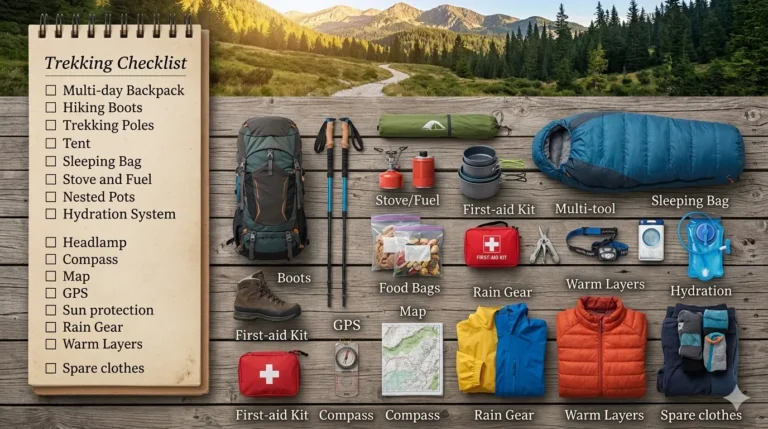
Ready to elevate your hiking experience? Explore our complete hiking gear checklist to identify which advanced items might benefit your next adventure.
Frequently Asked Questions
Is expensive hiking gear always better than budget options?
Not necessarily. While premium hiking gear often offers advantages in weight, durability, or specialized features, the “best” gear depends on your specific needs and usage patterns. Many budget-friendly options provide excellent value for occasional hikers. Focus on items where performance directly impacts safety (like weather protection and navigation) before investing in luxury upgrades.
How often should I replace my advanced hiking gear?
Replacement timelines vary by item and usage intensity. Footwear typically needs replacement every 500-1000 miles when tread patterns wear down or cushioning compresses. Backpacks may last 5+ years with proper care, while technical clothing often maintains functionality for 3-7 years depending on fabric technology and maintenance. Regularly inspect gear for damage, especially safety-critical items.
What’s the most important advanced gear upgrade for someone transitioning from day hikes to overnight trips?
A properly fitted backpack with adequate capacity and comfort features represents the most critical upgrade when moving to overnight hiking. Your pack serves as your portable home and bears the weight of all other equipment. Close seconds include a sleeping system matched to your environmental conditions and lightweight cooking equipment appropriate for your nutrition needs.
Should I carry both digital and analog navigation tools?
Yes, carrying redundant navigation systems is highly recommended for advanced hiking. Digital tools offer convenience and real-time positioning, while analog maps and compasses never run out of batteries or lose satellite signal. The combination provides backup options and allows you to cross-reference your location through multiple methods—a practice that has prevented countless wilderness emergencies.

No comments yet. Be the first to share your thoughts.