
Hiking First Aid Basics: Treat Injuries & Stay Safe on the Trail
Hiking first aid basics are essential knowledge for every outdoor adventurer whether you’re tackling a two-hour nature walk or a multi-day backcountry expedition. A twisted ankle miles from the trailhead, a blister that sidelines your whole group, or a sudden heat emergency can turn an incredible hike into a dangerous situation fast. After spending years on trails across four continents, I’ve learned that the difference between a minor inconvenience and a genuine emergency often comes down to preparation and knowing what to do in the first five minutes. In this guide, you’ll learn how to build a practical hiking first aid kit, treat the most common trail injuries step by step, and respond confidently when serious emergencies happen far from help.
Quick Hiking First Aid Steps Every Hiker Should Know
Before diving into the details, here are the five core principles of hiking first aid that every hiker should commit to memory. These fundamentals apply to virtually every trail situation you’ll encounter:
- Carry a compact, well-stocked hiking first aid kit on every outing
- Stop and treat injuries early before they escalate into emergencies
- Recognize heat exhaustion, heatstroke, and cold illness symptoms quickly
- Know when to call for professional emergency help versus self-treating
- Invest in a certified wilderness first aid course for hands-on skills
Build Your Hiking First Aid Kit: Essential Supplies Checklist
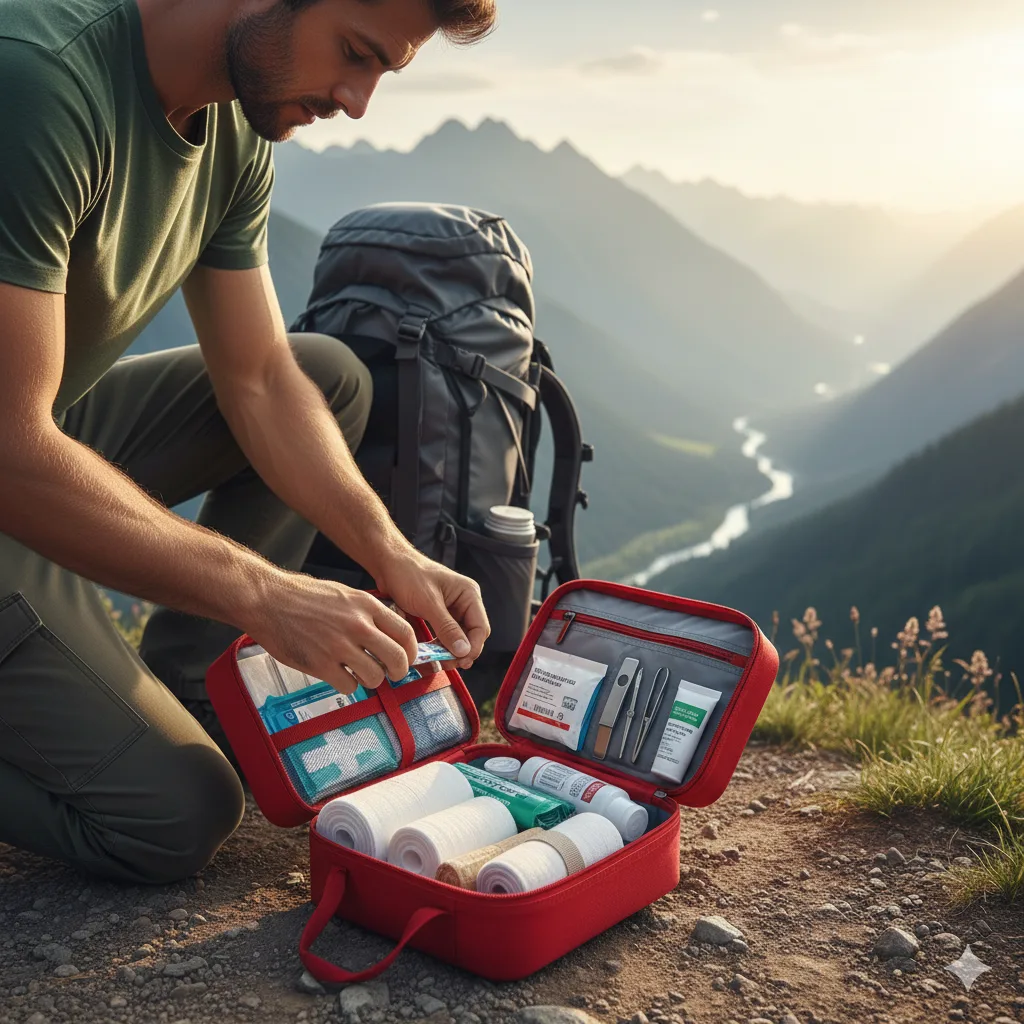
A well-stocked hiking first aid kit is the foundation of trail safety. The goal isn’t to carry a hospital on your back it’s to address the injuries most likely to happen during your specific outing without unnecessary weight. Customize your kit based on trip length, group size, and the remoteness of your destination.
Essential Items for Every Hiking First Aid Kit
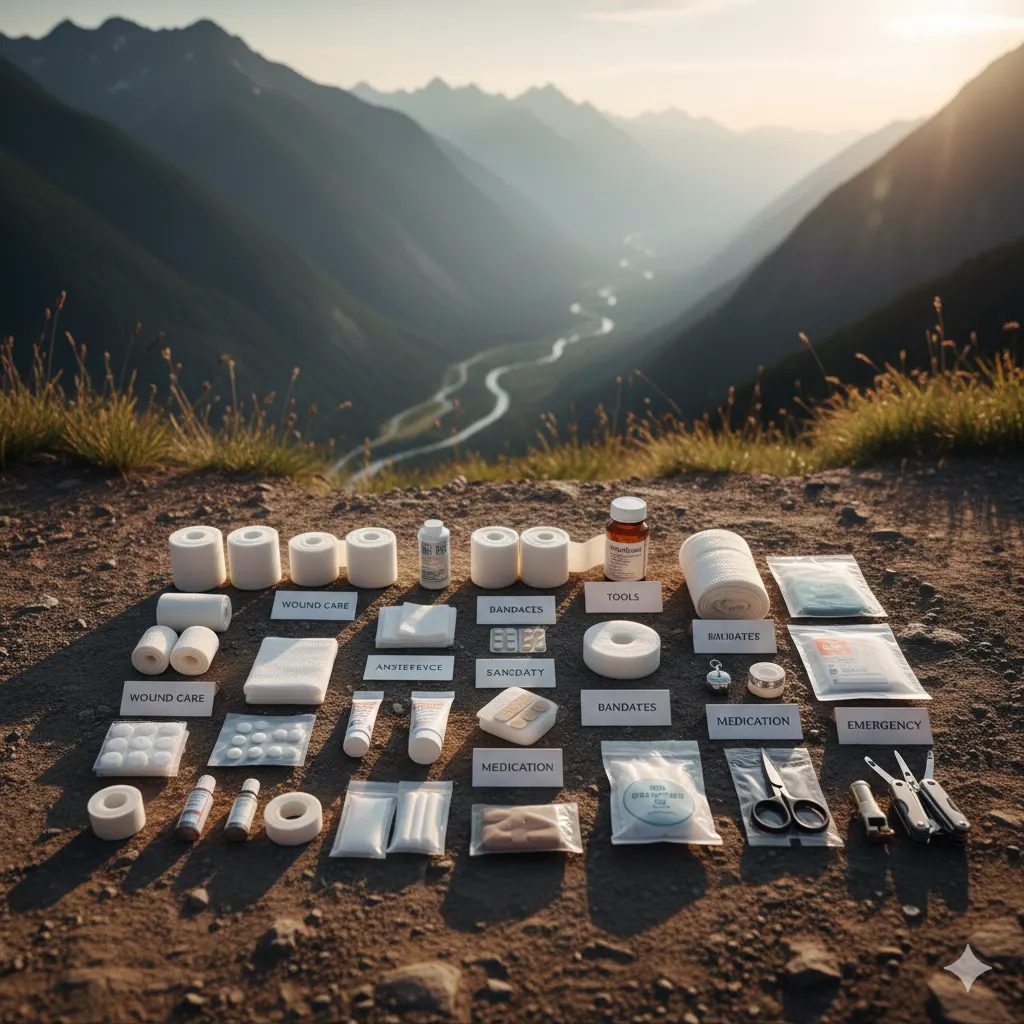
These are the non-negotiables that belong in every kit, regardless of whether you’re hiking for two hours or two days:
- Adhesive bandages in various sizes for cuts and blisters
- Gauze pads and medical tape for larger wounds
- Antiseptic wipes or solution for cleaning trail injuries
- Blister treatment including moleskin or specialized patches
- Pain relievers like ibuprofen or acetaminophen
- Antihistamine for allergic reactions to stings or plants
- Tweezers for removing splinters, thorns, or ticks
- Elastic bandage for sprains and strains
- Scissors or knife for cutting tape and bandages
- Disposable gloves to protect yourself and the injured person
Additional Items for Longer or Remote Hikes
When venturing deeper into the backcountry or planning overnight trips, expand your hiking first aid kit with these supplies. The added weight is worth it when professional help may be hours away:
- Triangle bandage for improvised slings or larger wraps
- Safety pins for securing bandages in the field
- Antibiotic ointment for thorough wound care
- CPR face shield or mask for cardiac emergencies
- Emergency blanket for warmth or shock treatment
- Irrigation syringe for flushing out deep cuts and punctures
- Prescription medications specific to your personal needs
How to Organize and Maintain Your Kit
Your hiking first aid kit is only useful if you can find what you need quickly under pressure. Store everything in a waterproof container or bag clearly marked as first aid. Before every hike, take 60 seconds to check your kit open it, glance through the contents, and confirm nothing is missing or expired. I learned this the hard way on a trip in the Scottish Highlands when I reached for antiseptic wipes only to find the packet had been used and not replaced. Check your kit before every hike. Replace used or expired items immediately after each outing, keep instructions inside for any unfamiliar items, and ensure every group member knows which pack carries the kit. A pre-made hiking first aid kit from a reputable outdoor brand makes an excellent starting point that you can then customize to your needs.
For comprehensive gear planning alongside your first aid kit, check our guide on essential hiking gear for beginners.
Quick First Aid Kit Checklist
| Item | Purpose | Weight Priority |
|---|---|---|
| Bandages | Minor cuts & blisters | High |
| Elastic wrap | Sprains & joint support | High |
| Antiseptic wipes | Cleaning wounds on trail | High |
| CPR mask | Cardiac emergencies | Medium |
| Emergency blanket | Hypothermia & shock | Medium |
How to Treat Common Hiking Injuries on the Trail
Most hiking injuries are minor but uncomfortable, and early treatment is always better than pushing through. Knowing how to handle these situations calmly and correctly prevents small problems from ending your hike or becoming something more serious.
Blister Treatment on the Trail
Blisters are the most common hiking first aid situation by a wide margin. The key is catching them early. The moment you feel a hot spot that warm, rubbing sensation before a blister fully forms stop immediately and address it. Remove your boot and sock, clean and dry the area completely, then apply moleskin or a blister patch around the irritated spot rather than directly on top of it, creating a donut-shaped buffer that removes pressure. If a blister has already formed, protect it without popping when possible. For large blisters that interfere with walking, drain with a sterilized needle by making a small hole at the edge, press the fluid out gently, leave the skin intact, apply antibiotic ointment, and cover with protective padding.
Cuts and Scrapes: Proper Trail Wound Care
Minor cuts from branches, rocks, or falls are common trail injuries that require proper cleaning to prevent infection. Stop any bleeding first by applying direct pressure with the cleanest cloth available. Once bleeding is controlled, clean the wound thoroughly with water or antiseptic wipes, removing any debris or dirt carefully. Apply antibiotic ointment if you have it, then cover with an appropriate bandage or gauze secured with medical tape. Over the following days, monitor the wound for signs of infection: increasing redness, warmth, swelling, or discharge are all warning signs that require medical attention.
Sprains and Strains: The RICE Method
Ankle sprains are particularly common on uneven terrain and can range from mildly annoying to completely debilitating. As soon as a sprain occurs, apply the RICE method: Rest (stop hiking and assess severity), Ice (apply a cold compress stream water works well in the backcountry), Compression (wrap with an elastic bandage for support), and Elevation (raise the injured area when resting). Take anti-inflammatory medication to reduce swelling, and then honestly assess whether you can safely hike out or need to call for assistance. Hiking on a serious sprain without support risks turning a manageable injury into a much longer recovery.
How to Handle Serious Hiking Emergencies Safely
Life-threatening trail emergencies are rare, but they happen. When they do, knowing the correct response and keeping calm enough to execute it can genuinely save a life while professional help is on the way.
Severe Bleeding
Apply direct, firm pressure to the wound immediately using the cleanest cloth available. The most important rule: do not remove blood-soaked bandages. Adding more material on top maintains clotting. Elevate the injured area above heart level if possible, and if bleeding doesn’t slow with direct pressure, apply pressure to the relevant arterial pressure point. Treat for shock simultaneously by keeping the person warm, calm, and still. Call for emergency help without delay severe bleeding is always a priority evacuation situation.
Head Injuries on the Trail
Head injuries from falls require careful and conservative assessment. Any loss of consciousness, even briefly, demands immediate evacuation there are no exceptions to this rule. Keep the person still and lying down, monitor closely for confusion, vomiting, worsening headache, or unequal pupils, and do not give food or water if evacuation is necessary. Symptoms can worsen gradually over time, so continuous monitoring is essential. When in doubt, call for emergency help. A head injury is never worth gambling on.
Broken Bones: Field Splinting
If a fracture is suspected, immobilize the injured area without moving it unnecessarily. Improvise a splint using trekking poles, sturdy sticks, or other rigid items, and pad it generously with clothing for comfort. Secure the splint with bandages or strips of fabric, then check circulation beyond the injury regularly look for feeling, warmth, and movement in fingers or toes. Major fractures always require emergency evacuation; a field splint is a temporary measure to stabilize and reduce pain during transport, not a treatment.

When to Call for Emergency Help While Hiking
One of the most important hiking first aid skills is knowing when a situation exceeds what you can safely manage on the trail. Pride and optimism have no place in this decision when in doubt, call for help.
Emergency Evacuation Situations
These situations always require professional emergency assistance regardless of how far you are from the trailhead:
- Severe bleeding that won’t stop with sustained direct pressure
- Any head injury involving loss of consciousness
- Suspected spinal injury following a significant fall
- Severe allergic reactions or any difficulty breathing
- Heatstroke symptoms confusion, absent sweating, very high body temperature
- Snake bites from potentially venomous species
- Any situation where the injured person cannot safely hike out
How to Get Emergency Help on the Trail
When you need help, act quickly and provide responders with as much information as possible. Call 911 (or your local emergency number) if cell service is available, and immediately provide your exact GPS coordinates most smartphone apps show these clearly. Describe the nature of the injury and how many people need help. Note any nearby landmarks, trail markers, or distinctive features that can help rescuers locate you. If there’s no cell service, send the most capable person in your group for help while the rest stay with the injured party. Three sharp whistle blasts repeated at intervals is the universal distress signal in wilderness settings.
Self-Treat vs Call for Help: Quick Decision Guide
| Situation | Self-Treat on Trail | Call Emergency Help |
|---|---|---|
| Blisters | Yes | No |
| Minor cuts/scrapes | Yes | No |
| Mild sprain | Yes, with support | If unable to bear weight |
| Head injury | No | Always |
| Heatstroke symptoms | No | Immediately |
| Broken bone | Temporary splint only | Yes |
| Snake bite | No | Immediately |
Hiking Injury Prevention: Stay Safe Before Problems Start
The best hiking first aid is the kind you never have to use. The vast majority of trail injuries are preventable with thoughtful preparation and smart decision-making. Wear properly fitted, well broken-in hiking boots the single most effective prevention against blisters and ankle injuries. Use trekking poles for stability on uneven terrain; research consistently shows they significantly reduce the risk of falls and ankle sprains. Stay well hydrated and eat regularly to maintain energy and focus, take genuine breaks before exhaustion sets in, and always match trail difficulty to your current fitness level. Most importantly, pay full attention to the trail surface rather than your phone or scenery when conditions are technical.
Weather-Related Injury Prevention
Environmental conditions cause a significant proportion of serious hiking emergencies. Always check forecasts before heading out, and start hikes early to avoid afternoon heat peaks and typical afternoon thunderstorm windows. Carry extra insulating layers even in warm weather mountain conditions change rapidly and know clearly in advance at what point deteriorating conditions mean you turn back. The decision to descend early is never failure; it’s smart hikng first aid before an emergency develops.
Heat, Cold & Dehydration: Environmental Hiking Risks Explained
Environmental conditions create specific medical challenges that require different responses. Understanding these differences is critical treating heatstroke the same way as heat exhaustion, for example, could cost someone their life.
Heat Exhaustion vs Heatstroke: Key Differences
Heat-related illness is one of the most common and most dangerous hiking emergencies, particularly in summer months and desert environments. Knowing the difference between heat exhaustion and heatstroke determines whether you treat on-trail or call emergency services immediately.
| Feature | Heat Exhaustion | Heatstroke |
|---|---|---|
| Severity | Moderate heat illness | Life-threatening emergency |
| Body Temperature | 38–40°C (100–104°F) | Above 40°C (104°F+) |
| Sweating | Heavy sweating | Little or no sweating |
| Skin | Cool, pale, clammy | Hot, red, dry |
| Mental State | Dizziness, weakness | Confusion, fainting, seizures |
| Treatment | Rest, shade, fluids, cooling | Call emergency services immediately |
Important: Heatstroke is a medical emergency that can cause organ failure or death if not treated immediately. Never wait to see if it improves on its own. For heat exhaustion, move the person to shade right away, give cool water to drink if they’re conscious, cool them with wet cloths applied to the neck, wrists, and armpits, and remove excess clothing layers. For heatstroke characterized by confusion, absent sweating, and hot red skin call emergency services immediately while actively cooling the person by any means available.
For more strategies on staying safe in warm conditions, read our article on hiking in hot weather: safety tips.
Hypothermia: Cold Weather Hiking Emergency
Cold weather combined with wet conditions and wind can drop core body temperature to dangerous levels faster than most hikers expect. Early signs include persistent shivering, mental confusion, slurred speech, and poor physical coordination. If you recognize these signs in yourself or a hiking partner, act immediately: move to shelter and remove all wet clothing, replace with dry insulating layers, provide warm (not hot) liquids if the person is conscious and alert, and use body heat from other group members to rewarm gradually. Severe hypothermia where shivering stops and the person becomes lethargic or unconscious is a medical emergency requiring immediate evacuation. According to the American Red Cross, rapid rewarming in the field can cause cardiac complications; gentle, gradual rewarming is always safer.
Dehydration on the Trail
Dehydration is one of the most common and most avoidable hiking emergencies. Warning signs include dark-colored urine, persistent dizziness, dry mouth, and unusual fatigue. If dehydration sets in, rest in shade and drink water slowly and steadily large amounts consumed quickly can cause nausea. Add electrolytes if you have them, and monitor improvement over 30 to 60 minutes. The National Park Service recommends drinking approximately half a liter of water per hour during moderate hiking in normal temperatures, more in heat or at altitude. Prevent dehydration by drinking regularly throughout your hike rather than waiting until you’re thirsty.
Dealing with Bites and Stings on the Trail
Insects, ticks, and snakes are regular features of natural trail environments. Most encounters are harmless, but knowing the correct hiking first aid response for bites and stings ensures a minor incident doesn’t become a serious one.
Insect Stings
Remove a bee stinger quickly by scraping it out sideways with a credit card or fingernail don’t pinch it with fingers or tweezers, which can squeeze more venom in. Wash the area with soap and water, apply ice or a cold compress to reduce swelling, and take an antihistamine if available. The critical concern with stings is anaphylaxis: watch closely for difficulty breathing, throat swelling, widespread hives, or a sudden drop in alertness. If you see these signs and the person carries an epinephrine auto-injector, use it immediately and call for emergency help.
Proper Tick Removal Technique
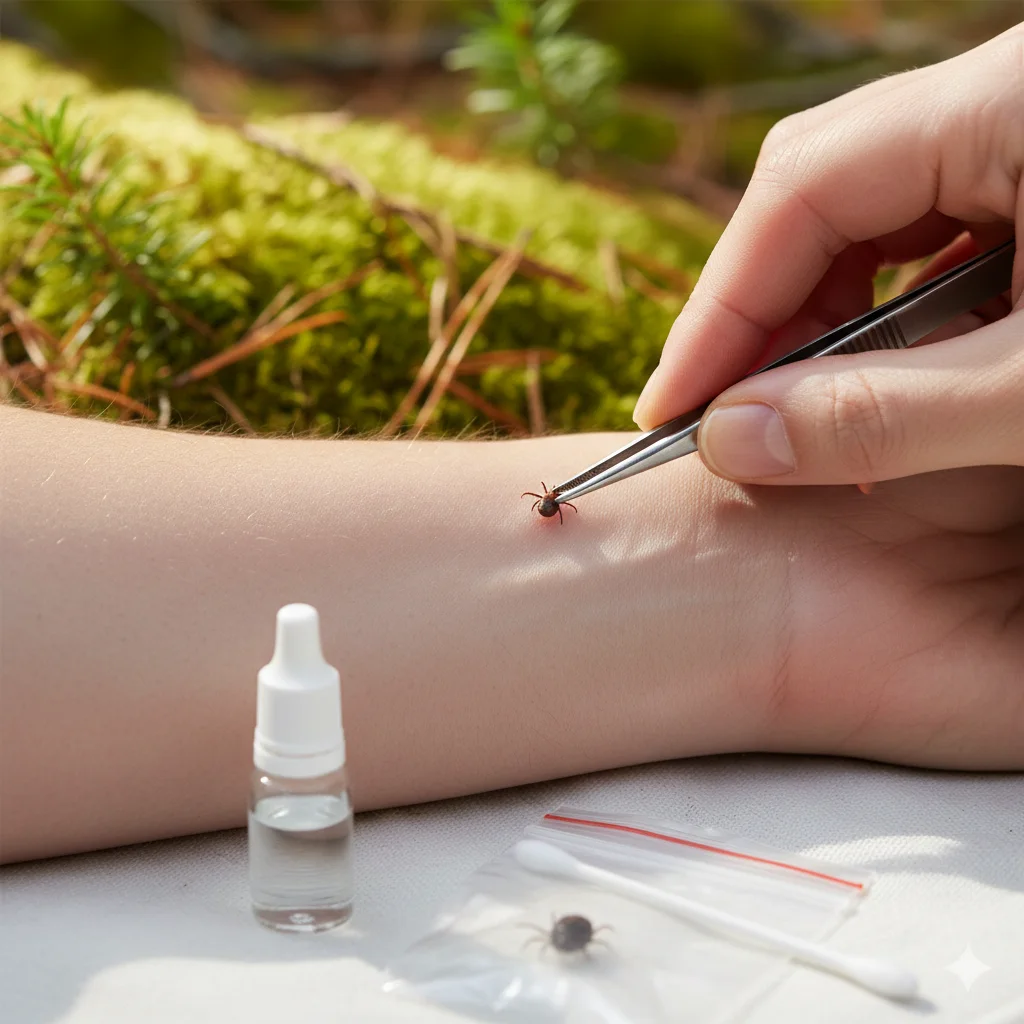
Ticks should be removed as promptly as possible to reduce the risk of disease transmission including Lyme disease in many North American and European regions. Use fine-tipped tweezers to grasp the tick as close to the skin surface as possible, then pull upward with steady, even pressure without twisting. Clean the bite area thoroughly with antiseptic after removal, and save the tick in a sealed bag for identification if symptoms develop later. Monitor the bite site over the following weeks; a characteristic bull’s-eye rash is an important warning sign that warrants prompt medical evaluation.
Snake Bite Response
Move calmly away from the snake to prevent additional strikes, then keep the bitten limb at or below heart level and remove any jewelry or tight clothing near the bite before swelling begins. The most important instruction is what not to do: do not apply ice, do not use a tourniquet, and do not attempt to suck out venom these are outdated techniques that cause additional harm. Keep the person calm and as still as possible to slow venom spread, and begin immediate evacuation while calling for emergency help. Identifying the snake by sight (not by handling it) is useful for medical responders but not worth additional risk.
Group Hiking First Aid: Roles and Responsibilities
Hiking with others adds an important safety layer but only if your group is actually prepared to function as a team during an emergency. Before setting out on any significant trail, take a few minutes to have a frank conversation about first aid roles and responsibilities.
Designate Clear Roles Before You Hike
Identify who in your group has the most first aid or wilderness first aid training that person leads medical decisions during emergencies. Decide before the hike who carries the main first aid kit and ensure everyone knows which pack it’s in. Share relevant medical information within the group: allergies, existing conditions, medications, and any personal emergency contacts. Designate a secondary person responsible for communication and navigation in case evacuation becomes necessary.
Communicate About Medical Needs
This is a conversation that feels awkward but matters enormously. Tell your hiking partners about any serious allergies, chronic conditions, or emergency medications you carry, and explain clearly how to use them particularly epinephrine injectors or emergency inhalers. Share emergency contact numbers before the hike, not after an accident occurs. Discuss in advance how the group would respond to different scenarios: what’s the plan if someone has a serious sprain five miles in? Who goes for help, who stays? Having these answers before you need them prevents panic and delays during actual emergencies.

Wilderness First Aid Training: Courses and Certification
Reading about hiking first aid is a valuable start, but hands-on training builds a completely different level of competence. When you’ve actually practiced splinting an ankle or treating a simulated shock victim, the skills are available under pressure in a way that reading alone never achieves.
Recommended First Aid Training Options
Wilderness First Aid (WFA) courses, typically 16–20 hours, cover the core remote emergency scenarios most hikers are likely to encounter and are widely recommended as a minimum standard for anyone who hikes regularly in backcountry terrain. The Wilderness First Responder (WFR) certification is a comprehensive 70–80 hour course appropriate for outdoor guides, expedition leaders, and those spending extended time in remote areas. At minimum, a basic CPR and AED certification course is accessible, affordable, and directly relevant to trail emergencies. Many outdoor organizations including the American Red Cross and NOLS offer scheduled courses in most regions. Plan to refresh your hiking first aid certification every two to three years to keep skills sharp and knowledge current.
Keep Your Skills Sharp Between Courses
Certification is only the beginning. Knowledge fades quickly without practice, especially under the stress of a real emergency. Review first aid procedures before longer hiking trips, practice bandaging and splinting techniques at home using a willing family member or friend as your patient, and mentally rehearse scenarios during routine hikes “What would I do if my partner fell here?” Regular review takes only minutes but dramatically improves how you’d actually perform when it matters.
For comprehensive trip preparation beyond first aid, visit our guide on how to plan a full day hike.
Final Thoughts: Master Hiking First Aid Before Every Trip
Hiking first aid knowledge is not optional for anyone who takes trails seriously it’s as fundamental as wearing good boots or carrying enough water. The skills covered in this guid building a proper hiking first aid kit, treating common trail injuries like blisters and sprains, responding to heat emergencies and serious trauma, and knowing when to call for professional help form the baseline that every hiker needs before stepping onto a trail. Start with your kit: audit it today, replace anything expired or missing, and make sure you know where everything is. Then invest in hands-on wilderness first aid training; no article, however thorough, replaces the confidence that comes from practicing these techniques under an instructor’s guidance. Most hiking emergencies are preventable, and most that do occur are manageable with preparation and knowledge. Build both, and you’ll hike more confidently, more safely, and more enjoyably for years to come.
Disclaimer: This article is for educational purposes only and does not replace professional medical advice or certified first aid training. Always consult a qualified medical professional for personal health concerns.
Ready to upgrade your trail safety? Audit your hiking first aid kit this week, replace any expired or missing items, and find a wilderness first aid course near you. Your future self and your hiking partners will thank you.
Frequently Asked Questions About Hiking First Aid
Should I pop a hiking blister or leave it intact?
Small, intact blisters are generally better left unpopped the fluid beneath protects the healing skin. However, large blisters that cause significant pain or interfere with walking may need draining. If you drain a blister, sterilize a needle with alcohol or flame, make a small puncture at the blister’s edge, press the fluid out gently, and leave the overlying skin completely intact. Apply antibiotic ointment and cover with a protective bandage. Never remove the blister’s skin roof doing so removes your natural wound covering and dramatically increases infection risk.
How do I know if an ankle sprain is serious enough to stop hiking?
Test your ankle by carefully putting weight on it after initial RICE treatment. If you can bear weight and walk slowly with manageable pain, you may be able to continue with caution and support. Stop immediately and seek help if you experience severe pain when bearing weight, visible deformity or significant swelling, inability to move the ankle, or numbness. An injury that prevents normal walking will worsen with continued hiking and could require evacuation rather than a simple walk out always err on the side of caution.
What is the difference between heat exhaustion and heatstroke?
Heat exhaustion involves heavy sweating, weakness, nausea, and headache while the person remains conscious and alert it can often be treated on trail with rest, shade, and hydration. Heatstroke is a medical emergency where the body’s cooling system fails entirely: the person stops sweating despite extreme heat, becomes confused or loses consciousness, and develops very high body temperature with hot, red, dry skin. Heatstroke requires immediate emergency evacuation and active cooling delay causes organ damage and can be fatal. When uncertain, treat any severe heat illness as heatstroke and call for help.
Do I really need wilderness first aid training if I only do day hikes?
While not legally required, wilderness first aid training is genuinely valuable even for regular day hikers. Accidents happen on any trail, and you may encounter other hikers in crisis who need competent help. A WFA course teaches you to make better evacuation decisions, manage injuries with limited supplies, and stay calm under pressure. Even a 16-hour course dramatically improves your effectiveness in trail emergencies. At minimum, complete a basic first aid and CPR course but wilderness-specific training prepares you far better for the realities of trail environments where professional help is not immediately available.


No comments yet. Be the first to share your thoughts.