
Coastal Hiking vs Inland Hiking: Which Trail Type Is Right for You?
Choosing between coastal and inland hiking changes your entire experience. Each trail type offers different terrain, weather, and challenges. Understanding the key differences helps you plan a safer, more enjoyable hike.
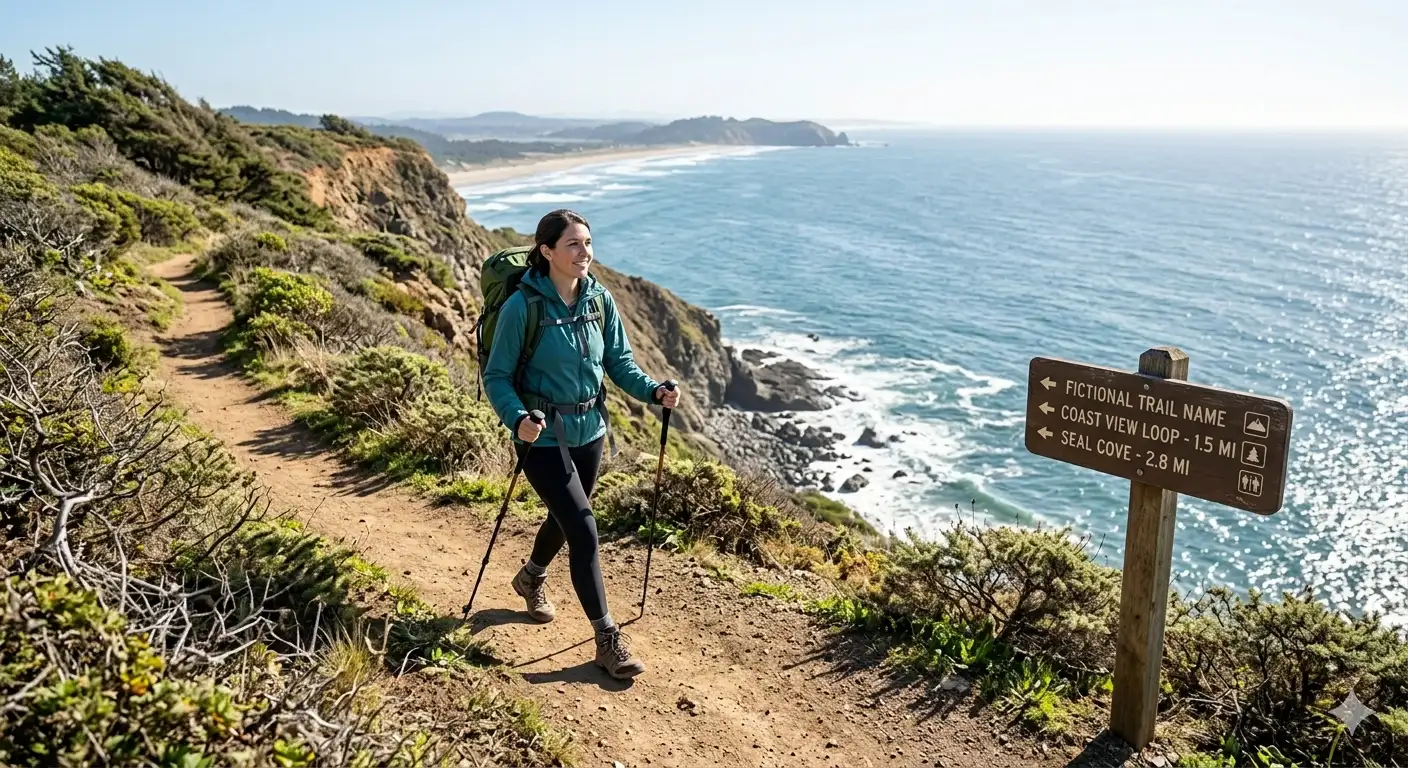
What Is Coastal Hiking?
Coastal hiking takes you along shorelines, cliffs, beaches, and headlands. You follow trails beside the sea, often with open views and salty air.
Common Coastal Trail Features
- Rocky cliffs and exposed headlands
- Sandy or pebbly beach sections
- Tidal inlets that affect your route
- Strong wind exposure
- Dramatic sea views
Pros of Coastal Hiking
- Stunning, open scenery throughout the trail
- Generally flatter terrain in many sections
- Good for beginners on easy coastal paths
- Wildlife sightings like seabirds and seals
- Refreshing sea breeze on warm days
Cons of Coastal Hiking
- Wind and salt air can feel harsh
- Tides can block your path unexpectedly
- Cliff edges require careful footing
- Limited shade on exposed sections
- Sand slows your pace and tires your legs
What Is Inland Hiking?
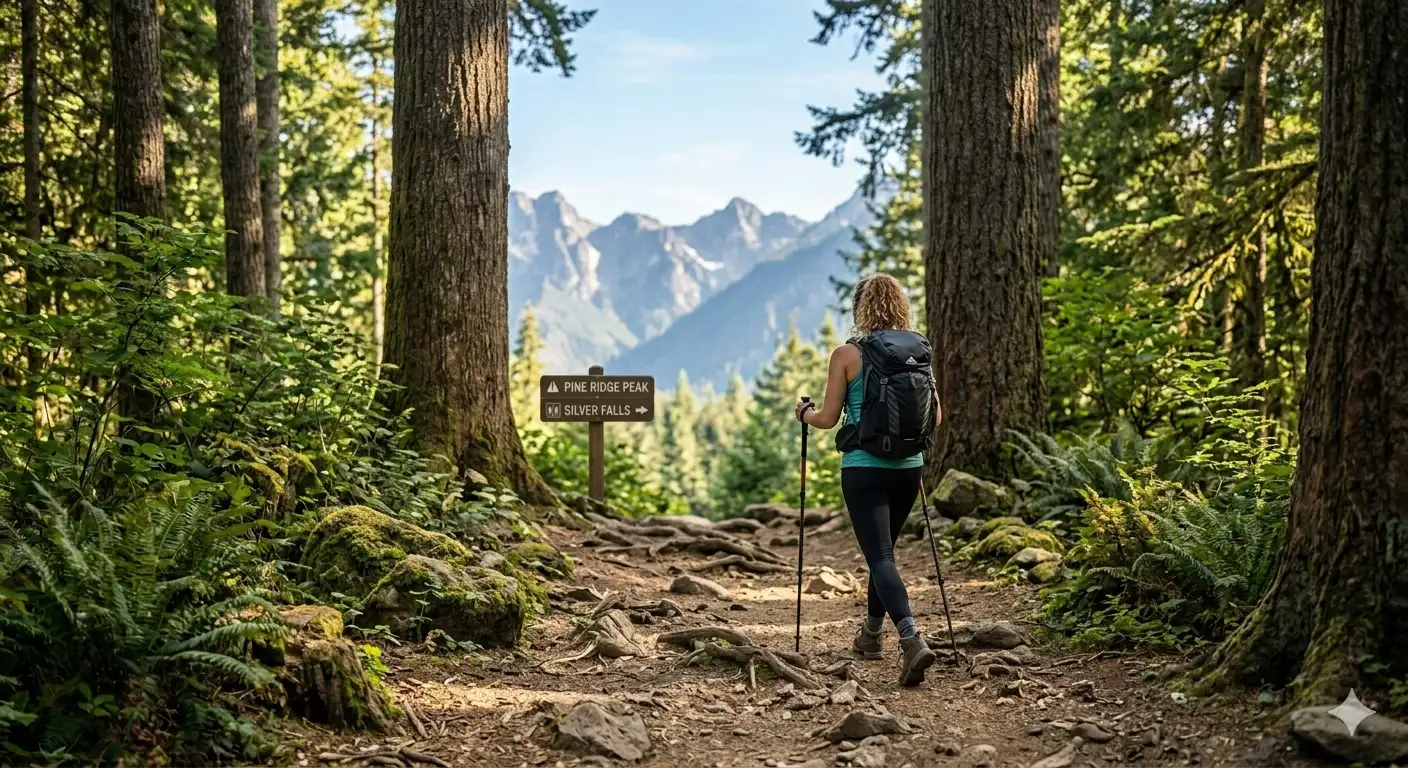
Inland hiking covers forests, mountains, valleys, and plateaus. Your trail moves away from the coast, into varied landscapes and elevation changes.
Common Inland Trail Features
- Dense forest and woodland paths
- Hills, ridges, and mountain climbs
- River crossings and valley routes
- Sheltered sections with good shade
- Longer distances between water sources
Pros of Inland Hiking
- More shelter from wind and sun
- Greater variety of terrain and ecosystems
- Better for building fitness on steep trails
- Quieter and more remote in many areas
- Rewarding summit or viewpoint payoffs
Cons of Inland Hiking
- Steeper climbs demand more fitness
- Navigation can be harder in dense forest
- Water sources are less predictable
- Weather changes fast at higher elevations
- Fewer bailout options on remote routes
Coastal vs Inland Hiking: Key Comparisons
Terrain Difficulty
Coastal trails vary from easy beach walks to tough cliff-top paths. Inland trails often involve more elevation gain and technical footing on rocky or rooted ground.
- Coastal: Mixed — flat beaches to steep cliffs
- Inland: Often more demanding due to elevation
Weather Considerations
Weather affects both trail types differently. Coastal hikers face wind and sea spray. Inland hikers deal with sudden temperature drops at altitude.
- Check tidal times before any coastal hike
- Watch for afternoon thunderstorms on mountain trails
- Coastal fog can reduce visibility quickly
- Inland snow is possible even in late spring
Gear Differences
Your gear list changes depending on which trail type you choose. Some items overlap, but each environment has specific needs.
Coastal Hiking Gear
- Waterproof jacket for sea spray and rain
- Grippy shoes with good traction on wet rock
- Sun protection — hat, sunscreen, sunglasses
- Tide table or tidal app on your phone
- Extra water, as coastal paths often lack fresh sources
Inland Hiking Gear
- Layering system for temperature changes
- Trekking poles for steep or uneven terrain
- Water filter or purification tablets
- Detailed map and compass for navigation
- Headlamp for early starts or late finishes
Which Trail Type Suits You Best?
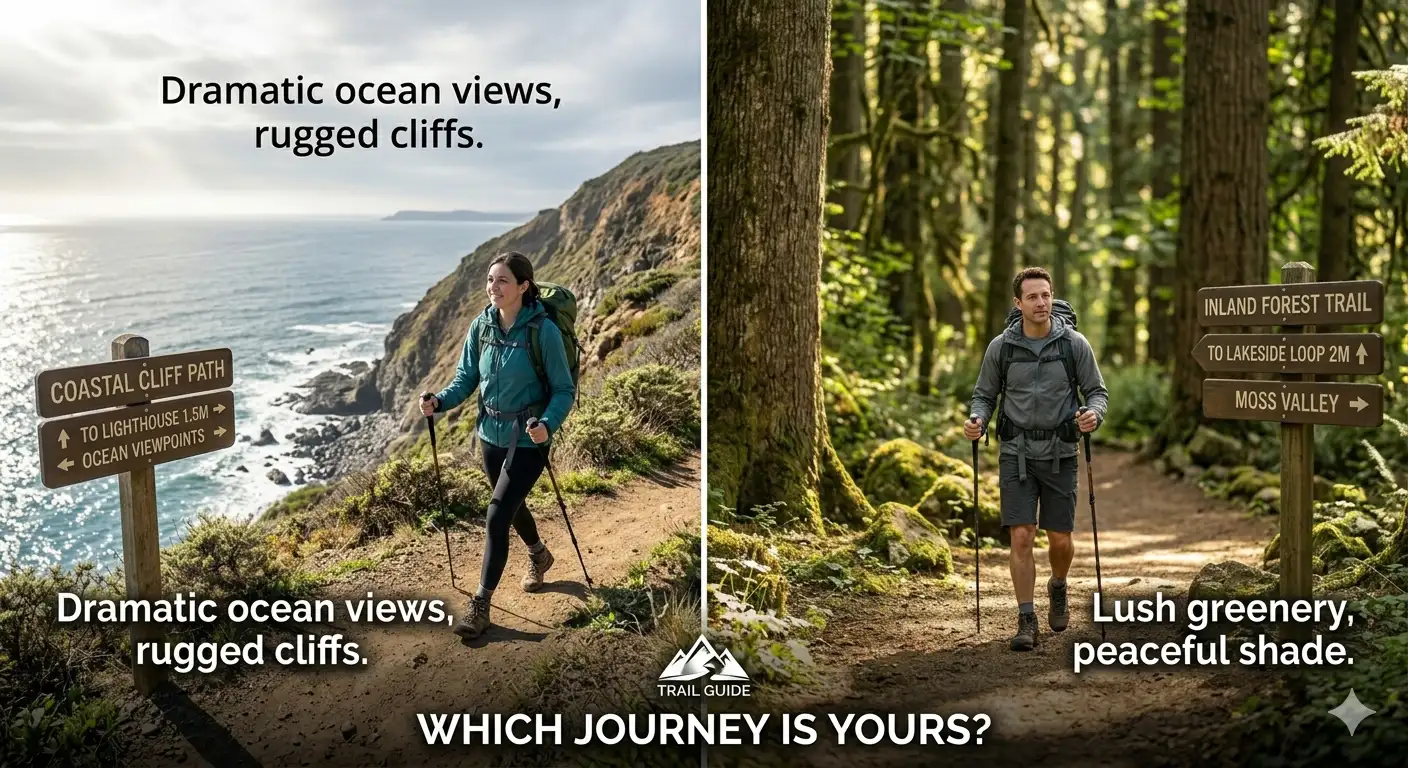
Your choice depends on your fitness, experience, and what you enjoy most. Use these simple pointers to guide your decision.
Choose Coastal Hiking If You:
- Love open views and sea scenery
- Prefer relatively flat or moderate terrain
- Are a beginner or hiking with children
- Want a relaxed pace with photo opportunities
- Enjoy wildlife and birdwatching
Choose Inland Hiking If You:
- Want a physical challenge with elevation gain
- Prefer shaded forest trails
- Are building fitness for a longer trek
- Enjoy remote, quiet environments
- Want summit views or mountain experiences
Safety Tips for Both Trail Types
- Always tell someone your planned route and return time
- Carry a fully charged phone and a paper map as backup
- Start early to avoid midday heat or afternoon storms
- Wear proper footwear suited to your trail surface
- Carry more water than you think you need
- Turn back if weather changes and conditions feel unsafe
For more guidance on trail planning, read our beginner’s guide to choosing your first hiking trail. You can also explore our essential hiking gear checklist to prepare for either trail type.
Conclusion
Both coastal and inland hiking offer unique rewards. Coastal trails give you open sea views and accessible terrain. Inland trails offer challenge, shelter, and summit satisfaction. The best trail is the one that matches your current goals and fitness level. Try both and see which landscape speaks to you most.
Ready to plan your next hike? Browse our trail guides by region and find your perfect route today.
Frequently Asked Questions
Is coastal hiking easier than inland hiking?
Not always. Some coastal trails are flat and beginner-friendly, but cliff-top paths can be demanding. Inland trails often involve more elevation gain, making them more physically challenging overall.
What shoes should I wear for coastal hiking?
Choose waterproof trail shoes or hiking boots with strong grip. Wet rocks and uneven surfaces near the coast require good traction and ankle support.
Can I do coastal hiking with children?
Yes, on suitable trails. Look for flat coastal paths away from cliff edges. Always supervise children near tidal zones and check conditions before you go.
How do I check tides before a coastal hike?
Use a free tide table app or check a local coastal authority website. Always plan your route around low tide if your path crosses tidal areas.



No comments yet. Be the first to share your thoughts.