
Day Hiking vs Trekking: Key Differences, Gear & Which to Choose
Understanding day hiking vs trekking is essential before choosing your next outdoor adventure. Both activities differ significantly in duration, gear requirements, and planning.
Day hiking means completing a trail and returning home the same day, while trekking involves multiple days of hiking with overnight camping. Understanding these differences helps you choose the right adventure and prepare properly for each experience.
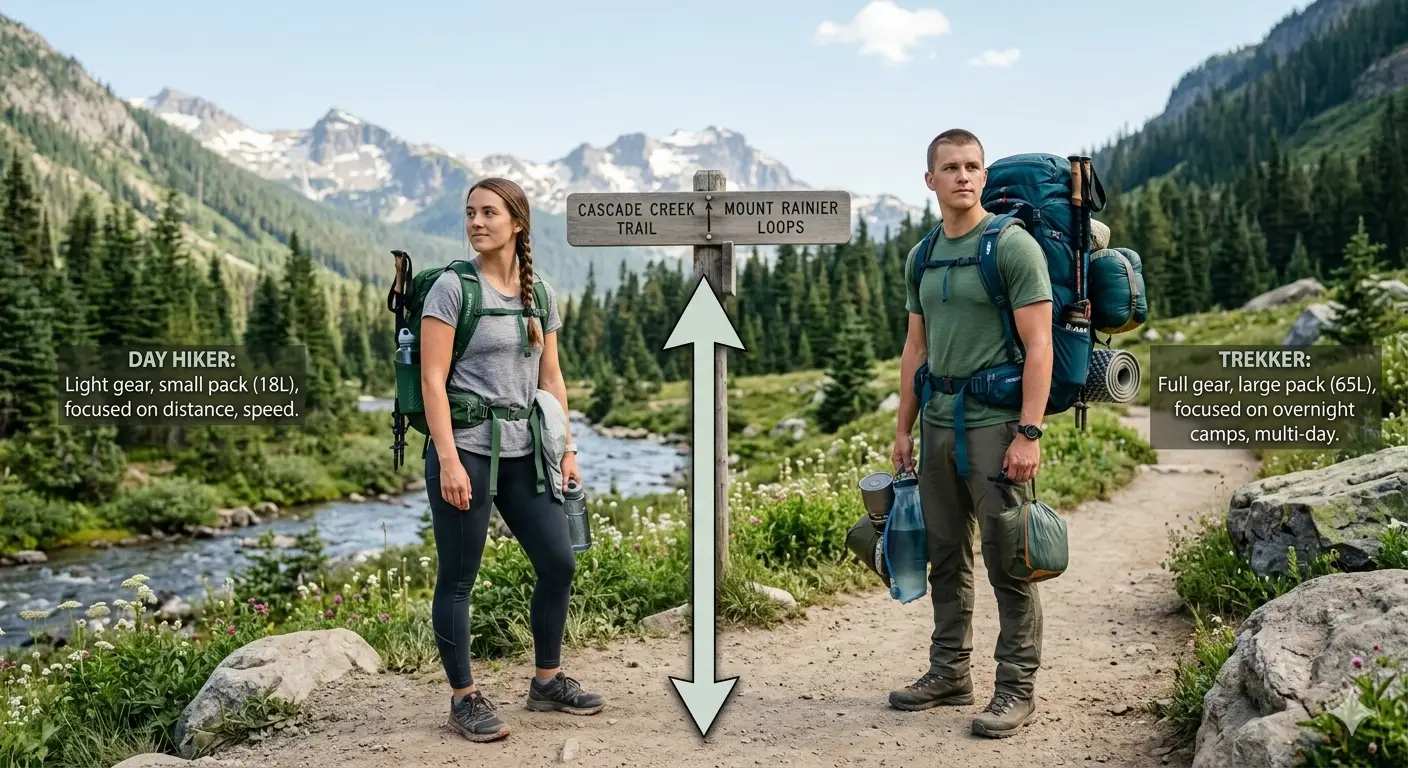
Quick Answer: Day hiking means completing a trail in one day with a light pack (10–15 lbs). Trekking involves multi-day journeys carrying 25–40 lbs of camping gear. Trekking requires more fitness, planning, and investment, but offers deeper wilderness immersion.
What Is Day Hiking? Definition & Key Facts
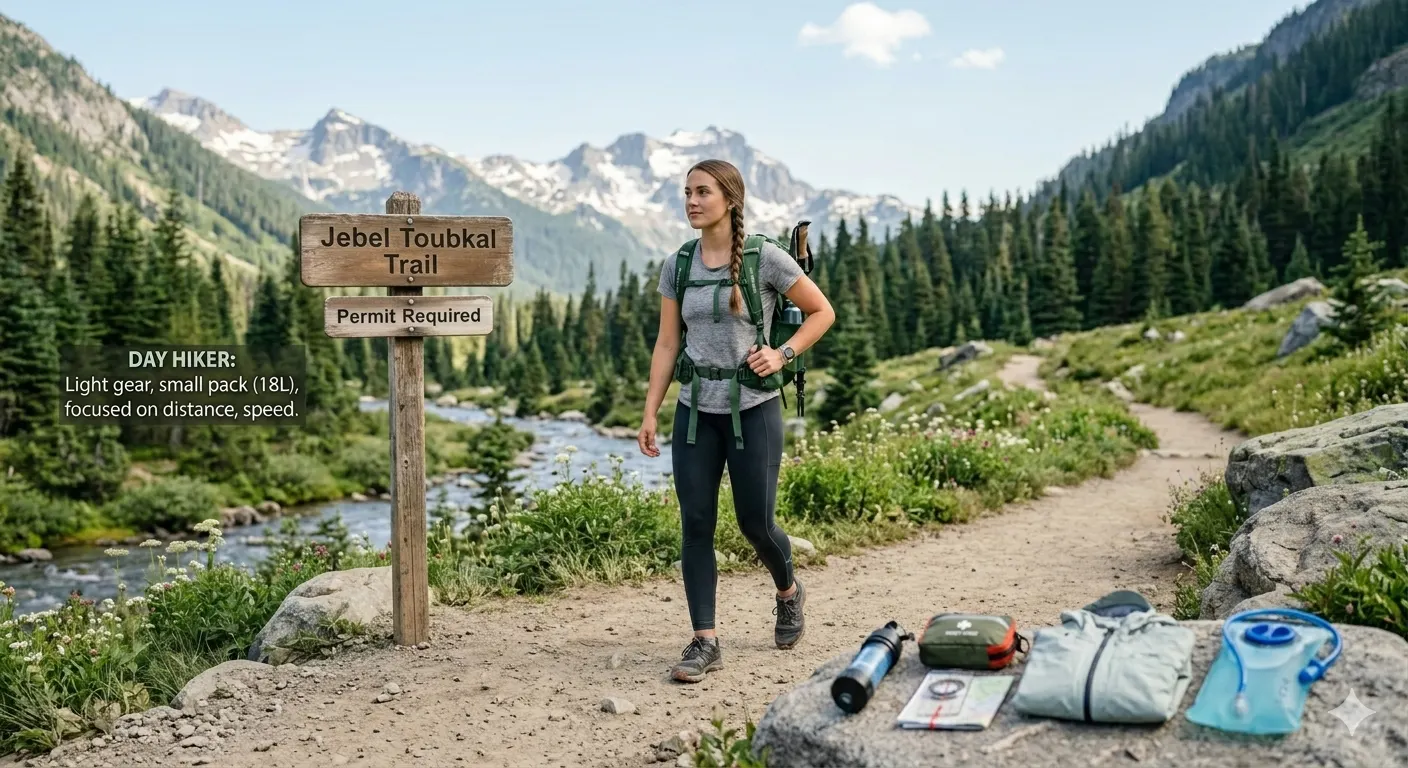
Day hiking is a single-day outdoor activity where you walk on trails and return to your starting point before nightfall. You carry only what you need for several hours on the trail.
Key Characteristics of Day Hiking
- Duration: Typically 2-8 hours on the trail
- Distance: Usually 3-15 miles round trip
- Pack weight: Generally 10-15 pounds including water and snacks
- No camping gear needed
- You return to your vehicle the same day
- Meals and sleeping happen at home
What You Carry for Day Hikes
- Water (2-3 liters depending on conditions)
- Snacks and lunch
- Extra clothing layers
- First aid kit
- Navigation tools (map, compass, GPS)
- Sun protection and rain gear
- Emergency supplies
Benefits of Day Hiking
- Less gear means lighter pack and easier hiking
- Lower cost since you don’t need camping equipment
- Easier to fit into busy schedules
- Good for testing fitness levels
- Less intimidating for beginners
- Comfortable bed waiting at home
For detailed day hiking preparation, read our guide on how to plan a full day hike.
What Is Trekking? Multi-Day Hiking Explained
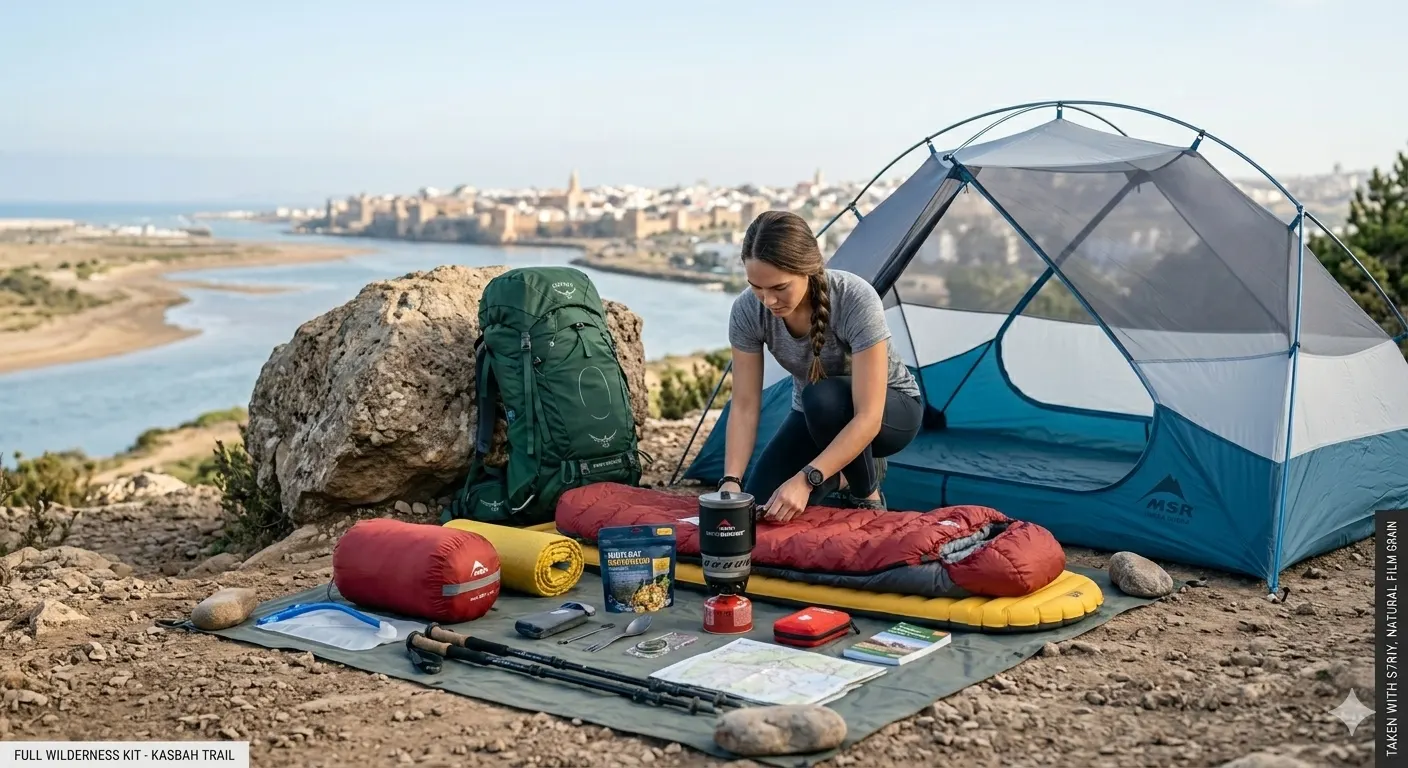
Trekking is multi-day hiking where you carry camping gear and spend nights on the trail. Each day you hike to a new campsite or return to a base camp.
Key Characteristics of Trekking
- Duration: 2 days to several weeks
- Distance: Can range from 10 to hundreds of miles total
- Pack weight: Typically 25-40 pounds with full camping gear
- Requires shelter, sleeping bag, and cooking equipment
- You’re self-sufficient for multiple days
- More remote from civilization
Essential Trek Gear Beyond Day Hiking
- Tent or shelter system
- Sleeping bag rated for expected temperatures
- Sleeping pad for insulation and comfort
- Cooking stove and fuel
- Cooking pot and utensils
- Water filter or purification method
- Multiple days of food
- Larger backpack (50-70 liters)
Types of Trekking
- Point-to-point treks: Start and end at different locations
- Loop treks: Return to starting point via different route
- Base camp treks: Set up one camp and do day hikes from there
- Through-hikes: Long-distance trails taking weeks or months
To prepare for multi-day adventures, check out how to prepare for your first trek.
Day Hiking vs Trekking: Physical Demands & Fitness
The physical gap between day hiking vs trekking is wider than most beginners expect. Understanding these differences helps you train appropriately.
Day Hiking Fitness Needs
- Basic cardiovascular endurance for several hours
- Ability to carry 10-15 pounds comfortably
- Leg strength for varied terrain
- Recovery happens at home each day
- Can start with moderate fitness level
Trekking Fitness Demands
- Sustained endurance over consecutive days
- Strength to carry 25-40 pounds for hours daily
- Core and back strength for heavy pack support
- Recovery happens on the trail with limited rest
- Requires building specific trekking fitness
- Mental resilience for multi-day challenges
Training Differences
- Day hiking: Regular walks and weekend hikes suffice
- Trekking: Need weighted pack training for 6-8 weeks beforehand
- Trekking: Practice consecutive hiking days
- Trekking: Strengthen legs, core, and back specifically
- Trekking: Test your fitness on overnight practice trips
Understanding the training gap in day hiking vs trekking helps you prepare effectively for whichever adventure you choose.
Build your stamina with our guide on how to build hiking endurance.

How to Plan a Day Hike vs a Trek: Step-by-Step
The planning complexity increases significantly when you move from day hiking to trekking.
Day Hiking Planning
- Choose trail and check conditions
- Pack essentials in 30 minutes
- Drive to trailhead and start hiking
- Can be spontaneous or last-minute
- Simple logistics with one parking location
- Easier to change plans if weather turns bad
Trekking Planning Requirements
- Research route, campsites, and water sources weeks ahead
- Obtain permits often required for overnight camping
- Plan food for multiple days (1.5-2 pounds per day)
- Arrange transportation if doing point-to-point trek
- Study weather patterns and seasonal conditions
- Prepare detailed itinerary with daily mileage goals
- Test all gear before departure
- File trip plan with emergency contact
Food Planning Comparison
- Day hiking: Pack lunch and snacks, eat dinner at home
- Trekking: Plan breakfast, lunch, dinner, and snacks for each day
- Trekking: Choose lightweight, calorie-dense foods
- Trekking: Calculate total food weight (3-6 pounds per day)
- Trekking: Include cooking fuel in planning
Day Hiking vs Trekking Cost: Budget Breakdown
The cost difference in day hiking vs trekking is one of the biggest deciding factors for beginners.
Day Hiking Costs
- Initial gear: $200-500 (boots, daypack, basics)
- Per trip: $10-30 (food, gas, parking fees)
- No accommodation costs
- Lower overall investment
Trekking Costs
- Initial gear: $800-2,000+ (camping equipment, larger pack)
- Per trip: $50-200+ (permits, food, fuel, transportation)
- Higher quality gear needed for safety
- Significant upfront investment
- Can rent gear initially to test before buying
Safety Tips for Day Hiking and Trekking
Both activities carry risks, but trekking requires greater self-sufficiency and emergency preparedness.
Day Hiking Safety
- Help is relatively accessible
- Can return to car if problems arise
- Cell phone service often available
- Basic first aid knowledge usually sufficient
- Weather changes are manageable with extra layers
Trekking Safety Needs
- Must handle emergencies with limited resources
- Help may be hours or days away
- Need advanced first aid skills and comprehensive kit
- Weather preparation is critical for survival
- Navigation skills are essential, not optional
- Wildlife encounters require knowledge and preparation
- Water treatment prevents illness on multi-day trips
- Emergency shelter and warmth skills necessary
For comprehensive wilderness first aid guidance, visit the REI wilderness safety guide.
Communication Differences
- Day hiking: Tell someone your route and return time
- Trekking: File detailed trip plan with daily camps and alternate routes
- Trekking: Consider satellite messenger for remote areas
- Trekking: Establish emergency check-in protocols
Skills You Need
The skill requirements for day hiking vs trekking progress from basic to intermediate as your experience grows.
Day Hiking Skills
- Basic trail navigation
- Proper pacing and hydration
- Weather awareness
- Leave No Trace principles
- Basic first aid
Learn more about Leave No Trace principles from the official LNT organization.
Additional Trekking Skills
- Advanced map and compass navigation
- Campsite selection and setup
- Food storage to prevent animal encounters
- Water purification methods
- Camp cooking with lightweight stove
- Managing gear in various weather conditions
- Route planning with daily mileage calculations
- Emergency shelter construction
How to Transition from Day Hiking to Trekking
Moving from day hiking to trekking should be gradual. Don’t rush the progression.
Steps to Start Trekking
- Master day hiking on various terrains and distances
- Try car camping to practice camping skills
- Do a one-night trek close to trailhead
- Borrow or rent gear for first attempts
- Go with experienced trekkers initially
- Build up distance and duration gradually
- Learn and practice new skills in controlled settings
Start with Easy Multi-Day Treks
- Choose well-marked, popular trails
- Pick routes with established campsites
- Start with 2-3 nights maximum
- Keep daily mileage moderate (5-8 miles)
- Select areas with reliable water sources
- Avoid technical terrain initially
Common Beginner Mistakes to Avoid
- Jumping to multi-day treks without day hiking experience
- Overpacking and carrying too much weight
- Attempting too many miles per day
- Skipping practice trips with full gear
- Underestimating weather challenges
- Not testing new gear before the trip

Day Hiking or Trekking: Which Is Right for You?
When it comes to day hiking vs trekking, your decision depends on time, fitness, budget, and adventure goals. Both activities offer unique rewards.
Choose Day Hiking If You:
- Have limited time or busy schedules
- Are new to outdoor activities
- Prefer comfort of home for sleeping
- Want lower cost and simpler logistics
- Enjoy variety by trying different trails frequently
- Are building basic fitness and skills
Choose Trekking If You:
- Have day hiking experience and want more challenge
- Crave deeper wilderness immersion
- Want to access remote areas impossible in one day
- Enjoy camping and outdoor living
- Have time for multi-day adventures
- Are ready for increased physical demands
You Can Do Both
- Many hikers enjoy both activities
- Day hike on busy weekends, trek on longer breaks
- Use day hikes to maintain fitness between treks
- Day hikes are excellent training for trekking
- Each complements the other
Environmental Impact
The environmental impact of day hiking vs trekking differs significantly in scale and type.
Day Hiking Impact
- Concentrated on trails near trailheads
- Less waste generation
- No campsite impact
- Easier to follow Leave No Trace principles
Trekking Impact
- Campsites can become degraded with overuse
- More waste to pack out
- Human waste management more complex
- Greater responsibility for minimal impact
- Requires more knowledge of environmental ethics
Conclusion
Day hiking and trekking both offer incredible outdoor experiences but differ significantly in duration, gear requirements, physical demands, and planning complexity. Day hiking provides accessible adventures with minimal gear investment, while trekking requires substantial preparation, fitness, and equipment but rewards you with deeper wilderness immersion. Start with day hiking to build skills and fitness, then progress to overnight and multi-day treks as your confidence and abilities grow.
Whether you prefer day hiking vs trekking, both activities connect you with nature and provide physical and mental health benefits that make the effort worthwhile.
Ready to start your hiking journey? Begin with local day hikes to build your foundation, then explore multi-day trekking when you’re prepared for the next level of adventure.
Frequently Asked Questions
Can I use the same backpack for day hiking and trekking?
No, you typically need different packs for each activity. Day hiking packs are usually 20-30 liters and designed for light loads of 10-15 pounds. Trekking requires 50-70 liter packs with hip belts and frame systems to comfortably carry 25-40 pounds of camping gear and food. Some people use a 40-liter pack as a compromise for overnight trips, but it’s too large for comfortable day hiking and too small for longer treks. The weight distribution system in larger packs transfers load to your hips, which day packs don’t need. If budget is a concern, prioritize getting the right pack for whichever activity you’ll do most frequently.
How much harder is trekking compared to day hiking?
Trekking is significantly more challenging due to several factors: carrying 2-3 times more weight, hiking consecutive days without full recovery, managing camp chores while tired, and dealing with cumulative fatigue. Your legs might feel fine after one day of hiking with a heavy pack, but day three reveals the real challenge. The mental demands also increase—you can’t just go home if weather turns bad or you feel tired. Most people find their first multi-day trek exhausting even if they’re comfortable with long day hikes. However, proper training and gradual progression make trekking achievable for anyone who regularly day hikes. Start with one overnight trip before committing to longer treks.
Do I need to be in better shape for trekking than day hiking?
Yes, trekking requires a higher baseline fitness level and specific conditioning. You need cardiovascular endurance to hike multiple consecutive days, strength to carry a heavier pack for extended periods, and core stability to support the additional weight. While moderate fitness suffices for day hiking, trekking demands training with a weighted pack for 6-8 weeks before your trip. Your body also needs to handle cumulative fatigue since you don’t fully recover between hiking days. That said, trekking fitness is achievable through consistent training—you don’t need to be an athlete. Start with regular day hiking, add weight to your pack gradually, and do consecutive weekend hikes to simulate multi-day demands.
What’s the minimum amount of gear I need to start trekking if I already day hike?
Beyond your day hiking gear, you minimally need: a larger backpack (50-60 liters), tent or shelter, sleeping bag, sleeping pad, cooking stove with fuel, cooking pot and utensils, and water filter. This represents roughly $500-800 if buying new budget-friendly options. Many beginners rent gear for their first trek to test preferences before investing. You can also borrow items from experienced friends. Don’t skip essential items to save money—inadequate shelter or sleeping gear makes trekking miserable and potentially dangerous. Start with reliable budget gear and upgrade later if you continue trekking regularly. Your existing day hiking items (boots, rain gear, navigation tools, first aid kit) transfer directly to trekking, reducing the total new investment needed.


No comments yet. Be the first to share your thoughts.