
How to Prepare for Your First Trek: The Complete Beginner’s Guide
Knowing how to prepare for your first trek means building the fitness, gathering the gear, and developing the skills needed to hike and camp for several consecutive days.
Unlike day hikes where you return to your car each evening, trekking requires carrying everything you need on your back. Proper preparation transforms what could be an overwhelming challenge into an achievable and rewarding adventure.

Trekking vs Day Hiking: Key Differences
Multi-day trekking differs from day hiking in significant ways.
Knowing these differences is essential when learning how to prepare for your first trek.
Key Differences from Day Hiking
- You carry a heavier pack with camping gear and multiple days of food
- Your pack typically weighs 25-40 pounds instead of 10-15 pounds
- You need shelter, sleeping gear, and cooking equipment
- Physical demands continue over multiple consecutive days
- You’re more remote from help and need greater self-sufficiency
- Weather preparation becomes more critical
- Navigation and route-finding skills are more important
Mental Shifts Required
- Accept that discomfort is part of the experience
- Embrace slower pacing with a heavy pack
- Plan for problem-solving with limited resources
- Understand that you can’t just “go home” if things get tough
- Prepare mentally for extended time in nature
Build Your Trekking Fitness
Physical preparation makes trekking safer and more enjoyable.
This guide on how to prepare for your first trek starts here — begin training at least 6-8 weeks in advance.
Cardiovascular Conditioning to Prepare for Trekking
- Hike regularly with gradually increasing distances
- Aim for 2-3 hikes per week if possible
- Include hills and elevation gain in your training
- Walk, run, cycle, or swim on non-hiking days
- Build up to hiking distances similar to your planned daily trek mileage
Pack Weight Training for Your First Trek
- Start hiking with a weighted pack 4-6 weeks before your trek
- Begin with 15-20 pounds and gradually increase
- Work up to carrying your expected trek weight
- Practice on terrain similar to your planned trek
- This prepares your body and tests your gear
Strength and Flexibility
- Strengthen legs with squats, lunges, and step-ups
- Build core strength with planks and other core exercises
- Stretch regularly to prevent injuries
- Focus on ankles, calves, hamstrings, and hip flexors
- Strong muscles protect your joints during long days
For detailed fitness building, read our guide on how to build hiking endurance.

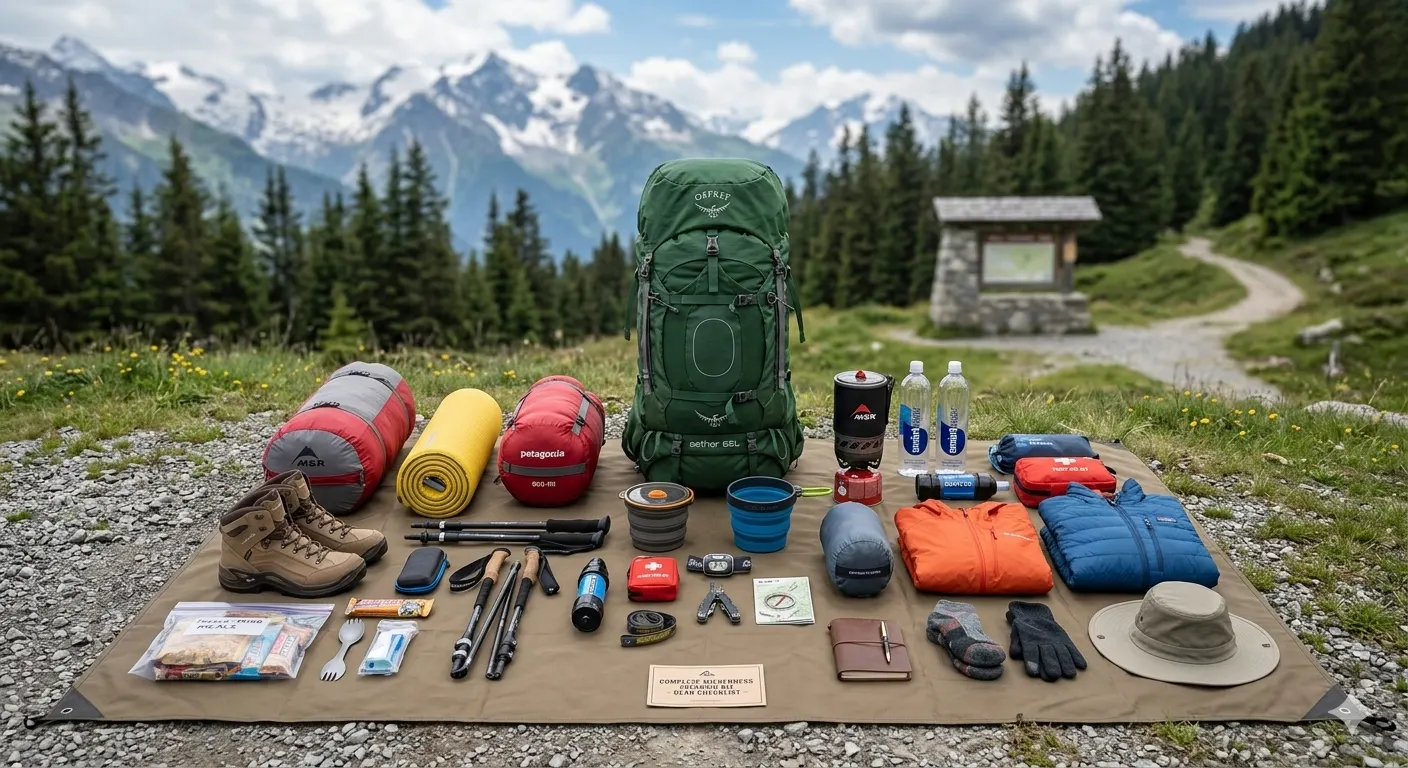
Essential Trekking Gear Checklist for Beginners
Knowing how to prepare for your first trek starts with choosing the right gear. Invest in quality essentials and test everything before your trip.
The Big Three
These three items make up most of your pack weight and deserve careful selection.
- Backpack: 50-65 liter capacity for multi-day trips
- Shelter: Tent, tarp, or hammock system
- Sleep system: Sleeping bag and sleeping pad
- Choose items appropriate for the season and expected temperatures
Clothing Essentials
- Moisture-wicking base layers (not cotton)
- Insulating mid-layer (fleece or down jacket)
- Waterproof rain jacket and pants
- Extra socks and underwear
- Sun hat and warm beanie
- Comfortable broken-in hiking boots
- Camp shoes or sandals for evening comfort
Cooking and Water
- Lightweight stove and fuel
- Cooking pot and utensils
- Water filter or purification tablets
- Water bottles or hydration bladder (2-3 liter capacity)
- Lightweight food storage bags
Safety and Navigation
- Map and compass (know how to use them)
- GPS device or smartphone with offline maps
- First aid kit with blister treatment
- Headlamp with extra batteries
- Fire starter and emergency shelter
- Whistle for emergency signaling
- Multi-tool or knife
Personal Items
- Sunscreen and lip balm with SPF
- Insect repellent
- Toilet paper and trowel
- Personal hygiene items
- Prescription medications
- Quick-dry towel
For a complete gear breakdown, check our article on essential hiking gear for beginners.
Plan Your Food Strategy
Food planning for multi-day treks balances nutrition, weight, and preparation ease.
Calculate Your Needs
- Plan for 1.5-2 pounds of food per person per day
- Aim for 2,500-4,000 calories daily depending on exertion
- Focus on calorie-dense foods to minimize weight
- Include a mix of carbs, proteins, and fats
Smart Food Choices
- Breakfast: Instant oatmeal, granola, breakfast bars
- Lunch: Crackers, cheese, nut butter, jerky, energy bars
- Dinner: Dehydrated meals, pasta, rice, instant soup
- Snacks: Trail mix, dried fruit, chocolate, nuts
- Repackage food to reduce weight and waste
Water Planning
- Research water sources along your route
- Carry 2-3 liters between reliable water sources
- Always treat or filter water from natural sources see CDC guidelines for backcountry water treatment
- Plan extra capacity if water sources are uncertain
Test Everything Before You Go
Never try new gear or techniques on your actual trek.
Testing is a critical step in how to prepare for your first trek properly. it prevents problems and builds confidence.
Practice Overnight Trips Before Your Trek
- Do at least one overnight practice hike before your trek
- Set up your tent multiple times at home
- Practice using your stove and cooking a meal
- Sleep in your sleeping bag to test its warmth
- Identify and fix problems while they’re easy to solve
Break In Your Boots
- Wear new boots for several weeks before trekking
- Start with short walks and gradually increase distance
- Wear them on practice hikes with a loaded pack
- Address any hot spots or discomfort issues early
- Properly broken-in boots prevent blisters
Load and Adjust Your Pack
- Pack everything you’ll bring and wear it around
- Adjust straps for proper weight distribution
- Hip belt should carry most of the weight
- Practice accessing items you’ll need on the trail
- Reorganize until you can find everything easily

Choose Your First Trek Wisely
Selecting the right route is a key part of how to prepare for your first trek. Start with manageable challenges and work up from there.
Ideal First Trek Characteristics
- 2-3 nights maximum duration
- Moderate daily mileage (5-8 miles per day)
- Established trails with good markings
- Reliable water sources along the route
- Designated campsites rather than wilderness camping
- Good weather season for your region
- Options to exit early if needed
Research Thoroughly
- Read recent trip reports from other trekkers
- Study trail maps and elevation profiles
- Check permit requirements and regulations
- Note locations of water sources and campsites
- Understand bear safety and food storage rules
- Check weather patterns for your planned dates
Consider Going with Others
- Trekking with experienced friends provides mentorship
- Group treks offer safety and shared knowledge
- You can share the weight of group gear
- Partners provide motivation during tough moments
- Solo trekking is rewarding but requires more experience
For route planning guidance, read our article on how to plan a full day hike.
Master Basic Trekking Skills
Essential skills make you safer and more comfortable.
Learning these is part of how to prepare for your first trek the right way.
Navigation Fundamentals
- Learn to read topographic maps
- Practice using a compass for basic orientation
- Download offline maps to your phone or GPS
- Identify landmarks and track your progress
- Know what to do if you get lost
Camp Skills
- Choose campsites on durable surfaces
- Set up camp away from water sources (200 feet minimum)
- Store food properly to avoid attracting animals
- Follow Leave No Trace principles
- Know how to hang a bear bag if required
Weather Awareness
- Check forecasts before departing
- Recognize signs of changing weather
- Know when to seek shelter from storms
- Understand hypothermia and heat illness symptoms
- Pack for weather variations beyond the forecast
Plan Your Daily Schedule
Realistic daily planning prevents exhaustion and keeps your trek enjoyable.
Calculate Hiking Time
- Estimate 2 miles per hour on moderate terrain
- Add 30 minutes for every 1,000 feet of elevation gain
- Factor in breaks for meals and rest
- Slow your pace estimate with a heavy pack
- Build in extra time for unexpected delays
Daily Routine
- Start hiking early to avoid afternoon heat or storms
- Take 5-10 minute breaks every hour
- Stop for lunch at a scenic spot around midday
- Arrive at camp 2-3 hours before dark
- Allow time to set up, cook, and relax
Pace Yourself
- Start slower than you think necessary
- Maintain a sustainable pace you can hold all day
- Don’t race—you’re carrying a home on your back
- Listen to your body and rest when needed
- Consistent pacing prevents exhaustion
Safety and Emergency Preparedness
Safety planning is a crucial part of how to prepare for your first trek. Being prepared for problems reduces risk and increases confidence.
Before You Leave
- File a detailed trip plan with someone responsible
- Include your route, campsites, and expected return date
- Establish when they should call for help
- Check in immediately upon your return
On the Trail
- Carry a comprehensive first aid kit
- Know basic first aid and CPR — consider taking a Red Cross first aid course
- Recognize symptoms of altitude sickness if trekking high
- Have a plan for various emergency scenarios
- Carry a whistle and know emergency signals
When Things Go Wrong
- Stay calm and assess the situation
- Treat injuries immediately with your first aid kit
- Make camp early if someone is unwell
- Know how to signal for help
- Be prepared to wait for rescue if needed
What to Expect on Your First Trek
Realistic expectations lead to better experiences. Understand what you’re getting into.
Physical Challenges
- You will be sore, especially the first few days
- Blisters are common even with preparation
- Your pack will feel heavy, particularly on uphills
- You’ll probably be more tired than on day hikes
- These discomforts are normal and manageable
Comfort Adjustments
- Sleeping on the ground takes getting used to
- You won’t shower for several days
- Weather might not cooperate perfectly
- You’ll adapt and these become part of the adventure
Embrace the Experience
- Focus on the incredible scenery and nature
- Appreciate the simplicity of life on the trail
- Celebrate small victories each day
- Remember that challenges make the achievement sweeter
Final Week Preparations
The final week is the last step in how to prepare for your first trek focus on gear checks and mental readiness.
Gear Check
- Lay out all gear and check off your list
- Test your stove and replace fuel if needed
- Charge all electronic devices
- Check weather forecast and adjust clothing accordingly
- Repackage food and organize your pack
Physical Preparation
- Taper your training—do easier workouts the final week
- Stay well-hydrated in the days leading up
- Get good sleep, especially the two nights before
- Eat nutritious meals to fuel your body
- Address any minor injuries or issues
Mental Readiness
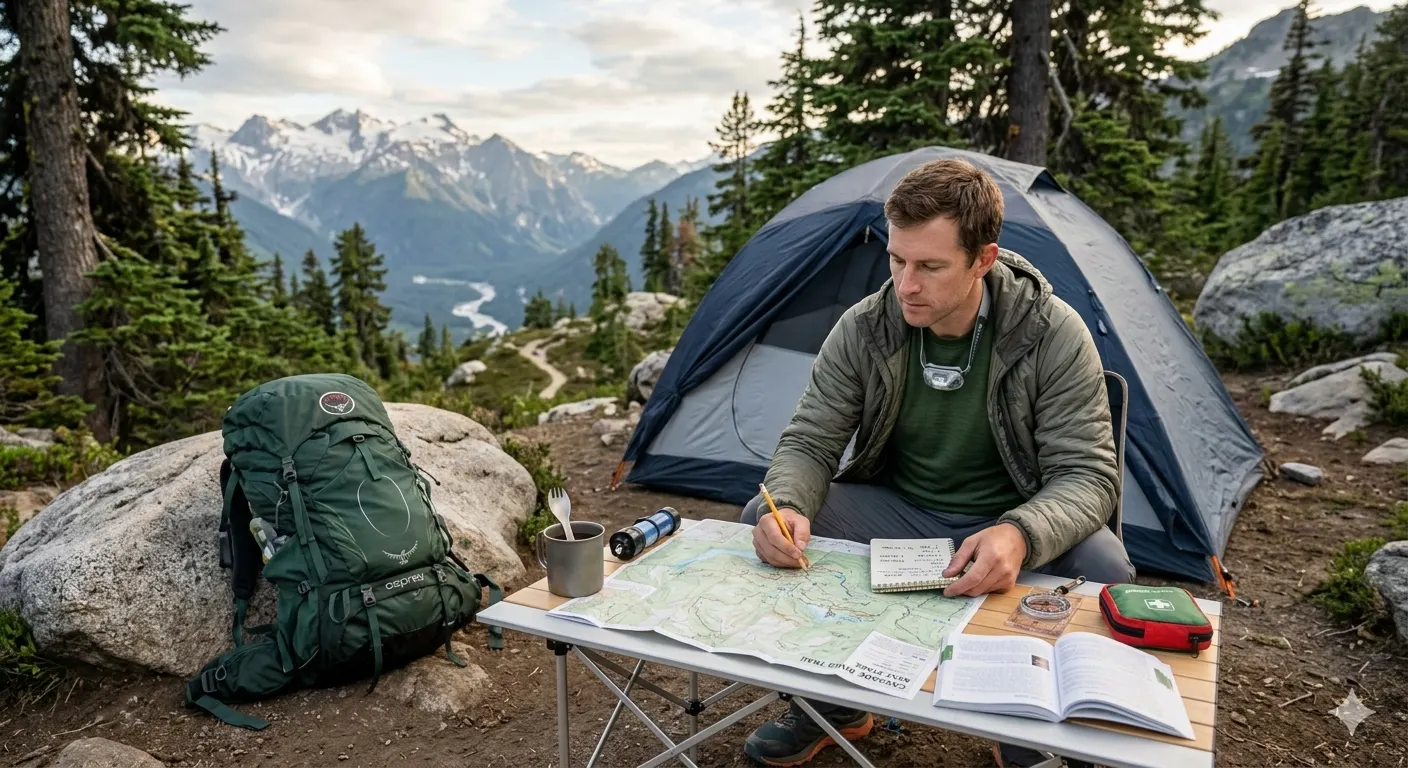
- Review your route and study the map
- Visualize yourself succeeding on the trek
- Prepare for flexibility if plans need adjusting
- Trust your preparation and training

Conclusion
Knowing how to prepare for your first trek involves building physical fitness through regular training, gathering essential gear and testing it beforehand, and developing the skills needed for multi-day self-sufficiency in the backcountry.
Start your preparation 6-8 weeks in advance, choose an appropriate first trek with moderate distance and established trails, and practice with overnight trips close to home.
Remember that proper preparation transforms trekking from overwhelming to achievable.
With the right approach, your first multi-day trek will be a challenging but deeply rewarding experience that opens up a whole new world of hiking adventures.
Ready to start your trekking journey? Begin your physical training today, research beginner-friendly treks in your region, and start assembling your gear list for an unforgettable first multi-day adventure.
Frequently Asked Questions
How fit do I need to be before attempting my first trek?
Understanding how to prepare for your first trek starts with fitness — you should be comfortable hiking 6-8 miles with some elevation gain before attempting a multi-day trek.
If you can complete a full-day hike without excessive exhaustion, you have a good fitness baseline. However, carrying a heavier pack for consecutive days is more demanding than day hiking. Start training 6-8 weeks before your trek by hiking regularly with a weighted pack.
Build up gradually, and listen to your body. If you’re concerned about fitness, choose a shorter trek (2 nights) with lower daily mileage (5-6 miles) for your first attempt. Remember that proper pacing makes trekking achievable for most moderately fit people.
What’s a reasonable budget for gear when starting out with trekking?
Expect to spend $500-$1,500 on essential trekking gear if starting from scratch, though costs vary based on quality choices and what you already own.
The “Big Three” (backpack, tent, sleeping system) will be your largest investment at $300-$800 total.
You can reduce costs by borrowing or renting gear for your first trek, buying used equipment from outdoor consignment shops, or choosing budget-friendly brands. Invest in quality where it matters most boots and your sleep system since these directly affect comfort and safety.
You can upgrade other items gradually as you continue trekking. Some gear from day hiking (rain jacket, base layers, navigation tools) transfers directly to trekking, reducing your initial investment.
Should I go on my first trek alone or with others?
For your first trek, going with at least one experienced trekking partner is highly recommended. They can mentor you on camp setup, navigation, pacing, and problem solving.
Trekking with others also provides safety, shared gear weight, and motivation during challenging moments.
Many hiking clubs and outdoor organizations offer group treks specifically designed for beginners. If you prefer solo adventures, build up to solo trekking by doing several group treks first, then attempting solo overnight trips close to trailheads before venturing into more remote areas alone.
Solo trekking requires greater self-sufficiency, navigation skills, and emergency preparedness—skills best developed with experience and proper training.
How do I know if I’m ready to move from day hiking to multi-day trekking?
You’re ready for trekking when you can comfortably complete full-day hikes of 8-10 miles with elevation gain, have reliable gear that you’ve tested, understand basic navigation and outdoor safety, and feel confident in your ability to handle minor problems independently.
Having completed multiple overnight camping trips (even car camping) helps you understand camping routines and gear.
Mental readiness matters too are you comfortable with the commitment of being “out there” for multiple days without the option to go home? Start with a short, easy trek (2 nights, well-marked trails, designated campsites) to test yourself.
If that goes well and you enjoyed it despite challenges, you’re ready to progress to longer or more demanding treks.


No comments yet. Be the first to share your thoughts.