
Understanding Trekking Duration
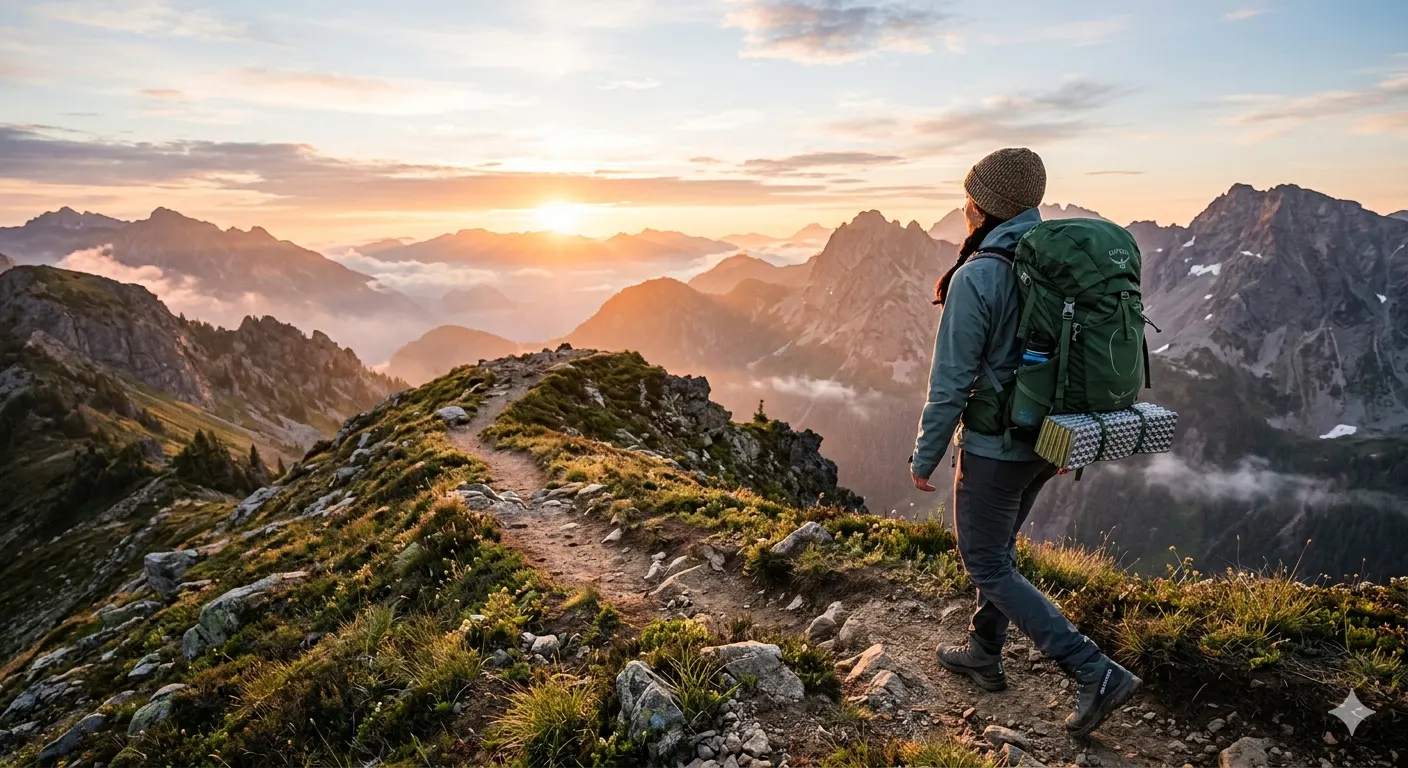
Trekking duration refers to how long a trek takes — from a few hours to several days or even weeks. Unlike a simple day hike, multi-day treks require more planning, gear, and physical preparation. Understanding trekking duration helps you choose the right trek for your fitness level and schedule.
New to trekking? Start by reading our guide on Beginner Trekking Tips for First-Timers.
What Is Trekking Duration?
Trekking duration is the total time spent walking and camping on a trail. It includes your daily walking hours, rest stops, and overnight stays. Most treks are grouped into three main categories.
Types of Treks by Duration
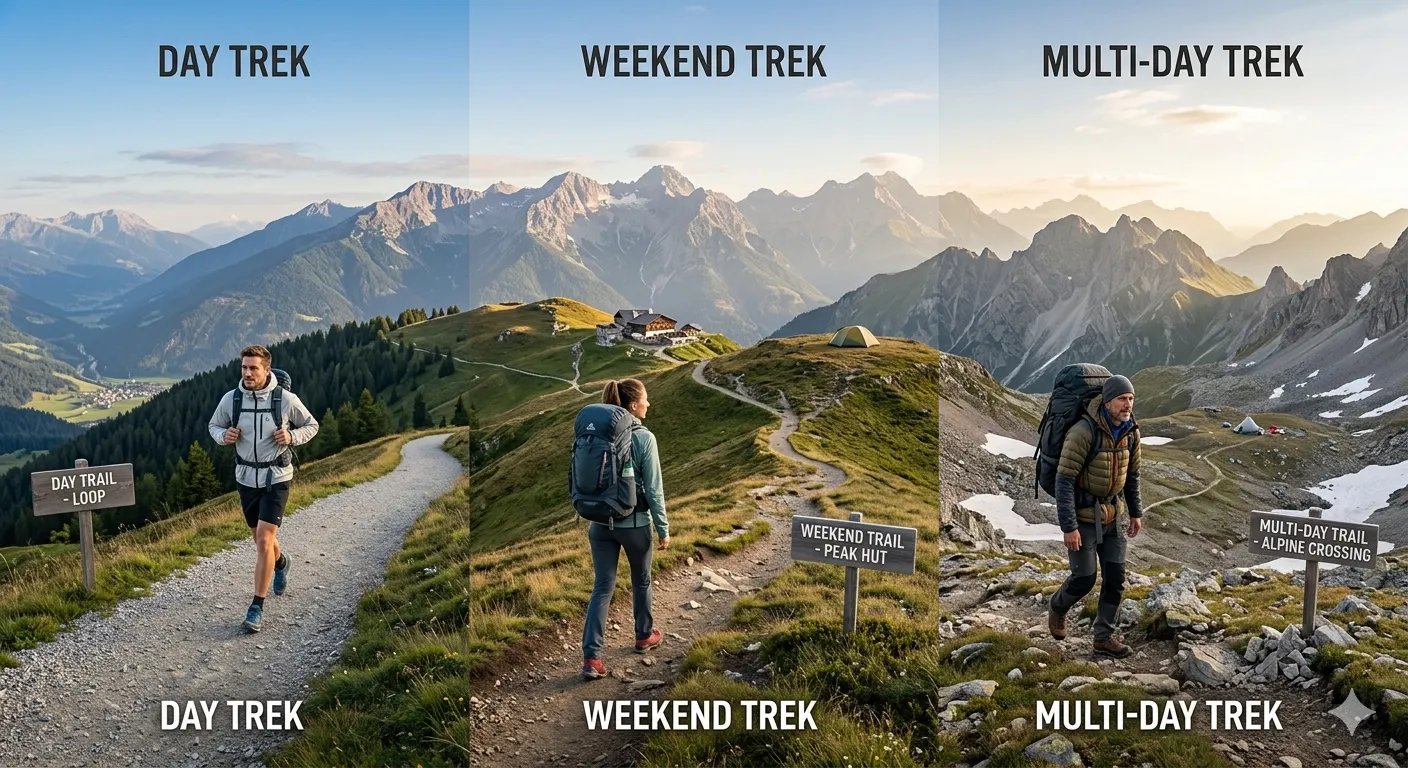
- Day Treks: Completed in one day, usually 4–8 hours of walking.
- Weekend Treks: Span 2–3 days, with one or two nights outdoors.
- Multi-Day Treks: Last from 4 days to several weeks.
Day Hike vs. Multi-Day Trek: What’s the Difference?
Day hikes and multi-day treks share the same core activity — walking on trails. But they differ in many important ways.
Key Differences
- Pack weight: Day hikes need a light daypack. Multi-day treks need a full backpack (10–15 kg).
- Sleep: Day hikes end at home. Multi-day treks include tent camping or mountain huts.
- Food: You carry snacks for a day hike. You pack all meals for a multi-day trek.
- Planning: Multi-day treks need permits, maps, and emergency contacts.
- Fitness level: Multi-day treks demand more endurance and leg strength.
How to Estimate Your Trekking Duration
Estimating the right duration helps you avoid exhaustion and stay safe. Here are a few useful methods.
Use Naismith’s Rule
Naismith’s Rule is a simple way to estimate walking time.
- Allow 1 hour for every 5 km of distance.
- Add 1 hour for every 600 meters of elevation gain.
- Add extra time for rest breaks, rough terrain, or heavy packs.
Consider Your Fitness Level
- Beginners should plan shorter days: 5–8 km per day.
- Intermediate trekkers can manage 10–15 km per day comfortably.
- Always plan a rest day for treks longer than 5 days.
Preparing for a Multi-Day Trek
Preparation is key for any trek longer than one day. Start your preparation at least 4–6 weeks before your trek.
Fitness Preparation
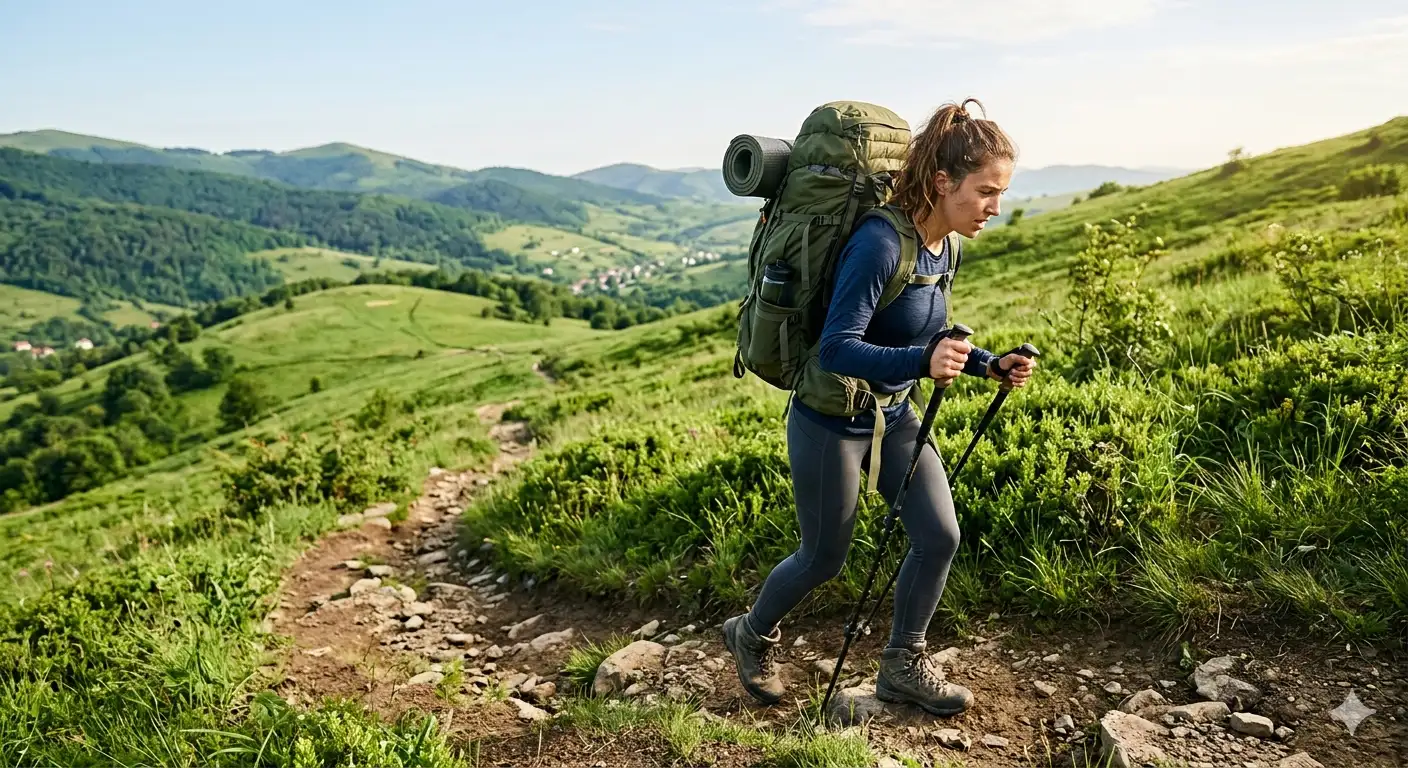
- Walk or hike 3–4 times per week to build endurance.
- Include hill walks or stair climbing to strengthen your legs.
- Wear your trekking boots during training to break them in.
- Carry a weighted backpack during training walks.
Mental Preparation
- Research your route and know the daily distances.
- Understand the weather conditions for your trek season.
- Set realistic expectations — not every day will feel easy.
Multi-Day Trekking Packing List
Packing the right gear keeps you safe and comfortable. Below is a beginner-friendly multi-day packing list.
Shelter and Sleep
- Lightweight tent or bivy
- Sleeping bag suitable for night temperatures
- Sleeping mat or pad
Clothing
- Moisture-wicking base layer (top and bottom)
- Insulating mid-layer (fleece or down jacket)
- Waterproof outer shell jacket and pants
- Trekking trousers (2 pairs)
- Hiking socks (3–4 pairs) and liner socks
- Sun hat and warm beanie
- Gloves
Food and Water
- High-energy, lightweight foods: nuts, dried fruit, energy bars
- Dehydrated or freeze-dried meals for dinner
- Water bottles or hydration bladder (2–3 liters capacity)
- Water filter or purification tablets
Navigation and Safety
- Printed or downloaded offline trail maps
- Compass
- Headlamp with spare batteries
- First aid kit
- Emergency whistle and space blanket
- Fully charged mobile phone (with offline maps installed)
Essentials
- Trekking poles
- Sunscreen and lip balm (SPF 30+)
- Insect repellent
- Toilet paper and small trowel
- Rubbish bags (leave no trace)
- Trek permit and ID (if required)
Safety Tips for Multi-Day Treks
Safety on a multi-day trek starts before you leave home. Follow these tips to reduce your risk on the trail.
Before You Leave
- Share your full itinerary with a trusted person at home.
- Check the weather forecast for all trek days.
- Register with local rangers or park services if required.
- Buy travel insurance that covers trekking activities.
On the Trail
- Start walking early each morning to avoid afternoon storms.
- Stay on marked trails and follow waypoints.
- Stop and rest if you feel dizzy, nauseous, or unusually tired.
- Watch for signs of altitude sickness on high-altitude treks.
- Drink water regularly — don’t wait until you feel thirsty.
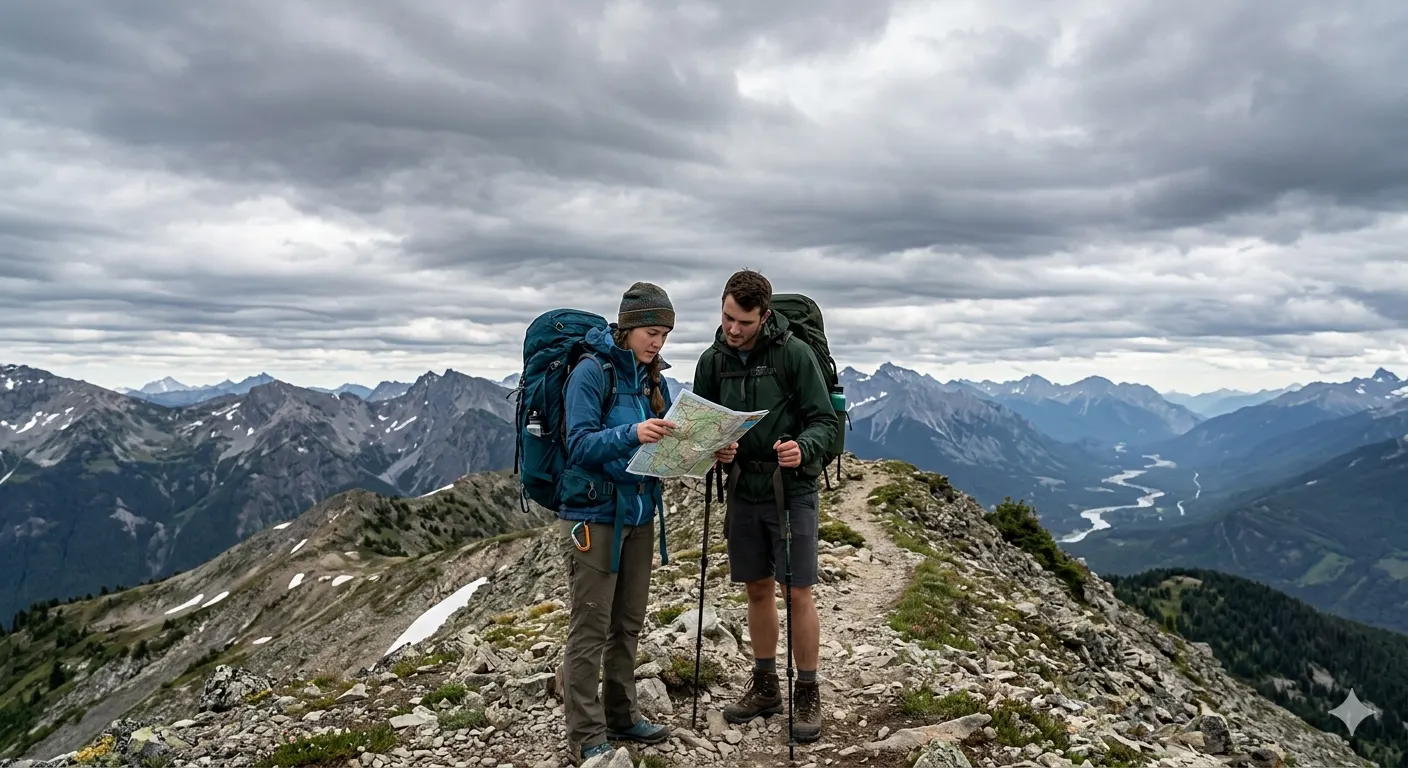
Learn more about staying safe in the mountains in our article: Essential Trekking Safety Guide for Beginners.
Choosing the Right Duration for Your First Multi-Day Trek
Your first multi-day trek doesn’t have to be a week-long adventure. Starting small builds confidence and skill.
- A 2–3 day trek is ideal for your first multi-day experience.
- Choose a well-marked trail with hut-to-hut accommodation if possible.
- Pick a trail with a clear emergency exit route.
- Walk with an experienced friend or join a guided group.
Not sure which trail to pick? Browse our Top 5 Multi-Day Trails for Beginner Trekkers.
Conclusion
Understanding trekking duration helps you plan smarter and trek safer. Whether you’re planning a 2-day weekend adventure or a 10-day mountain journey, preparation makes all the difference. Start with a shorter multi-day trek, build your fitness, pack carefully, and follow basic safety rules. Your trail is waiting for you — take it one step at a time.
Ready to plan your first multi-day trek? Browse our trail guides to find the perfect route for your level.
Frequently Asked Questions (FAQs)
Q1: How many kilometers should a beginner trek per day?
A beginner should aim for 5–8 km per day on a multi-day trek. This pace allows time for rest, scenery, and setting up camp before dark. You can gradually increase your daily distance as your fitness improves.
Q2: What is the difference between a hike and a trek?
A hike is usually a day walk on a marked trail. A trek is a longer journey, often over several days, through more remote terrain. Treks typically require more gear, planning, and physical preparation than hikes.
Q3: Do I need a guide for a multi-day trek?
It depends on the trail and your experience level. Well-marked beginner trails can often be done without a guide. For remote, high-altitude, or technically challenging routes, hiring a local guide is a smart and safe choice.
Q4: How do I train for a 5-day trek if I’ve only done day hikes?
Start by increasing your weekly walking distance over 4–6 weeks. Add back-to-back hiking days on weekends to simulate multi-day trekking. Train with the backpack you plan to use, and include uphill sections in your practice walks.


No comments yet. Be the first to share your thoughts.