
Trekking in Remote Areas: What to Know
Remote area trekking means venturing into wilderness locations far from roads, cell service, and immediate help. These treks offer solitude and pristine nature but require advanced preparation and self-sufficiency skills. Understanding the unique challenges of remote trekking helps you stay safe while experiencing some of the most beautiful landscapes on earth.
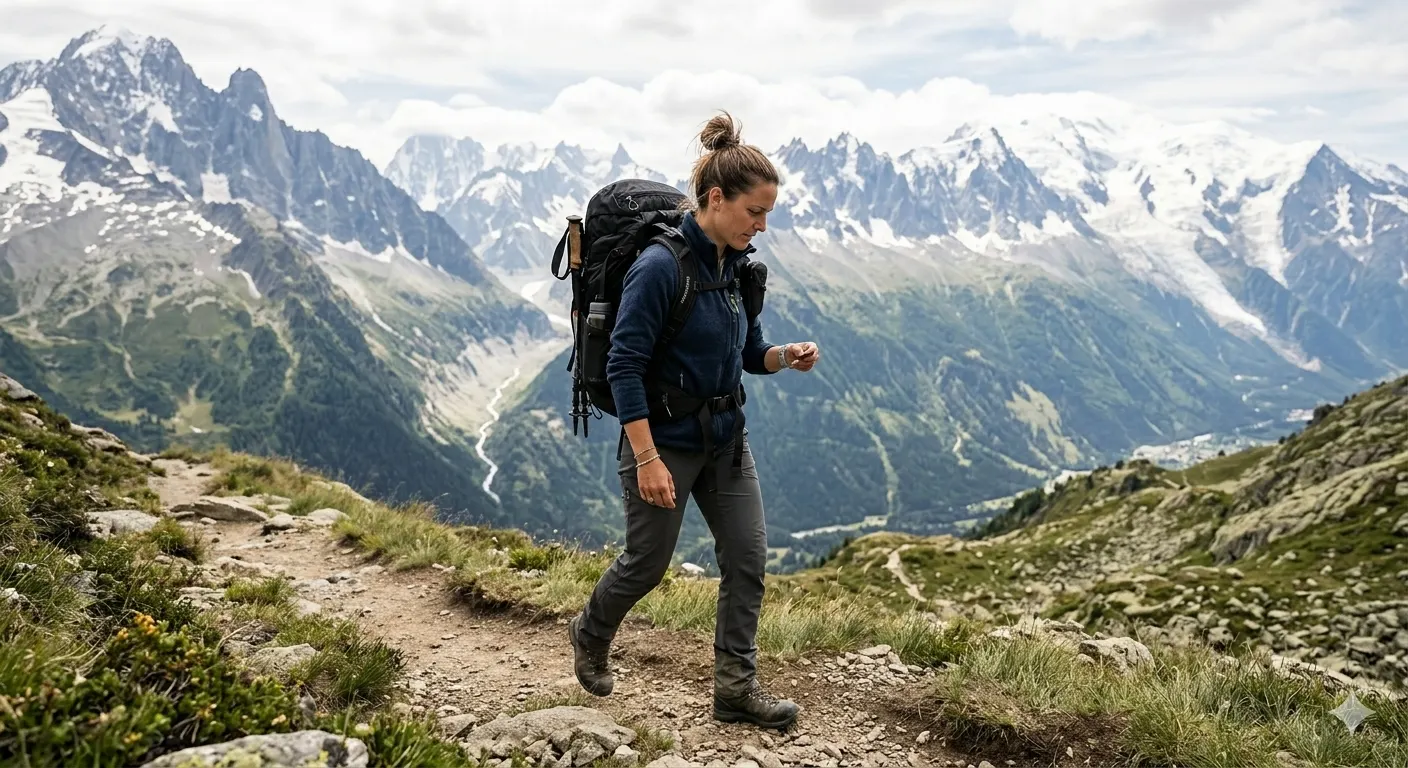
What Makes an Area “Remote”
Remote wilderness has specific characteristics that differentiate it from accessible hiking areas.
Defining Remote Wilderness
- No road access within several miles or more
- Limited or no cell phone coverage
- Few other hikers or trekkers
- No developed facilities or services
- Emergency help hours or days away
- Minimal trail maintenance or markings
Levels of Remoteness
- Semi-remote: Popular trails but backcountry camping, some services nearby
- Remote: True wilderness, infrequent encounters, limited exit options
- Extremely remote: Days from civilization, serious expedition territory
- Start with semi-remote areas before attempting truly isolated treks
Why Trek Remote Areas
- Experience solitude and peace away from crowds
- See pristine wilderness and wildlife
- Challenge yourself with self-reliance
- Access unique landscapes unavailable elsewhere
- Develop advanced outdoor skills
Are You Ready for Remote Trekking?
Remote area trekking isn’t for first-time backpackers. Build experience gradually.
Prerequisites and Experience
- Complete at least 5-10 multi-day treks on established trails
- Comfortable with backcountry camping and navigation
- Know wilderness first aid basics
- Experienced with your gear in various conditions
- Physically fit for extended hiking with heavy pack
- Comfortable being self-sufficient for days
Essential Skills to Master First
- Map and compass navigation without trail markers
- Water source identification and purification
- Leave No Trace wilderness camping
- Weather pattern recognition
- Basic wilderness first aid and injury management
- Emergency shelter construction
- Wildlife awareness and food storage
Mental Preparedness
- Accept being out of contact for extended periods
- Comfortable with uncertainty and changing plans
- Ability to stay calm in challenging situations
- Confidence in your decision-making abilities
- Realistic about your limitations
For foundational preparation, read our guide on how to prepare for your first trek.

Planning a Remote Trek
Thorough planning becomes critical when help isn’t readily available.
Research Your Route Extensively
- Study detailed topographic maps of entire area
- Read recent trip reports and conditions updates
- Understand seasonal weather patterns
- Identify water sources and their reliability
- Note potential campsites and shelter locations
- Research wildlife risks and appropriate precautions
- Understand permits and regulations required
Create Detailed Itinerary
- Plan daily mileage conservatively (account for terrain)
- Mark waypoints and decision points
- Identify bailout routes and exit points
- Build in extra days for weather or delays
- Note distances between water sources
- Plan resupply points if trek exceeds 5-7 days
File Your Trip Plan
- Leave detailed itinerary with responsible person
- Include maps with planned route marked
- Specify expected return date and check-in protocol
- Provide emergency contact numbers
- Establish when to call for rescue if overdue
- Check in immediately upon return
Essential Gear for Remote Trekking
Your gear list expands beyond standard trekking equipment for remote areas.
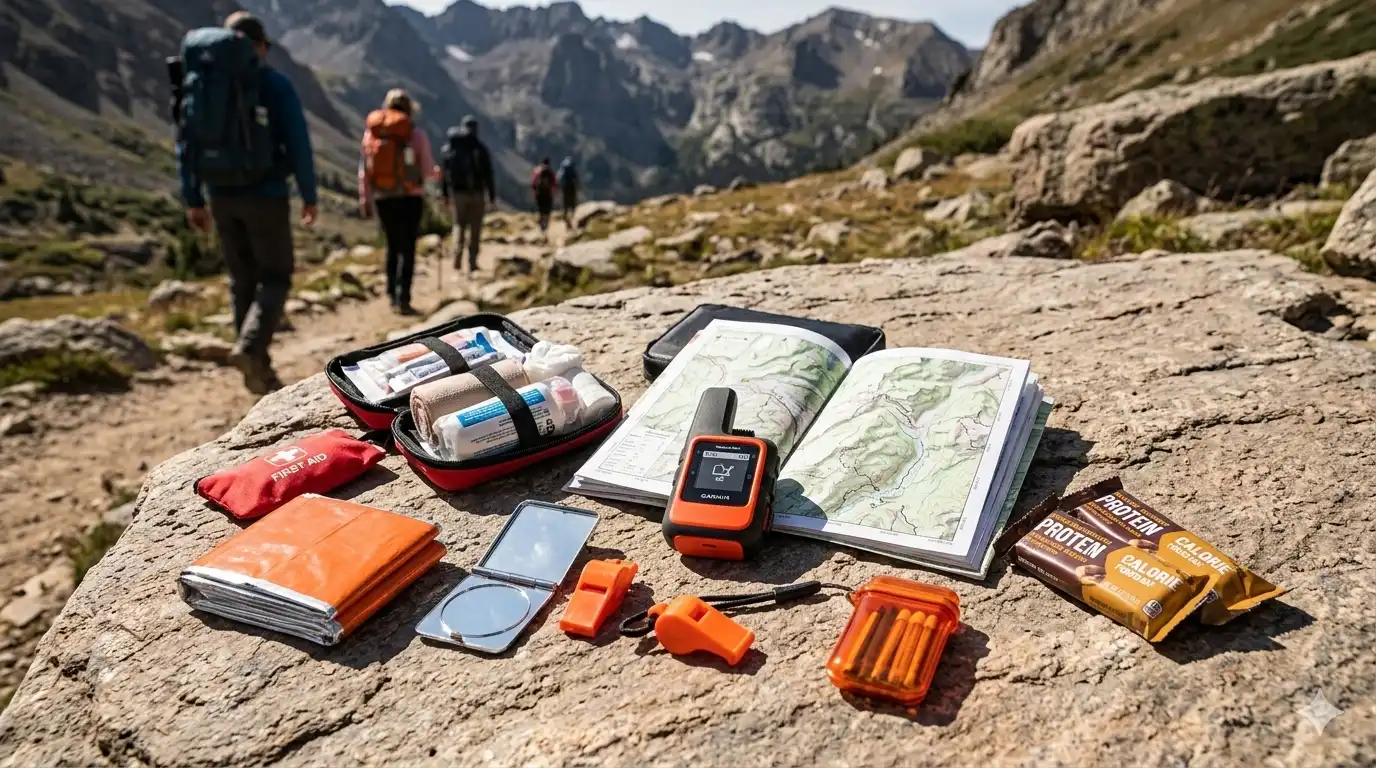
Navigation Tools
- Topographic maps (waterproof or protected)
- Compass (know how to use it proficiently)
- GPS device with extra batteries
- Offline maps downloaded to phone
- Backup navigation method
Communication and Safety
- Satellite messenger or personal locator beacon (PLB)
- Whistle for signaling
- Signal mirror
- Comprehensive first aid kit
- Emergency shelter (bivy or space blanket)
- Fire-starting tools (waterproof matches, lighter, fire starter)
Extended Food and Water
- Extra day of food beyond planned duration
- Water purification with backup method
- Larger water carrying capacity (3-4 liters minimum)
- High-calorie emergency rations
Repair and Backup Equipment
- Comprehensive repair kit (tape, cord, patches)
- Extra batteries for all devices
- Backup stove fuel
- Spare parts for critical gear
- Multi-tool or knife
For complete gear guidance, check our article on trekking backpack size guide.
Navigation in Unmarked Terrain
Remote areas often lack trail markers requiring advanced navigation skills.
Map and Compass Mastery
- Practice map reading before you need it
- Understand contour lines and terrain features
- Take regular bearings and track progress
- Identify landmarks on map and in landscape
- Know your pace count for distance estimation
GPS Usage and Limitations
- GPS is helpful but shouldn’t be sole navigation tool
- Batteries can die or devices can fail
- Mark waypoints at camp and key junctions
- Download offline maps before trek
- Practice GPS navigation in safe areas first
Route Finding Techniques
- Look ahead frequently to plan your path
- Use terrain features to guide navigation
- Mark your route with mental waypoints
- Look back regularly to see return route
- Stop if unsure and reassess position
Safety Protocols for Remote Areas
Serious preparation reduces risks but doesn’t eliminate them entirely.
Daily Check-Ins and Monitoring
- Track your position on map multiple times daily
- Monitor weather changes constantly
- Check group members’ health and morale
- Ensure adequate hydration and nutrition
- Address small problems before they become big ones
Emergency Procedures
- Know when to activate emergency beacon
- Understand how to signal for help
- Stay put if lost rather than wandering
- Create visible signals for rescue aircraft
- Ration supplies if delayed
Wildlife Encounters
- Research specific wildlife in your area
- Store food properly (bear canister or hang)
- Make noise when hiking to avoid surprises
- Carry bear spray in appropriate regions
- Know proper responses to different animal encounters
- Never approach or feed wildlife
Water Management in Remote Areas
Water reliability varies significantly in wilderness areas.
Finding Water Sources
- Mark known water sources on map before trek
- Verify sources haven’t dried up from trip reports
- Follow drainages downhill to find streams
- Look for vegetation indicating water
- Morning dew can supplement in emergencies
Water Purification Backup
- Carry two purification methods
- Filter plus chemical treatment recommended
- Know how to boil water as emergency option
- Extra filters or treatment tablets essential
Carrying Capacity
- Plan for 24 hours between reliable sources
- Carry 3-4 liters in dry regions
- Extra bottles or bladder for dry camping
- Water weighs 2.2 pounds per liter
- Balance weight against security
Learn more about water safety in our guide on water purification for trekking.

Solo vs. Group Remote Trekking
Both approaches have advantages and serious considerations.
Solo Remote Trekking
- Maximum solitude and self-reliance
- Requires highest skill and preparation level
- Greater risk if injury or emergency occurs
- More intensive planning necessary
- Satellite communication device essential
- Not recommended for beginners to remote areas
Group Remote Trekking
- Shared knowledge and skills
- Safety in numbers for emergencies
- Split weight of group gear
- Companionship in isolated areas
- Must coordinate pace and decisions
- Ideal group size: 3-4 people
Weather and Seasonal Considerations
Remote areas magnify weather risks due to limited escape options.
Pre-Trip Weather Research
- Understand typical patterns for season and location
- Check extended forecast before departure
- Know signs of approaching weather changes
- Plan trek during stable weather windows
- Avoid shoulder seasons when weather is unpredictable
On-Trail Weather Monitoring
- Observe cloud formations and changes
- Note wind direction shifts
- Watch for temperature and pressure changes
- Make camp early if weather deteriorating
- Have shelter plan for severe weather
Extreme Conditions Response
- Lightning: Seek shelter, avoid peaks and lone trees
- Heavy rain: Find secure campsite, protect gear
- High winds: Camp in protected areas, secure tent well
- Snow: Consider turning back, evaluate avalanche risk
Leave No Trace in Remote Areas
Pristine wilderness requires extra care to preserve.
Camping Practices
- Camp on durable surfaces (rock, gravel, established sites)
- Camp 200 feet from water sources
- Disperse impact by using different sites
- Pack out all waste including toilet paper
- Leave no trace of your presence
Waste Management
- Bury human waste 6-8 inches deep, 200 feet from water
- Pack out toilet paper or burn completely
- Use established cat holes or disperse widely
- Strain dishwater and scatter 200 feet from water
- Pack out all trash—every single piece

Common Remote Trekking Mistakes
Learn from others to avoid potentially dangerous errors.
Planning and Preparation Errors
- Underestimating difficulty and distances
- Insufficient research on conditions
- Not filing trip plan with anyone
- Skipping necessary permits
- Inadequate gear testing beforehand
On-Trail Mistakes
- Pushing on when conditions deteriorate
- Not turning back when prudent
- Inadequate navigation attention
- Ignoring early warning signs of problems
- Poor judgment due to “summit fever”
Building to Remote Trekking
Create a progression plan to develop necessary skills safely.
Progression Steps
- Start: Established trails with facilities nearby
- Next: Backcountry camping on marked trails
- Then: Less-traveled trails with basic navigation
- Advanced: Semi-remote areas with limited services
- Expert: Truly remote wilderness expeditions
- Allow 2-3 years to progress through levels
Skill Development
- Take wilderness navigation courses
- Get Wilderness First Responder certification
- Practice with experienced mentors
- Join outdoor clubs or guided trips initially
- Read extensively about wilderness travel

Conclusion
Remote area trekking offers unparalleled wilderness experiences but demands advanced skills, thorough preparation, and mature judgment. Build your experience gradually through less remote areas first, mastering navigation, wilderness camping, and self-sufficiency. Plan extensively, carry appropriate safety equipment including satellite communication, and always file a detailed trip plan. Respect your limitations and don’t hesitate to turn back when conditions exceed your abilities. With proper preparation and experience, remote trekking provides some of the most rewarding adventures available, connecting you deeply with pristine wilderness far from civilization.
Ready to start building toward remote trekking? Enroll in a wilderness navigation course, complete several backcountry treks on established trails, and invest in a comprehensive first aid certification over the next year to develop essential skills.
Frequently Asked Questions
Do I really need a satellite messenger for remote trekking?
Yes, a satellite messenger or personal locator beacon (PLB) is essential equipment for remote wilderness trekking, not optional. In emergencies hours or days from help, these devices literally save lives by allowing you to call for rescue when cell phones don’t work. Satellite messengers like InReach also let you send messages to loved ones and receive weather updates. PLBs are simpler emergency-only devices. Either option costs $200-400 plus potential subscription fees, but that’s insignificant compared to the security they provide. Many experienced wilderness trekkers won’t venture into remote areas without one. Consider it mandatory insurance for when things go wrong far from civilization.
How do I know if I’m ready for my first remote trek?
You’re ready when you’ve completed at least 5-10 multi-day treks on established trails, can navigate confidently with map and compass without trail markers, have wilderness first aid training, and feel comfortable solving problems independently in the backcountry. Additionally, you should have tested all your gear extensively, understand Leave No Trace principles, and feel mentally prepared for being out of contact for days. If you’re questioning whether you’re ready, you probably need more experience. Start with semi-remote areas where you encounter few people but trails still exist, then progress to truly remote locations. Consider hiring a guide for your first remote trek to learn from their experience and decision-making.
What’s the difference between getting lost on a trail versus in remote wilderness?
Getting lost on established trails usually means you’ll encounter other hikers, can follow the trail backward, and help is relatively nearby. In remote wilderness, there may be no trail to follow, no one to ask for help, and you could be days from the nearest person. The consequences are far more serious—you need to be completely self-sufficient and able to navigate back using map, compass, and terrain features. This is why advanced navigation skills are non-negotiable for remote trekking. If you do get disoriented in remote areas, stop moving, assess your position carefully, and stay put if you’re truly lost. Your emergency beacon becomes critical in these situations. Prevention through careful navigation is much better than cure.
Can I do remote trekking solo or should I always go with others?
Solo remote trekking is possible but carries significantly higher risk and should only be attempted by highly experienced wilderness travelers. If you do trek solo in remote areas, your preparation must be impeccable—satellite communication device is mandatory, someone must have your detailed itinerary, and your skills must be expert level. Most wilderness experts recommend groups of 3-4 people for remote areas as the safest approach. This provides support if someone gets injured while leaving one person with the injured party and one to seek help. For your first remote treks, definitely go with experienced partners. After extensive experience, solo remote trekking becomes a personal risk assessment, but understand you’re accepting greater consequences if anything goes wrong.



No comments yet. Be the first to share your thoughts.