
Common Trekking Mistakes to Avoid (And How to Fix Them)
Common trekking mistakes can turn an exciting multi-day adventure into a difficult or even dangerous experience. Unlike day hikes where you can quickly return to your car, errors on a trek compound over consecutive days when you’re far from help. Learning from others’ mistakes is one of the smartest ways to protect your safety, energy, and enjoyment on the trail.

Planning and Preparation Mistakes
Poor planning creates problems before you even take your first step. These are also the easiest trekking mistakes to avoid with a little preparation in advance.
Not Training for Your Trek
Many beginners assume that general fitness is enough for multi-day trekking. In reality, carrying a heavy pack across consecutive days demands specific conditioning. Start training with a weighted pack 4–8 weeks before your trip, gradually building up to distances similar to your expected daily mileage. Without this preparation, exhaustion and injury are almost inevitable.
Choosing Too Ambitious a Route
Selecting a trail that’s beyond your current skill and fitness level is one of the most common trekking mistakes among first-timers. Beginners often underestimate elevation gain and technical difficulty, then plan daily mileage they’ve never actually tested. Research trail difficulty ratings honestly, and start with shorter, easier routes before progressing to challenging ones.
Inadequate Route Research
Failing to study your route thoroughly before departure is a recipe for trouble. Know your maps, check current trail conditions and seasonal weather, identify water sources, and locate bailout points in case of emergency. Always read recent trip reports from other trekkers conditions on the ground can change rapidly, and trail reports are often more reliable than outdated guidebooks.
Skipping Permit Requirements
Many popular treks require advance permits, and some areas have daily entry limits that fill up months ahead. Assuming you can simply show up and hike is a costly mistake. Check permit requirements at least 2–3 months before your planned trek to avoid disappointment.
For comprehensive preparation guidance, check our article on how to prepare for your first trek.
Gear and Packing Errors
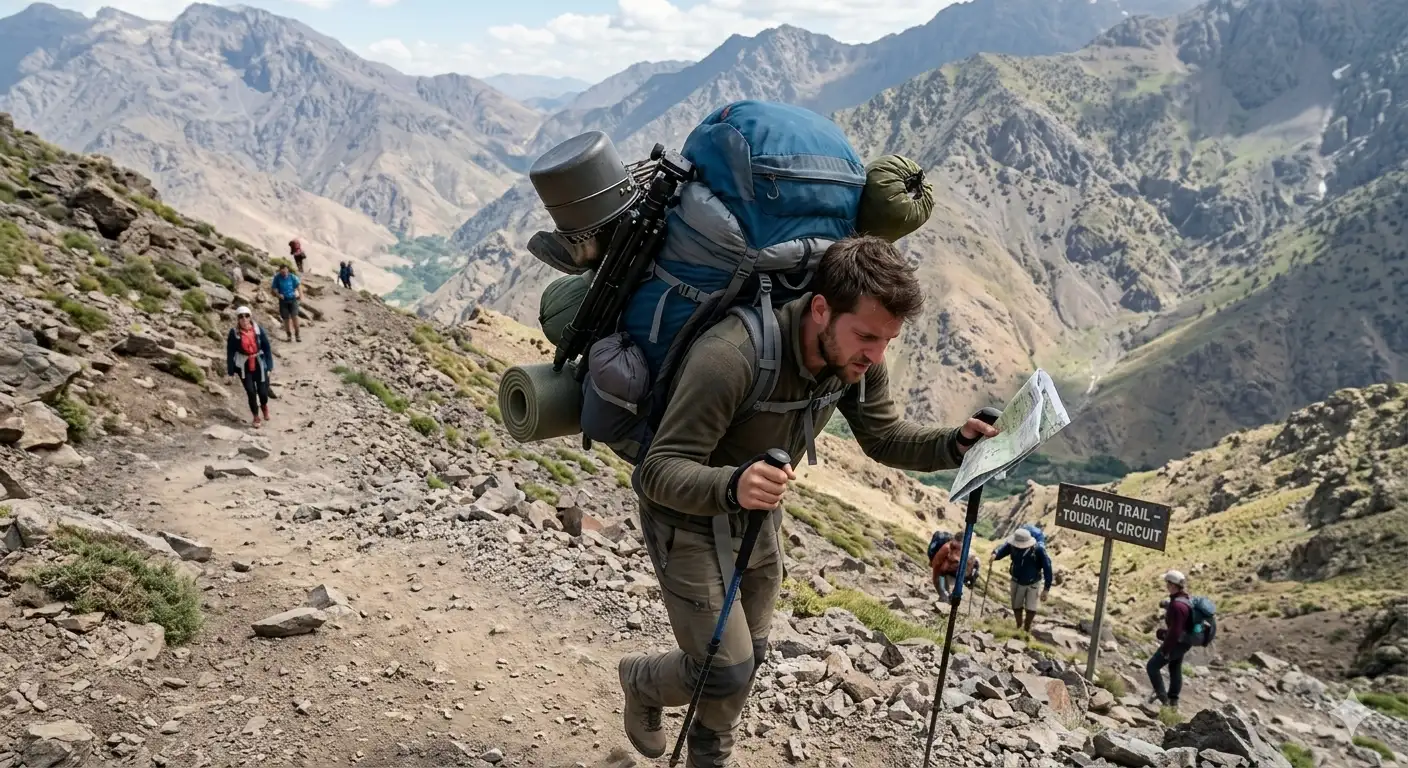
What you carry directly impacts your comfort and safety across multiple days. Both overpacking and underpacking are frequent trekking mistakes that affect performance from day one.
Overpacking
Bringing too many clothing changes, unnecessary gadgets, or duplicate tools is a trap most beginners fall into. Pack weights over 35 pounds exhaust the majority of trekkers, even those in good shape. Limit clothing to three days’ worth at most, and question every item with a simple test: “What’s the worst that happens if I leave this behind?” If the answer is “minor inconvenience,” it doesn’t belong in your pack.
Underpacking Critical Items
On the other end of the spectrum, cutting weight by skipping essentials is equally dangerous. Insufficient warm layers, no rain gear, inadequate food, missing first aid supplies, or no water purification method can quickly turn a manageable situation into an emergency. Never sacrifice safety gear in the name of a lighter pack.
Wearing New or Untested Gear
Breaking in boots during the trek rather than before is one of the most painful trekking mistakes you can make. The same applies to tents, sleeping bags, and stoves. Test all gear thoroughly on day hikes or overnight trips before relying on it in the backcountry. Practice setting up your tent at home so there are no surprises on the first night.
Wrong Footwear Choices
Footwear decisions have an outsized impact on your trek. Cotton socks cause blisters, boots sized without accounting for foot swelling become torture after day two, and trail runners on technical terrain can lead to ankle injuries. Bring a pair of camp shoes for evening comfort your feet will thank you.
Learn proper packing strategies in our guide on trekking packing checklist.
Food and Water Mistakes
Nutrition and hydration errors affect your energy levels, physical health, and overall enjoyment of the journey. These are trekking mistakes that often only reveal themselves after a full day on the trail.
Insufficient Food
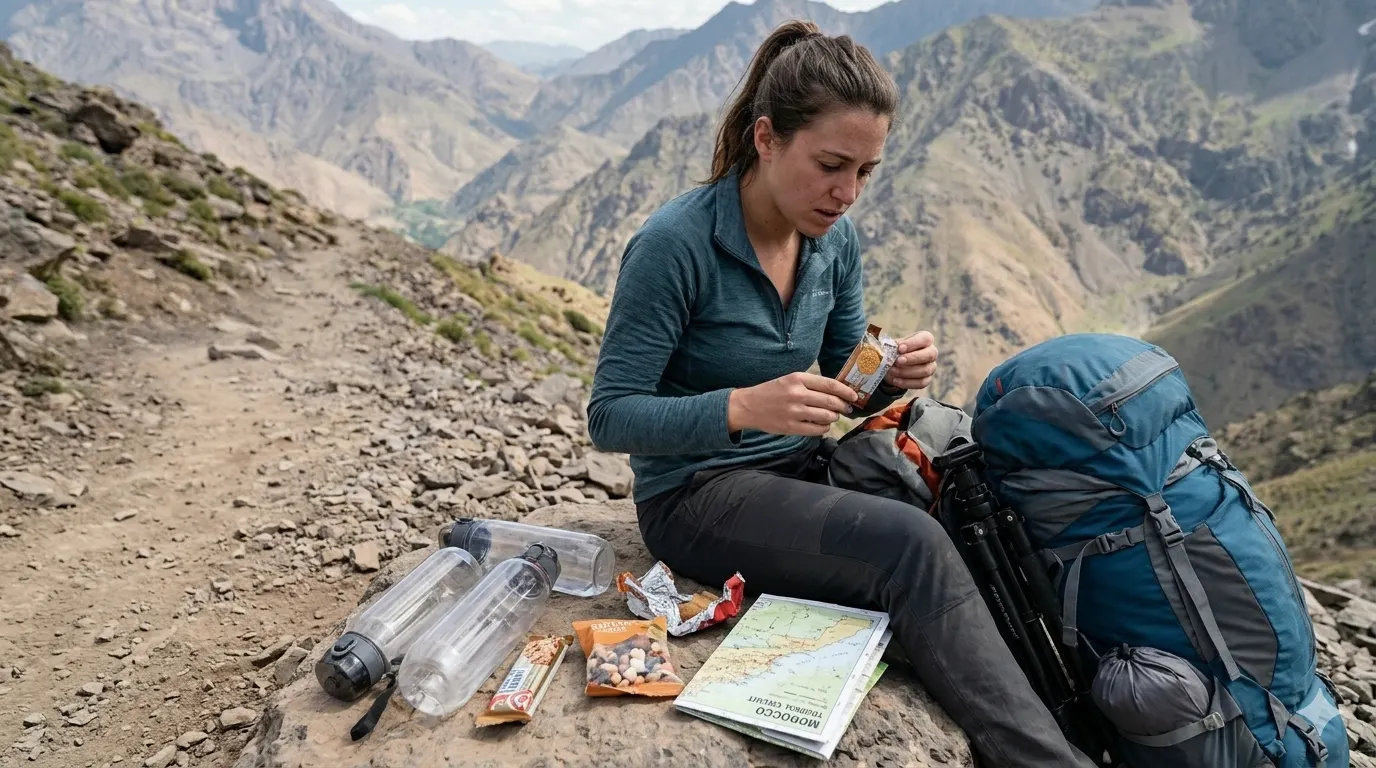
Trekking burns between 2,500 and 4,000 calories per day depending on terrain, pack weight, and individual metabolism. Many trekkers underestimate this significantly, bringing meals they find unappetizing when tired or skimping on snacks for consistent energy. Plan 1.5–2 pounds of food per person per day, and always test dehydrated meals at home before relying on them in the field.
Water Management Errors
Not researching water source locations along your route can leave you dangerously short between refills. Never assume streams will be flowing, especially in dry seasons. Always carry enough capacity to bridge gaps between sources, and treat all water from natural sources streams, lakes, and springs without exception. Skipping purification to save time is a trekking mistake with serious health consequences.
Poor Hydration Habits
Waiting until you’re thirsty to drink is waiting too long. Cold weather suppresses the thirst response, which makes dehydration a particular risk in alpine environments. Drink regularly throughout the day and monitor urine color as a simple guide pale yellow indicates good hydration, dark yellow is a warning sign to drink more.
On-Trail Behavior Mistakes
How you move on the trail matters just as much as what you pack. Some of the most common trekking mistakes happen not before the trip, but during it.
Starting Too Fast
The excitement of day one often pushes trekkers to hike at a pace they can’t sustain. Burning through your energy reserves early leads to exhaustion and potential injury on later days. Start deliberately slower than feels necessary, maintain a conversational pace if you can’t talk while hiking, you’re moving too fast and let your body warm up gradually over the first hour.
Skipping Rest Breaks
Hiking for hours without stopping, eating, or drinking compounds fatigue and dehydration faster than most people realize. Take 5–10 minute breaks every hour, and use that time to eat and drink. These short pauses improve overall daily performance far more than they cost in time.
Poor Pacing Decisions
Trying to keep up with faster, more experienced hikers or racing to reach camp is a common mistake that leads to burnout. Hike your own pace regardless of who else is on the trail, slow down on steep or technical sections, and remember that arriving at camp half an hour later is far better than arriving injured or exhausted.
Arriving at Camp Too Late
Setting up a tent in darkness and rain after a long day is demoralizing and inefficient. Aim to reach camp 2–3 hours before sunset to allow time for pitching shelter, cooking, drying wet gear, and actually resting before the next day begins.
Safety and Navigation Errors
Navigation and safety mistakes are where common trekking errors can escalate quickly from inconvenient to genuinely dangerous.
Not Tracking Your Location
Hiking for long stretches without checking a map is how trekkers get lost. Don’t assume you’ll recognize trail junctions check your position every 30 minutes at minimum and mark your location at major landmarks. A few seconds of map-checking can save hours of backtracking.
Ignoring Weather Changes
Continuing to hike as storm clouds build, or pushing toward a summit in deteriorating conditions, is a trekking mistake that has cost lives. Learn to read weather signs, make camp early if conditions turn bad, and know when to turn back rather than press on. No summit or campsite is worth the risk.
Not Telling Anyone Your Plans
Starting a trek without leaving a detailed itinerary with a responsible person means no one knows where to look if you don’t return. Leave your planned route, daily camps, expected return date, and check-in protocol with someone you trust. Update them if your plans change.
Ignoring Your Body’s Warnings
Hiking through pain, ignoring blisters, or pushing through altitude sickness symptoms are serious trekking mistakes. Stop immediately when you feel hot spots developing on your feet. Rest if you experience unusual fatigue, dizziness, or headaches at elevation. Your body’s early warning signals exist for a reason address them before they become emergencies.
For safety essentials, read our article on trekking safety checklist.

Camp and Sleep Mistakes
Poor camping practices lead to uncomfortable nights and significantly reduced performance the following day.
Bad Campsite Selection
Camping in low-lying areas where water pools, or setting up too close to water sources, creates both comfort and environmental problems. Choose flat, elevated ground at least 200 feet from any water source, clear rocks and sticks from under your tent footprint, and use established campsites whenever available to minimize your impact on the land.
Inadequate Food Storage
Keeping food in your tent is both dangerous and irresponsible in areas with wildlife. Store all food, garbage, and scented items at least 200 feet from your sleeping area, use bear canisters where required, and hang food properly where canisters aren’t available. This protects both you and the animals.
Not Preparing for Cold Nights
Underestimating nighttime temperatures is a trekking mistake that guarantees a miserable sleep. Choose a sleeping bag rated 10–15°F below the expected minimum temperatures for your route. Sleep in dry base layers, never damp clothing, and eat a small snack before bed your body burns calories overnight to generate heat, especially in cold conditions.
Social and Etiquette Mistakes
Poor trail etiquette affects the experience of every person sharing the wilderness with you.
Being Too Loud
Playing music on speakers, shouting across campsites, or making noise during early mornings and late evenings disrupts the experience others have traveled to find. Use headphones for music and keep camp conversations at a respectful volume.
Leave No Trace Violations
Failing to pack out all trash, building new fire rings, cutting switchbacks, and camping too close to trails or water are all Leave No Trace violations that degrade the environment for future visitors. Pack out everything you bring in, stick to established trails and campsites, and leave every place better than you found it.
Wildlife Interactions
Approaching or feeding wild animals, failing to make noise in bear country, or leaving scented items accessible are trekking mistakes with consequences for both humans and wildlife. Observe animals from a safe distance, make your presence known on the trail, and never leave food accessible outside of proper storage.

Group Dynamics Mistakes
Trekking with others requires honest communication and clear coordination before and during the trip.
Not Discussing Expectations Beforehand
Assuming everyone in your group shares the same pace, fitness level, and daily goals is a setup for frustration. Before the trek begins, agree explicitly on expected daily mileage, rest stops, pace, and how decisions will be made when the group disagrees. Misaligned expectations are one of the most common sources of group conflict on multi-day treks.
Letting the Group Split Up
Faster hikers forging ahead and leaving slower members behind creates real safety risks and undermines group cohesion. Establish clear meeting points at junctions, keep the pace set by the slowest member of the group, and never let anyone hike alone without a predetermined plan for reuniting.
Poor Communication
Not speaking up when you’re struggling, hiding injuries from your group, or making unilateral decisions that affect everyone are trekking mistakes that can jeopardize the entire trip. Communicate openly and honestly about how you’re feeling, and make major decisions together as a group.
Recovery and Post-Trek Mistakes
What you do after a trek affects your long-term health and the quality of future adventures.
Not Allowing Recovery Time
Jumping back into intense exercise immediately after a multi-day trek, or planning another strenuous outing the following weekend, doesn’t give your body time to repair. Take 3–5 days of rest after any multi-day trek, incorporating gentle stretching and easy walks rather than hard training sessions.
Ignoring Gear Maintenance
Storing a wet tent, leaving damaged equipment unrepaired, or failing to restock first aid supplies before your next trip are trekking mistakes that have a way of revealing themselves at the worst possible moment. Clean and dry all gear before storage, repair anything that’s damaged, and replace used or expired supplies immediately after each trip.
Not Learning from Experience
Repeating the same mistakes on every trek is avoidable. After each trip, spend a few minutes noting what worked, what didn’t, what you didn’t use, and what you wished you’d brought. Your packing list and approach should evolve with every adventure. The most experienced trekkers are those who treat every trip as a lesson.
Final Thoughts on Avoiding Trekking Mistakes
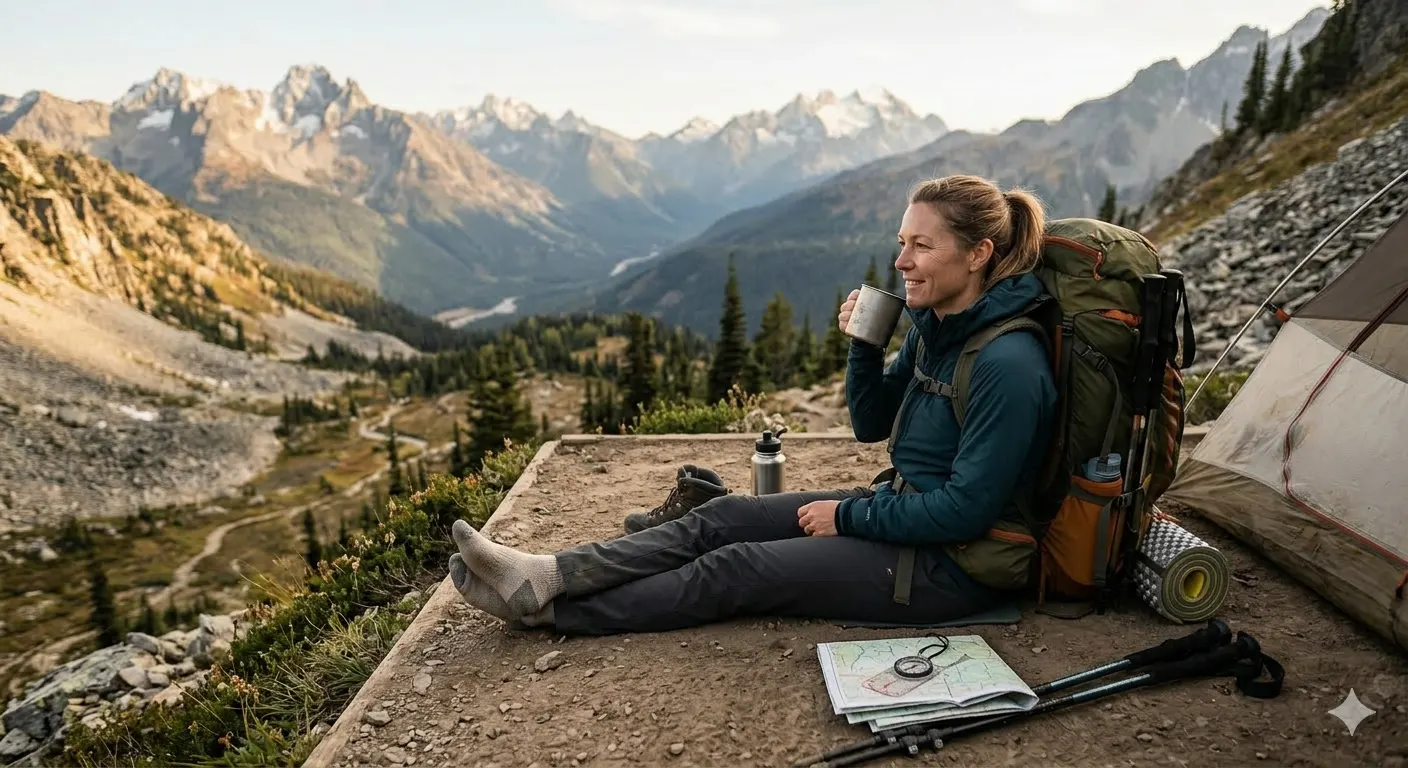
The most common trekking mistakes are also the most preventable. Nearly all of them come down to three things: honest self-assessment, thorough preparation, and smart decision-making on the trail. Start with a realistic route for your current fitness level, train specifically for the demands of multi-day hiking, and pack with discipline not anxiety. On the trail, trust your body, respect the environment, and communicate openly with your partners.
Every experienced trekker has made mistakes. The difference between a seasoned hiker and a struggling one isn’t the absence of errors it’s the willingness to learn from them. By studying the common trekking mistakes others have made before you, you’re already a step ahead.
Ready to trek smarter? Review this guide before your next multi-day adventure and commit to leaving these common pitfalls behind.
Frequently Asked Questions About Common Trekking Mistakes
What’s the single biggest mistake first-time trekkers make?
The most common trekking mistake among beginners is combining inadequate physical preparation with an overly ambitious route. Many first-timers assume general fitness qualifies them for multi-day trekking with a heavy pack, only to discover that consecutive days carrying 25–35 pounds requires specific conditioning. The fix is straightforward: train with a weighted pack for 4–8 weeks before departure and choose an easy-to-moderate first route. Building up to challenging treks rather than starting with them transforms the experience from suffering into enjoyment.
How can I avoid blisters on multi-day treks?
Blister prevention starts before the trek begins. Break in your boots with 30–50 miles of use, wear moisture-wicking wool or synthetic socks (never cotton), and apply preventive tape or moleskin to known hot spot areas each morning. Change to dry socks mid-day if yours get wet. Most critically, stop immediately when you feel friction developing addressing a hot spot takes two minutes and can prevent days of pain. Make sure your boots aren’t too tight, as feet swell significantly over multi-day treks.
Is it better to overpack or underpack for safety?
Neither extreme serves you well. The goal is carrying exactly what you need, which takes experience to calibrate. For genuine safety gear first aid, navigation tools, emergency shelter, water purification, extra food err slightly toward having it. For clothing and comfort items, err toward less. Most beginners carry 40+ pound packs when 25–30 pounds would suffice, and the extra weight is a leading cause of exhaustion and injury. After each trek, note what you didn’t touch and remove it from your list next time.
What should I do if I realize I’ve made a mistake mid-trek?
Stop, breathe, and assess the situation without panic. For navigation errors, retrace your steps to the last confirmed location rather than pressing on and hoping for the best. For exhaustion from poor pacing, take a longer break and consciously slow your pace for the remainder of the day. If food or water are running low, adjust consumption and consider shortening your trip. For gear failures, use repair kits or improvise. Never let pride prevent you from turning back when safety is at stake the wilderness will be there for another attempt. Most importantly, note what happened and why, so the same trekking mistake doesn’t repeat itself on your next adventure.


No comments yet. Be the first to share your thoughts.