
Beginner Trekking Roadmap
[ ez-toc]
Multi-day trekking means hiking across two or more days, camping or staying in huts overnight.
It builds on basic hiking skills but asks more of your body, gear, and planning.
If you can handle a 3–5 hour day hike comfortably, you are ready to start thinking about your first trek.
What Makes Trekking Different From Day Hiking?
Day hiking is a single outing — you carry a light pack and return home the same day. Trekking means sleeping on the trail. That changes everything: your pack gets heavier, your feet work longer, and planning becomes more important.
Day Hike vs. Multi-Day Trek
Day Hike:
- 4–8 hours of walking
- Light daypack (5–10 kg)
- No overnight gear needed
- Simpler navigation
Multi-Day Trek:
- 2–7+ days on the trail
- Full pack (10–18 kg)
- Tent, sleeping bag, food
- Campsite or hut planning
The good news? You do not need to be an athlete. You need good preparation and the right gear.
How to Prepare Your Body
Your fitness does not need to be perfect. But your body should be ready for back-to-back hiking days.
A Simple 6-Week Fitness Plan
- Weeks 1–2: Walk 30–45 minutes, three times a week.
- Weeks 3–4: Add a 2–3 hour hike on weekends with your loaded pack.
- Weeks 5–6: Do two days of hiking in a row to simulate trekking.
Tip: Train in the boots and socks you plan to wear. This helps avoid painful blisters on your actual trek.
Strengthen your legs with squats, lunges, and step-ups. Strong knees help a lot on downhill sections.
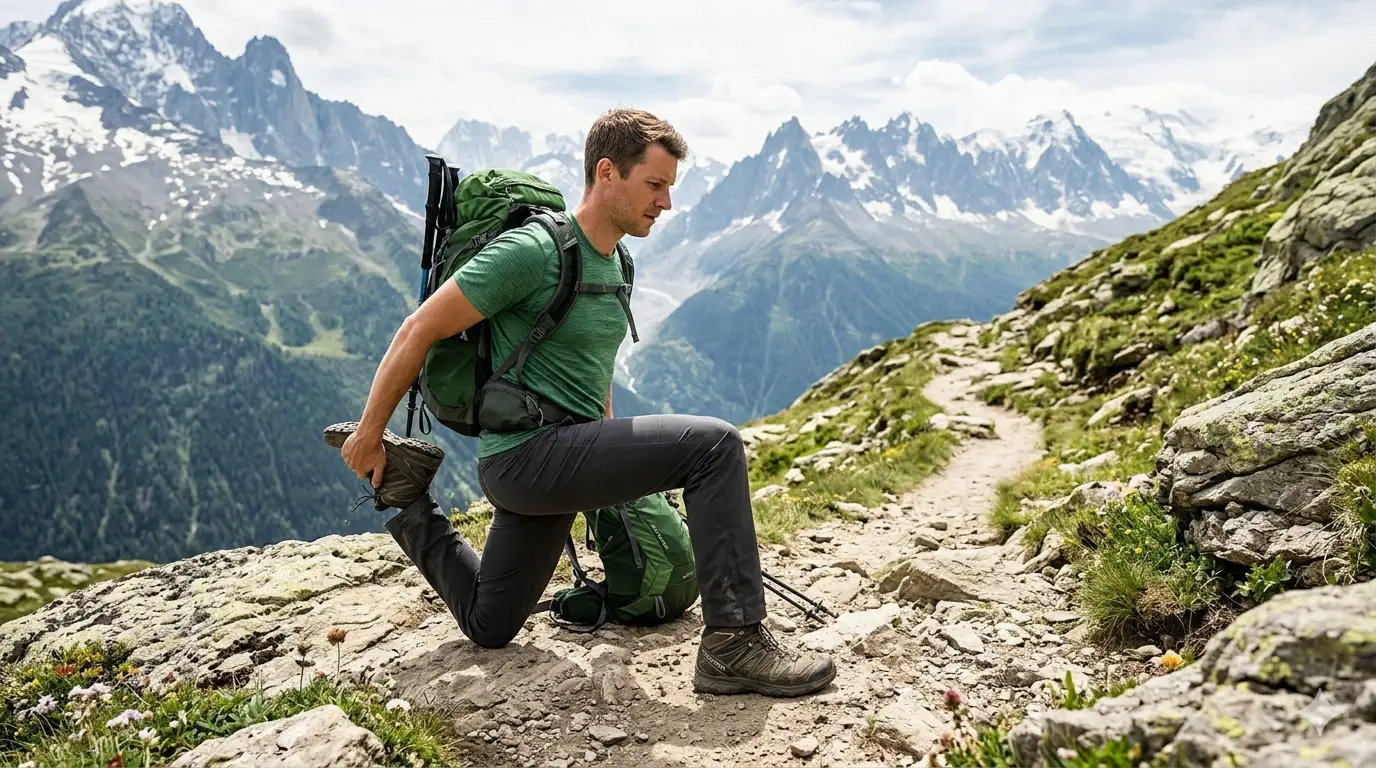
Simple stretches before and after hiking protect your knees and ankles.
Your Multi-Day Trekking Packing List
A good rule of thumb: your pack should weigh no more than 20–25% of your body weight. Pack smart, not heavy.
Essential Gear
- Sleep: Tent or bivvy, sleeping bag (rated for local temps), sleeping mat
- Clothing: Moisture-wicking base layer, warm mid-layer, waterproof jacket, trail trousers
- Footwear: Broken-in hiking boots, 2–3 pairs of merino wool socks
- Food & Water: Water filter or purification tablets, 2L water capacity, high-calorie trail food
- Safety: First aid kit, map + compass, headlamp + spare batteries, whistle
- Hygiene: Biodegradable soap, trowel, toilet paper, sunscreen
What to Leave Behind
- Cotton clothing (it stays wet and cold)
- Heavy full-size toiletries
- Unnecessary electronics or valuables
- More than 2–3 changes of clothes
Planning Your First Multi-Day Trek
Good planning makes your trek safer and more enjoyable. Do not skip this step.
Choosing the Right Route
- Start with a 2-night, 3-day route.
- Look for trails with huts or established campsites.
- Choose a route with a clear emergency exit option.
- Research total elevation gain — keep it moderate for your first trek.
Booking and Permits
- Check if the trail needs advance booking or a permit.
- Hut sleeping spots fill up quickly in peak season.
- Always have a backup camping option just in case.
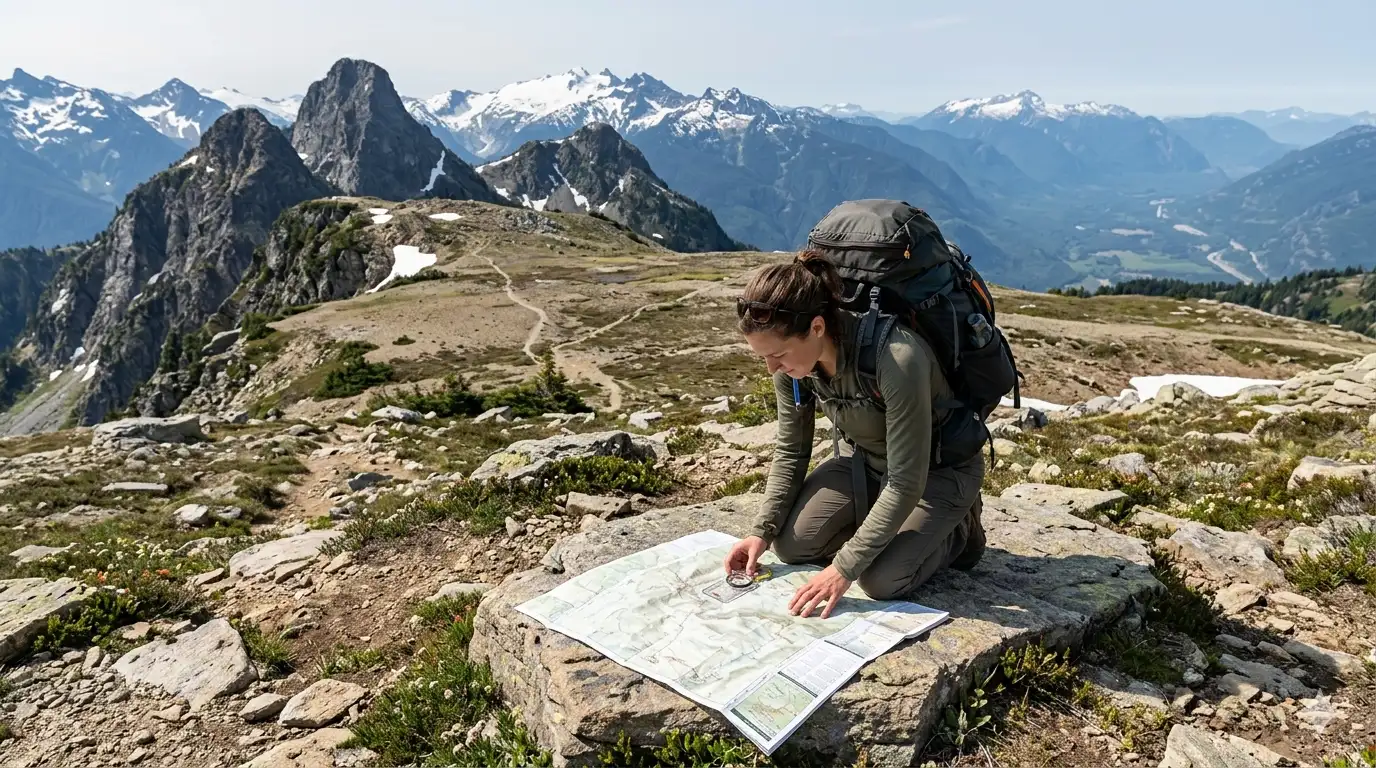
Always study your route map before setting off — even on well-marked trails.
Safety Tips for Multi-Day Trekking
Most trekking incidents happen due to poor preparation. These tips keep you on the right side of safety.
- Tell someone your plan. Share your route and expected return date.
- Check the weather. Mountain weather changes fast — plan for cold and wet.
- Know your limits. Turn back if weather or fatigue becomes dangerous.
- Stay hydrated. Drink water regularly, even when you do not feel thirsty.
- Watch for blisters early. A small hot spot treated early saves a lot of pain.
- Carry a charged phone. Download offline maps before you go.
Group Tip: If you are trekking solo for the first time, consider joining a guided group trek instead. You will learn a lot and feel more confident.
Related Articles
You Are More Ready Than You Think
Multi-day trekking feels big at first. But with the right plan, the right gear, and a little training, your first overnight trail experience can be one of the best things you ever do. Start small, go at your own pace, and enjoy every step.
Frequently Asked Questions
How fit do I need to be for my first multi-day trek?
You do not need to be an athlete. If you can walk 3–4 hours without feeling exhausted, you have a good starting point. A 6-week training plan before your trek will help you feel much more comfortable on the trail.
How heavy should my backpack be for a multi-day trek?
Try to keep your loaded pack under 20–25% of your body weight. For most people, that means between 10 and 15 kg. A lighter pack helps you enjoy the trail more and reduces strain on your knees.
Is it safe to trek alone as a beginner?
Solo trekking can be safe with good preparation. That said, your first multi-day trek is often better with a partner or a guided group. You will feel more confident, learn faster, and have help if something goes wrong.
What is the best length for a first multi-day trek?
A 2-night, 3-day route is a great starting point. It is long enough to give you the full trekking experience without overwhelming you. Look for trails with huts or established campsites to make logistics simpler.

No comments yet. Be the first to share your thoughts.