
Complete Trekking Guide for Beginners
Starting your first trek can feel exciting and a little overwhelming at the same time. You might wonder where to begin, what to pack, or how fit you need to be. This beginner trekking guide answers those questions in simple, practical steps.
Trekking is not just hiking. It usually means multi-day walks through natural terrain, often away from paved roads. But the basics are the same whether you trek for one day or five.
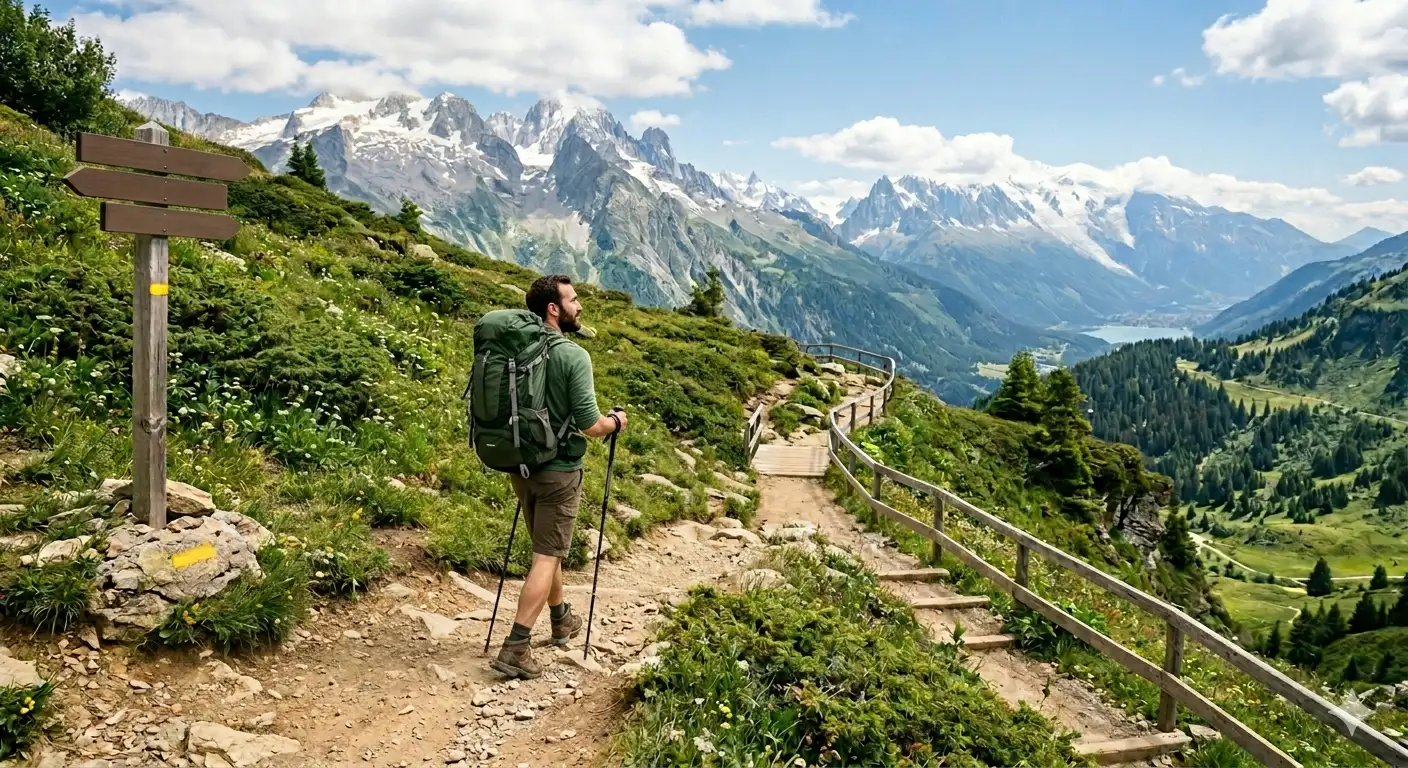
Choose the Right Trail for Your Level
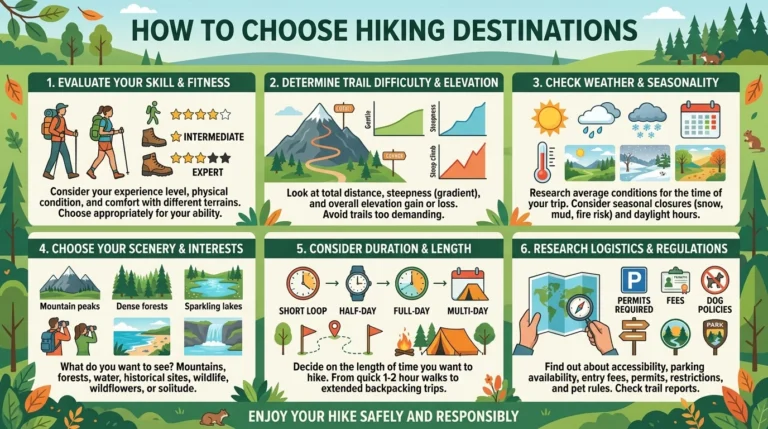
Your first trek should match your current fitness level. Choosing a trail that is too hard can lead to injury or a bad experience. Start with shorter, well-marked trails with moderate elevation gain.
Look for trails rated “easy” or “beginner-friendly” on hiking apps or local trail websites. A good beginner trek is between 8 and 15 kilometers per day with less than 500 meters of elevation gain.
How to Read Trail Difficulty Ratings
Most trails use a simple rating system: easy, moderate, and difficult. Easy trails have flat or gentle terrain. Moderate trails include some climbing and uneven ground. Difficult trails involve steep sections, technical terrain, or long distances.
As a beginner, stick to easy or moderate trails for your first few outings. You can move to harder routes as your fitness and confidence grow.
Hiking Fitness Preparation for Beginners
You do not need to be an athlete to start trekking. But some basic fitness preparation helps you enjoy the experience more. Begin walking regularly at least four to six weeks before your planned trek.
Gradually increase your walking distance and add some hills or stairs to your routine. This builds leg strength and improves your cardiovascular endurance for uphill climbs.
Simple Ways to Train at Home
- Walk 30 to 45 minutes daily, increasing distance each week
- Use stairs instead of elevators to build leg strength
- Do bodyweight squats and lunges three times a week
- Wear your hiking boots during training walks to break them in
Your feet and ankles also need preparation. Blisters are one of the most common issues for beginners. Wearing your hiking boots before the trek helps prevent painful surprises on the trail.
Essential Hiking Gear for Beginners
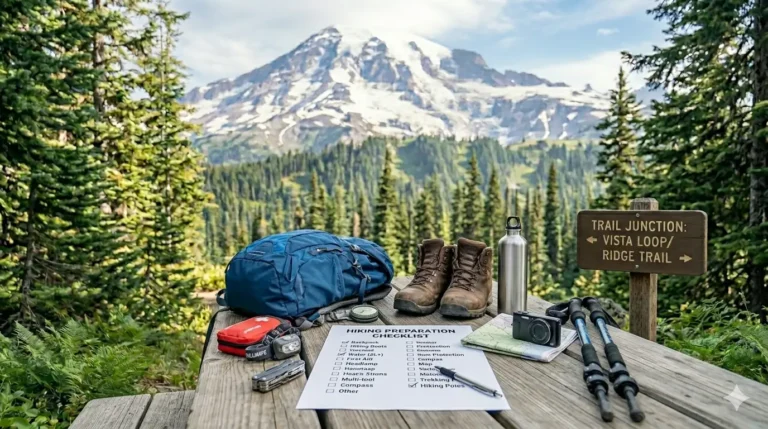
You do not need expensive gear for your first trek. A few key items make a real difference in comfort and safety. Focus on footwear, layering, and navigation tools first.
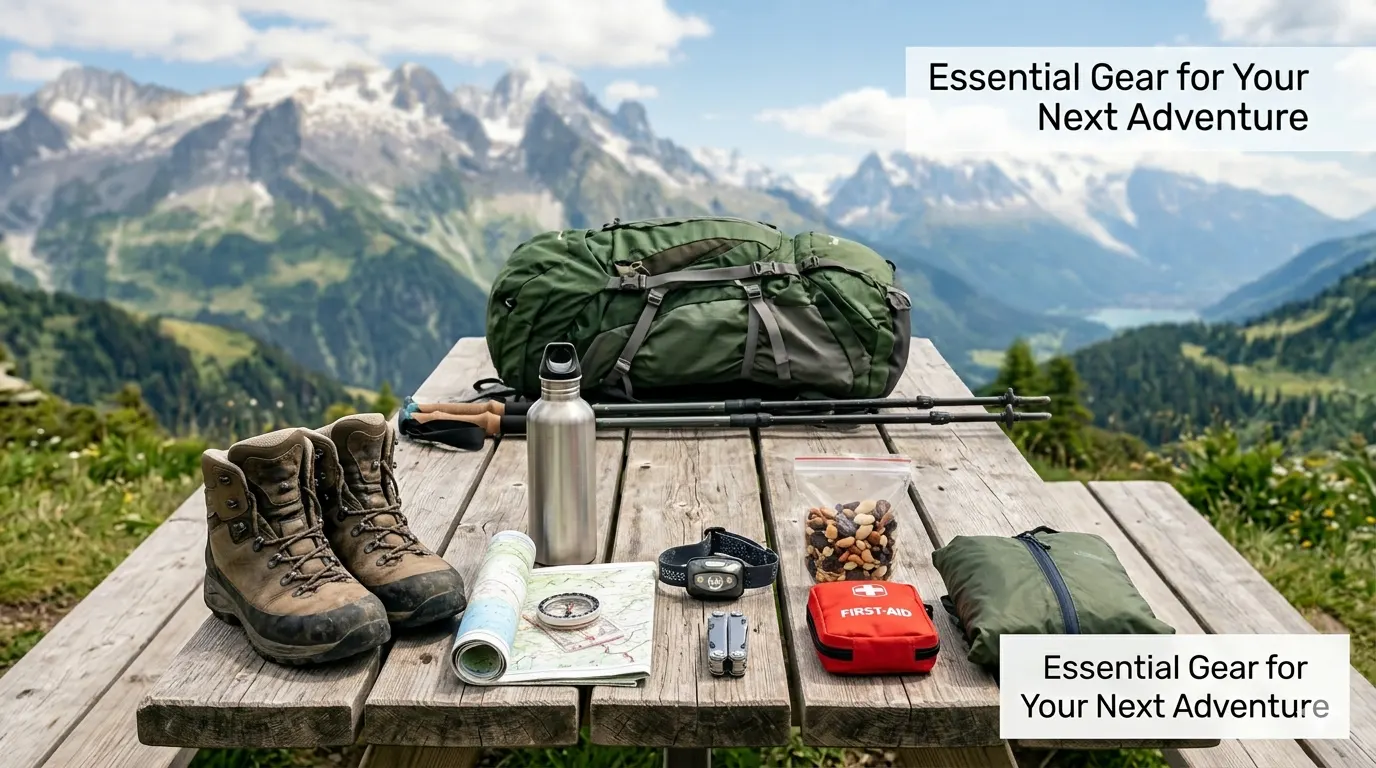
What to Pack for a Day Trek
- Hiking boots or trail shoes: Supportive, waterproof footwear protects your ankles and keeps your feet dry
- Daypack (20–30 liters): Enough space for water, food, and layers without being too heavy
- Water (at least 2 liters): Dehydration affects your energy and focus quickly on the trail
- Layered clothing: A base layer, mid-layer, and waterproof jacket cover most weather conditions
- First aid kit: Include blister plasters, bandages, pain relief, and any personal medication
- Navigation tools: Download an offline map app or carry a printed trail map
- Snacks and lunch: High-energy foods like nuts, dried fruit, and sandwiches keep your energy stable
For multi-day treks, you will also need a sleeping bag, tent or booking for mountain huts, and extra clothing. Keep your pack as light as possible. Heavy packs slow you down and strain your back.
Trekking Safety Tips Every Beginner Should Know
Safety on the trail starts with preparation. Many incidents happen because hikers underestimate the terrain or weather. A few simple habits reduce your risk significantly.
Tell someone your plan before you leave. Share your route, expected return time, and emergency contact details. If something goes wrong, rescue teams will know where to look.
Weather Planning for Hikers
Mountain weather can change quickly. A clear morning can turn into a cold, wet afternoon within hours. Always check the forecast before you go, and be prepared to turn back if conditions worsen.
Start your trek early in the day. Most mountain thunderstorms develop in the early afternoon. An early start also gives you plenty of daylight to complete your route safely.
Staying on the Trail
Getting lost is more common than people expect, even on well-marked trails. Use a trail navigation app like AllTrails or Komoot to track your position in real time. Download the map offline before you leave, as mobile signal is often poor in mountain areas.
Pay attention to trail markers, cairns, and signposts as you walk. If you are unsure of your route, stop and check your map before going further.
Read more: How to Use Hiking Apps for Trail Navigation
Time Management on the Trail
Beginners often underestimate how long a trek takes. A rough guide is to allow one hour for every 3 to 4 kilometers, plus extra time for breaks, photos, and climbing. Add a buffer for unexpected delays.
Set a turnaround time before you start. If you have not reached your goal by a certain hour, head back. Reaching the summit means nothing if you are walking back in the dark.
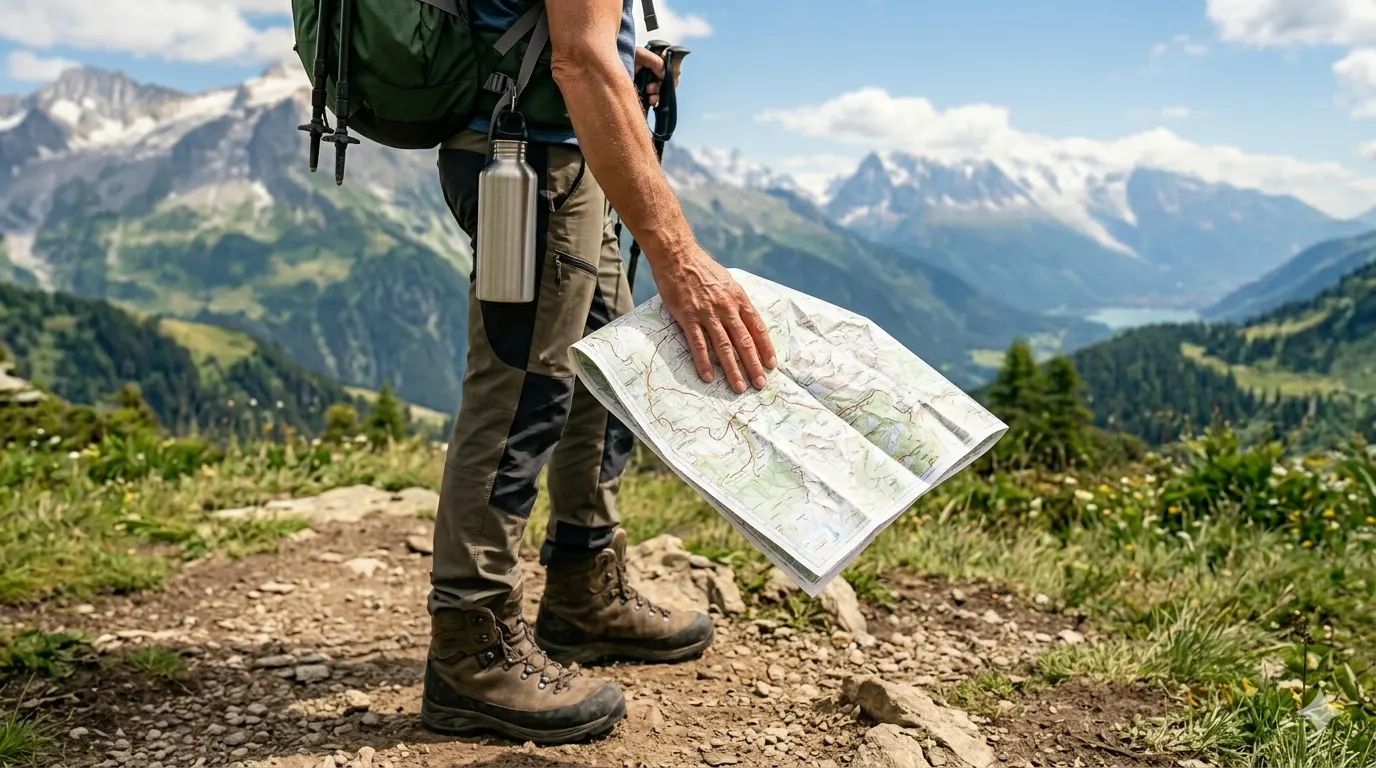
Related: How to Plan Your First Multi-Day Trek
Trail Etiquette for New Hikers
Respecting other hikers and the environment makes the trail better for everyone. Stay on marked paths to protect vegetation and reduce erosion. Carry out any rubbish you bring in.
Uphill hikers have the right of way on narrow trails. Step aside and let them pass if you are heading downhill. Greet other hikers and share trail conditions you have noticed along the way.
Conclusion
Your first trek does not need to be perfect. Choose a manageable trail, prepare your body and gear, and focus on enjoying the experience. Every experienced hiker started exactly where you are now.
Pick a local trail this weekend, lace up your boots, and take your first steps. The mountain will be there waiting for you.
Explore: Best Beginner Hiking Trails to Try This Year
Frequently Asked Questions
How fit do I need to be to start trekking?
You do not need to be very fit to begin trekking. If you can walk for 45 minutes without stopping, you are ready for an easy trail. Build your fitness gradually over a few weeks before attempting longer or harder routes.
What is the most important piece of gear for a beginner hiker?
Good footwear is the single most important item. Supportive, well-fitted hiking boots or trail shoes protect your feet and ankles on uneven ground. Wear them in before your first trek to avoid blisters.
How much water should I carry on a day trek?
Carry at least two liters of water for a half-day trek. For longer or warmer days, bring three liters or more. You can also carry a lightweight filter or purification tablets if the trail has natural water sources.
Is it safe to trek alone as a beginner?
Solo trekking carries more risk, especially for beginners. It is safer to go with a friend or join a local hiking group for your first few outings. If you do hike alone, always tell someone your route and expected return time.

No comments yet. Be the first to share your thoughts.