
Day Pack vs Trekking Backpack – Which One Do You Need?
A day pack is a small backpack designed for short hikes lasting a few hours.
A trekking backpack is a larger pack built for multi-day trips or long trails.
Choosing the right one can make your hike much more comfortable and enjoyable.
Quick Answer: What Is the Main Difference?
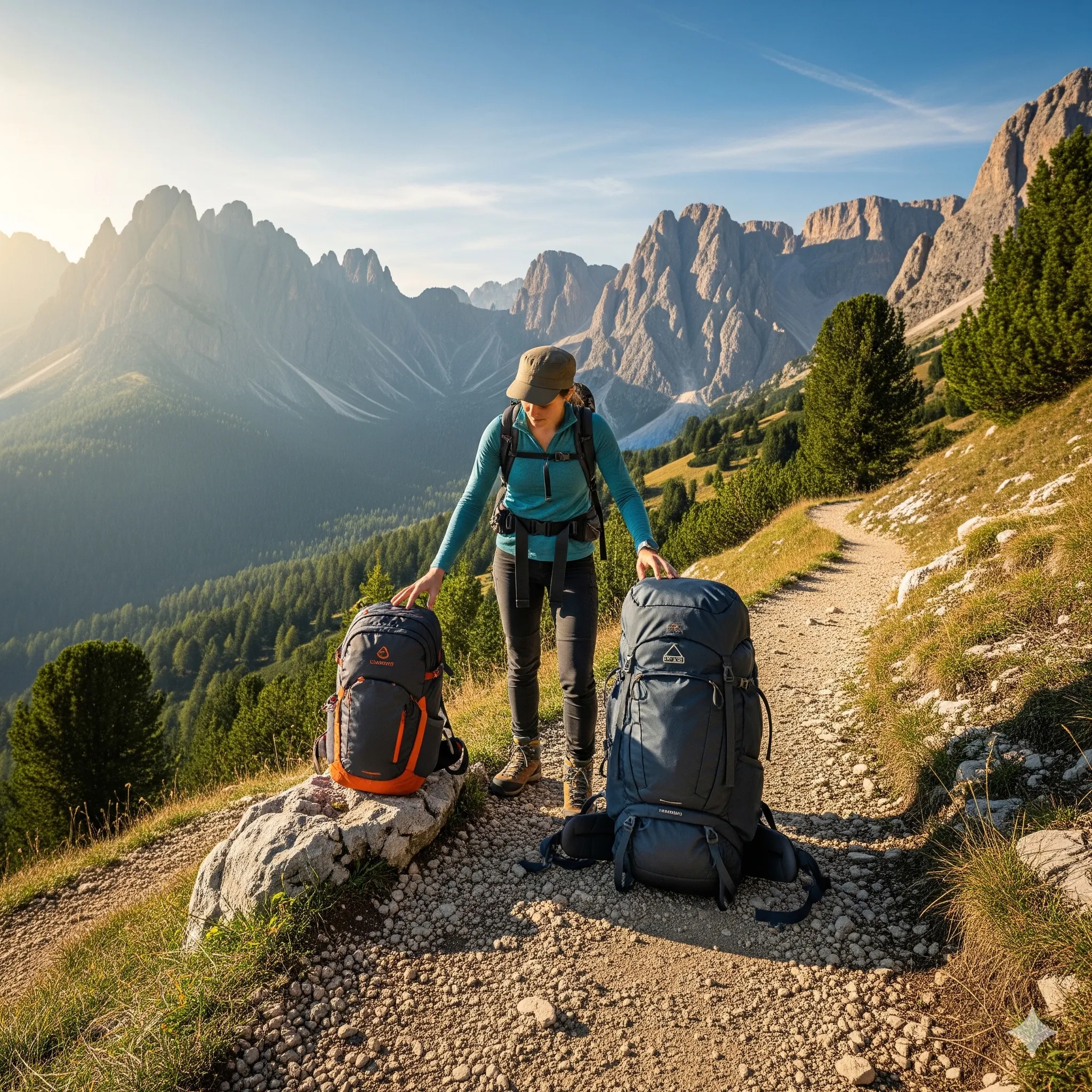
The main difference is size and purpose.
A day pack holds 10–25 liters and works for short hikes.
A trekking backpack holds 40–80 liters and works for overnight or multi-day trips.
Your choice depends on how long you plan to hike and how much gear you need to carry.
What Is a Day Pack?
A day pack is a lightweight backpack for hiking one day at a time.
It carries your essentials without weighing you down.
Most day packs range from 10 to 25 liters.
Pros of a Day Pack
- Lightweight and easy to carry
- Less bulky on narrow trails
- Cheaper than full trekking packs
- Great for city walks and casual hikes
- Easy to store when not in use
Cons of a Day Pack
- Not enough space for overnight gear
- Limited support for heavy loads
- Usually no frame or hip belt for weight distribution
- Not ideal for long, demanding trails
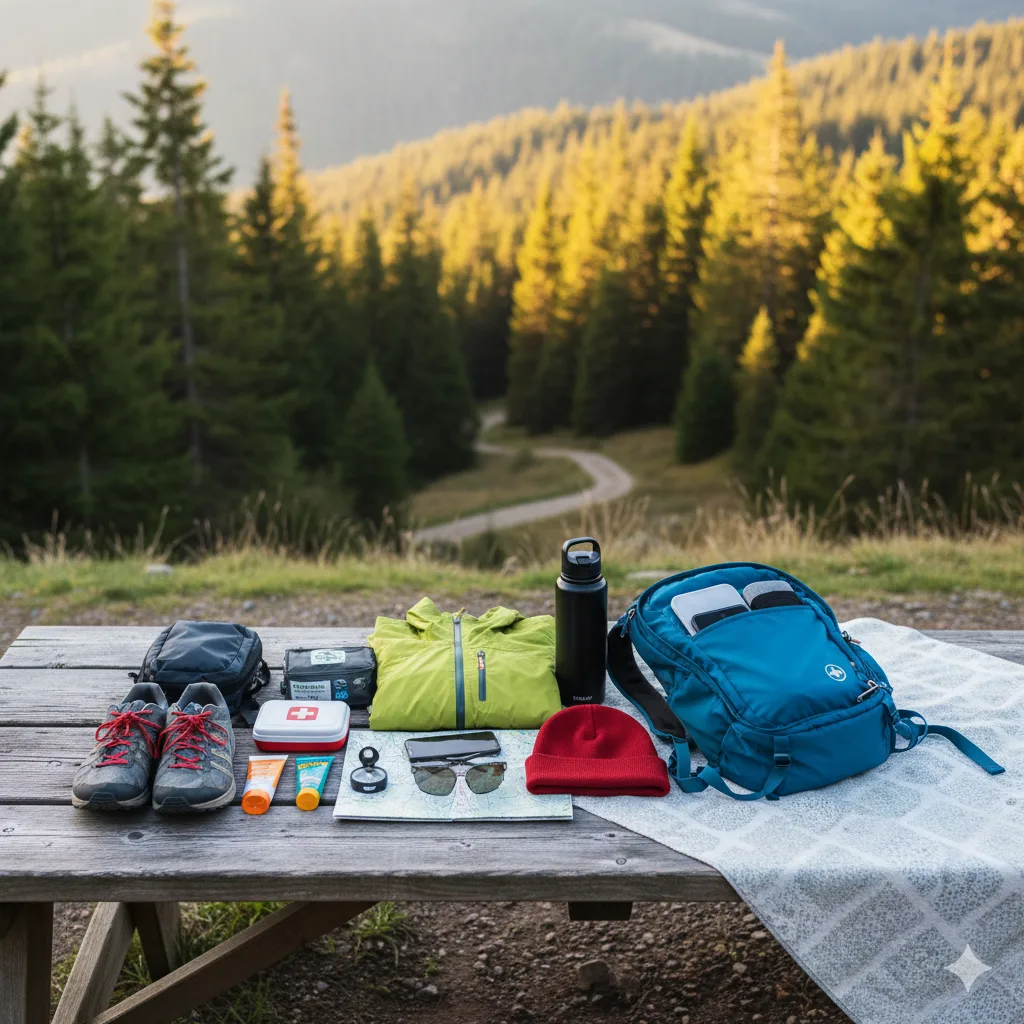
What to Carry in a Day Pack
- Water bottle or hydration bladder
- Snacks or a light lunch
- First aid kit
- Rain jacket or light layer
- Phone, map, or compass
- Sunscreen and sunglasses
Related Article: Best Day Packs for Hiking – Top Picks for Beginners
What Is a Trekking Backpack?
A trekking backpack is a large, structured pack for multi-day hikes or expeditions.
It is built to carry heavy loads over long distances.
Most trekking packs range from 40 to 80 liters.
Pros of a Trekking Backpack
- Plenty of space for camping gear, clothes, and food
- Internal frame and hip belt for better weight support
- Multiple compartments to organize your gear
- Built for comfort on long, challenging trails
- Often includes attachment points for trekking poles or sleeping bags
Cons of a Trekking Backpack
- Heavier than a day pack, even when empty
- More expensive
- Can feel too large for short hikes
- Takes time to pack and adjust properly
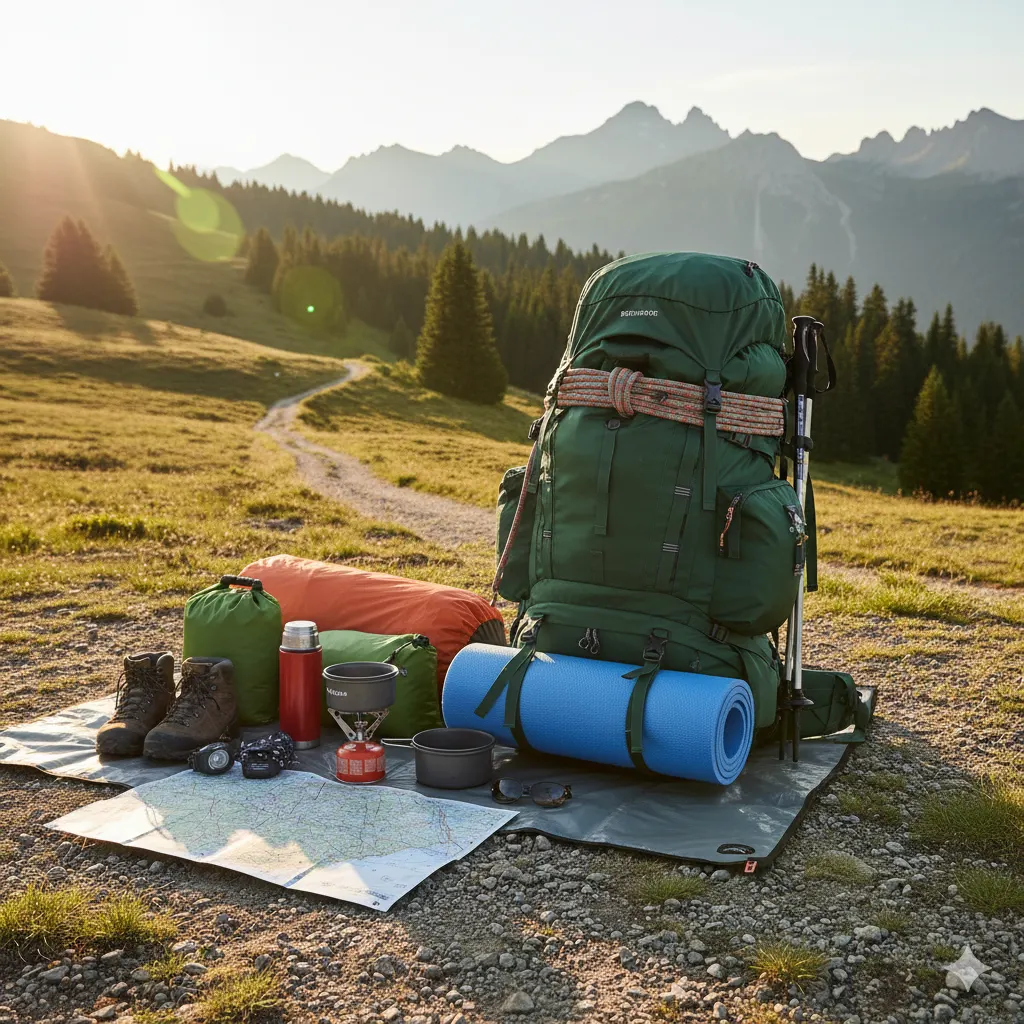
What to Carry in a Trekking Backpack
- Tent or shelter
- Sleeping bag and sleeping pad
- Cooking gear and food supplies
- Extra clothing layers
- Water filter or purification tablets
- Navigation tools and emergency kit
📖 Related Article: How to Pack a Trekking Backpack – Step-by-Step Guide
Day Pack vs Trekking Backpack: Side-by-Side Comparison
| Feature | Day Pack | Trekking Backpack |
|---|---|---|
| Capacity | 10–25 liters | 40–80 liters |
| Best for | Day hikes (1–8 hours) | Multi-day treks |
| Weight (empty) | 0.3–0.8 kg | 1.5–2.5 kg |
| Hip belt support | Rarely | Yes, usually padded |
| Price range | $20–$100 | $80–$400+ |
| Ease of use | Simple, grab and go | Requires packing strategy |
How to Choose the Right Pack for You
Your trip length and gear needs are the biggest factors in your decision.
Here are some simple questions to guide you:
Choose a Day Pack if you:
- Plan to hike for less than one full day
- Only need water, snacks, and basic safety gear
- Prefer a lighter, more flexible option
- Are just starting out with hiking
Choose a Trekking Backpack if you:
- Plan to sleep outdoors or hike for several days
- Need to carry a tent, sleeping bag, or cooking gear
- Are tackling a long trail like a mountain route or pilgrimage path
- Want better back support for heavier loads
Related Article: Beginner Hiking Gear Checklist – Everything You Need to Start
Tips for a Comfortable Fit
No matter which pack you choose, a good fit matters more than the brand or price.
Follow these tips to avoid back and shoulder pain on the trail:
- Adjust the shoulder straps so they hug your shoulders without digging in
- Use the hip belt to transfer weight from your shoulders to your hips
- Keep heavier items close to your back and centered
- Try on packs in store before buying, if possible
- Do a short test walk with the pack loaded to see how it feels
Conclusion
Both packs have their place on the trail. A day pack is perfect for quick, light hikes.
A trekking backpack is the better choice for longer adventures that need more gear.
Think about your typical hike before you buy — the right pack will make every step more comfortable.
Ready to hit the trail?
Browse our Hiking Gear Guides to find the best options for your next adventure.
Frequently Asked Questions (FAQs)
Can I use a day pack for an overnight hike?
A day pack is usually too small for overnight trips.
You would not have enough space for a sleeping bag, tent, or extra clothes.
For anything longer than one day, a trekking backpack is a better choice.
What size trekking backpack is good for a beginner?
A 40–50 liter pack is a good starting point for most beginners.
It gives you enough room for 2–4 days of gear without being too large or heavy.
Look for one with a padded hip belt and adjustable straps.
Is a 20-liter pack enough for a day hike?
Yes, a 20-liter day pack is enough for most day hikes.
You can fit water, food, a light jacket, and basic safety items comfortably.
For longer or more technical day hikes, a 25-liter pack gives you a bit more room.
Do I need a hydration bladder in my pack?
A hydration bladder is a useful option, but not a requirement.
Water bottles work just as well for most hikers.
If you prefer drinking without stopping, a hydration bladder can be more convenient on long trails.


No comments yet. Be the first to share your thoughts.