
Hiking Checklist (Printable) – Everything You Need Before You Hit the Trail
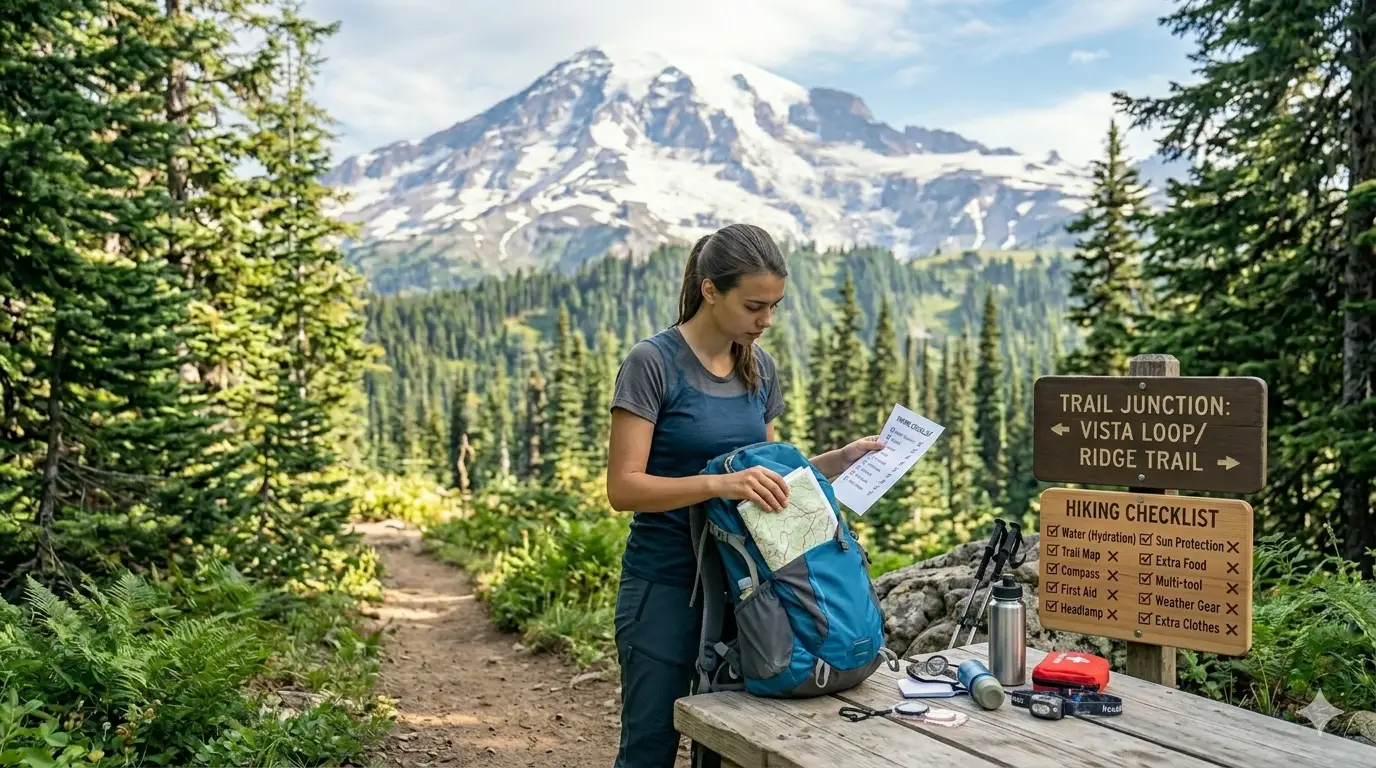
A good hiking checklist helps you pack smart and avoid last-minute stress. Whether you are planning a short walk or a full-day hike, knowing what to bring makes a real difference. This printable hiking checklist covers everything from clothing to safety gear.
You can print this list, check items off as you pack, and feel confident before you leave home. It works for beginners and experienced hikers alike.
Why You Need a Hiking Checklist
Forgetting something small can turn a great hike into a frustrating one. A missing water bottle or a forgotten rain jacket can affect your comfort and safety on the trail.
Using a checklist before every hike builds a reliable habit. It takes only a few minutes and helps you focus on enjoying the experience instead of worrying about what you left behind.
A checklist is also useful if you hike with friends or family. Everyone can prepare using the same list, so nothing gets overlooked.
Day Hike Checklist – The Essentials
For a standard day hike, your pack does not need to be heavy. Focus on the items that keep you hydrated, safe, and comfortable throughout the trail.
Water and Food
- Water bottle or hydration bladder (at least 2 liters)
- Water filter or purification tablets (for longer trails)
- High-energy snacks (nuts, granola bars, dried fruit)
- Packed lunch or sandwiches for longer hikes
Staying hydrated is important on any trail. Drink water regularly, not just when you feel thirsty. Bring more food than you think you need, especially on steep or long routes.
Clothing and Footwear
- Moisture-wicking base layer
- Fleece or insulating mid-layer
- Waterproof or wind-resistant outer layer
- Comfortable hiking pants or shorts
- Hiking boots or trail shoes with good grip
- Moisture-wicking hiking socks (bring a spare pair)
- Sun hat or warm beanie depending on weather
- Lightweight gloves in cooler seasons
Layering your clothing lets you adjust to changing temperatures during the hike. Trail conditions can shift quickly, especially at higher elevations.
Navigation and Trail Planning Items
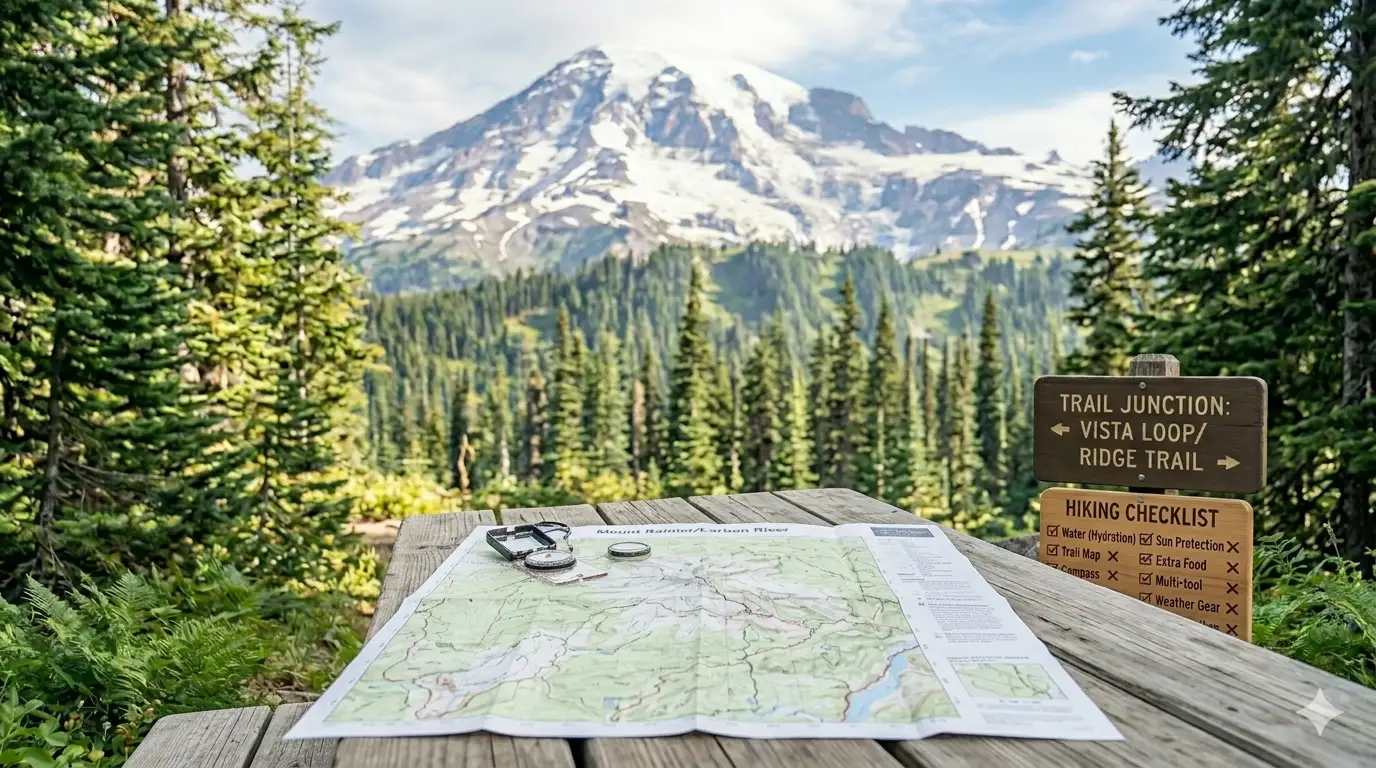
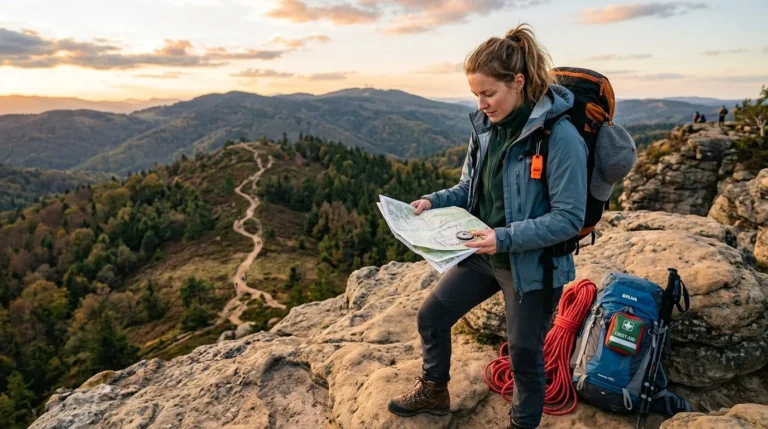
Knowing where you are on the trail keeps you safe and confident. Even on well-marked paths, carrying navigation tools is a wise habit.
- Printed trail map or downloaded offline map
- Compass
- Fully charged smartphone with GPS app
- Portable battery bank for phone charging
Do not rely on phone signal alone. Many trails pass through areas with little or no coverage. A physical map and compass give you a reliable backup option.
Check the trail details before you leave. Know the distance, elevation gain, and estimated walking time. This helps you plan your start time and manage daylight hours properly.
Safety and Emergency Gear
Safety items do not take much space, but they matter a great deal when things go wrong. Pack these in a small pouch inside your bag so you can find them quickly.
- Basic first aid kit (bandages, antiseptic wipes, blister plasters)
- Emergency whistle
- Headlamp or small flashlight with spare batteries
- Lightweight emergency blanket
- Fire starter or waterproof matches
- Small multi-tool or pocket knife
A blister plaster is one of the most used items in any first aid kit. Treat hot spots early before they become painful blisters that slow you down.
Always tell someone your plan before you hike. Share your trail name, start point, and expected return time. This is simple but very effective for your safety.
Sun, Skin, and Personal Care
Exposure to sun and wind affects your skin more than you might expect on the trail. A few personal care items make a noticeable difference in your comfort level.
- Sunscreen (SPF 30 or higher)
- Lip balm with sun protection
- Insect repellent
- Small pack of tissues or toilet paper
- Hand sanitizer
- Personal medications if needed
Reapply sunscreen during long hikes, especially if you sweat. Protecting your skin on sunny trails is just as important as staying hydrated.
Optional Items Worth Considering
Depending on your trail and personal preferences, a few extra items can improve your experience. These are not always necessary, but they are worth thinking about.
- Trekking poles for steep terrain or long distances
- Gaiters if the trail has muddy or rocky sections
- Camera or action cam
- Binoculars for wildlife or scenic viewpoints
- Sit pad for breaks on cold or wet ground
Trekking poles reduce pressure on your knees, especially on downhill sections. If you hike frequently on hilly terrain, they are a practical addition to your kit.
How to Use This Printable Hiking Checklist
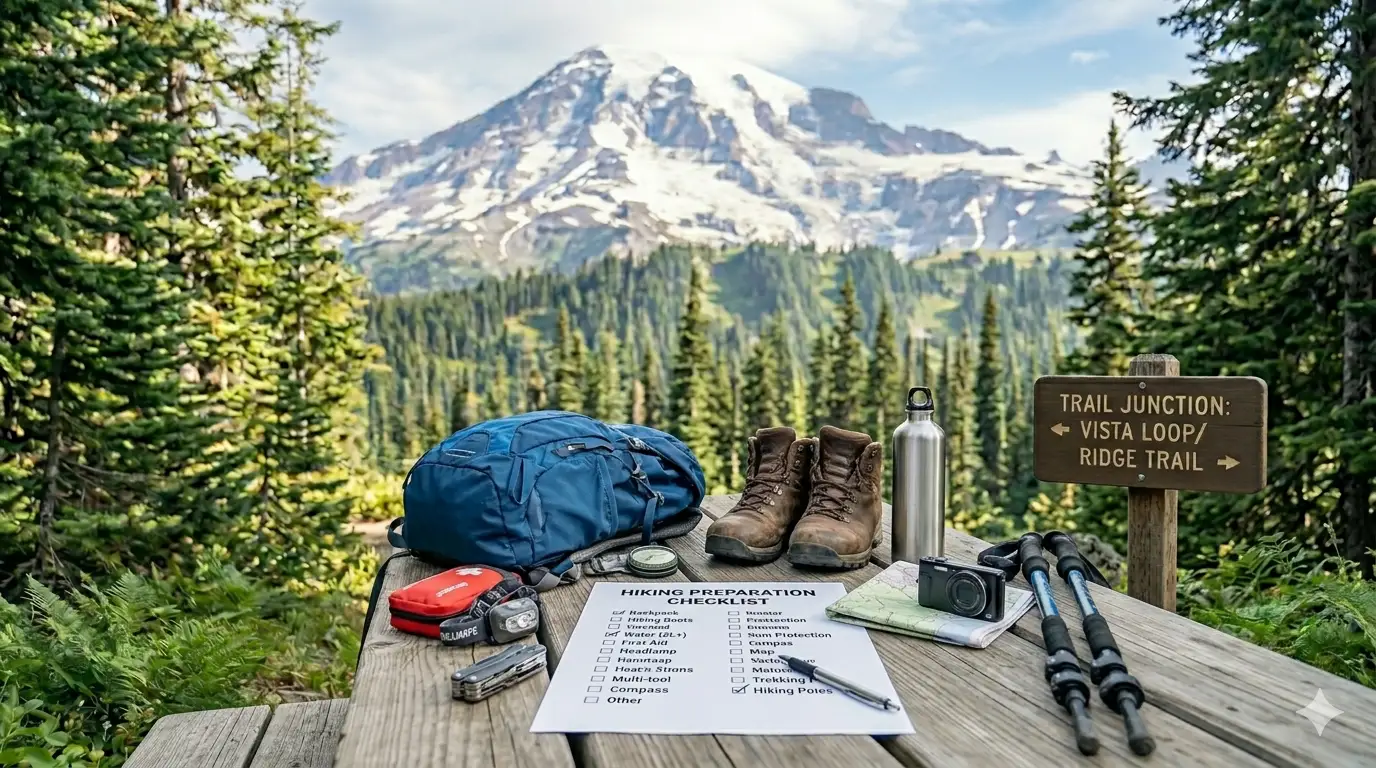
Print the checklist and keep it with your hiking gear. Go through each section the evening before your hike. This avoids rushing in the morning and helps you remember less obvious items.
After each hike, make a note of anything you wished you had brought or anything you packed but never used. Adjust your checklist over time to match the trails you hike most.
You can also create a shorter version for quick local walks and a longer version for full-day hikes. Matching your checklist to the hike type makes packing more efficient.
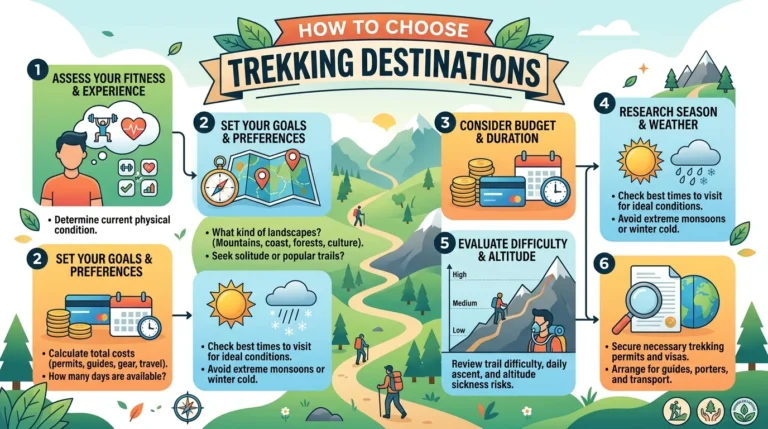
For more help with planning your hike, read our guide on how to choose the right trail for your fitness level. You can also check our article on layering clothing for hiking in changing weather.
Conclusion
A printable hiking checklist is one of the simplest tools you can use to prepare well. It keeps your packing organized, reduces stress, and helps you stay safe on the trail. Start with the essentials, then adjust the list to fit your hiking style.
Download or print this checklist before your next hike and see how much smoother your preparation becomes. For a deeper look at building a hiking pack, visit our beginner hiking gear guide.
Frequently Asked Questions
What should I always have in my day hiking pack?
Your day hiking pack should always include water, food, a map, a first aid kit, a headlamp, and appropriate clothing layers. These basics cover hydration, navigation, and safety for most day trails. Add or remove items based on trail length and weather conditions.
How much water should I bring on a day hike?
A general guideline is to carry at least half a liter of water per hour of hiking. For a four-hour hike, that means bringing around two liters. On hot days or steep terrain, you may need more. A water filter lets you refill from streams if available.
Is a hiking checklist useful for short trails?
Yes, even on short trails a checklist helps you avoid forgetting small but important items like sunscreen, snacks, or a phone charger. Short hikes can still involve unexpected weather changes or minor injuries, so basic preparation always makes sense.
What is the difference between a day hike checklist and a multi-day trekking list?
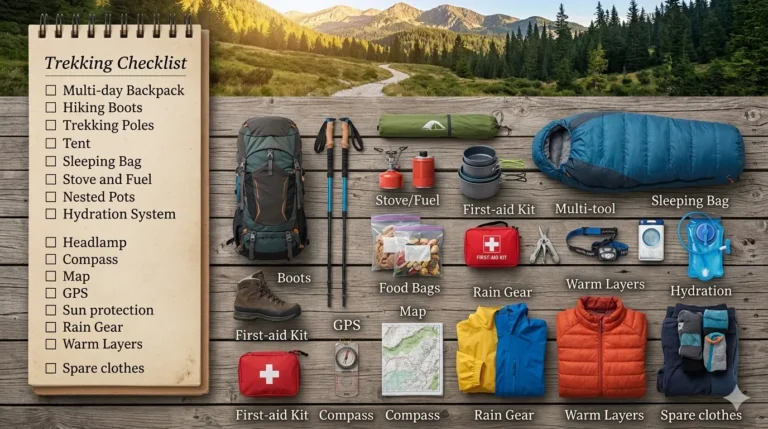
A day hike checklist focuses on items you need for a single outing, like water, food, and basic safety gear. A multi-day trekking list adds shelter, a sleeping bag, cooking equipment, and more clothing. The principles are the same, but the quantity and variety of gear increase significantly for overnight trips.

No comments yet. Be the first to share your thoughts.