
Hiking FAQ: 50 Common Questions Answered
Whether you’re planning your first hike or your hundredth, questions always come up. This hiking FAQ covers the most common concerns hikers face on the trail. You’ll find practical answers about gear, safety, navigation, and preparation.
Getting Started with Hiking
1. What should I wear for my first hike?
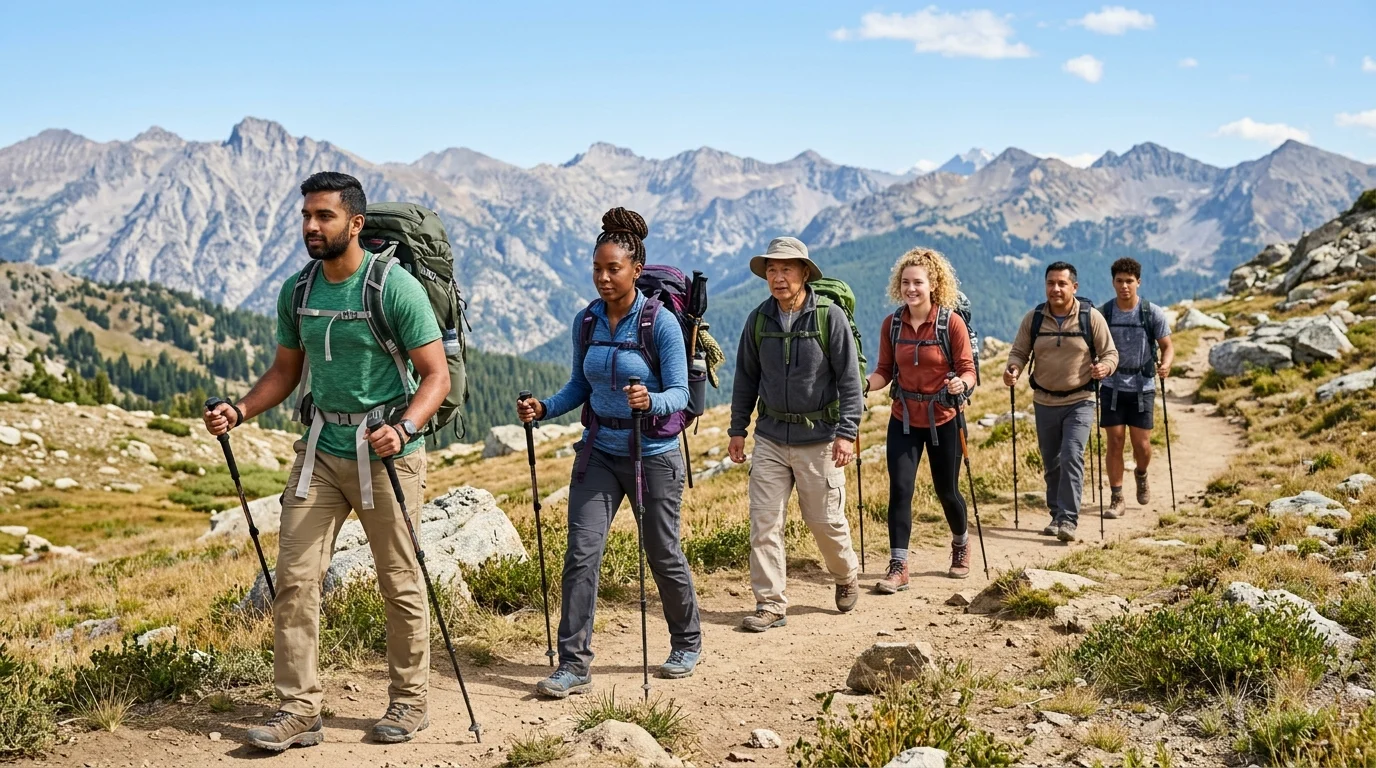
Wear moisture-wicking layers that you can add or remove. Avoid cotton clothing as it holds sweat and moisture. Choose synthetic or wool fabrics instead. Wear comfortable hiking boots or trail shoes with good tread.
2. How do I choose the right trail difficulty?
Start with trails rated easy or beginner-friendly. Check the elevation gain, distance, and trail conditions before you go. A good starter hike has less than 500 feet of elevation gain and under 5 miles total distance.
3. Do I need hiking boots or are sneakers okay?
Sneakers work fine for flat, well-maintained trails under 3 miles. For rocky terrain, longer distances, or trails with elevation gain, invest in proper hiking boots. They provide ankle support and better traction on uneven ground.
4. How long does it take to hike a mile?
Most hikers cover flat terrain at 2-3 miles per hour. Add one hour for every 1,000 feet of elevation gain. Your pace depends on fitness level, trail conditions, and pack weight.
5. Can I hike alone as a beginner?
Solo hiking is possible but requires extra preparation. Tell someone your hiking plan and expected return time. Stick to popular, well-marked trails during daylight hours. Consider joining hiking groups or finding a hiking partner first.
Essential Hiking Gear
6. What are the 10 essentials for hiking?
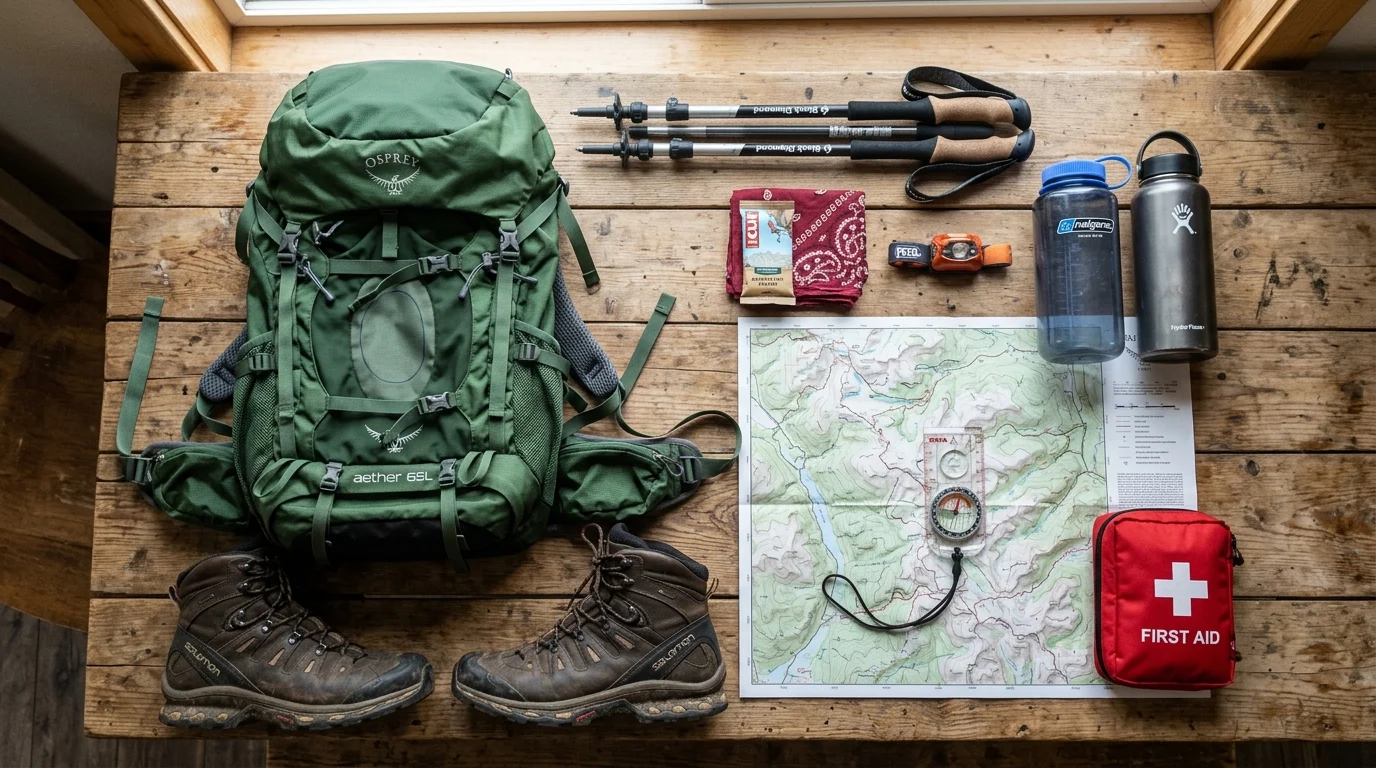
The ten essentials protect you in emergencies. Always pack these items regardless of hike length:
- Navigation tools (map and compass or GPS device)
- Sun protection (sunscreen, sunglasses, hat)
- Insulation (extra clothing layers)
- Illumination (headlamp or flashlight with extra batteries)
- First-aid supplies
- Fire starter (waterproof matches or lighter)
- Repair kit and tools (including knife)
- Nutrition (extra food beyond your planned needs)
- Hydration (extra water and purification method)
- Emergency shelter (space blanket or bivy)
7. How much water should I bring hiking?
Plan for half a liter per hour of moderate activity in mild weather. Double this amount in hot conditions or strenuous hikes. A 4-hour hike typically requires 2 liters minimum. Bring water purification tablets or a filter for longer trips.
8. Do I need hiking poles?
Hiking poles reduce stress on your knees during descents by 25 percent. They improve balance on uneven terrain and help you maintain pace uphill. Start using them on longer hikes or trails with significant elevation change.
9. What size backpack do I need for day hiking?
A 20-30 liter daypack holds everything you need for hikes under 8 hours. Choose one with padded shoulder straps and a hip belt. Make sure it has external pockets for easy access to water and snacks.
10. Should I bring a paper map or rely on my phone?
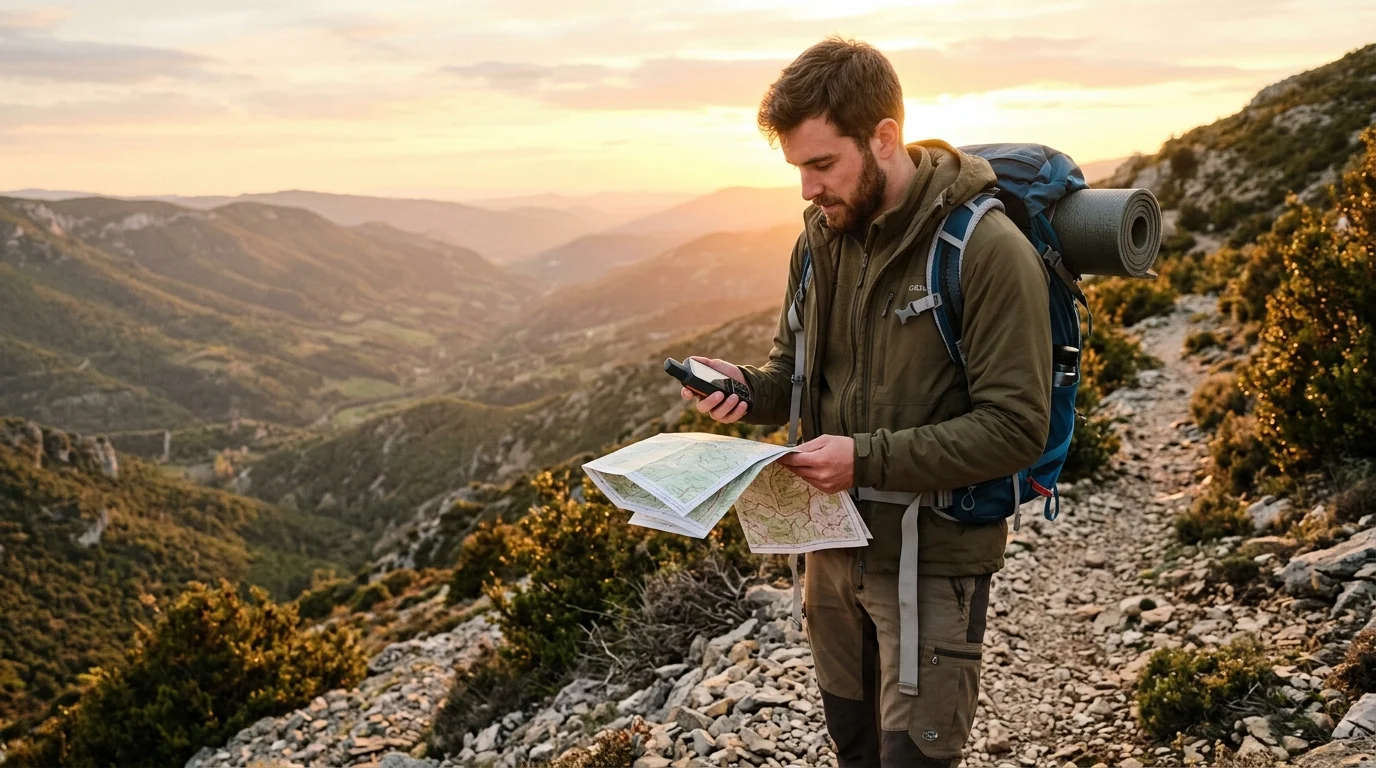
Always bring a paper map and compass as backup. Phone batteries die and GPS signals fail in remote areas. Download offline maps to your phone as a secondary navigation tool. Learn basic map reading skills before heading out.
Trail Safety and Navigation
11. What should I do if I get lost?
Stop moving as soon as you realize you’re lost. Stay calm and assess your situation. Use your map and compass to identify landmarks. If you can’t determine your location, stay put and call for help. Make yourself visible and conserve your resources.
12. How do I avoid getting lost on the trail?
Pay attention to trail markers and blazes throughout your hike. Look back frequently to memorize the route for your return. Take photos of trail junctions and distinctive landmarks. Check your map regularly to confirm your position.
13. What wildlife dangers should I prepare for?
Research the wildlife in your hiking area before you go. Carry bear spray in bear country and know how to use it. Make noise while hiking to avoid surprising animals. Store food properly and maintain safe distances from all wildlife.
14. Is it safe to hike during a thunderstorm?
Avoid exposed ridges and peaks when storms approach. Get below treeline and away from tall isolated trees. Crouch low in a forest of similar-sized trees if caught in a storm. Check weather forecasts before hiking and start early to avoid afternoon thunderstorms.
15. How do I treat blisters on the trail?
Stop hiking as soon as you feel a hot spot forming. Clean the area and apply a blister pad or moleskin. If a blister has formed, avoid popping it unless necessary. Protect it with padding and adjust your socks or lacing to reduce friction.
16. What should I do if I twist my ankle?
Stop immediately and assess the injury severity. Apply the RICE method: rest, ice (cold water), compression, and elevation. If you can’t bear weight, call for help. Wrap the ankle with athletic tape or bandage for support if you must continue hiking.
17. How do I know if altitude sickness is affecting me?
Watch for headache, nausea, dizziness, and unusual fatigue at elevations above 8,000 feet. Descend immediately if symptoms worsen or you experience confusion. Ascend gradually and stay hydrated to prevent altitude sickness. Spend a day acclimating before strenuous high-altitude hikes.
18. Should I hike with headphones?
Keep at least one ear uncovered to hear approaching hazards. Listen for wildlife, other hikers, and changing weather conditions. Save music for well-traveled urban trails where situational awareness matters less. Enjoy natural sounds and stay alert on remote trails.
Planning and Preparation
19. How do I find good hiking trails near me?
Use hiking apps and websites to search by location and difficulty. Read recent trail reports for current conditions. Visit local outdoor stores for recommendations. Join hiking groups on social media to discover hidden gems from experienced locals.
20. What’s the best time of day to start a hike?
Start early morning hikes around sunrise to avoid afternoon heat and thunderstorms. You’ll have more daylight buffer if delays occur. Early starts also mean fewer crowds on popular trails. Finish before 3 PM in areas prone to afternoon weather changes.
21. How do I prepare physically for a difficult hike?
Build endurance with regular cardio exercise three times per week. Practice hiking with your loaded pack on easier trails. Strengthen your legs with squats, lunges, and step-ups. Start training at least 4-6 weeks before your challenging hike.
22. What should I eat before and during a hike?
Eat a balanced meal with complex carbohydrates 2-3 hours before hiking. Bring high-energy snacks like nuts, dried fruit, and energy bars. Eat small amounts every hour to maintain energy levels. Avoid trying new foods on hiking day to prevent stomach issues.
23. Do I need a hiking permit?
Many popular trails and wilderness areas require permits, especially overnight trips. Check the land management agency website before your hike. Some permits are free while others charge fees. Popular destinations may require reservations weeks or months in advance.
24. How much does hiking cost?
Basic day hiking costs minimal money after initial gear investment. Expect to spend $200-500 on essential gear for beginners. Trail parking may cost $5-10 per day. Budget for permit fees, gas, and food for each trip.
25. Can I bring my dog hiking?
Check trail regulations first as many areas prohibit dogs or require leashes. Ensure your dog has adequate fitness and obedience training. Bring extra water for your pet and watch for signs of overheating. Pick up after your dog and keep them on trail.
Weather and Seasons
26. What’s the best season for hiking?
Spring and fall offer mild temperatures and fewer crowds on most trails. Summer provides the longest daylight hours but brings heat and afternoon storms. Winter hiking requires specialized gear and skills. Choose your season based on your location’s climate and trail conditions.
27. How cold is too cold for hiking?
You can hike in any temperature with proper preparation and gear. Temperatures below 20°F require extra caution for frostbite and hypothermia. Layer appropriately and keep moving to maintain body heat. Turn back if you can’t stay warm despite your layers.
28. Can I hike in the rain?
Light rain makes hiking perfectly safe with waterproof gear. Avoid trails during heavy rain or flood warnings. Wear waterproof jacket and pants to stay dry. Be cautious on slippery rocks and roots when trails are wet.
29. How do I read a weather forecast for hiking?
Check mountain-specific forecasts rather than valley forecasts. Look at hourly predictions, not just daily summaries. Monitor wind speed, precipitation chance, and temperature drops. Check forecasts the night before and again on hiking morning.
30. What temperature should I expect on a mountain?
Temperature drops about 3.5°F for every 1,000 feet of elevation gain. A 70°F valley could be 50°F at 6,000 feet elevation. Wind makes temperatures feel even colder. Bring layers even on warm days in the mountains.
Hiking with Others
31. How do I find hiking partners?
Join local hiking clubs or meetup groups in your area. Connect with hikers through social media and hiking apps. Ask friends or coworkers if they’re interested in hiking. Outdoor stores often organize group hikes for customers.
32. What pace should our group maintain?
Hike at the pace of your slowest member. The group stays together and nobody gets left behind. Take regular breaks so everyone can catch their breath. Faster hikers can challenge themselves on a different day.
33. How do I hike safely with children?
Choose shorter trails with interesting features to maintain their interest. Bring extra snacks and water for kids. Let children set the pace and take frequent breaks. Make hiking fun with games and nature observations. Read more about family-friendly hiking tips.
34. What’s proper trail etiquette when passing other hikers?
Uphill hikers have the right of way on narrow trails. Step aside to let faster hikers pass when safe. Announce your presence politely when approaching from behind. Keep right on wider trails and thank others who yield.
35. Should mountain bikers or hikers yield on shared trails?
Bikers should yield to hikers on most shared trails. Hikers should step aside if it’s easier and safer. Communicate clearly with a friendly greeting. Everyone should be courteous and flexible about yielding.
Advanced Hiking Concerns
36. When should I consider turning back?
Turn around if weather conditions deteriorate rapidly. Head back if you’re behind schedule with limited daylight remaining. Return if anyone in your group feels ill or injured. Listen to your instincts about unsafe conditions.
37. How do I cross a stream safely?
Look for the widest, shallowest crossing point. Unbuckle your pack’s hip belt in case you fall. Use trekking poles for balance and face upstream. Take small steps and test each foothold before committing your weight.
38. What’s the difference between a trail and a route?
Trails are maintained paths marked with signs or blazes. Routes are general directions through terrain without a cleared path. Routes require map and compass skills plus route-finding ability. Beginners should stick to established trails.
39. How do I navigate without trail markers?
Use topographic features like ridgelines, valleys, and water sources. Take bearing readings with your compass and follow them carefully. Count your paces to estimate distance traveled. Practice these skills on marked trails before trying unmarked routes.
40. Should I hike with a GPS device?
GPS devices provide excellent backup navigation tools. They work better than phone apps in remote areas. Always carry map and compass as primary navigation tools. Download waypoints before your hike for key locations.
Leave No Trace Principles
41. What does Leave No Trace mean?
Leave No Trace means minimizing your impact on natural areas. Pack out everything you pack in, including trash. Stay on designated trails to prevent erosion. Respect wildlife and other visitors. Learn more about environmental hiking practices.
42. How do I go to the bathroom on the trail?
Use established toilet facilities when available. Dig a cathole 6-8 inches deep at least 200 feet from water sources. Bury solid waste and pack out toilet paper in a sealed bag. Urinate on rocks or gravel away from water and campsites.
43. Can I take rocks or flowers from the trail?
Leave natural objects where you find them for others to enjoy. Taking items is illegal in national parks and protected areas. Collecting disrupts ecosystems and diminishes experiences for future hikers. Take only photos and memories.
44. Where should I take breaks on the trail?
Step completely off the trail onto durable surfaces for breaks. Use established rest areas and viewpoints when possible. Avoid trampling vegetation or widening the trail. Keep your group together to minimize impact area.
45. Is it okay to feed wild animals?
Never feed wildlife no matter how cute or hungry they appear. Human food harms animals and creates dangerous behavior patterns. Animals become dependent on handouts and aggressive toward humans. Store your food securely and enjoy wildlife from a distance.
Special Situations
46. Can I hike while pregnant?
Many women hike safely throughout pregnancy with doctor approval. Stick to familiar trails at lower elevations. Stay hydrated and take frequent breaks. Listen to your body and reduce intensity as pregnancy progresses.
47. How do I hike with a disability?
Many trails offer accessible options with paved or smooth surfaces. Research trail conditions and accessibility features before you go. Adaptive equipment and hiking aids can open more trail options. Contact park rangers for specific accessibility information.
48. What’s the difference between hiking and trekking?
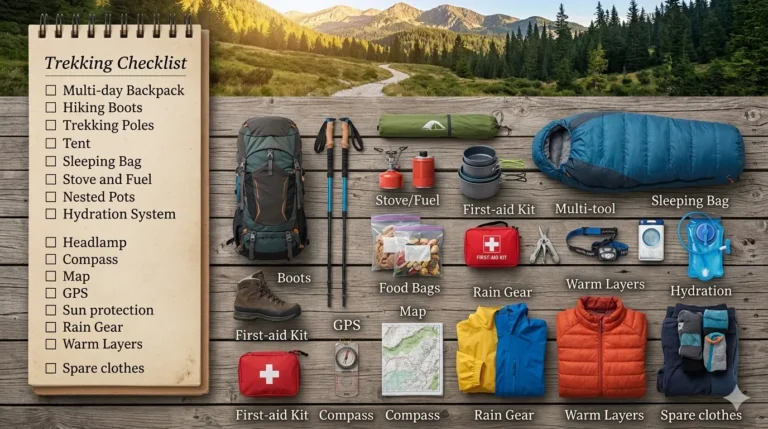
Hiking typically means day trips returning to a trailhead. Trekking involves multi-day journeys through wilderness areas. Treks require overnight camping gear and more extensive planning. Both activities build similar skills and fitness. Discover essential trekking preparation tips.
49. How do I transition from day hiking to backpacking?
Start with overnight trips close to your car. Practice setting up your tent and using camping gear. Gradually increase trip length as your comfort grows. Take a backpacking class or go with experienced friends first.
50. What’s the biggest mistake beginner hikers make?
Overestimating fitness and underestimating trail difficulty is the most common error. Starting with trails too challenging leads to exhaustion and injury. Begin with easy hikes and gradually progress to harder trails. Research trail conditions and be honest about your abilities.
Conclusion
This hiking FAQ covers the essential questions every hiker encounters. From gear selection to trail safety, you now have practical answers to guide your adventures. Remember that hiking skills develop through experience and every trail teaches something new.
Start planning your next hike using these answers as your foundation. Choose an appropriate trail for your skill level and prepare thoroughly. Get outside and discover why millions of people love exploring trails.

No comments yet. Be the first to share your thoughts.