
Trekking Checklist: Your Complete Printable Guide
Planning your next trek? A comprehensive trekking checklist ensures you pack everything you need without carrying unnecessary weight. This guide provides you with a detailed, printable checklist for day hikes and multi-day treks. You can download and customize it for your specific adventure.
Why You Need a Trekking Checklist
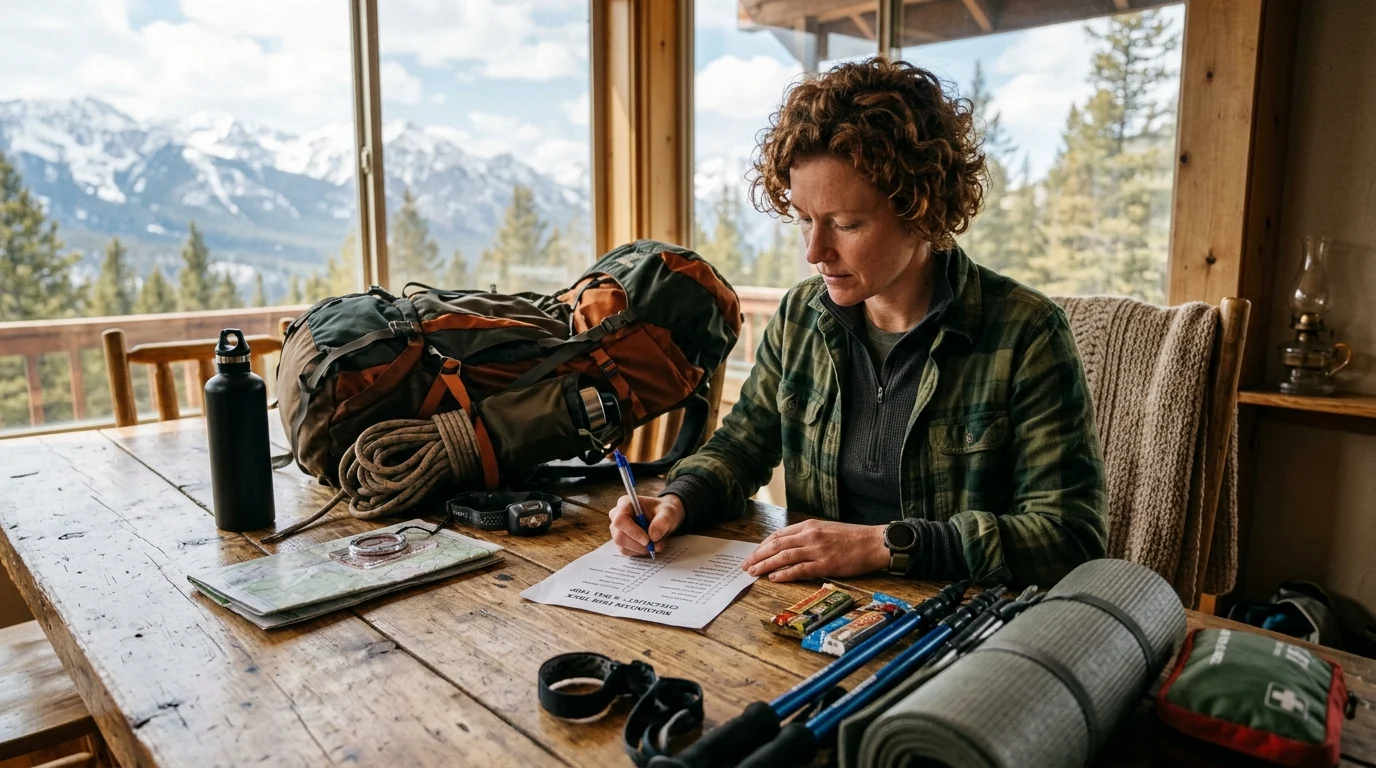
A trekking checklist saves time and reduces stress before your hike. You avoid the panic of forgetting critical items like water purification tablets or first aid supplies. Experienced trekkers use checklists to maintain consistency across trips. This systematic approach helps you pack efficiently and prevents overpacking.
Your checklist also serves as a learning tool. After each trek, you can note what you used and what stayed in your pack. This feedback loop helps you refine your gear selection over time. Within a few trips, you will know exactly what works for your hiking style.
Essential Categories for Your Trekking Gear List
Every complete hiking gear list covers six main categories. These include clothing, navigation tools, food and water, shelter, safety equipment, and personal items. Breaking your checklist into sections makes packing more organized and thorough.
Clothing and Footwear
Your clothing choices directly impact comfort and safety on the trail. Base layers wick moisture away from your skin. Mid layers provide insulation. Outer layers protect against wind and rain. This three-layer system adapts to changing weather conditions.
- Moisture-wicking base layers (synthetic or merino wool)
- Insulating mid-layer (fleece or down jacket)
- Waterproof and breathable rain jacket
- Quick-dry hiking pants or shorts
- Extra pair of hiking socks
- Broken-in hiking boots or trail shoes
- Wide-brimmed hat or cap for sun protection
- Warm beanie for cold weather
- Gloves for high-altitude or winter treks
Choose footwear based on terrain difficulty. Light trail shoes work for easy paths. Sturdy boots with ankle support suit rocky or steep trails. Break in new footwear before your trek to prevent blisters.
Navigation and Communication
Navigation tools keep you on track and connected in emergencies. Paper maps never run out of battery. A compass works in any weather condition. GPS devices and phone apps provide real-time location data but require power management.
- Detailed topographic map of your route
- Compass (and knowledge of how to use it)
- GPS device or smartphone with offline maps
- Portable power bank for electronic devices
- Emergency whistle
- Personal locator beacon for remote areas
Always carry physical maps as backup. Download offline maps to your phone before leaving cell coverage. Tell someone your route and expected return time before you start.
Food and Water Supplies
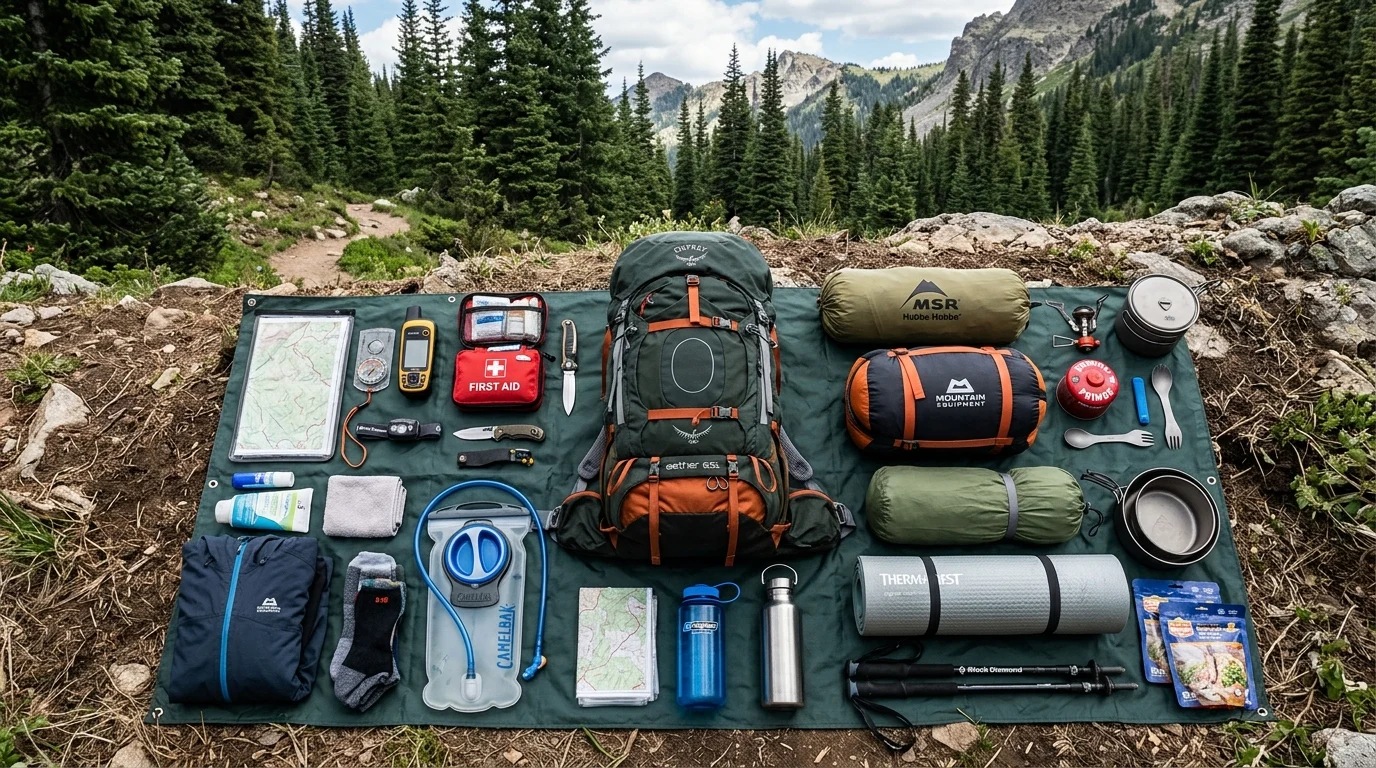
Proper nutrition and hydration maintain your energy throughout the trek. Plan for 2-3 liters of water per person per day in moderate conditions. Hot weather or strenuous terrain increases water needs significantly.
- Water bottles or hydration reservoir (2-3 liters capacity)
- Water purification tablets or filter system
- High-energy snacks (trail mix, energy bars, dried fruit)
- Lunch items (sandwiches, wraps, or dehydrated meals)
- Electrolyte packets or sports drink mix
- Lightweight cooking system (for multi-day treks)
- Biodegradable soap for dishes
Pack calorie-dense foods that weigh little and require minimal preparation. Nuts, dried fruits, and energy bars provide quick fuel. For longer treks, consider dehydrated meals that only need hot water.
Shelter and Sleep System
Your shelter protects you from weather and provides rest. Day hikers may only need an emergency bivy. Multi-day trekkers require a complete sleep system including tent, sleeping bag, and pad.
- Lightweight tent or tarp shelter
- Sleeping bag rated for expected temperatures
- Sleeping pad for insulation and comfort
- Emergency space blanket or bivy sack
- Tent repair kit and extra stakes
Choose a sleeping bag rated 10-15 degrees lower than the coldest expected temperature. Sleeping pads prevent heat loss to the cold ground. Even in summer, nights at altitude can drop below freezing.
Safety and First Aid
A proper first aid kit addresses common trail injuries and emergencies. Customize your kit based on trip length, group size, and medical training level. Check expiration dates on medications before each trip.
- Comprehensive first aid kit with bandages and antiseptic
- Blister treatment supplies (moleskin or blister pads)
- Pain relievers and anti-inflammatory medication
- Antihistamines for allergic reactions
- Tweezers and scissors
- Emergency fire starter (waterproof matches or lighter)
- Multi-tool or knife
- Sun protection (sunscreen SPF 30+ and lip balm)
- Insect repellent
- Personal medications
Learn basic first aid skills before heading into remote areas. Know how to treat blisters, sprains, and hypothermia. Your knowledge matters more than the size of your kit. Check out our detailed guide on hiking safety essentials for more information.
Personal Items and Extras
Personal items support hygiene, documentation, and comfort. Keep these lightweight but do not skip essentials like toilet supplies and identification.
- Identification and emergency contact information
- Permits or park passes
- Toilet paper and trowel (for backcountry trips)
- Hand sanitizer or wet wipes
- Headlamp or flashlight with extra batteries
- Lightweight towel
- Camera for capturing memories
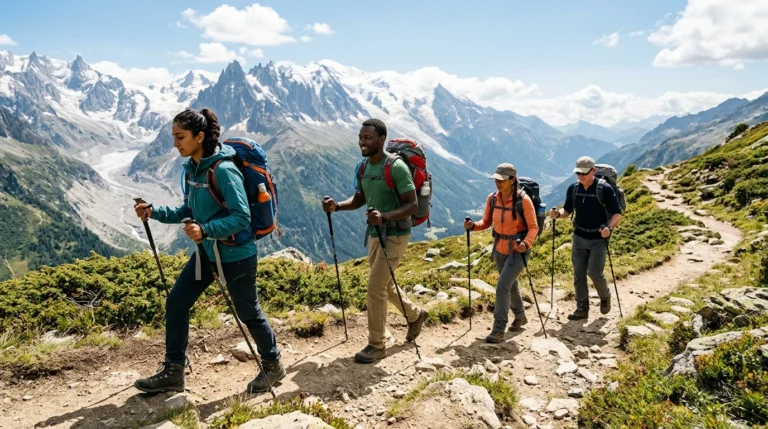
- Trekking poles for stability and knee support
- Stuff sacks or dry bags for organization
- Trash bags (pack out all waste)
Trekking poles reduce stress on knees during descents. They improve balance on uneven terrain. Adjustable poles adapt to different users and trail conditions.
Customizing Your Backpacking Checklist
Not every trek requires the same gear. A two-hour nature walk needs less equipment than a week-long mountain expedition. Adjust your hiking packing list based on these factors.
Trip Duration
Day hikes require only the essentials in a small daypack. You can return home for food and shelter. Multi-day treks demand complete self-sufficiency including cooking equipment and enough food for the entire journey.
Add one extra day of food as a safety margin on longer trips. Weather delays or unexpected detours can extend your time on trail. This buffer prevents hunger if plans change.
Weather and Season
Summer treks in hot climates need extra water capacity and sun protection. Winter expeditions require insulated clothing, four-season tents, and cold-weather sleeping bags. Spring and fall demand versatile layering systems for variable conditions.
Research historical weather patterns for your destination. Mountain weather changes rapidly. Prepare for conditions worse than the forecast predicts.
Terrain and Difficulty
Technical mountain routes need specialized gear like crampons or ice axes. Desert treks require more water storage. Jungle environments demand insect protection and machetes for trail clearing. Match your trekking essentials to the specific challenges ahead.
Study trip reports from other hikers who completed your route. Their experiences reveal gear needs that maps alone cannot show. Online hiking forums provide valuable real-world feedback.
Packing Tips for Efficient Trekking
How you pack matters as much as what you pack. Proper organization keeps frequently used items accessible. Weight distribution affects balance and comfort during long hiking days.
Place heavy items close to your back between shoulder blades. This positioning centers weight over your hips. Keep sleeping bags and clothes at the bottom of your pack. Store food and cooking gear in the middle. Pack rain gear and first aid kit in outside pockets for quick access.
Use compression sacks to reduce bulk in sleeping bags and clothing. Stuff sacks organize similar items together. Color-coded bags help you find gear quickly without unpacking everything. Our backpacking tips for beginners covers more packing strategies.
Testing Your Gear Before the Trek
Never test new equipment on an important trek. Take a short overnight trip to verify all gear works correctly. Set up your tent at home before departure. This practice run reveals missing stakes or broken poles with time to fix problems.
Wear your loaded pack on training hikes. This conditioning strengthens muscles and identifies uncomfortable pressure points. Adjust straps and load distribution before committing to a long trail. Break in new boots gradually over several weeks.
Check stove function and fuel compatibility. Ensure water filters pump smoothly. Verify that your phone actually receives GPS signals with downloaded maps. These small tests prevent major frustrations on trail.
Downloadable Printable Trekking Checklist
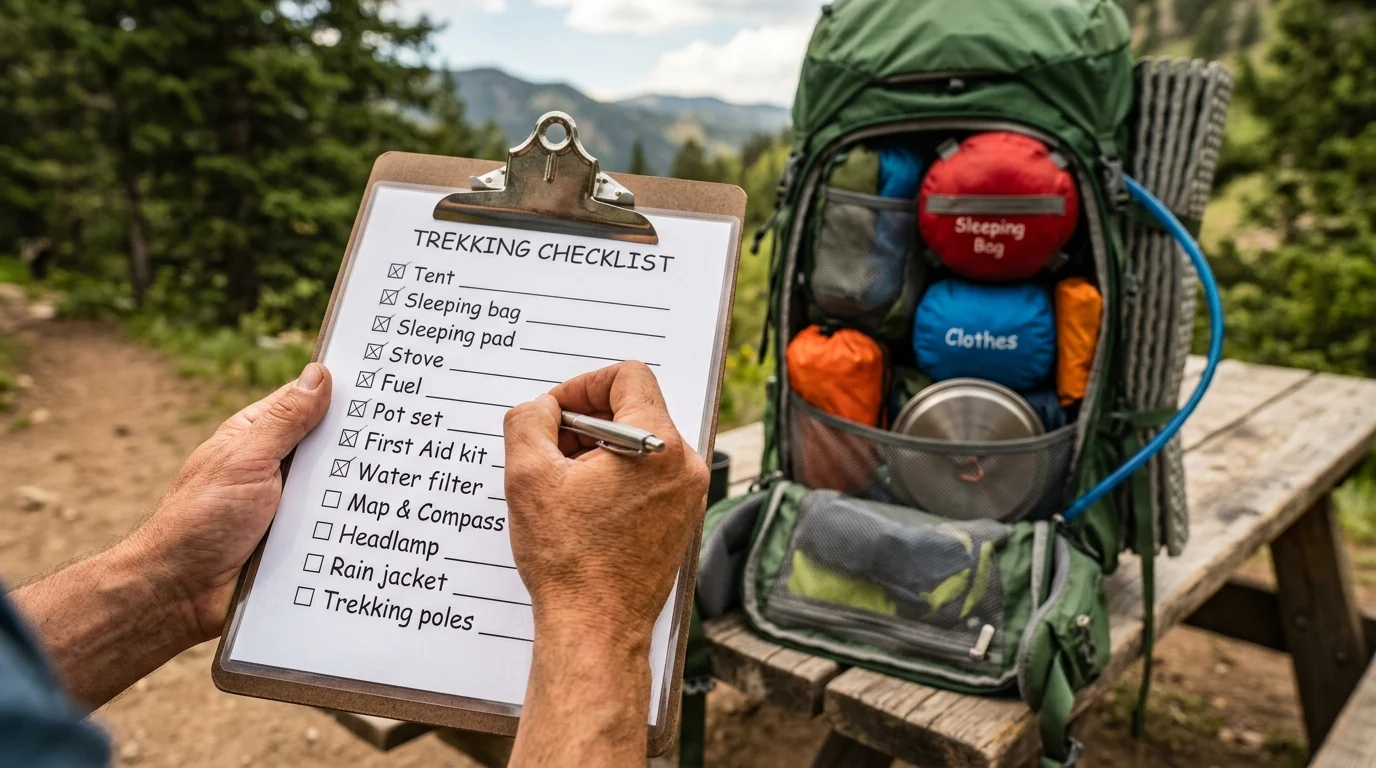
Create your custom checklist by copying the items listed in this guide. Print multiple copies and laminate one for durability. Keep a master list and check off items as you pack. Store the laminated version in your backpack for reference during the trip.
Make notes on your checklist after each trek. Circle items you used frequently. Cross out things that stayed packed. This feedback helps you optimize future packing. Your personalized checklist becomes more valuable with each adventure.
Share your refined checklist with hiking partners. Coordinate who brings shared items like tents or stoves. This collaboration reduces duplicate gear and lightens everyone’s load. For more preparation ideas, visit our guide on planning your first backpacking trip.
Final Thoughts on Your Hiking Packing List
A thorough trekking checklist transforms chaotic packing into a simple system. You gain confidence knowing you have prepared properly. This preparation lets you focus on enjoying the trail rather than worrying about forgotten items.
Start with this comprehensive list and adapt it to your needs. Every hiker develops personal preferences through experience. Your ideal backpacking checklist evolves as you learn what works for your body and hiking style.
Print your checklist today and start preparing for your next adventure. The trail awaits, and you will be ready.
Frequently Asked Questions
What should I pack for a day hike versus a multi-day trek?
Day hikes require basic essentials like water, snacks, first aid, navigation tools, and weather protection. You can pack lighter since you return home the same day. Multi-day treks need complete camping gear including tent, sleeping bag, cooking system, and several days of food. Your pack weight increases significantly for overnight trips, typically ranging from 15-30 pounds depending on duration.
How much water should I carry while trekking?
Carry 2-3 liters of water per person for moderate day hikes in normal conditions. Hot weather, high altitude, or strenuous terrain increases needs to 4-5 liters daily. For multi-day treks, carry enough water to reach the next reliable source plus a safety margin. Always bring water purification tablets or a filter system to refill from streams and lakes along your route.
Can I use a regular backpack for trekking?
Regular backpacks work for short, easy day hikes on well-maintained trails. However, dedicated hiking backpacks offer better weight distribution, padded hip belts, and ventilated back panels that prevent discomfort. For multi-day treks, you need a backpack with 50-70 liter capacity and proper frame support. The investment in quality hiking gear improves comfort significantly on longer adventures.
How do I know if I am overpacking for my trek?
Your base pack weight (excluding food and water) should stay under 20 pounds for comfortable hiking. If you struggle to lift your pack or feel unbalanced while walking, you likely packed too much. Review each item and ask if you truly need it for safety and comfort. Remove duplicate items and choose multi-purpose gear. After your trek, note what you never used and leave those items home next time.

No comments yet. Be the first to share your thoughts.