
When Should You Choose Trekking Over Hiking?
Hiking and trekking are both great ways to explore the outdoors, but they are not the same thing.
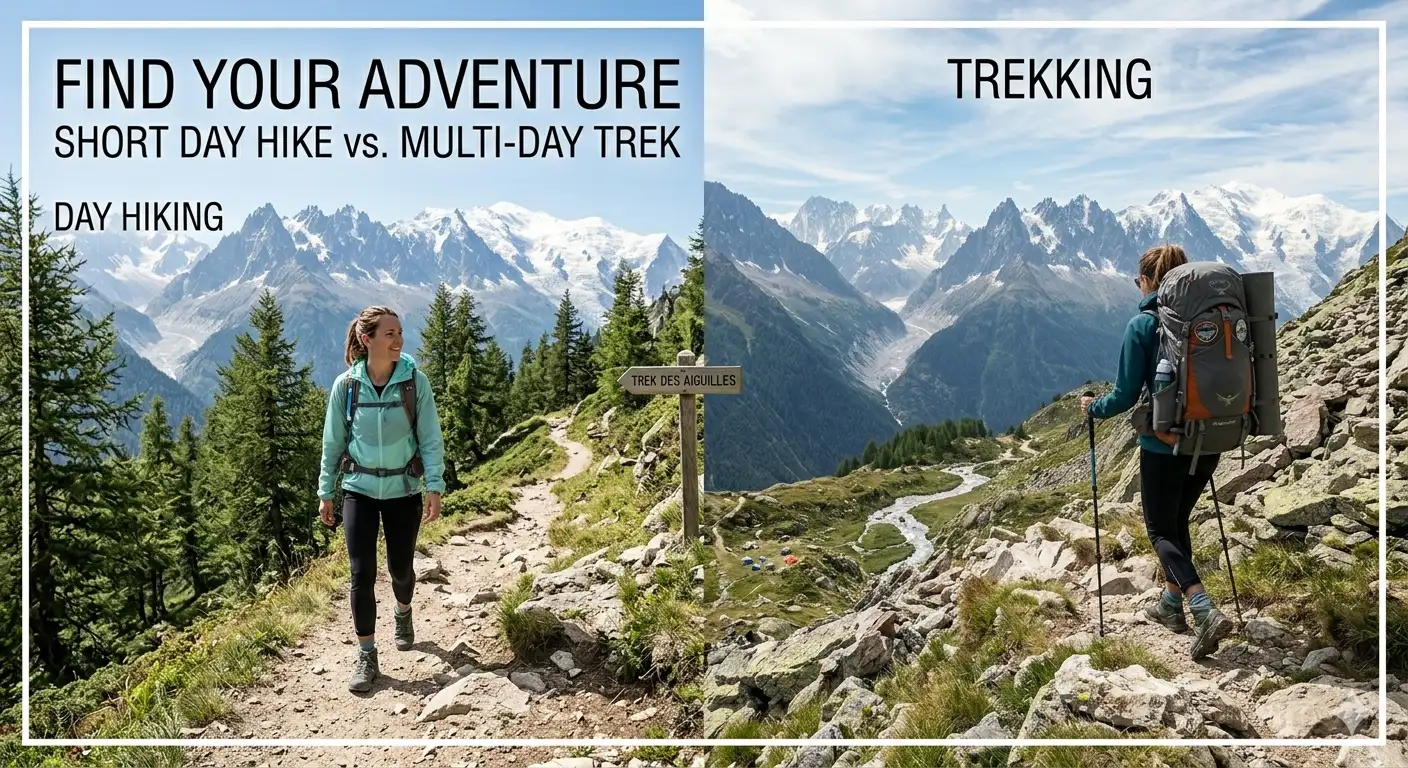
Hiking usually means a shorter walk on a marked trail, while trekking involves longer journeys over multiple days.
Knowing which one suits your goals can make your next adventure much more enjoyable.
What Is the Main Difference Between Trekking and Hiking?
Many beginners use these words interchangeably. However, they describe two different types of outdoor activities.
Hiking at a Glance
- Usually lasts a few hours to one full day.
- Takes place on well-marked, maintained trails.
- Requires basic fitness and minimal gear.
- Can be done spontaneously with little planning.
- Suitable for all ages and experience levels.
Trekking at a Glance
- Spans multiple days or even weeks.
- Often crosses remote or rugged terrain with few marked paths.
- Requires solid fitness, navigation skills, and more gear.
- Needs careful planning, permits, and logistics.
- Best for experienced outdoor enthusiasts.
For a deeper look at the basics, read our article:
What Is Hiking? A Complete Guide for Beginners.
When Should You Choose Trekking?
Trekking is the right choice in specific situations. Here are the clearest signs that trekking fits your plans better than hiking.
1. You Want a Multi-Day Wilderness Experience
If a single day outdoors feels too short, trekking gives you more. You sleep in the wilderness, wake up in nature, and cover serious ground.
This is perfect if you want to reach remote landscapes that day-hikers cannot access.
2. You Are Ready for a Physical Challenge
Trekking pushes your body further. Long daily distances, elevation changes, and carrying a heavy pack all add up.
If you have been training and want to test your endurance, a trek is a natural next step.
3. You Are Visiting Remote Mountain Regions
Some destinations, like the Himalayas, the Andes, or the Atlas Mountains, are simply too vast to explore on a day hike.
A multi-day trek is the only realistic way to experience these places fully.
4. You Want a Cultural Immersion Journey
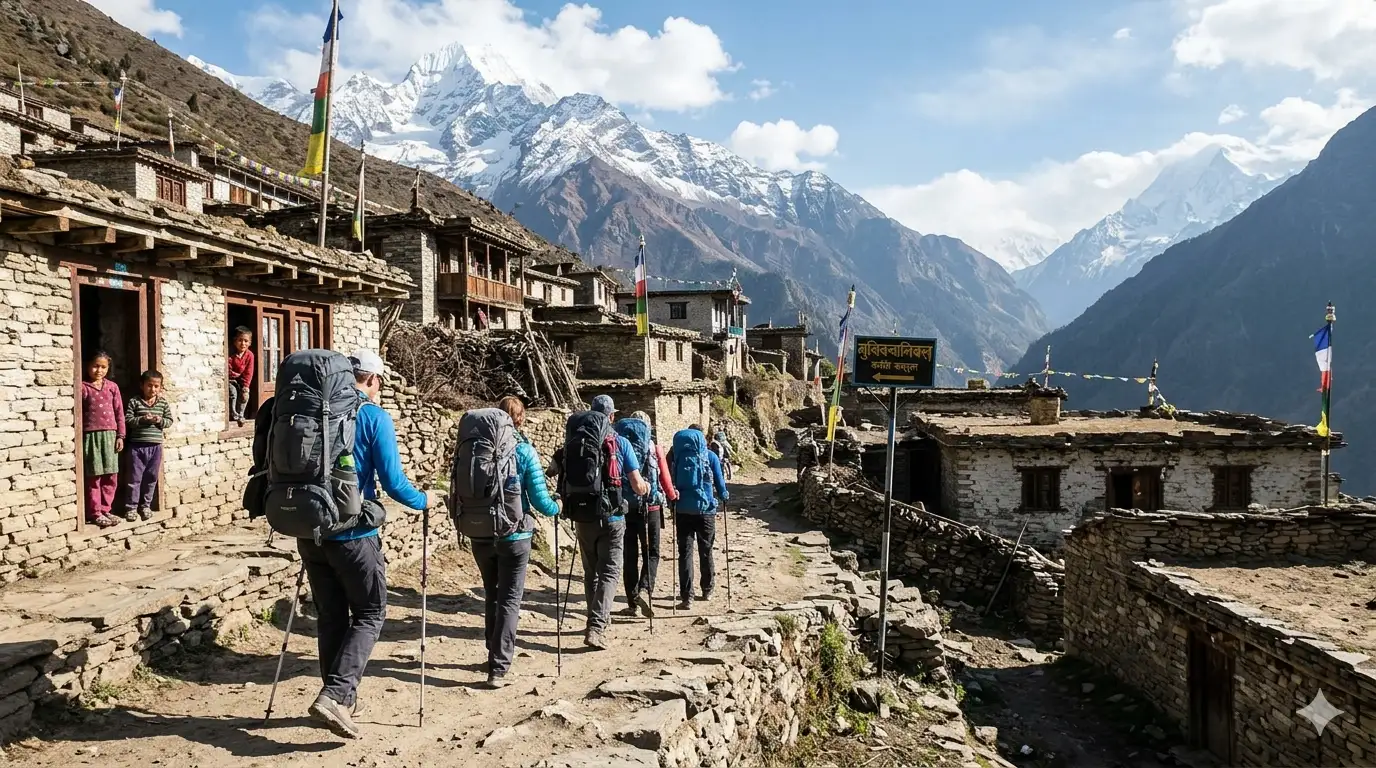
Many classic treks pass through remote villages and traditional communities.
If meeting local people and experiencing their way of life matters to you, trekking offers that in a way a short hike rarely does.
When Should You Stick to Hiking?
Hiking is often the smarter and safer choice in many situations. Here is when you should keep it simple.
- You are new to outdoor activities and still building fitness.
- You only have a weekend or a single free day.
- You are traveling with children or older adults.
- You prefer a light pack and easy return to your accommodation.
- You have not yet invested in overnight camping gear.
- You want a low-stress, low-risk outdoor experience.
Not sure where to start? Check out our beginner guide: 5 Easy Hiking Trails Perfect for Beginners.
Pros and Cons: Trekking vs Hiking
Trekking – Pros
- Accesses remote, untouched landscapes.
- Offers a deeper sense of achievement.
- Provides a richer cultural and natural experience.
- Builds serious physical fitness and mental resilience.
Trekking – Cons
- Requires more planning, permits, and budget.
- Higher physical demands and potential safety risks.
- Needs a full gear kit including sleeping bag, tent, and more.
- Less flexible hard to cut short if something goes wrong.
Hiking – Pros
- Easy to plan and start, even with no experience.
- Low cost with minimal gear needed.
- Flexible you can turn back any time.
- Safe for families and mixed fitness groups.
Hiking – Cons
- Limited access to remote or high-altitude areas.
- Less immersive if you are craving a real adventure.
- Trails can be crowded near popular destinations.
Key Gear Differences to Know Before You Choose
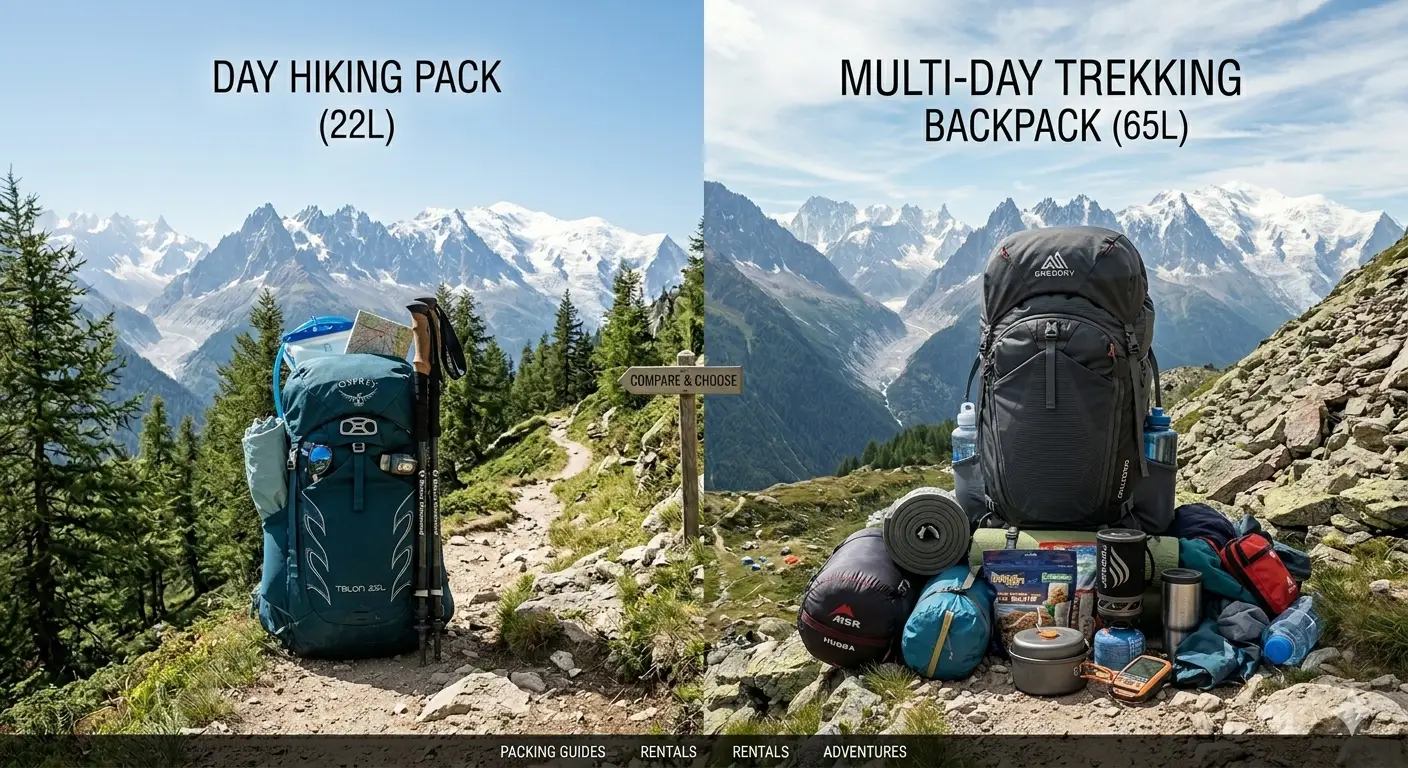
Your gear list changes significantly depending on which you choose. Here is a quick side-by-side overview.
Essential Hiking Gear
- Comfortable day pack (20–30 liters).
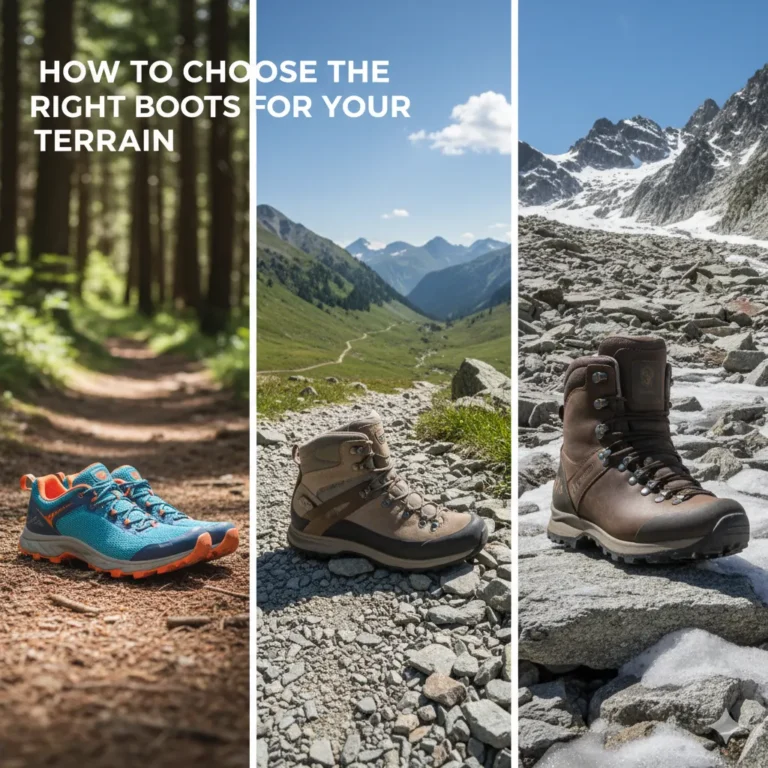
- Sturdy hiking shoes or trail runners.
- Water bottle and snacks.
- Basic first aid kit.
- Rain jacket and sun protection.
Essential Trekking Gear
- Large backpack (50–70 liters) for overnight loads.
- Waterproof trekking boots with ankle support.
- Tent, sleeping bag, and sleeping mat.
- Trekking poles for stability on rough terrain.
- Water purification tools and extra food supplies.
- Navigation tools such as a map, compass, or GPS device.
- Layered clothing for changing weather conditions.
Want a full packing checklist? Read: The Ultimate Hiking Gear Checklist for Beginners.
Quick Decision Guide: Trekking or Hiking?
Still unsure? Answer these simple questions to help you decide.
- How many days do you have? One day or less? Go hiking. Multiple days? Consider trekking.
- How fit are you right now? Beginner fitness? Start with hiking. Strong fitness base? Trekking may be ready for you.
- What is your budget? Low budget? Hiking is very affordable. More to invest? Trekking offers bigger rewards.
- Do you have the right gear? Only a day pack? Stick to hiking. Full overnight kit? You are ready to trek.
- Are you going alone or with others? Mixed group or family? Hiking is usually safer. Experienced group? Trekking becomes an option.
Conclusion
Both hiking and trekking are rewarding ways to connect with nature. The best choice depends on your time, fitness, goals, and gear.
If you are just starting out, hiking is a great and accessible way to build your confidence outdoors.
When you feel ready for more, trekking can open up some of the most spectacular landscapes on earth.
Start with what feels right for you today – and keep exploring from there.
Frequently Asked Questions
Is trekking harder than hiking?
Generally, yes. Trekking involves longer distances, heavier packs, and multiple days of walking.
Hiking can be done in a few hours with light gear. However, difficulty varies based on the specific trail or route you choose.
Can a beginner go trekking?
Beginners can try trekking on shorter, well-supported routes with guided groups.
It is a good idea to build your hiking experience first over several months. This helps your body adapt to the physical demands of multi-day travel.
Do I need a guide for trekking?
In remote or high-altitude areas, a local guide is strongly recommended. They know the terrain, weather patterns, and emergency procedures.
Some destinations even require you to hire a licensed guide by law.
What is the shortest type of trek I can do as a beginner?
A two-day or three-day trek on a well-marked route is a good starting point.
Look for routes with hut-to-hut accommodation so you do not need to carry a tent or heavy camping gear.


No comments yet. Be the first to share your thoughts.