
Guided Trek vs Self-Guided Trek: Which One Is Right for You?
A guided trek means a professional guide leads your trip. A self-guided trek means you plan and navigate on your own. Both styles have real benefits it all depends on your experience, budget, and comfort level.
What Is a Guided Trek?
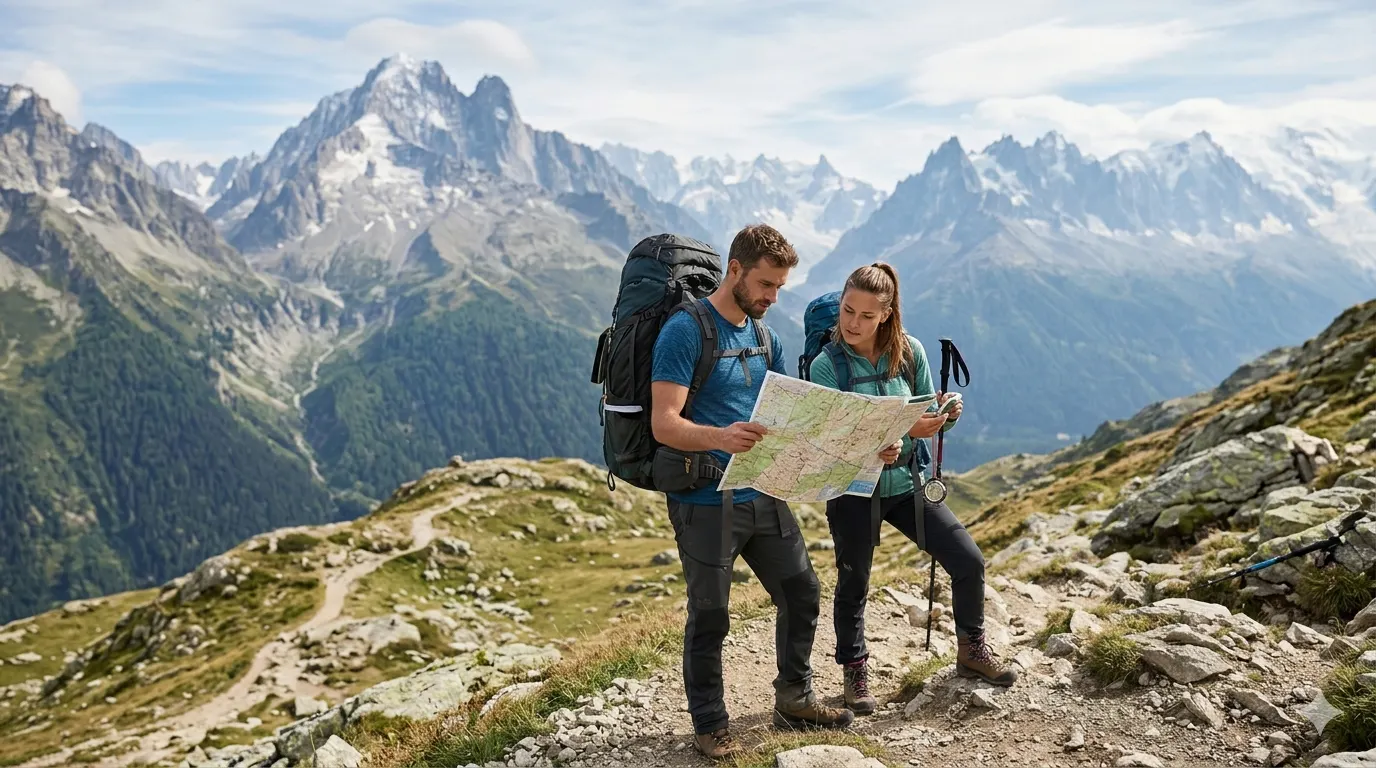
On a guided trek, a local or professional guide takes care of the route, logistics, and safety. You focus on walking and enjoying the scenery.
Guided treks are common on popular routes like the Inca Trail, Kilimanjaro, and the Everest Base Camp trail.
What Does a Guided Trek Usually Include?
- A certified guide who knows the trail
- Permits and paperwork handled for you
- Porters or mules to carry heavy gear (on some treks)
- Meals and accommodation arranged in advance
- Emergency support and first aid on the trail
What Is a Self-Guided Trek?
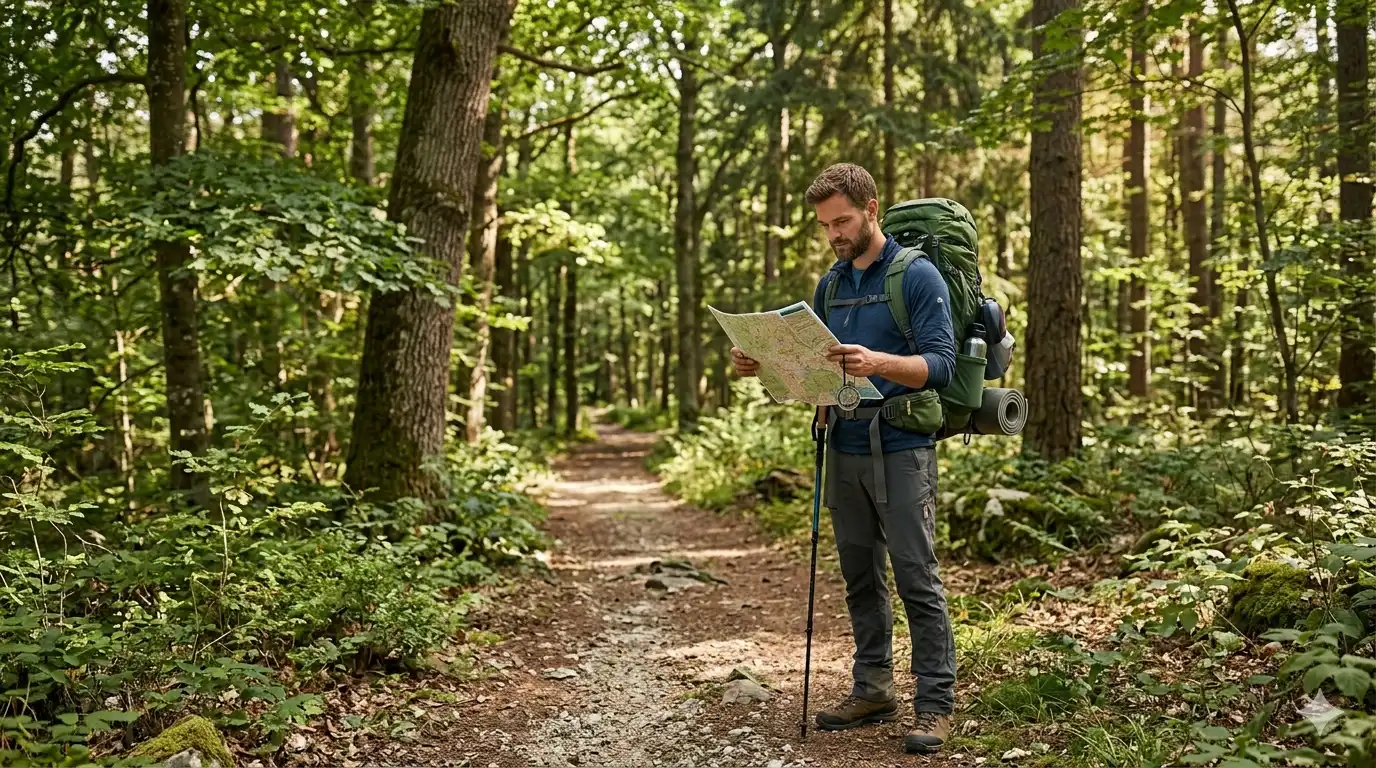
A self-guided trek means you plan the route yourself. You carry your own gear and make your own decisions each day.
Many well-marked trails are perfect for self-guided hiking. The Camino de Santiago and many national park trails are popular examples.
What You Handle on a Self-Guided Trek
- Route planning and navigation
- Booking accommodation or camping spots
- Carrying your food, water, and gear
- Getting permits independently
- Managing your own safety and emergencies
Guided Trek vs Self-Guided Trek: Pros and Cons
Guided Trek – Pros
- Safer for beginners or remote areas
- No planning stress everything is arranged
- You learn from a local expert
- Group treks give you social energy and company
- Required on some restricted trails (like Inca Trail)
Guided Trek – Cons
- Usually more expensive than going solo
- Less flexibility you follow a fixed schedule
- Group pace may feel too fast or too slow for you
- Less personal freedom on the trail
Self-Guided Trek – Pros
- More affordable you control the budget
- Full flexibility to go at your own pace
- A strong sense of personal achievement
- You can change plans whenever you want
Self-Guided Trek – Cons
- Requires good navigation skills
- More planning and research before you go
- Less support if something goes wrong
- Not suitable for very remote or technical routes
Which Option Costs More?
Guided treks generally cost more because you pay for the guide, logistics, and support staff. Prices vary widely by destination.
Self-guided treks are often cheaper but you still pay for gear, transport, permits, and accommodation. Budget carefully before you decide.
Rough Cost Comparison
- Guided trek (e.g., Nepal EBC): $1,000–$3,000+ depending on agency and duration
- Self-guided trek (e.g., Camino Francés): $700–$1,500 depending on accommodation style
- Day guided hike: $50–$150 per person on average
See our related guide: How to Budget for a Trekking Trip for a full breakdown.
Which Trek Style Suits You Best?
Your choice depends on a few key factors. Use this simple guide to help you decide.
Choose a Guided Trek If You:
- Are a first-time trekker or beginner hiker
- Are heading into a remote or high-altitude area
- Want to travel solo but feel safer in a group
- Don’t want to spend weeks planning logistics
- Are trekking in a country with a required guide rule
Choose a Self-Guided Trek If You:
- Have experience reading maps and navigating trails
- Want full control over your pace and schedule
- Are hiking a well-marked trail in a safe region
- Are comfortable handling your own gear and safety
- Want to save money and travel more independently
Safety: How Do the Two Compare?
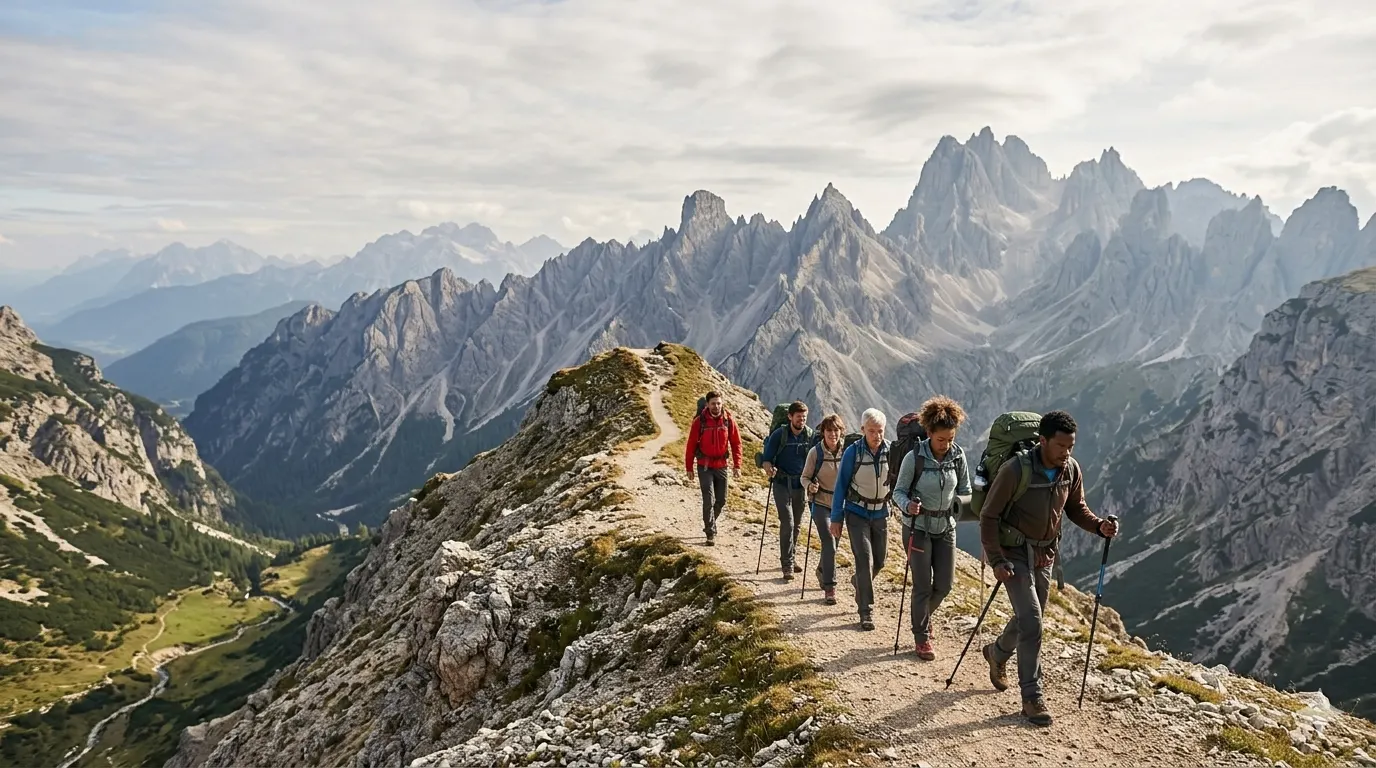
Safety is one of the biggest reasons people choose a guided trek. Guides carry first aid kits and know what to do in emergencies.
Self-guided trekkers can also stay safe but you need solid preparation. Learn basic wilderness first aid and always tell someone your route.
Safety Tips for Self-Guided Trekkers
- Download offline maps before you leave
- Carry a personal locator beacon (PLB) or satellite communicator
- Check the weather forecast each morning
- Share your itinerary with a contact back home
- Know the signs of altitude sickness if trekking high
Read more: Hiking Safety Tips for Beginners
Can You Do a Hybrid Option?
Yes some trekkers hire a guide for just part of a trip. You might book a guide for a difficult section and go solo on easier days.
Some agencies also offer “self-guided packages.” They book your accommodation and give you maps but no guide walks with you. This is a great middle-ground option.
Conclusion
Both guided and self-guided treks offer amazing experiences. The right choice depends on your skills, budget, and the trail you pick.
If you’re new to trekking, a guided trip can give you confidence and safety. If you’re experienced and love independence, going solo can be deeply rewarding.
Start planning your trek today and check our Best Beginner Trekking Routes to find the perfect trail for your first adventure.
Frequently Asked Questions
Is a guided trek safer than a self-guided trek?
A guided trek offers more on-the-spot support, especially in remote areas. But a well-prepared self-guided trekker can also stay safe on marked trails with proper gear and planning.
Can a beginner do a self-guided trek?
Yes on easy, well-marked trails. Start with short day hikes or beginner-friendly routes like the Camino de Santiago before attempting remote or high-altitude treks alone.
Do I need a guide by law on some treks?
Yes, some trails require a licensed guide. The Inca Trail in Peru and many restricted zones in Bhutan, for example, make guided treks mandatory. Always check local regulations before booking.
What gear do I need for a self-guided trek that I wouldn’t need with a guide?
For self-guided trekking, you’ll want a GPS device or offline map app, a first aid kit, a navigation compass, and possibly a personal locator beacon. Guided tours often provide some of this equipment for you.



No comments yet. Be the first to share your thoughts.