
Beginner vs Advanced Trekking: Which Is Right for You?
Choosing between beginner and advanced trekking can feel overwhelming when you are just starting out. The right choice depends on your fitness level, experience, and the gear you have. This guide helps you compare both options clearly so you can plan your next trek with confidence.
What Is Beginner Trekking?
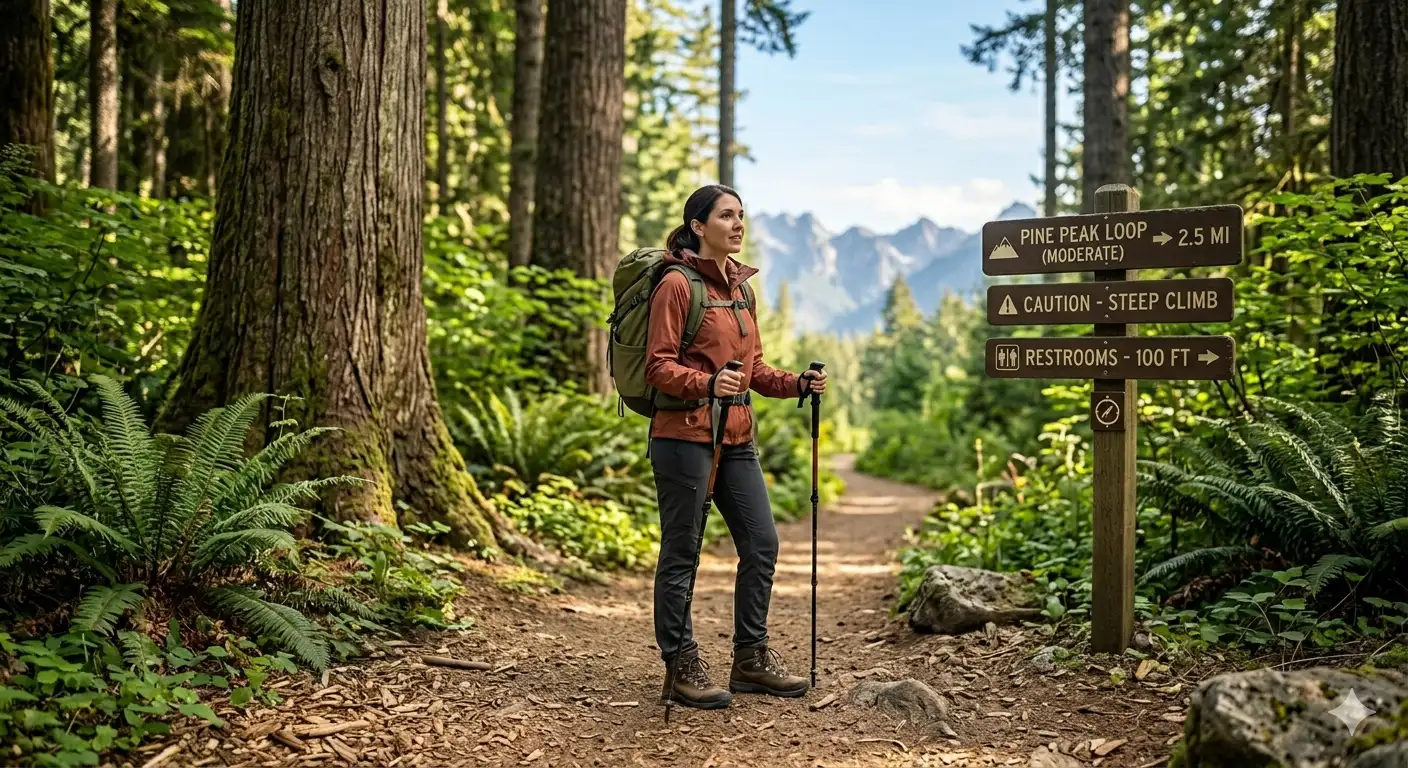
Beginner trekking involves short, well-marked trails with gentle elevation changes. These treks are designed for people with little or no hiking experience. Most beginner routes take between two and six hours to complete.
You do not need special training to start. A reasonable level of general fitness is enough. Trails are usually clear, well-signposted, and close to facilities like rest areas or villages.
Typical Features of Beginner Trails
- Distance: 5 to 15 kilometres per day
- Elevation gain: under 500 metres
- Trail surface: packed dirt, gravel, or paved paths
- Duration: one day or a short overnight trip
- Navigation: clear signs or easy-to-follow maps
Beginner trails are a great way to build your confidence outdoors. You get to enjoy nature without taking on too much too soon. Starting here helps you understand your body and your limits before moving on.
What Is Advanced Trekking?
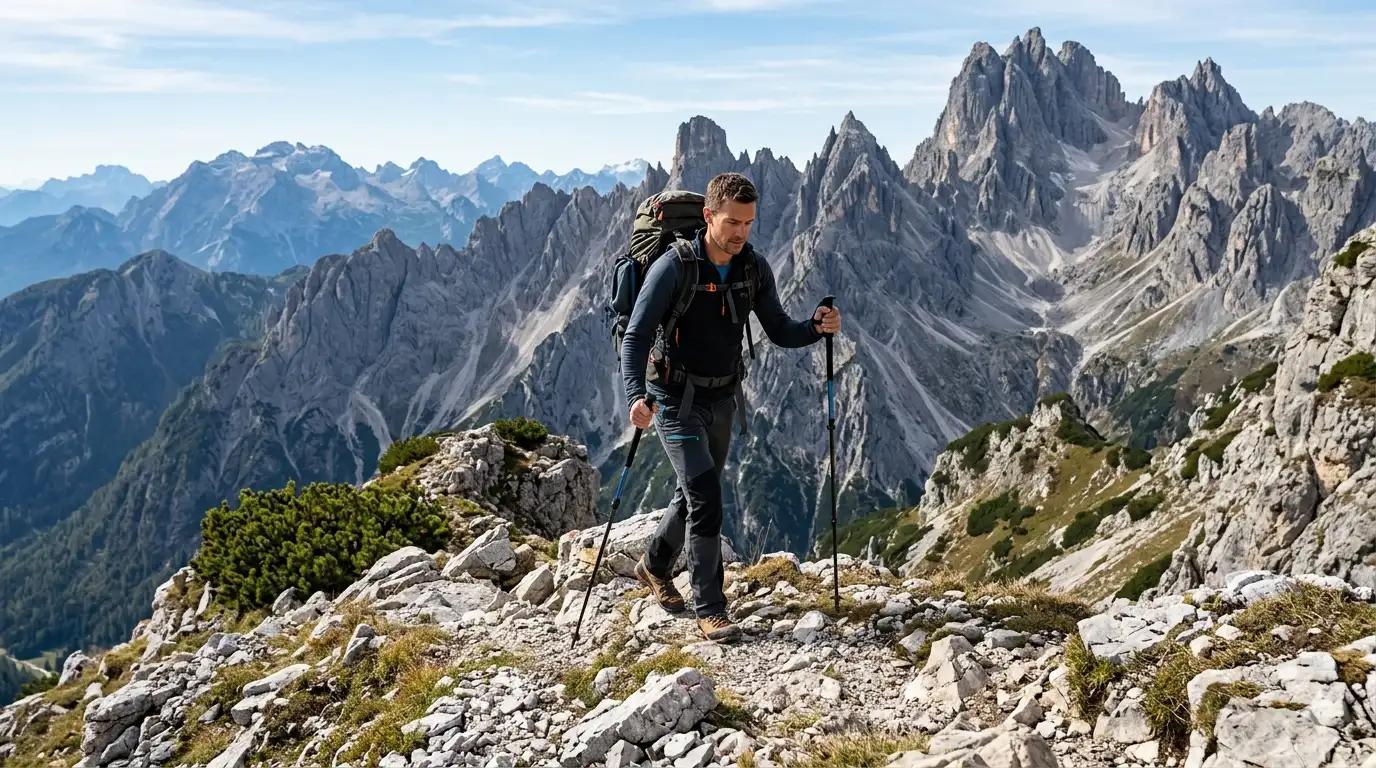
Advanced trekking involves longer routes, steep climbs, and challenging terrain. These treks often last several days and require careful planning. You need solid experience and the right gear before attempting them.
Weather conditions can change quickly on advanced routes. You may face exposed ridges, river crossings, or high altitudes. These factors require both physical fitness and mental preparedness.
Typical Features of Advanced Trails
- Distance: 15 to 25+ kilometres per day
- Elevation gain: 1000 metres or more per day
- Trail surface: rocky, loose scree, snow, or unmarked paths
- Duration: multi-day to multi-week expeditions
- Navigation: map reading, GPS, or guided expertise needed
Advanced trekking rewards you with remote landscapes and a deep sense of achievement. But it comes with real risks if you are unprepared. Taking time to build up your skills is always a smart approach.
Comparing Fitness Requirements
Your current hiking fitness level plays a big role in which type of trekking suits you. Beginner treks require basic cardiovascular fitness. You should be comfortable walking for two to three hours without stopping.
Advanced treks demand much more from your body. You need strong legs, good endurance, and the ability to carry a heavy pack for hours. Training regularly for several months before a major trek is a sensible step.
If you are unsure where you stand, start with a beginner trail and see how your body responds. That experience will tell you a lot about what to work on next.
Gear Differences Between Beginner and Advanced Trekking
Your trekking gear needs change significantly as routes get harder. For beginner trails, you need basic but reliable equipment. For advanced treks, specialised gear becomes important for safety and comfort.
Beginner Trekking Gear
- Comfortable, broken-in walking shoes or light hiking boots
- A small daypack (15 to 25 litres)
- Water bottle or hydration pack
- Basic first aid kit
- Weather-appropriate layers
Advanced Trekking Gear
- Sturdy, ankle-support hiking boots
- Large backpack (50 to 70 litres) with a frame
- Tent, sleeping bag rated for low temperatures
- Trekking poles for steep terrain
- Navigation tools: map, compass, or GPS device
- Emergency shelter and satellite communicator
You do not need to buy everything at once. Build your gear collection gradually as you take on more challenging routes. Renting equipment can also be a practical option early on.
Trail Difficulty and Safety Considerations
Trail difficulty covers much more than just distance or elevation. It also includes weather exposure, trail markings, rescue access, and time on the mountain. Beginner trails are usually safe for solo hikers with basic preparation.
Advanced routes carry higher risks. You should always tell someone your planned route and expected return time. Carrying emergency supplies is not optional on remote trails.
Weather planning matters on any trek. On beginner trails, a sudden rainstorm is inconvenient but manageable. On advanced routes, poor weather can become a genuine danger. Checking forecasts carefully and knowing when to turn back are essential skills.
If you are new to multi-day trekking, consider joining a guided group for your first advanced experience. Having an experienced guide reduces risk and helps you learn faster.
How to Progress From Beginner to Advanced Trekking
The path from trekking for beginners to advanced routes takes time and practice. There is no fixed timeline, and everyone progresses at their own pace. The key is to challenge yourself gradually without skipping important steps.
Start with day hikes in your local area. Then try a short overnight trek. Next, aim for a multi-day route with moderate elevation. Each experience builds the skills and confidence you need for harder terrain.
Keeping a simple hiking journal helps you track your progress. Note how your body felt, what gear worked well, and what you would change next time. This kind of reflection speeds up your development as a trekker.
You can also find more detailed guidance in our article on how to plan your first multi-day trek and our guide to essential hiking gear for beginners.

Conclusion
Both beginner and advanced trekking offer rewarding outdoor experiences. The best choice depends on where you are right now, not where you want to be eventually. Starting at the right level keeps trekking enjoyable and safe.
Take your first step on a beginner trail this weekend. See how it feels, learn from it, and build from there. Your next great trek starts with that first walk.
Ready to plan your route? Check out our beginner’s guide to choosing the right hiking trail to get started today.
Frequently Asked Questions
How do I know if I am ready for advanced trekking?
A good sign is that you have completed several multi-day beginner treks without major difficulty. You feel comfortable navigating with a map, managing your energy over long days, and carrying a loaded pack. If long ascents leave you exhausted or your gear skills feel shaky, spend more time on intermediate trails first.
What is the biggest mistake beginners make when choosing a trek?
The most common mistake is choosing a route that is too long or too steep for their current fitness level. This can lead to exhaustion, injury, or a negative experience that puts people off hiking altogether. Always be honest about your current abilities when selecting a trail.
Can I do advanced trekking without a guide?
Yes, but only if you have strong navigation skills, experience in similar terrain, and the right emergency equipment. For your first advanced trek, hiking with an experienced partner or a guided group is a much safer option. Solo advanced trekking requires a high level of preparation and self-sufficiency.
How long does it take to go from beginner to advanced trekking?
There is no fixed answer, as it depends on how often you hike and how actively you train. Many hikers feel ready for intermediate routes after six to twelve months of regular beginner hikes. Moving to advanced terrain often takes one to three years of consistent practice and gradual progression.


No comments yet. Be the first to share your thoughts.