
Trekking FAQ: 50 Common Questions Answered for Every Hiker
Whether you are planning your first trek or your fiftieth, questions always arise. This comprehensive trekking FAQ answers 50 common questions that hikers ask about gear, safety, preparation, and trail etiquette. You will find practical answers to help you trek with confidence.
Getting Started with Trekking
1. What is the difference between hiking and trekking?
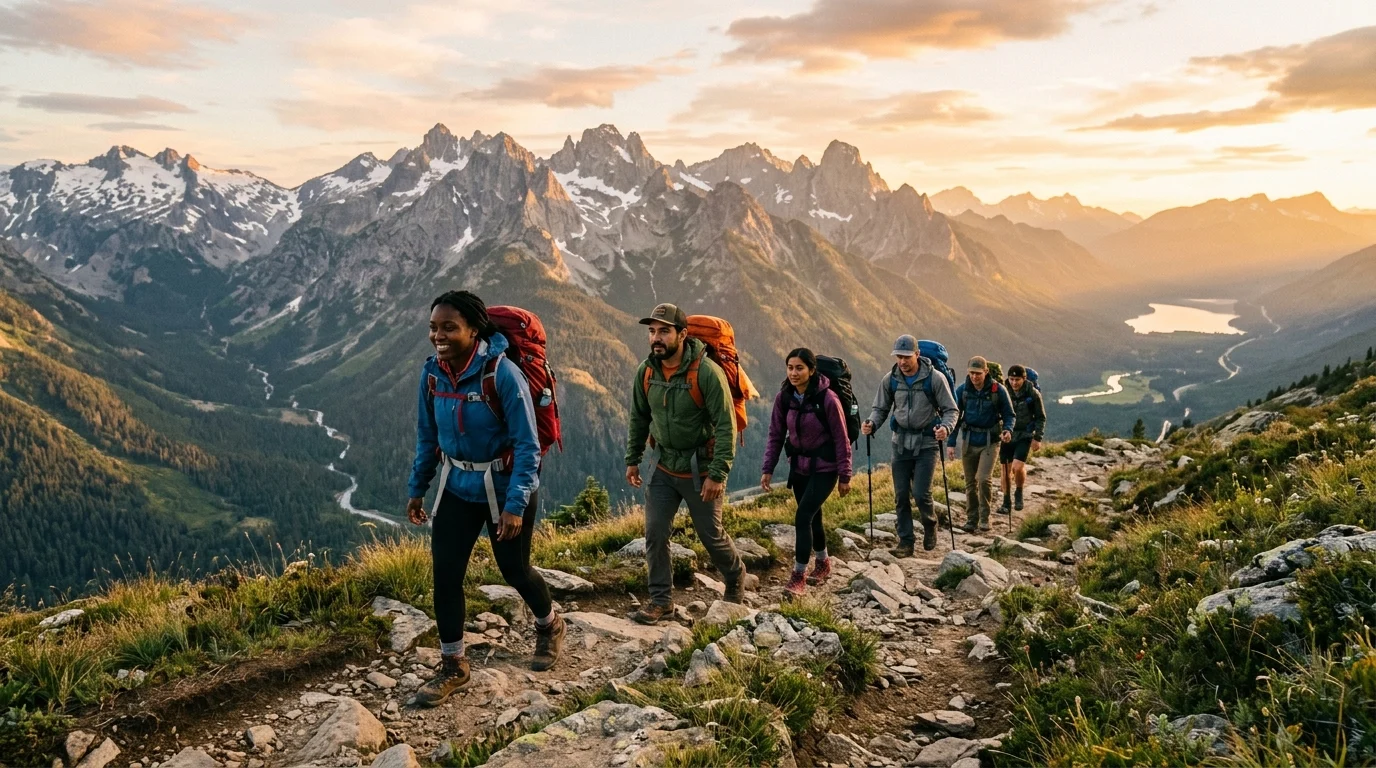
Hiking typically refers to day walks on established trails. Trekking involves multi-day journeys that often require camping and carrying overnight gear. Treks are usually longer and more challenging than hikes.
2. Do I need special training to start trekking?
You do not need formal training for easy treks. Start with short day hikes to build endurance. Gradually increase distance and elevation gain over several weeks. For challenging treks, aim for at least 3 to 4 months of preparation.
3. What fitness level do I need for trekking?
Your fitness needs depend on the trek difficulty. Easy treks require basic walking ability. Moderate treks need cardiovascular endurance for 4 to 6 hours daily. Difficult treks demand strong legs and core stability for steep terrain.
4. How do I choose my first trek?
Pick a trek rated as easy or moderate with good trail markers. Choose routes with established campsites and ranger stations. Research weather patterns and select a season with mild conditions. Join a guided group for your first multi-day trek.
5. What is the best age to start trekking?
Children as young as 5 can enjoy short family treks. Adults of any age can trek if physically healthy. Senior trekkers should consult doctors and choose gentler routes. Focus on your fitness level rather than age.
Essential Trekking Gear
6. What are the ten essentials for trekking?
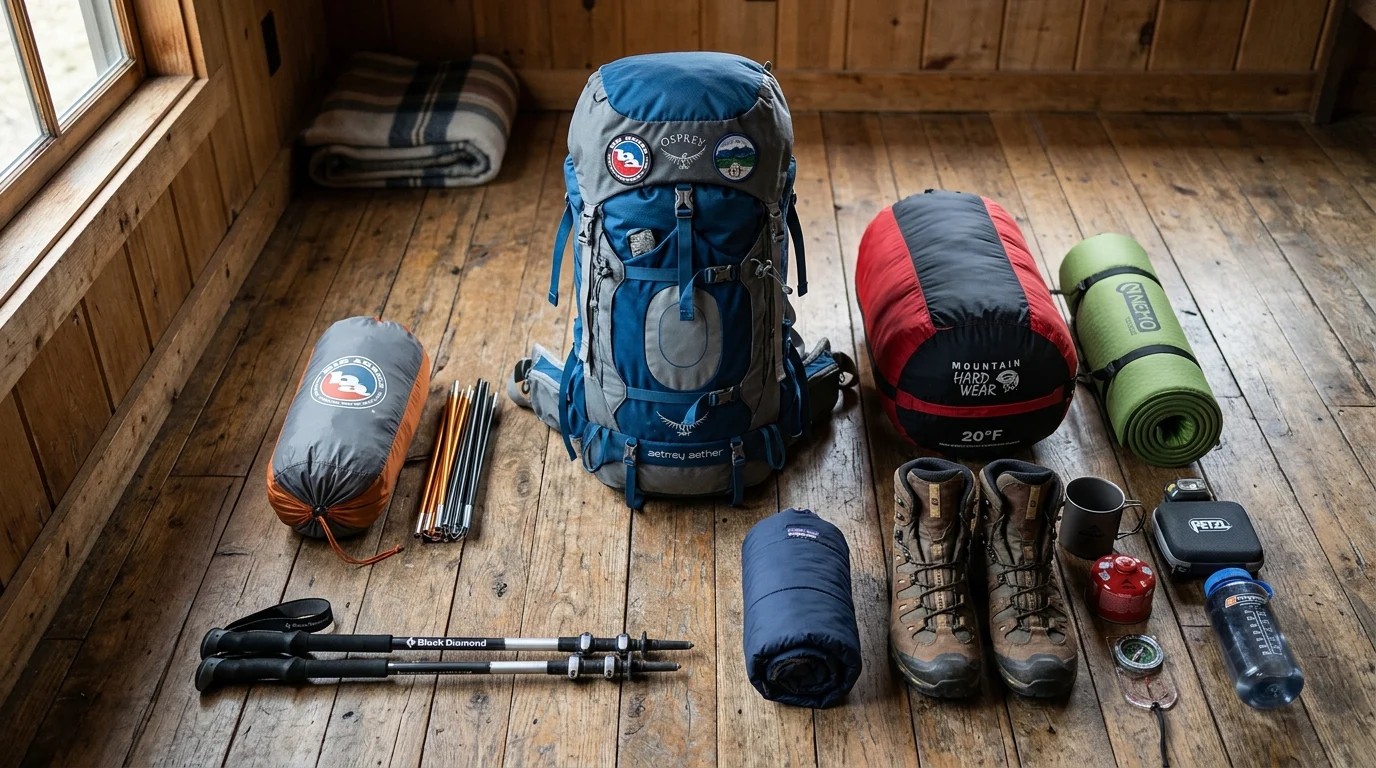
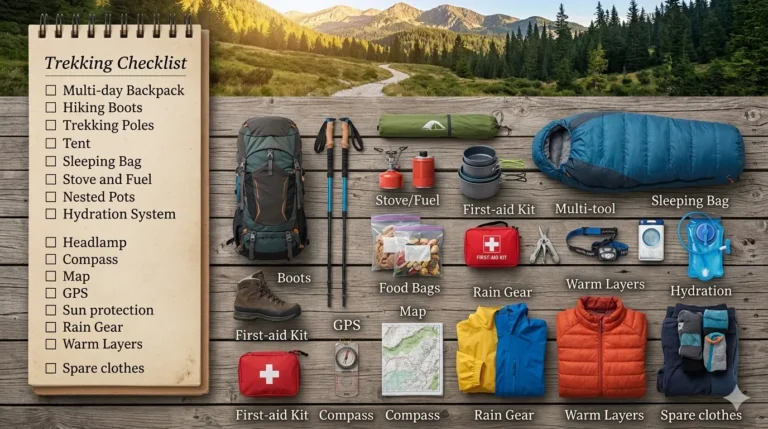
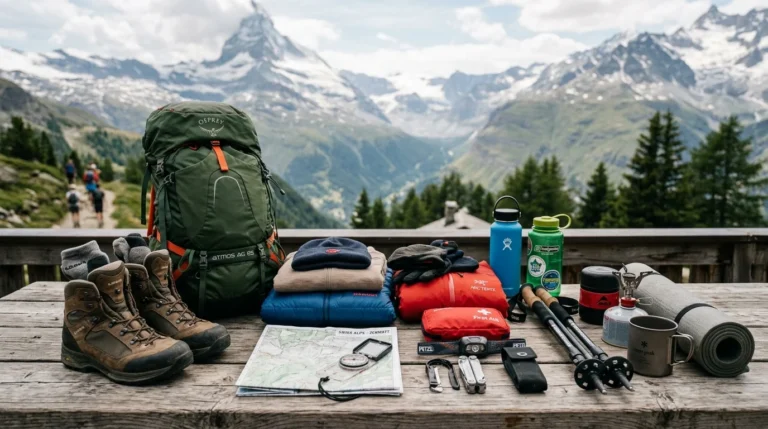
The ten essentials include navigation tools, sun protection, insulation layers, illumination, first aid supplies, fire starter, repair kit, nutrition, hydration, and emergency shelter. These items prepare you for unexpected situations on the trail.
7. How much should my trekking backpack weigh?
Your pack should weigh no more than 20 percent of your body weight. For a 150-pound person, aim for 30 pounds maximum. Lighter is better for comfort and injury prevention. Weigh your pack before each trek.
8. What type of boots do I need for trekking?
Choose boots based on terrain and duration. Lightweight trail shoes work for easy day hikes. Mid-cut boots provide ankle support for moderate treks. Full leather boots offer maximum support for challenging terrain with heavy packs.
9. Do I need trekking poles?
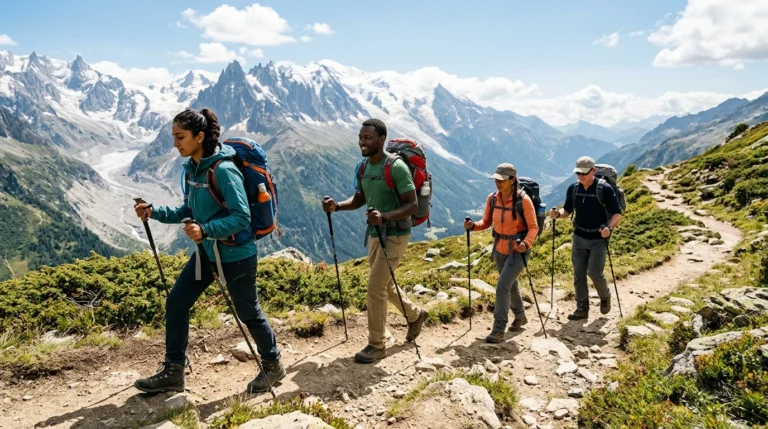
Trekking poles reduce knee strain by up to 25 percent on descents. They improve balance on uneven terrain and stream crossings. Poles help you maintain pace on long ascents. Many experienced trekkers consider them essential.
10. What should I wear for trekking?
Use a layering system with three components. Start with moisture-wicking base layers next to your skin. Add insulating mid-layers like fleece or down. Finish with a waterproof and breathable outer shell. Avoid cotton fabrics that stay wet.
11. How do I choose a sleeping bag for trekking?
Match your sleeping bag temperature rating to the coldest expected night. Down bags offer better warmth-to-weight ratios for dry conditions. Synthetic bags perform better in wet environments. Test your bag at home before your trek.
12. What type of tent is best for trekking?
Backpacking tents balance weight and weather protection. Two-person tents typically weigh 3 to 5 pounds. Look for freestanding designs with full rain flies. Ensure your tent has adequate ventilation to prevent condensation.
13. Do I need a water filter or purifier?
Yes, you need water treatment for most treks. Filters remove bacteria and protozoa from natural sources. Chemical treatments kill viruses but take longer to work. UV purifiers work quickly but require batteries. Carry backup treatment methods.
14. What is the best trekking backpack size?
Weekend treks need 40 to 50 liter packs. Week-long treks require 60 to 70 liters. Extended expeditions use 70+ liter packs. Get professionally fitted at an outdoor store. Your torso length matters more than your height.
15. How often should I replace my trekking gear?
Replace boots after 500 to 1000 miles of use. Change sleeping bags when they lose loft. Update backpacks when frames bend or fabric tears. Inspect all gear before each season. Retire equipment that shows safety concerns.
Planning and Preparation
16. How far in advance should I plan a trek?
Plan popular treks 6 to 12 months ahead for permits and reservations. International treks need 9 to 12 months for logistics. Research your route at least 3 months before departure. Book guided treks early to secure spots.
17. What permits do I need for trekking?
Requirements vary by location. Many national parks require wilderness permits. Some areas limit daily entries with advance reservations. International treks may need special trekking permits. Check regulations 6 months before your trip.
18. How do I prepare physically for a trek?
Start training 3 to 4 months before your trek. Walk or hike 3 to 5 times weekly. Gradually increase distance and elevation gain. Practice with your loaded pack on training hikes. Include strength training for legs and core muscles.
19. What vaccinations do I need for trekking?
Requirements depend on your destination. Common needs include tetanus, hepatitis A, and typhoid. High-altitude regions may require altitude sickness medication. Consult a travel medicine doctor 2 to 3 months before departure. Bring vaccination records.
20. How do I acclimate to high altitude?
Ascend gradually above 8000 feet elevation. Climb no more than 1000 to 1500 feet per day. Sleep at lower elevations than your daily high point. Take rest days every 3 to 4 days. Stay hydrated and avoid alcohol.
21. What should I eat before a trek?
Focus on complex carbohydrates for energy storage. Eat balanced meals with protein for muscle health. Stay hydrated in the days before departure. Avoid trying new foods that might upset your stomach. Pack familiar snacks for the trail.
22. How much food should I pack for trekking?
Plan for 1.5 to 2 pounds of food per person per day. Include 3000 to 4500 calories daily for active trekking. Pack lightweight high-calorie foods like nuts and dried fruit. Bring extra food for emergencies. Balance nutrition with pack weight.
23. What weather should I expect on treks?
Mountain weather changes rapidly even in summer. Expect temperature drops of 3 to 5 degrees per 1000 feet elevation gain. Afternoon thunderstorms are common in many ranges. Check forecasts but prepare for all conditions. Mornings usually offer the most stable weather.
24. Do I need travel insurance for trekking?
Yes, especially for international or remote treks. Look for policies covering helicopter rescue and medical evacuation. Standard health insurance often excludes adventure activities. Read policy details about altitude limits and excluded activities. Keep policy information accessible during your trek.
25. Should I trek solo or with a group?
Your experience level matters most for this decision. Beginners benefit from guided groups with experienced leaders. Solo trekking requires strong navigation and survival skills. Groups provide safety but move at the slowest member’s pace. Consider your comfort level and the route difficulty.
On the Trail
26. How early should I start hiking each day?
Begin hiking by 7 to 8 AM for best conditions. Early starts avoid afternoon thunderstorms in mountains. You gain more daylight hours for longer distances. Morning temperatures are cooler for strenuous climbs. Camp setup works better with afternoon light.
27. How do I navigate on trekking trails?
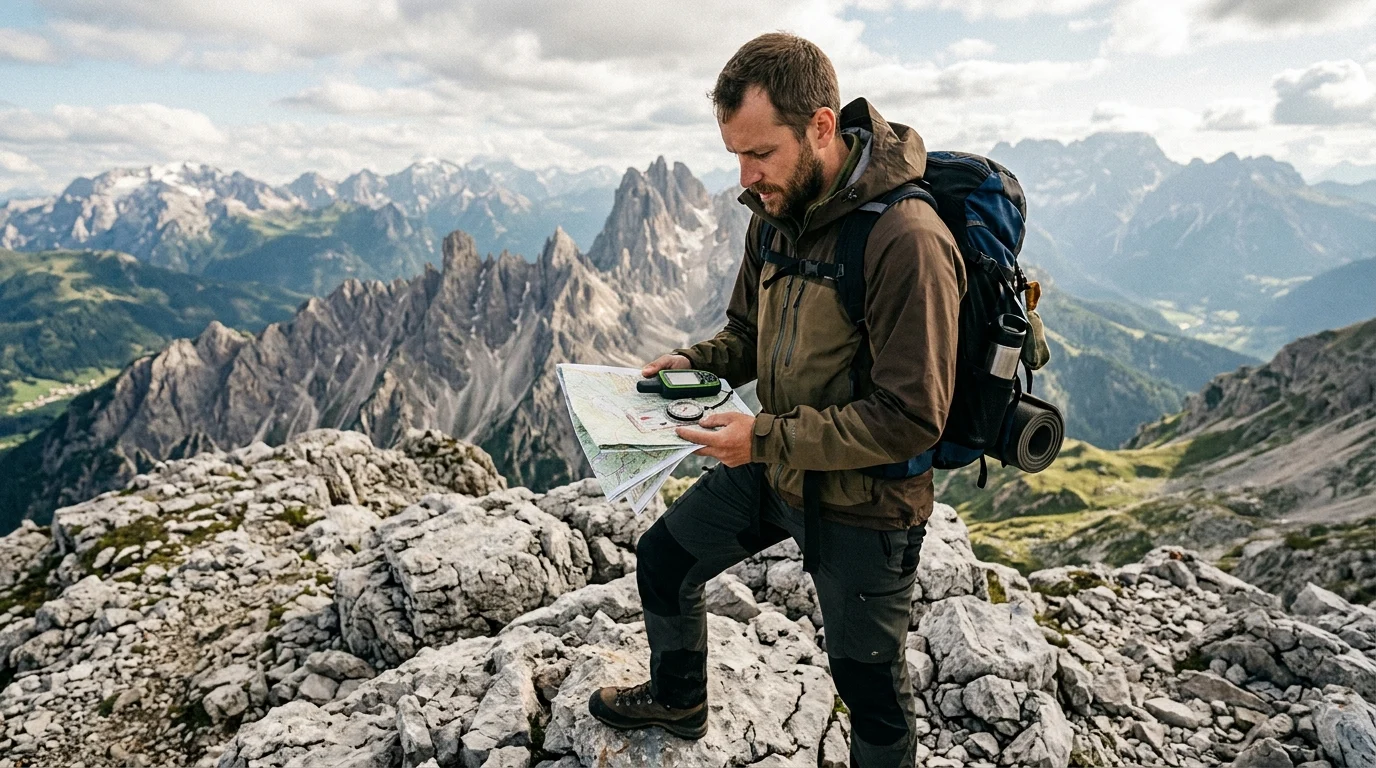
Learn to read topographic maps before your trek. Carry a compass and know how to use it. Download offline GPS maps to your phone. Follow trail markers and cairns carefully. Take regular bearings to confirm your location.
28. What is the right pace for trekking?
Walk at a pace where you can hold a conversation. Your breathing should be steady but not gasping. Take short breaks every hour to rest muscles. Slow down on steep climbs to maintain energy. Consistent pacing prevents exhaustion.
29. How often should I take breaks while trekking?
Rest for 5 to 10 minutes every hour of hiking. Take longer lunch breaks of 30 to 45 minutes. Stop immediately if you feel pain or dizziness. Use breaks to drink water and eat snacks. Adjust break frequency based on terrain difficulty.
30. How much water should I drink while trekking?
Drink about half a liter per hour of moderate activity. Increase intake at high altitude or hot weather. Monitor urine color for hydration levels. Pale yellow indicates good hydration. Drink before you feel thirsty.
31. What do I do if I get lost on a trek?
Stop moving as soon as you realize you are lost. Review your map and last known position. Look for landmarks or trail markers. If uncertain, retrace your steps to the last confirmed location. Stay calm and conserve energy. Use your whistle to signal if others are nearby.
32. How do I deal with blisters while trekking?
Prevent blisters by wearing properly fitted boots. Apply tape or moleskin to hot spots immediately. If a blister forms, clean the area and cover with specialized blister bandages. Drain large blisters with a sterilized needle if necessary. Change to dry socks regularly.
33. What wildlife should I watch for while trekking?
Research animals common to your trekking area. Bears require special food storage and awareness. Snakes are most active in warm weather. Insects like ticks carry diseases in some regions. Keep safe distances from all wildlife. Never feed animals.
34. How do I cross streams safely while trekking?
Cross streams in the morning when water levels are lowest. Unbuckle your pack waist belt for quick release. Use trekking poles for stability in current. Face upstream and move sideways. Choose wide shallow sections over narrow deep ones.
35. What is Leave No Trace while trekking?
Leave No Trace includes seven principles for minimal impact. Plan ahead and prepare properly. Travel on durable surfaces only. Dispose of waste properly including human waste. Leave natural and cultural items untouched. Minimize campfire impacts. Respect wildlife. Be considerate of other visitors.
Camping and Overnight Considerations
36. Where should I set up camp while trekking?
Camp at least 200 feet from water sources. Choose established campsites when available. Look for level ground protected from wind. Avoid camping in valleys where cold air settles. Check for overhead hazards like dead branches. Follow local regulations about camping zones.
37. How do I store food while camping on a trek?
Use bear canisters in areas where required by regulation. Hang food in bear bags at least 12 feet high and 6 feet from tree trunks. Store food 100 yards from your sleeping area. Never keep food in your tent. Include toiletries and scented items in food storage.
38. How do I go to the bathroom while trekking?
Dig catholes 6 to 8 inches deep and 200 feet from water. Pack out toilet paper in sealed bags or burn it completely. Some areas require packing out all human waste. Use natural features for privacy. Wash hands thoroughly after using the bathroom.
39. What do I do if it rains while trekking?
Put on rain gear before you get wet. Cover your pack with a rain cover or liner. Seek shelter if lightning threatens. Set up camp early if heavy rain is forecast. Keep sleeping bag and spare clothes dry in waterproof stuff sacks. Wait out severe storms safely.
40. How cold does it get at night while trekking?
Temperatures drop significantly with altitude gain. Expect freezing nights above 10000 feet even in summer. Valley bottoms can be 20 to 30 degrees colder than day temperatures. Check historical weather data for your route. Always pack for colder than forecast conditions.
Safety and Emergencies
41. What are signs of altitude sickness?
Symptoms include headache, nausea, dizziness, and fatigue. Difficulty sleeping and loss of appetite are common. Severe cases cause confusion and difficulty walking. Descend immediately if symptoms worsen. Prevention through gradual ascent is most effective. Learn more about altitude safety.
42. How do I treat minor injuries while trekking?
Clean wounds thoroughly with clean water. Apply antibiotic ointment and bandages. Immobilize sprains with wraps or splints. Use pain relievers for headaches and muscle aches. Monitor injuries for signs of infection. Know when injuries require evacuation.
43. What do I do in a medical emergency while trekking?
Assess the situation and ensure scene safety. Provide first aid within your training level. Send someone for help if in a group. Use emergency communication devices to call for rescue. Keep the patient warm and comfortable. Document symptoms and treatment provided.
44. Should I carry a satellite communicator while trekking?
Satellite devices provide safety in areas without cell service. They allow emergency messaging and GPS tracking. Many trekkers consider them essential for remote areas. Devices range from basic SOS beacons to two-way messengers. Test your device before departing. Share your device information with emergency contacts.
45. How do I signal for help if needed?
Three of anything signals distress universally. Blow your whistle three times repeatedly. Flash your light three times if visible. Create ground signals visible from aircraft. Stay in one location once you signal. Conserve energy while waiting for rescue.
Etiquette and Culture
46. What is proper trail etiquette while trekking?
Hikers going uphill have right of way on narrow trails. Step aside for faster hikers to pass. Keep noise levels low to preserve wilderness experience. Stay on marked trails to prevent erosion. Pack out all trash including micro-trash. Respect wildlife and other visitors.
47. Can I bring my dog on treks?
Regulations vary by location and many wilderness areas prohibit dogs. Dogs must be leashed and under control where allowed. Bring waste bags and pack out dog waste. Ensure your dog has adequate fitness for the trek. Protect paws on rough terrain. Consider wildlife interactions carefully.
48. How do I respect local cultures while trekking?
Research cultural norms before international treks. Dress modestly in conservative regions. Ask permission before photographing people. Support local economies by hiring local guides. Learn basic phrases in the local language. Follow local customs at villages and sacred sites.
49. Is it okay to play music while trekking?
Most trekkers prefer natural sounds in wilderness areas. Use headphones if you want music while hiking. Never play music at campsites or in shared spaces. Respect the quiet atmosphere others seek in nature. Sound carries far in open areas.
50. How do I choose an ethical trekking company?
Look for companies with sustainable practices and fair wages. Check if they hire local guides and porters. Read reviews about environmental practices. Verify they follow Leave No Trace principles. Ask about porter weight limits and working conditions. Choose companies that give back to local communities. Read our guide to sustainable trekking.
Conclusion
These 50 answers cover the most common trekking questions from preparation to trail etiquette. Remember that every trek is unique and conditions change constantly. Continue learning through experience and from fellow trekkers. Start with easier routes and build your skills gradually. The more you know, the safer and more enjoyable your treks become.
Ready to plan your next adventure? Explore our trail guides to find your perfect trek and start preparing today.
Frequently Asked Questions
How long does it take to prepare for a major trek?
Most people need 3 to 4 months of physical preparation for challenging treks. This timeline allows gradual fitness building without injury risk. Add extra months if you are starting from low fitness levels. Mental preparation and gear acquisition also require time. International treks need 6 to 12 months for complete planning including permits and logistics.
What is the most important piece of trekking gear?
Proper footwear ranks as the most critical gear item. Your boots or shoes affect comfort, safety, and performance on every step. Ill-fitting footwear causes blisters, falls, and knee problems. Invest in quality boots and break them in thoroughly before your trek. Professional fitting ensures you get the right boots for your feet and intended use.
Can beginners do multi-day treks?
Yes, beginners can absolutely enjoy multi-day treks with proper preparation. Start with shorter 2 to 3 day beginner-friendly routes with moderate elevation gain. Join guided groups for expert support and safety. Build fitness gradually over several months before your first overnight trek. Choose established trails with good facilities and clear markers. Success on easier treks builds confidence for more challenging adventures.
What is the best season for trekking?
The ideal season depends entirely on your chosen location and elevation. Most mountain regions offer best trekking from late spring through early fall. Summer provides the most stable weather and open high-altitude passes. Shoulder seasons have fewer crowds but more variable conditions. Research seasonal patterns for your specific destination. Some lower-elevation treks work well in winter months.

No comments yet. Be the first to share your thoughts.