
First Day Hike Tips: A Complete Beginner’s Guide
Your first day hike is one of those experiences you’ll remember for years. The smell of pine trees, the crunch of gravel underfoot, the moment you reach a viewpoint and realize I did that. But getting there takes more than enthusiasm. Having the right first day hike tips in your back pocket can mean the difference between a rewarding adventure and a miserable trudge back to the car. This guide covers everything: preparation, pacing, hydration, trail etiquette, and what to do when things get tough.

Preparing for Your First Day Hike: The Night Before
Most first-time hikers focus all their energy on the trail itself and forget that preparation the evening before is just as important. A calm, organized start in the morning depends on what you do the night before. Check the weather forecast one final time conditions can shift overnight and lay out all your clothing and gear so nothing gets left behind in a morning rush. Pack your backpack completely, including snacks and filled water bottles, and charge your phone and any GPS devices.
One detail many beginners overlook: set your alarm early enough to eat a proper breakfast and still arrive at the trailhead with time to spare. Getting 7–8 hours of sleep isn’t just good advice it genuinely affects your energy, focus, and enjoyment on the trail the next day.
First Hike Morning Preparation & Checklist
How you spend the morning of your hike sets the tone for everything that follows. Give yourself more time than you think you need rushing leads to forgotten gear and unnecessary stress before you’ve even reached the trailhead.
Best Breakfast for Your First Hike
Eat a substantial meal 1–2 hours before you start hiking. Focus on complex carbohydrates and protein oatmeal with nuts, eggs on whole-grain toast, or a hearty smoothie with peanut butter all work well. Avoid greasy or heavy foods that sit uneasily in your stomach on the move. Drink at least 500ml of water with breakfast to start your hydration early, since most beginners arrive at the trailhead already slightly dehydrated.
Last-Minute Checks Before Your First Day Hike
Before you leave home, run through your ten essentials navigation, sun protection, insulation, illumination, first aid supplies, fire-starting tools, a repair kit, nutrition, hydration, and an emergency shelter. Verify your trail directions and parking details, and this one matters tell a friend or family member exactly where you’re going and when you expect to return. Apply sunscreen before you leave; it’s easy to forget once you’re caught up in the excitement of arriving at the trailhead.
Arriving at the Trailhead for Your First Hike
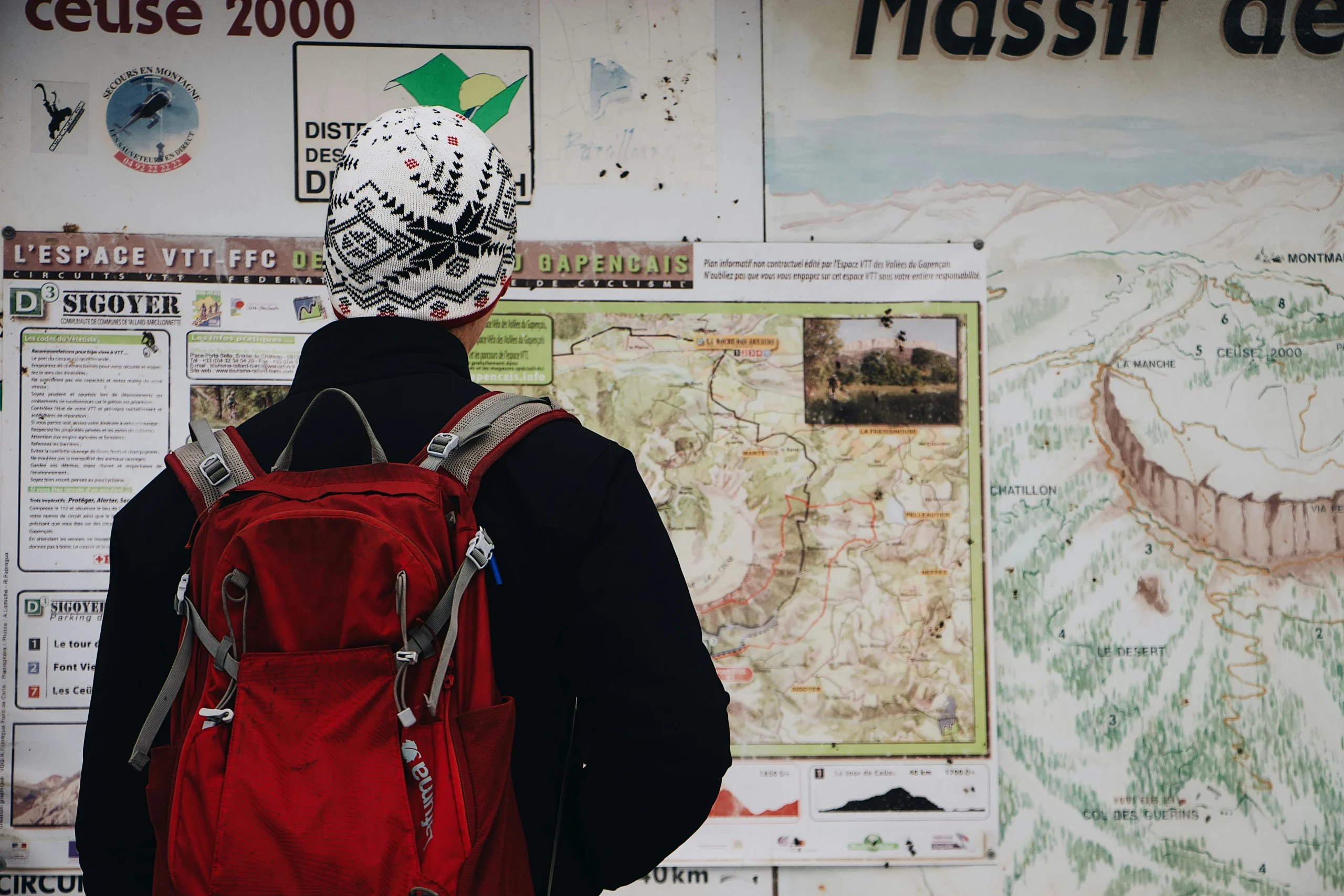
Arriving a few minutes early gives you time to orient yourself without feeling rushed. Park only in designated areas, use restroom facilities if they’re available, and spend a minute or two studying the trail map at the information board. A quick photo of that map on your phone costs nothing and can save you real confusion later on.
Before you start walking, adjust your pack straps so the weight sits on your hips rather than your shoulders, and do a final gear check. These few minutes of preparation are among the most valuable first day hike tips you’ll ever receive they prevent the most common beginner mistakes before the hike even begins.
How to Start Your First Day Hike: Pacing & Warm-Up
The first 10–15 minutes of any hike are deceptively important. Your muscles are cold, your breathing isn’t in a rhythm yet, and your pack hasn’t settled into its natural position. Start slower than feels necessary. Walk at a pace where you can hold a full conversation without gasping. You can always pick up the pace later if you’re feeling strong but burning out in the first 30 minutes turns a great day into a difficult one.
First Hike Warm-Up Tips
Begin with a slow, deliberate pace to warm your muscles and let your breathing find its natural rhythm. Note a few landmarks near the trailhead a distinctive tree, a bend in the path, a trail sign so you can recognize the area on your return. Adjust your pack if something feels off in those first few minutes rather than tolerating discomfort for miles. Take a few deep breaths and allow yourself to transition mentally from everyday life to trail mode.
Finding the Right Pace on Your First Hike
The most common beginner mistake is starting too fast. The “conversation test” is your best guide: if you can’t speak in full sentences, slow down. Don’t try to match the pace of more experienced hikers on the trail their fitness and trail legs have been built over dozens of hikes. Your pace is entirely personal, and hiking slowly and steadily will get you just as far, just as safely, as any other approach.
During Your First Day Hike: Hydration & Comfort Tips
What you do during the hike has the biggest impact on how you feel at the end of it. Proactive hydration and nutrition keep your energy stable, your mood positive, and your muscles working properly.
Stay Hydrated and Energized on Your First Hike
Drink water every 15–20 minutes, even when you don’t feel thirsty thirst is a late signal of dehydration, and by the time you notice it, you’re already behind. Take small, regular sips rather than large gulps. Eat a light snack every 45–60 minutes to maintain your energy levels; trail mix, energy bars, and bananas are all reliable choices. Keep snacks accessible in outer pockets so you don’t have to unpack your bag every time you need fuel.
Rest and Break Tips for Beginner Hikers
Rest stops are not a sign of weakness they’re part of smart hiking. Aim to pause briefly every 30–45 minutes, and take a longer break at a scenic viewpoint when you reach one. Remove your pack during longer stops to give your shoulders and hips a break, and do gentle leg stretches if you’re feeling tightness. Use your breaks to check your map, confirm your position, and assess how you’re feeling before continuing.
Staying on Track During Your First Day Hike
Follow trail markers and blazes carefully, and stay on marked trails at all times. If you lose the trail, the right move is to backtrack to the last marker you saw not to bushwhack forward hoping things will sort themselves out. At every junction, check your map and take a photo of signage with your phone so you have a visual record of your route choices.
Learn more about navigating trails safely in our hiking safety tips guide.
Managing Discomfort on Your First Hike
Address problems early, before they become serious. A hot spot on your heel is a blister waiting to happen stop and apply moleskin or a bandage the moment you notice it. Adjust your pack straps if your shoulders or hips are aching. Add or remove clothing layers as your body temperature changes with the terrain. If your breathing becomes uncomfortably labored, slow down. The one rule: don’t push through sharp or sudden pain. That’s your body sending a clear message, and it’s worth listening to.

Trail Etiquette Tips for Beginner Hikers
Good trail manners make the outdoors better for everyone. The basic rules are simple: yield to hikers going uphill (they have the right of way and breaking momentum on a climb is harder), step aside to let faster hikers pass, and keep noise at a level that respects the natural environment others came to enjoy. Pack out everything you brought in including fruit peels and other organic waste, which decompose slowly and attract wildlife. Leave rocks, plants, and natural objects exactly as you found them, and give any wildlife you encounter plenty of space. These courtesies take almost no effort and make a real difference.
Reaching Your First Hike Destination: Celebrate Safely
The turnaround point or summit of your first hike deserves a proper celebration you earned it. Take photos, eat a snack, drink water, and sit with the sense of accomplishment for a few minutes. But keep an eye on the time: the return journey typically takes just as long as the way out, and many beginners underestimate this. Give yourself a realistic buffer before you need to be back at the trailhead, and resist the temptation to linger so long that you end up rushing on the way back.
Returning from Your First Hike: Safety Tips
The return trip deserves as much attention as the outbound journey. Fatigue accumulates over the course of a hike, and tired hikers make more mistakes rolled ankles, missed trail markers, and poor footing all become more likely when you’re worn out. Stay focused and maintain your earlier habits: drink water, eat snacks, and check your map at junctions.
Downhill Hiking Techniques for Beginners
Going downhill is harder on your body than going up. Slow your pace significantly, keep your knees slightly bent rather than locked, and take shorter steps for better control. Plant your whole foot with each step rather than your heel only, and use trekking poles if you brought them they reduce the load on your knees considerably. For more detailed techniques, read our guide on preventing knee pain while hiking.
Staying Alert on the Trail During Your First Hike
Keep watching trail markers on the way back trails look different in reverse, and it’s surprisingly easy to miss a junction you passed easily on the way out. Continue eating and drinking at the same intervals as earlier in the day. Take breaks if you feel very tired rather than pushing through; the trailhead will appear eventually, and arriving exhausted but safe is always the right outcome.
Common Challenges for First-Time Hikers
Almost every beginner faces a few predictable challenges on their first hike. Knowing about them in advance takes away much of their power to derail your day.
Feeling Overwhelmed
It’s completely normal to feel uncertain or slightly anxious on a first hike, especially if the trail is busier or more rugged than expected. The most useful thing you can do is break the hike into small segments and focus only on the next landmark or rest stop. Take breaks when you need them. Remember that turning back is always a valid option it’s not failure, it’s good judgment. Your confidence will grow naturally with each hike you complete.
Going Slower Than Expected
Most beginners significantly underestimate how long a hike will take. Average hiking pace for a beginner on flat terrain is around 2–2.5 km per hour far slower than walking pace and that drops further on elevation gain. This is completely normal and absolutely fine. Hiking is not a race. Slow and steady completes the hike safely, and that’s the only metric that matters on your first outing.
Getting Tired
Fatigue on a first hike is normal, full stop. Your body isn’t yet adapted to the demands of trail walking, and even a short hike uses muscles you don’t typically engage in daily life. If you feel genuinely tired, slow your pace rather than stopping completely movement keeps blood flowing and helps muscles recover as you go. Eat and drink at your next break, and recognize that the soreness you feel is a sign your body is adapting and getting stronger.
When to Turn Back on Your First Day Hike
One of the most important first day hike tips experienced hikers share is this: knowing when to turn around is a skill, not a concession. Weather conditions that worsen significantly, running noticeably behind your planned timeline, a group member who feels unwell, unexpected trail conditions, or simply realizing you’re not as prepared as you thought all of these are valid, reasonable reasons to head back. The trail will be there for another attempt. Safety and good judgment always come first.
Post-Hike Care After Your First Day Hike
What you do in the hours after your hike affects how quickly you recover and how you feel the next day. Don’t skip this part.
Immediate After-Hike Recovery
Change out of sweaty clothing as soon as possible, and rehydrate steadily in the first hour after finishing. Eat a proper meal within an hour of completing the hike to help your muscles begin the recovery process. If you hiked in wooded areas, check yourself carefully for ticks. When you get home, clean and dry all your gear so it’s ready for your next adventure.
Recovery Tips for Beginner Hikers
Gentle stretching within a few hours of hiking reduces the muscle soreness that typically peaks 24–48 hours after your first hike. Elevating your legs for 10–15 minutes helps reduce swelling in the feet and ankles. A warm shower or bath eases muscle tension. Get a full night’s sleep this is when the real recovery happens and do light walking the next day rather than resting completely, which actually slows recovery.
Reflecting on Your First Hike Experience
The best hikers are reflective hikers. After your first outing, take a few minutes to honestly assess what went well and what you’d change. Did you overpack or underpack? How did your footwear perform any hot spots or blisters? Was the trail difficulty appropriate for your current fitness level? What would you do differently? These questions, answered honestly, will make your next hike meaningfully better. Many experienced hikers keep a simple journal for exactly this purpose tracking trails, conditions, gear choices, and lessons learned over time.
Planning Your Next Hike: Tips for Beginners
If your first hike went well, you’re probably already thinking about the next one. That momentum is worth building on. Choose a trail of similar difficulty to build confidence before pushing into longer distances or more elevation gain. Explore different trail types forest, coastal, mountain and consider joining a local hiking group, where you’ll learn faster from experienced hikers in a low-pressure environment. Setting small, realistic goals for the next few months keeps the progress sustainable and the experience enjoyable.
Continue your hiking journey with our comprehensive guide to hiking for beginners.
Building Confidence as a New Hiker
Every hiker on every trail started exactly where you are now uncertain, a little underprepared, and figuring things out as they went. Confidence isn’t something you bring to the trailhead; it’s something you build on it, one hike at a time. Celebrate completing your first hike genuinely, without minimizing it. Don’t compare your pace or fitness to experienced hikers you encounter they have months or years of trail time behind them. Each hike makes the next one easier, more natural, and more enjoyable. That’s the only timeline that matters.
First Day Hike Tips: Final Takeaways
Your first day hike is the starting point of a journey that can take you anywhere from local forest trails to mountain ridgelines to national parks you’ve always dreamed of visiting. Apply these first day hike tips: start early, pace yourself conservatively, stay hydrated, manage discomfort early, and don’t hesitate to turn back if conditions demand it. Most importantly, focus on the experience itself rather than any particular distance or speed target. A short hike completed safely and joyfully is worth far more than a long hike endured miserably. Get out there the trail is waiting.
Frequently Asked Questions About First Day Hike Tips
What time should I start my first day hike?
Starting between 7–9 AM is ideal for most day hikes. Early starts give you plenty of daylight, help you avoid afternoon heat, and ensure you finish well before dark. For your first hike, err on the side of starting earlier rather than later you’ll thank yourself if the trail takes longer than expected.
Is it better to hike alone or with someone for my first time?
Hiking with a friend or group is strongly recommended for a first hike. You’ll have support if something goes wrong and someone to share the experience with. If you hike alone, choose a busy, well-marked trail, tell someone your full plans and return time, and bring a fully charged phone.
What should I do if I feel like I can’t finish the hike?
Turn around and head back without hesitation or guilt. There is no shame in not finishing, especially on a first hike. You can return another day with more experience and better preparation. Listening to your body and making safe decisions is always the right call.
How sore will I be after my first hike?
Expect noticeable muscle soreness in your legs and possibly your hips and lower back, peaking 24–48 hours after your hike. This is completely normal and decreases with each subsequent hike as your body adapts. Gentle stretching, hydration, and light movement the following day all help speed recovery.


No comments yet. Be the first to share your thoughts.