
How Long Should a Hike Be for Beginners? Distance & Time Guide
Most beginner hikes should be 1–3 miles and take 1–2 hours. But the right distance depends on your fitness level, the trail’s elevation, and the conditions on the day. This guide breaks it all down with real numbers so you can plan your first hike with confidence.

How Long Does It Take to Hike Common Distances? (Quick Reference)
This is the number one question beginners ask and the answer depends on pace and elevation. Here’s a simple reference table based on a comfortable beginner pace of 2 mph on flat terrain:
| Distance | Flat Trail (no elevation) | With Moderate Elevation (500–1,000 ft) | Difficulty for Beginners |
|---|---|---|---|
| 1 mile | 30–40 min | 45–60 min | Easy great first hike |
| 2 miles | 1–1.5 hours | 1.5–2 hours | Easy ideal starting point |
| 3 miles | 1.5–2 hours | 2–2.5 hours | Moderate after a few hikes |
| 5 miles | 2.5–3 hours | 3–4 hours | Challenging build up to it |
| 10 miles | 5–6 hours | 6–8 hours | Advanced not for true beginners |
Note: Add 20–30 minutes for breaks, photos, and snacks on any hike over 2 miles.
Recommended Starting Distance for Beginner Hikers
Your first few hikes should feel easier than you think you can handle. Starting short builds confidence and prevents the kind of negative first experience that puts people off hiking for life.
Your First Hike
- Distance: 1–2 miles total (round trip)
- Time: 45 minutes to 1.5 hours
- Elevation gain: Under 200 feet
- Terrain: Well-maintained, clearly marked trails
- Trail type: Out-and-back so you can turn around anytime
After Your First Few Hikes
- Distance: 2–3 miles total
- Time: 1.5–2.5 hours
- Elevation gain: 200–500 feet
- Terrain: Gentle hills and varied surfaces
- Trail type: Loop trails or longer out-and-back routes
These numbers work for people who can walk comfortably for 30 minutes on flat ground. Adjust based on your starting fitness and be honest with yourself.
How Far Can Beginners Hike? Know Your Limits Before You Go
There’s no single answer it depends on your current fitness level. Here’s a realistic breakdown:
By Fitness Level
Low fitness or sedentary lifestyle: Start with 1-mile hikes on flat terrain. This may feel like very little, but your legs and feet are not used to uneven surfaces even a mile on trail feels different from a mile on pavement. Build slowly over several weeks before increasing distance.
Moderate fitness (you walk occasionally or do light exercise): Begin with 1.5–2 mile hikes with minimal elevation. You can increase distance by half a mile every 1–2 weeks if you recover well.
Good fitness (active lifestyle, gym, cycling, swimming): You can start with 2–3 mile hikes with gentle elevation and progress faster. However, cardiovascular fitness doesn’t automatically mean your feet and joints are ready still build gradually for the first few outings.
For guidance on picking the right trail for your level, read our guide on how to choose your first hiking trail.
How Long Is the Average Hike?
The average recreational hike in the United States is around 5–6 miles and takes 3–4 hours, according to data from popular trail platforms. But this average includes experienced hikers for a true beginner, the realistic average is closer to 2–3 miles and 1.5–2.5 hours.
What counts as a long hike? Most hikers consider anything over 8–10 miles in a single day to be a long hike. For beginners, anything over 4–5 miles is a significant challenge and should only be attempted after building up over several weeks.
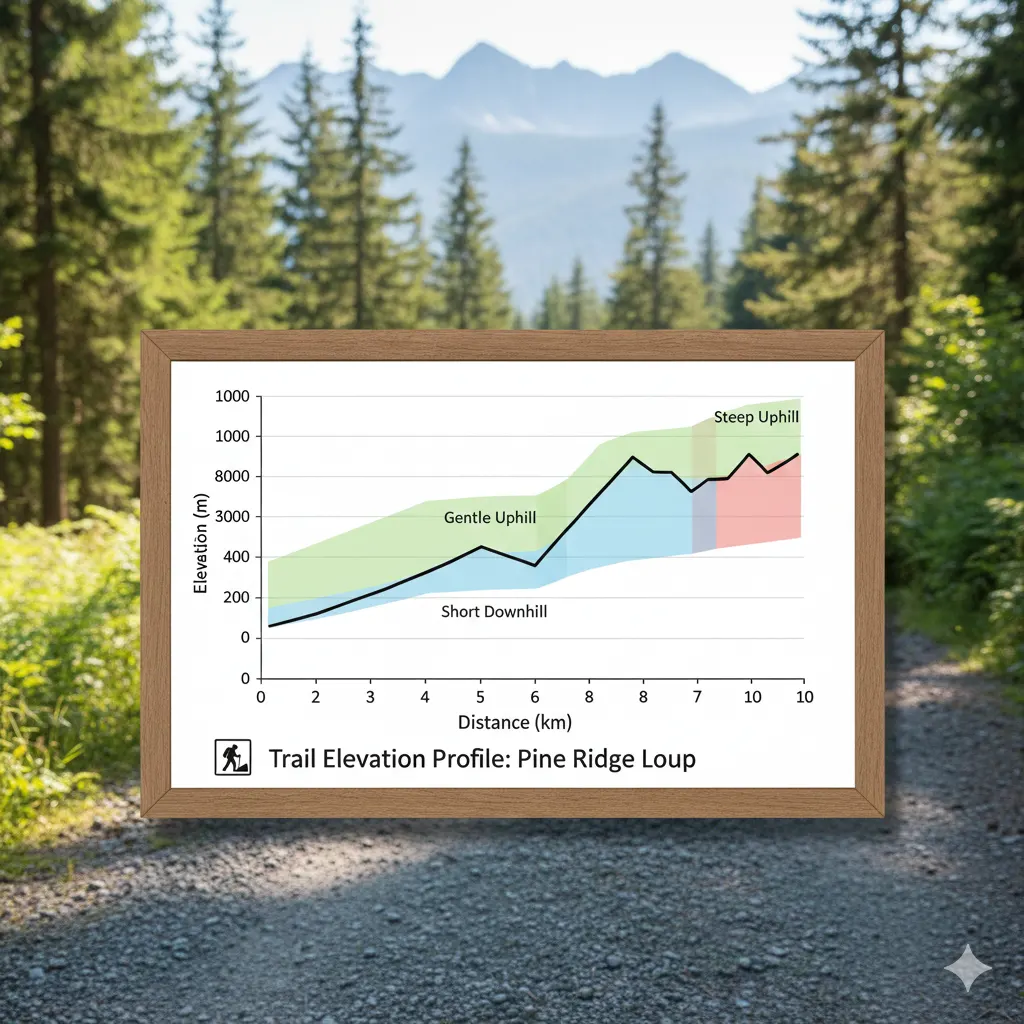
Factors That Affect How Long a Hike Takes
Distance alone doesn’t tell the whole story. Two hikes of the same length can feel completely different depending on these variables.
Terrain and Trail Conditions
- Smooth, flat trails: Fastest pace close to your normal walking speed
- Rocky or rooty paths: Slower and more careful expect 20–30% more time
- Muddy conditions: Can significantly reduce your speed and tire you out faster
- Snow or ice: Can easily double your hiking time not recommended for beginners
Elevation Gain
- Flat trails: Average 2–3 miles per hour
- Moderate hills: 1.5–2 miles per hour
- Steep climbs: 1 mile per hour or slower
- Add 30 minutes for every 1,000 feet of elevation gain (this is Naismith’s Rule the standard formula used by hikers worldwide)
Personal Factors
- Your current fitness and any previous hiking experience
- How often you stop for breaks, photos, and snacks
- Pack weight every extra pound slows you down
- Group size the pace always matches the slowest person
- Energy levels, hydration, and how well you slept
How to Calculate How Long a Hike Will Take
Use this simple formula it’s based on Naismith’s Rule, the most widely used hiking time calculator among experienced hikers and mountain rescue teams:
The Formula
- Flat terrain: allow 30 minutes per mile
- Add 30 minutes for every 1,000 feet of elevation gain
- Add 10–15 minutes per hour for breaks
- Add time for lunch on hikes over 3 hours
Worked Examples
Easy 2-mile trail, 200 feet elevation gain:
- Distance: 2 miles × 30 minutes = 60 minutes
- Elevation: minimal add 10 minutes
- Breaks: add 15 minutes
- Total estimate: 85 minutes (about 1.5 hours)
Moderate 3-mile trail, 800 feet elevation gain:
- Distance: 3 miles × 30 minutes = 90 minutes
- Elevation: add 25 minutes
- Breaks: add 20 minutes
- Total estimate: 135 minutes (about 2.25 hours)
These are estimates. Your actual time will vary and that’s completely fine. The goal is to finish with energy left over, not to hit a target time.
Signs You’re Hiking Too Far (Listen to Your Body)
Recognising when you’ve pushed too hard helps you make better choices next time. These are the warning signs:
- Excessive fatigue that lasts more than a day after the hike
- Muscle soreness that stops you doing normal daily activities
- Joint pain particularly in knees, ankles, or hips beyond typical muscle soreness
- Blisters that are painful enough to affect your walking
- Complete exhaustion before reaching the halfway point
- Feeling genuinely reluctant to go hiking again
- Needing to rest every 10–15 minutes just to keep going
If you experience any of these, choose a shorter hike next time. There’s no shame in starting smaller even seasoned hikers scale back when they need to.

Building Up Distance Gradually: An 8-Week Plan
Progressive increases in distance and difficulty are the safest way to build lasting hiking fitness. Patience here pays off significantly in the long run and prevents the injuries that stop so many beginners in their tracks.
Week-by-Week Progression
- Weeks 1–2: Three hikes of 1–1.5 miles each flat terrain only
- Weeks 3–4: Three hikes of 1.5–2 miles each introduce gentle hills
- Weeks 5–6: Two hikes of 2–3 miles each increase elevation gradually
- Weeks 7–8: One longer hike of 3–4 miles, plus one shorter 2-mile recovery hike
Key Progression Rules
- Increase total weekly distance by no more than 10–20% each week
- Add elevation gain only after you’re comfortable with longer distances
- Take at least one rest day between hikes in your first month
- Stay at your current level for an extra week if you’re struggling
- Never increase both distance and elevation in the same week
Time of Day and Weather: How They Affect How Far You Should Hike
Morning Hikes
- Cooler temperatures make hiking significantly more comfortable
- More daylight hours to work with
- Wildlife is more active early better for nature viewing
- Best option for longer beginner hikes
Afternoon Hikes
- Can be very hot in summer particularly in the US Southwest
- Less daylight remaining when you start
- Stick to shorter distances to ensure you finish before dark
- Good for a quick 1–2 mile after-work hike
Hot Weather
- Reduce your target distance by 25–30%
- Bring at least twice the water you think you need
- Start before 8am if possible
- Take shade breaks even when you don’t feel like you need them
Cold, Rainy, or Icy Conditions
- Allow extra time wet trails are slower and more tiring
- Icy or snow-covered terrain can double or triple your hiking time
- Consider postponing and choosing a shorter, safer route
- Always turn back if conditions worsen unexpectedly
For a full overview of staying safe in different conditions, see our hiking safety tips guide.
Hiking with Children or Groups: Plan for the Slowest Member
With Young Children
- Ages 3–5: 0.5–1 mile maximum and bring entertainment
- Ages 6–8: 1–2 miles works well with frequent stops
- Ages 9–12: 2–3 miles is a reasonable target
- Always double your time estimate when hiking with kids
- Pack extra snacks hunger kills morale faster than anything else
With Groups of Mixed Ability
- The whole group moves at the slowest hiker’s pace plan around this
- More people means more breaks, more questions, and more time at viewpoints
- Choose well-marked trails so no one gets separated
- Set distance expectations clearly before you leave the trailhead
Common Beginner Mistakes About Hike Length
New hikers tend to make the same distance-related errors. Avoiding these keeps your early experiences positive:
- Choosing a hike that’s too ambitious for a first outing
- Not accounting for elevation gain when estimating time
- Underestimating how much time breaks and photo stops add up
- Comparing your pace to experienced hikers or trail descriptions aimed at faster walkers
- Pushing through pain or exhaustion instead of turning back
- Not bringing enough water or food for longer hikes
- Starting a hike too late in the afternoon
For a full breakdown of what to avoid, read our article on common mistakes beginners make on the trail.
When Are You Ready to Hike Further?
Look for these positive signals before increasing your distance:
- You finish your current hikes feeling energised, not drained
- Your body recovers fully within 24 hours
- You’re genuinely eager to get out again before the week is out
- Your current distances feel too easy rather than just comfortable
- No persistent aches, blisters, or joint pain between hikes
- Your hiking pace has improved naturally without extra effort
When you can tick most of these boxes consistently, it’s time to add another half mile.
Conclusion
For most beginners, the ideal hike is 1–2 miles to start, building up to 3–4 miles over your first month or two. Focus on enjoying the trail rather than covering maximum distance you’ll progress naturally when your body is ready.
Use the quick reference table above to estimate how long any hike will take, pick trails that match your current fitness level, and trust the process. Every experienced hiker on the trail started exactly where you are right now.
Ready to find your first trail? Use AllTrails to discover beginner-friendly hikes near you you can filter by distance, difficulty, and elevation gain to find the perfect starting point.
Frequently Asked Questions
How long should a hike be for beginners?
Beginners should aim for 1–3 miles to start, on flat or gently rolling terrain. This typically takes 1–2 hours including short breaks. Starting shorter than you think you need to builds confidence and prevents the soreness and burnout that come from overdoing it early. After a few successful hikes, you can gradually add distance.
How far can beginners hike in a day?
A comfortable one-day limit for most beginners is 3–5 miles, depending on fitness level and trail difficulty. If you’re new to hiking and haven’t been very active recently, keep your first few outings under 2 miles. More active beginners with a fitness background can often handle 4–5 miles on an easy trail, but should still build up gradually.
How long does a 2-mile hike take for a beginner?
A 2-mile hike on flat terrain typically takes a beginner 1–1.5 hours, including a short break. If the trail has 200–400 feet of elevation gain, add another 15–20 minutes. This is one of the most popular beginner distances manageable enough for a first outing, but long enough to feel like a real hike.
How long does it take to hike 3 miles?
On flat or gently rolling terrain, most beginners will complete a 3-mile hike in about 1.5–2 hours. With moderate elevation gain (400–800 feet), plan for 2–2.5 hours. Add 15–20 minutes for rest stops and photos. A 3-mile hike is a solid target for your second or third outing once you’re comfortable with shorter distances.
Is 5 miles too far for a beginner hiker?
For most true beginners, 5 miles is ambitious for an early outing. It’s better to build up to it over several weeks. If you have good fitness from another sport cycling, running, or gym training you may handle 5 miles on a flat trail, but be aware that hiking uses muscles and joints differently than other exercise. Start shorter to see how your body responds before committing to 5 miles.
What is considered a long hike?
Most hikers consider a day hike over 8–10 miles to be a long hike. For beginners, anything over 4–5 miles is genuinely challenging. A “long hike” is relative to your fitness level what feels long in month one may feel comfortable by month three once you’ve built up your trail legs.
How long does it take to hike 1 mile?
On flat terrain, most beginners hike 1 mile in 25–35 minutes. On a trail with hills or rough terrain, allow 35–50 minutes. It sounds short, but a 1-mile trail hike is a great starting point especially if you add 10–15 minutes for a break at the halfway point or turnaround.
Should I hike every day as a beginner?
Most beginners benefit from rest days between hikes, particularly in the first few weeks. Aim for 2–3 hikes per week initially, allowing your muscles, joints, and feet time to adapt. As hiking becomes easier and your body adjusts, you can hike more frequently. Always take extra rest if you’re feeling sore or unusually fatigued.
What if I need to turn back before finishing the trail?
Turning back is a smart decision, not a failure. If you’re exhausted, running low on water, or running short on daylight, head back. Out-and-back trails make this easy to do at any point. The trail will be there next time and you’ll be better prepared for it.


No comments yet. Be the first to share your thoughts.