
Solo Hiking vs Group Hiking: Which Is Right for You?
Choosing between solo hiking and group hiking depends on your goals, experience, and personality. Both styles have real benefits and some trade-offs. This guide helps you compare them clearly so you can pick what works best for your next trail.
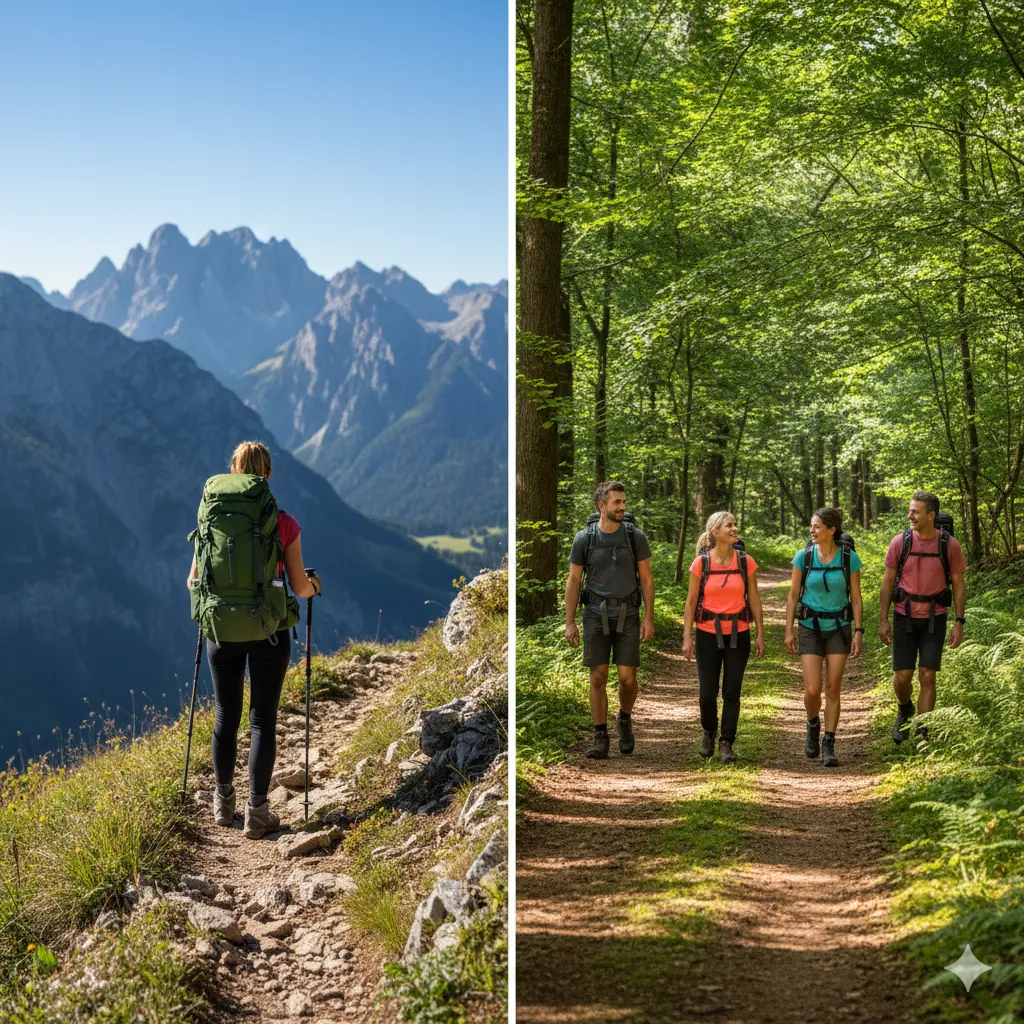
Solo Hiking vs Group Hiking: Quick Answer
Solo hiking gives you freedom and solitude. Group hiking offers safety and shared fun. Neither is better for everyone your choice depends on the trail, your skill level, and what you enjoy.
What Is Solo Hiking?
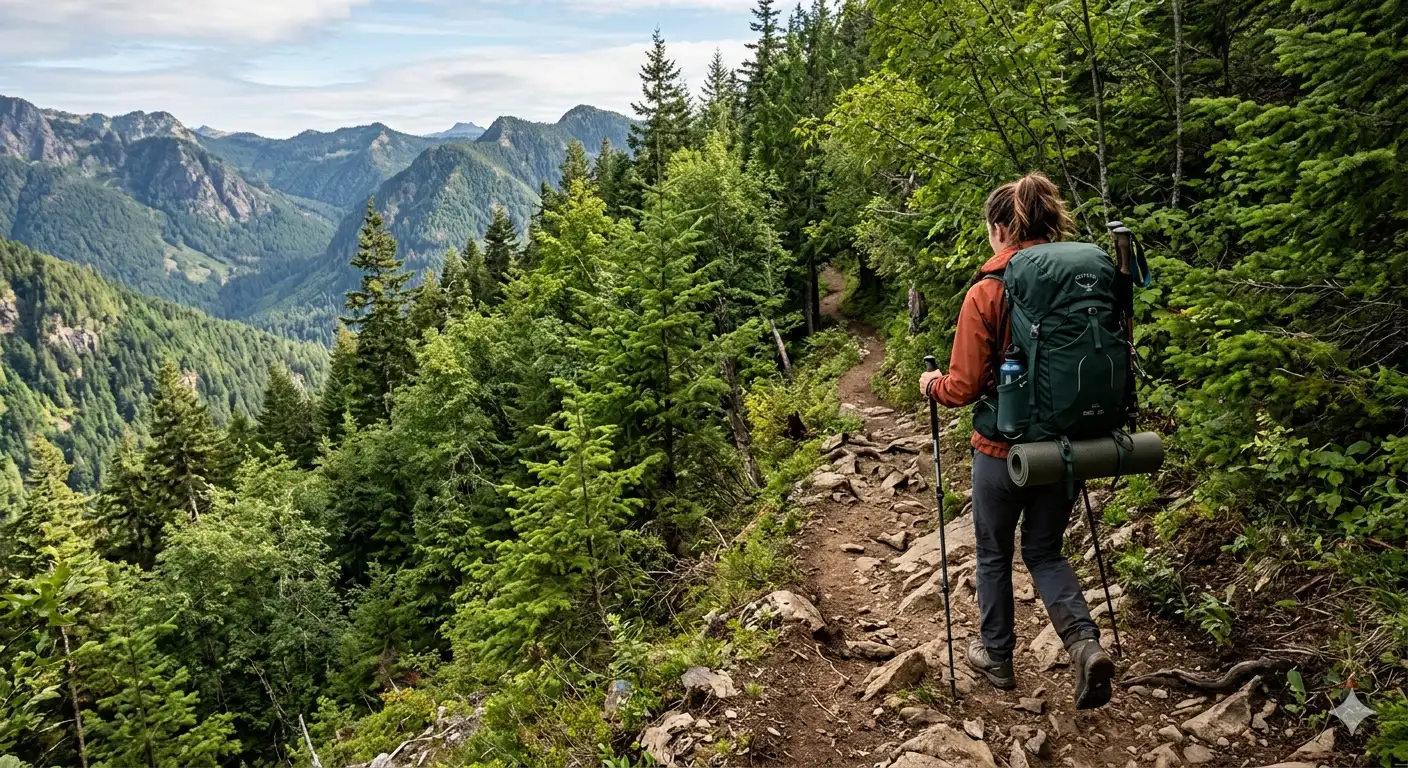
Solo hiking means you hike alone, without companions. You plan your own pace, route, and schedule. Many hikers find it a powerful way to connect with nature and themselves.
Pros of Solo Hiking
- You move at your own pace no waiting for others.
- You choose the trail, the start time, and the stops.
- You experience quiet and deep focus in nature.
- You build self-reliance and confidence over time.
- You can change your plan without discussion.
Cons of Solo Hiking
- There is no one to help if you get injured.
- Navigation mistakes can go unchecked.
- Some trails feel more emotionally challenging alone.
- Emergency response can be slower without a partner.
- It can feel lonely on very long routes.
What Is Group Hiking?
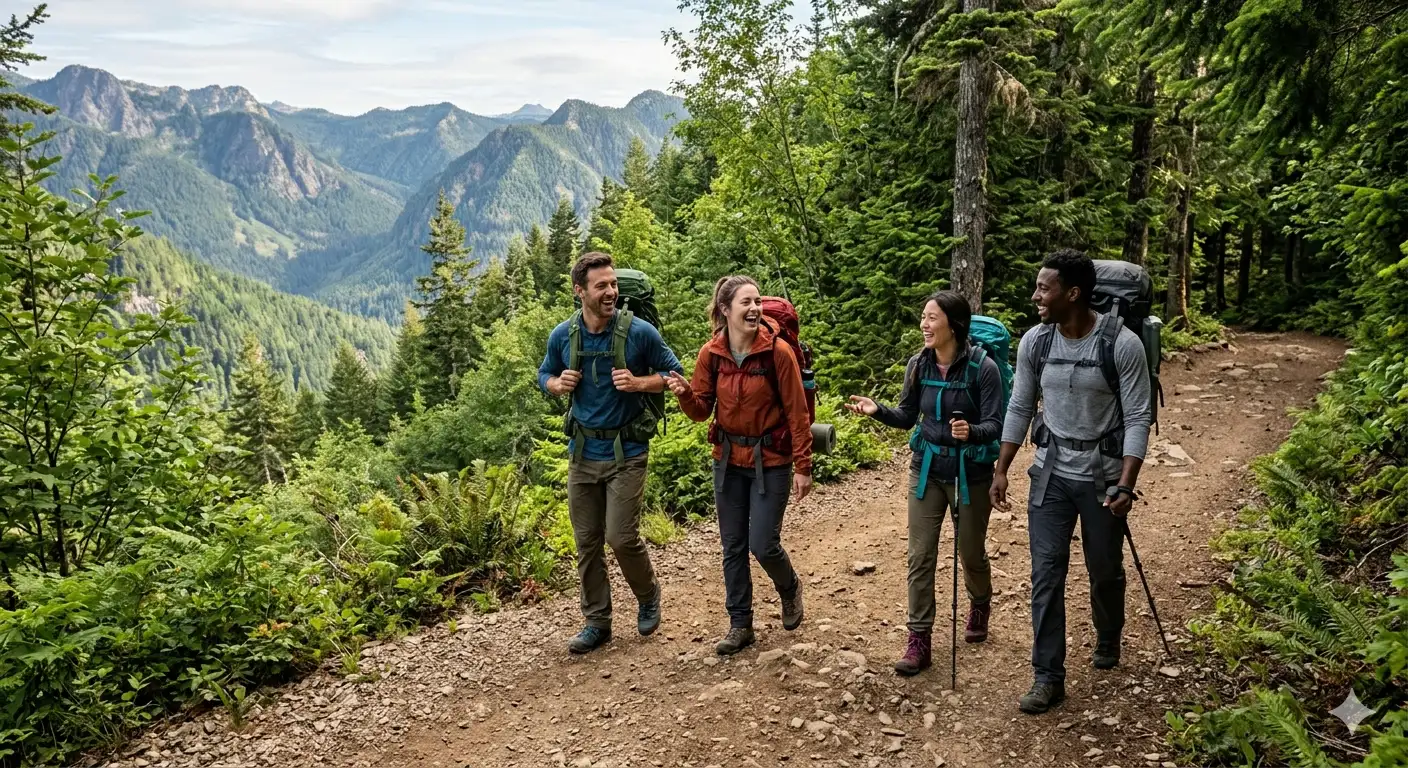
Group hiking means you hike with two or more people. Your group might be friends, family, or an organized hiking club. It is a social experience that many beginners find reassuring.
Pros of Group Hiking
- You have people around if something goes wrong.
- Shared gear can reduce what each person carries.
- More experienced hikers can guide beginners.
- The experience feels more social and celebratory.
- Group morale helps during tough climbs.
Cons of Group Hiking
- You may have to adjust your pace to others.
- Group decisions can slow things down.
- Disagreements about routes or rest stops can happen.
- Larger groups can disturb wildlife and other hikers.
- Scheduling with multiple people takes more effort.
Solo vs Group Hiking: Side-by-Side Comparison
| Factor | Solo Hiking | Group Hiking |
|---|---|---|
| Freedom & Flexibility | High you decide everything | Lower requires group agreement |
| Safety | Lower no backup nearby | Higher others can help in emergencies |
| Social Experience | Private and reflective | Fun and shared |
| Best For | Experienced, confident hikers | Beginners and social hikers |
| Pace Control | Fully your own | Adjusted to the group |
| Gear Weight | You carry everything | Can be shared |
| Wildlife & Nature Impact | Minimal disturbance | More noise, more impact |
Safety: Solo vs Group Hiking
Safety is one of the biggest differences between the two styles. You should weigh this carefully before choosing.
Solo Hiking Safety Tips
- Always tell someone your planned route and return time.
- Carry a charged phone or a GPS device.
- Start with well-marked, popular trails.
- Bring a basic first aid kit in your pack.
- Check weather conditions before you leave.
Read more about staying safe on the trail in our article: Hiking Safety Tips for Beginners.
Group Hiking Safety Tips
- Keep the group together avoid splitting up on long trails.
- Set a clear meeting point in case someone falls behind.
- Assign someone to carry the first aid kit.
- Make sure everyone knows the emergency plan.
Who Should Consider Solo Hiking?
Solo hiking suits people who prefer independence and have some experience on trails. It may be a good fit if you:
- Have already done several easy or moderate hikes.
- Feel comfortable reading maps or using a GPS app.
- Enjoy quiet time and personal reflection.
- Are flexible with your schedule and pace.
- Take safety planning seriously before each hike.
Who Should Consider Group Hiking?
Group hiking is a great starting point for many people. It may be right for you if you:
- Are new to hiking and want guidance.
- Feel more comfortable with someone nearby.
- Enjoy shared experiences and conversation on the trail.
- Want to split the weight of shared gear like a tent or stove.
- Are planning a challenging or remote trail.
If you are just getting started, check out our beginner guide: Hiking for Beginners: Your Complete First Trail Guide.
Gear Differences Between Solo and Group Hiking
Your gear list changes depending on how many people are with you.
Solo Hiker Gear Essentials
- A lightweight but complete first aid kit
- Navigation tools: map, compass, or GPS device
- Emergency whistle and personal locator beacon (for remote trails)
- Extra food and water beyond what you expect to need
- A fully charged power bank
Group Hiker Gear to Share
- One group tent or shelter
- A shared cooking stove and fuel
- One large first aid kit for the whole group
- Navigation tools shared between two people
Want help building your gear list? See our article: Essential Hiking Gear for Beginners.
Conclusion
Both solo and group hiking offer real rewards. Solo hiking gives you freedom and personal growth. Group hiking gives you safety and shared memories. The best choice depends on your trail, your experience, and what kind of adventure you want.
Start by asking yourself: Do I want solitude or company on this hike? Your honest answer will point you in the right direction. Whatever you choose, prepare well, stay safe, and enjoy every step of the trail.
Frequently Asked Questions (FAQ)
Is solo hiking safe for beginners?
Solo hiking can be safe for beginners on easy, well-marked trails. Make sure you tell someone your route, carry a phone, and start with shorter hikes near populated areas before trying remote trails.
What is the ideal group size for hiking?
A group of 4 to 6 people is often considered a practical size. It is large enough for safety and small enough to move efficiently on the trail without causing too much disturbance.
Can I switch between solo and group hiking?
Yes, many hikers enjoy both styles depending on the trip. You might prefer solo hikes for short day trails and group hikes for multi-day or more challenging routes.
Do I need special gear for solo hiking?
You do not need completely different gear, but solo hikers should pay extra attention to safety tools. A personal locator beacon, a fully stocked first aid kit, and a reliable navigation app are especially important when you hike alone.



No comments yet. Be the first to share your thoughts.