
Trekking Gear Maintenance Tips: Keep Your Equipment Trail-Ready
Your trekking gear takes a beating on the trail. Mud, rain, sun, and rough terrain all wear down your equipment over time. Proper maintenance extends the life of your gear and keeps you safe during hikes. Regular care saves you money and ensures your equipment performs when you need it most.
This guide covers practical maintenance tips for your essential hiking gear. You will learn how to clean, repair, and store your equipment properly. These simple routines keep your gear ready for your next adventure.

Boot and Footwear Maintenance
Your hiking boots carry you through every mile. They deserve regular attention to maintain comfort and durability. Clean boots perform better and last longer than neglected ones.
Cleaning Your Hiking Boots
Remove dirt and mud after every hike. Use a soft brush to scrub away dried mud from the uppers and soles. Pay attention to the tread patterns where debris gets trapped. Remove the insoles and laces before cleaning.
Wash leather boots with lukewarm water and a mild soap. Avoid hot water as it can damage the leather and weaken adhesives. For synthetic boots, you can use slightly warmer water. Rinse thoroughly to remove all soap residue.
Never put your boots in a washing machine or dryer. The heat and agitation damage materials and break down waterproof membranes. Let boots air dry at room temperature away from direct heat sources.
Conditioning and Waterproofing
Leather boots need regular conditioning to stay supple. Apply leather conditioner every few months or when the leather looks dry. This prevents cracking and extends boot life significantly.
Reapply waterproofing treatment once or twice per season. Clean boots thoroughly before applying any waterproofing product. Follow the manufacturer’s instructions for the specific product you choose. Most treatments require 24 hours to cure properly.
Storage Tips for Footwear
Store boots in a cool, dry place away from direct sunlight. Stuff them with newspaper or boot trees to help maintain their shape. This prevents creasing and allows air circulation inside the boot.
Check your boots regularly during storage for signs of mold or deterioration. Address any issues immediately to prevent permanent damage.
Backpack Care and Cleaning
Your backpack carries everything you need on the trail. Proper cleaning and maintenance keep zippers working and fabrics strong. A well-maintained pack serves you reliably for years.
Regular Cleaning Process
Empty your backpack completely after each trip. Shake out dirt, crumbs, and debris. Check all pockets and compartments for forgotten items that might attract pests or cause odors.
Spot clean stains as soon as you notice them. Use a damp cloth with mild soap for most stains. Avoid harsh chemicals that can damage waterproof coatings or fabric colors.
For deep cleaning, hand wash your pack in a bathtub or large sink. Use lukewarm water and a gentle soap designed for technical fabrics. Scrub gently with a soft brush, paying attention to heavily soiled areas.
- Remove or protect any frame or stays before washing
- Rinse thoroughly to remove all soap residue
- Hang to dry in a shaded area with good air circulation
- Ensure the pack is completely dry before storage
Zipper and Hardware Maintenance
Zippers fail when dirt and grit get into the teeth. Clean zippers regularly with an old toothbrush and soapy water. Rinse well and let dry completely.
Apply zipper lubricant or wax to keep zippers sliding smoothly. This simple step prevents frustrating zipper failures on the trail. Test all zippers after lubricating to ensure proper function.
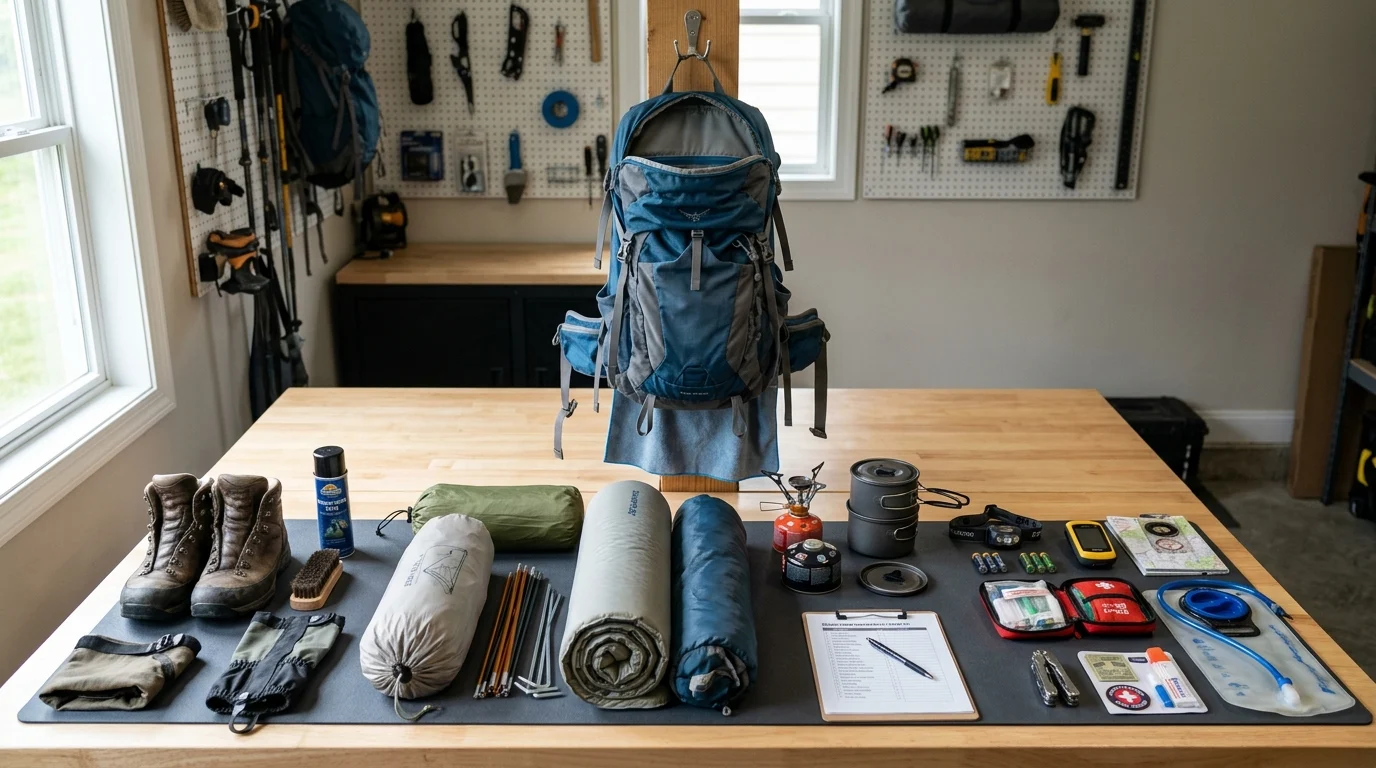
Check buckles, straps, and adjustment points regularly. Tighten any loose screws or rivets. Replace worn webbing before it fails completely. Most outdoor stores offer repair services for damaged backpacks.
Tent and Shelter Care
Your tent protects you from the elements. Regular maintenance keeps it waterproof and functional. Small tears become big problems if you ignore them.
Cleaning Your Tent
Set up your tent to dry completely after every camping trip. Even if it seems dry, moisture can be trapped in seams and fabric folds. Allow at least a few hours of drying time.
Wipe down the tent floor with a damp cloth to remove dirt. Clean the fly and walls with water only unless heavily soiled. Use a specialized tent cleaner for stubborn stains.
Never use detergents or harsh cleaners on tent fabrics. These products can damage waterproof coatings and UV protection. They may also leave residues that attract dirt.
Seam Sealing and Repairs
Check seams regularly for signs of wear or leaking. Reapply seam sealer as needed, typically once a year or after heavy use. Clean and dry the seams thoroughly before applying new sealer.
Repair small tears immediately with tent repair tape or patches. Carry a repair kit on longer trips for emergency fixes. For larger damage, consider professional repair services to maintain tent integrity.
Proper Tent Storage
Store your tent loosely in a large breathable bag or pillowcase. Never store it compressed in its stuff sack for long periods. Compression damages fabrics and coatings over time.
Keep tents in a cool, dry location away from direct sunlight. Attics and garages with extreme temperatures can degrade tent materials. A closet or under-bed storage works well for most homes.
Clothing and Layer Maintenance
Technical hiking clothing requires special care to maintain performance. Proper washing preserves waterproofing and breathability. Your investment in quality clothing pays off with correct maintenance.
Washing Technical Fabrics
Read and follow care labels on all technical clothing. Different fabrics require different treatments. What works for one garment might damage another.
Use specialized detergents designed for technical fabrics. Regular detergents leave residues that clog breathable membranes. These residues reduce performance and can make you less comfortable on the trail.
Wash waterproof jackets inside out on a gentle cycle with cold water. Rinse twice to remove all detergent. Tumble dry on low heat to reactivate DWR (durable water repellent) coatings.
Restoring Water Repellency
DWR coatings wear off with use and washing. When water no longer beads on your jacket surface, it needs retreatment. Clean the garment thoroughly before applying any DWR treatment.
Apply spray-on or wash-in DWR products according to package directions. Heat activation with a dryer or iron helps set the treatment. Test a small area first to ensure compatibility.
You can find more detailed information about caring for waterproof hiking clothing in our specialized guide.
Equipment Storage Best Practices
How you store your gear between adventures matters. Proper storage prevents damage from moisture, pests, and environmental factors. Follow these guidelines to keep everything in top condition.
Climate Control Considerations
Store gear in areas with stable temperatures and low humidity. Extreme heat degrades plastics, adhesives, and synthetic fabrics. High humidity promotes mold and mildew growth.
Avoid storing gear in attics, garages, or outdoor sheds when possible. These spaces experience temperature extremes that damage equipment. Basements can work if they stay dry and well-ventilated.
Organization and Accessibility
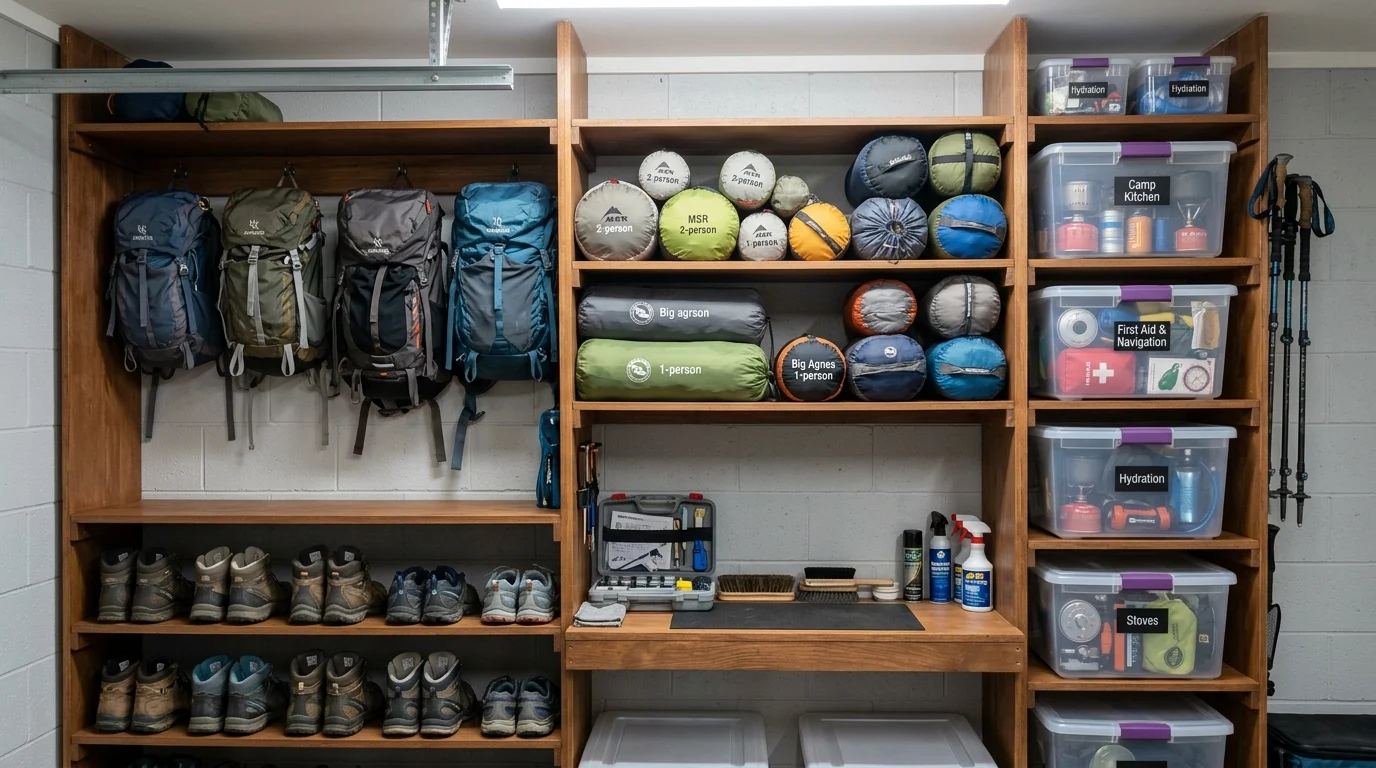
Keep frequently used items easily accessible. Store seasonal gear separately from year-round equipment. This system makes trip preparation faster and more efficient.
Use clear bins or labeled containers for small items. Hang larger items like backpacks and sleeping bags. Good organization helps you spot problems before they become serious.
- Inspect all gear before storing it away
- Clean everything thoroughly before long-term storage
- Check gear periodically during storage for any issues
- Rotate items to prevent compression damage
Trekking Pole and Accessories Care
Trekking poles and smaller accessories need maintenance too. These items often get overlooked but benefit greatly from regular attention. Simple cleaning and adjustment keep them functioning properly.
Cleaning and Adjusting Trekking Poles
Rinse trekking poles after muddy or sandy hikes. Dirt and grit damage locking mechanisms and wear down moving parts. Pay special attention to the adjustment sections and tips.
Take poles apart periodically to clean internal sections. Wipe down with a damp cloth and let dry completely. Check for wear on the locking mechanisms and replace parts as needed.
Apply a small amount of lubricant to adjustment mechanisms if they become stiff. Avoid over-lubricating as this attracts dirt. Test all adjustments and locks before your next hike.
Headlamp and Electronics Care
Remove batteries from headlamps and GPS devices during storage. Batteries can corrode and damage electronics if left in for extended periods. Store batteries separately in a cool, dry place.
Clean battery contacts with a cotton swab and rubbing alcohol. This prevents corrosion and ensures good electrical connections. Check contacts regularly even during active use seasons.
Keep electronics in protective cases when not in use. Store them away from extreme temperatures and moisture. Regular maintenance of your essential trekking accessories prevents trail-side failures.
Creating a Maintenance Schedule
Regular maintenance becomes easier with a simple schedule. Consistent care prevents major problems and extends gear life significantly. Develop habits that fit your hiking frequency and gear collection.
After Every Hike
Clean and dry all gear as soon as you return home. Check for damage or wear that needs immediate attention. Empty and air out your backpack. Remove batteries from electronic devices.
Monthly Checks
Inspect stored gear for any issues. Check for moisture, mold, or pest damage. Test zippers and closures. Confirm that waterproof items still repel water properly.
Seasonal Maintenance
Deep clean all gear at the start and end of each season. Apply treatments like waterproofing and conditioning. Replace worn items before they fail. Plan repairs during off-season periods when you have time.
Annual Review
Evaluate each piece of gear honestly once per year. Decide what needs replacement versus repair. Update your gear list based on changing needs or improved technology. Dispose of irreparable items responsibly.
Conclusion
Proper trekking gear maintenance protects your investment and ensures reliability on the trail. Regular cleaning, timely repairs, and correct storage keep your equipment performing at its best. These simple maintenance habits save money and prevent equipment failures during critical moments.
Start with basic cleaning after every hike and build from there. Create a maintenance routine that works for your schedule and gear collection. Your well-maintained equipment will serve you faithfully for many adventures to come. Begin caring for your gear today and enjoy the benefits on every future trail.
Frequently Asked Questions
How often should I waterproof my hiking boots?
Waterproof your hiking boots one to two times per season, depending on use frequency. If water stops beading on the surface or the boots feel heavy when wet, it is time to reapply treatment. Always clean boots thoroughly before applying any waterproofing product for best results.
Can I machine wash my hiking backpack?
Avoid machine washing your hiking backpack as the agitation can damage frames, padding, and coatings. Hand washing in a bathtub with mild soap provides better results and protects your pack. If you must use a machine, remove all frames, use the gentlest cycle, and skip the spin cycle entirely.
How do I remove mildew smell from my tent?
Clean your tent with a specialized tent cleaner or a mixture of water and vinegar. Set it up outdoors in direct sunlight for several hours as UV light kills mildew spores. Ensure the tent dries completely before storage. Prevention through proper drying after each use works better than treating mildew problems later.
What is the best way to store trekking poles?
Store trekking poles fully extended or loosely collapsed in a dry area. This prevents internal corrosion and maintains spring tension in locking mechanisms. Keep them away from extreme temperatures and moisture. Check adjustment locks periodically during storage to ensure they still function properly.



No comments yet. Be the first to share your thoughts.