
Best Time of Day to Go Hiking: Morning, Midday & Evening Tips for Every Trail
Choosing the best time of day to go hiking can make the difference between an enjoyable adventure and a stressful experience. Weather, crowds, wildlife activity, and daylight hours all change throughout the day. In this guide, you’ll learn when to hike in the morning, midday, or evening so you can plan safer, more comfortable, and more rewarding trips.
| Time | Best For | Pros | Cons |
|---|---|---|---|
| Morning | Long hikes | Cool + quiet | Early wake |
| Midday | Short hikes | Convenient | Heat + crowds |
| Evening | Photos | Sunset + cool | Less daylight |
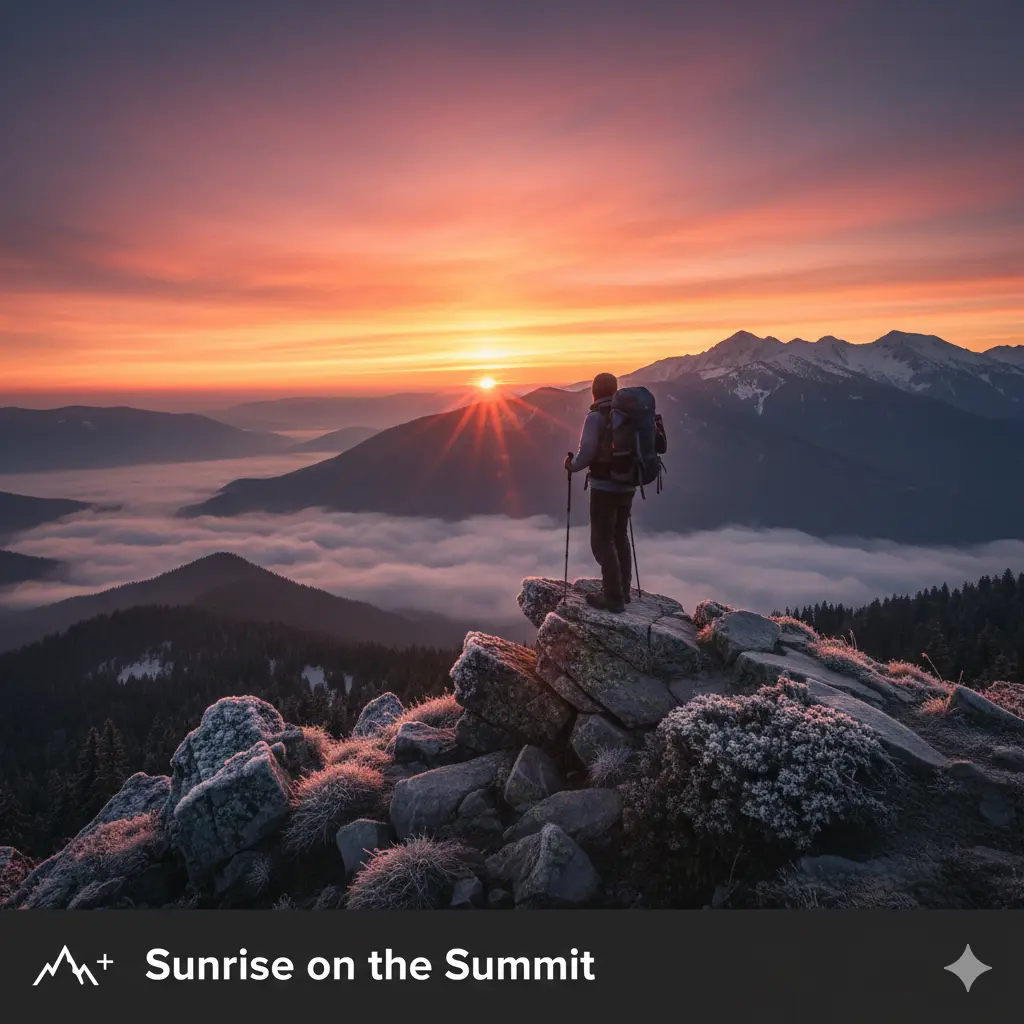
Why Early Morning is the Best Time of Day to Go Hiking for Summer Trails
Starting your hike at sunrise or shortly after gives you several distinct benefits. This timing works especially well for longer trails and hot summer days.
Advantages of Morning Starts
- Cooler temperatures make physical exertion more comfortable
- You’ll often have trails to yourself before crowds arrive
- Morning light provides excellent photography opportunities
- You get maximum daylight hours for completing longer routes
- Wildlife is often more active during early hours
- Parking is typically easier at popular trailheads
Challenges to Consider
Early starts require waking up before dawn, which can be difficult. You might drive to the trailhead in darkness.
Morning dew makes trails slippery and can soak your boots and pants. Temperatures at dawn can be surprisingly cold, even in summer.
- Bring layers you can remove as the day warms up
- Use a headlamp if starting before sunrise
- Consider waterproof or water-resistant boots for wet trails
- Pack breakfast or eat before leaving home
Best For
Early morning works great for full-day hikes where distance requires maximum daylight. It’s ideal during summer when afternoon heat becomes uncomfortable.
Popular trails with limited parking benefit from early arrivals. Photographers chasing golden hour light prefer sunrise timing.
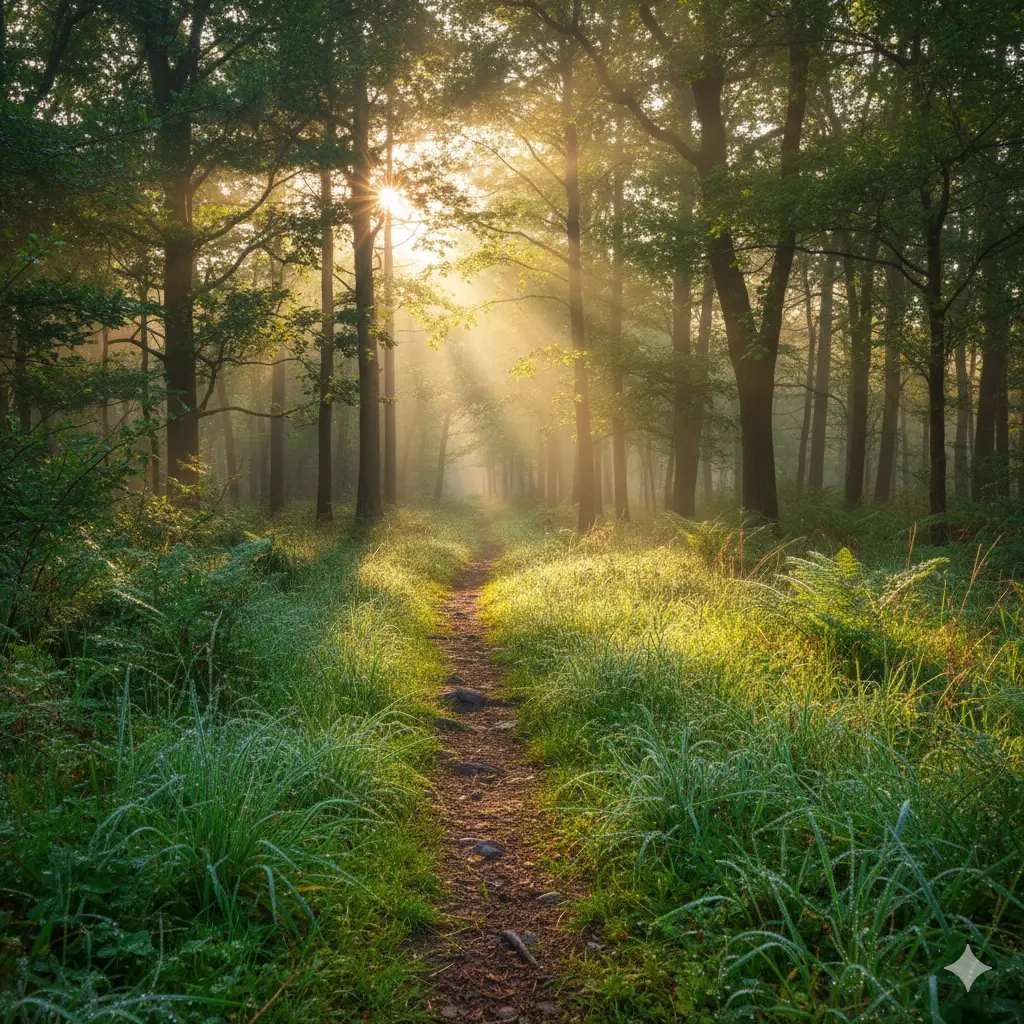
Midday Hiking: Late Morning to Afternoon
Starting your hike between 10 AM and 2 PM is the most common choice. This timing offers convenience but comes with specific trade-offs.
Why People Choose Midday
- No need to wake up early or rush your morning
- Trails are fully visible without needing a headlamp
- Temperatures have warmed up from the cold morning hours
- You can see trail conditions clearly before committing
Drawbacks of Midday Starts
Heat peaks during midday and early afternoon in most seasons. This increases your water needs and reduces comfortable hiking pace.
Popular trailheads may be full, requiring roadside parking or choosing alternative trails. You’ll encounter more hikers on the trail.
Afternoon thunderstorms develop in many mountain regions during summer months. These can create dangerous lightning conditions on exposed ridges.
- Carry significantly more water than morning or evening hikes
- Wear sun protection including hat, sunglasses, and sunscreen
- Monitor weather forecasts for afternoon storm predictions
- Plan to descend from exposed areas by early afternoon
When Midday Works Well
Shorter hikes of 2-4 hours fit comfortably in midday timeframes. Spring and fall offer moderate temperatures during these hours.
Social hikers who enjoy encountering others on the trail appreciate busier times. Wooded trails with substantial shade manage heat better than exposed routes.
For guidance on managing heat, read our article on Hiking in Cold Weather.
Late Afternoon and Evening Hiking
Starting your hike between 3-5 PM creates a different experience entirely. This timing appeals to specific hiking goals and schedules.
Benefits of Evening Hikes
- Temperatures cool down from the day’s peak heat
- Sunset lighting creates dramatic views and photos
- Trails become less crowded as day hikers finish
- You can sleep in and still enjoy a quality hike
- Evening wildlife activity increases in many areas
Important Limitations
Daylight ends your hiking window. You need to calculate carefully to finish before darkness or bring proper lighting.
Temperatures can drop quickly after sunset, especially in spring and fall. What felt comfortable at 4 PM might be cold by 7 PM.
- Know exact sunset times for your hiking date
- Bring a headlamp with fresh batteries even for short hikes
- Pack an extra insulating layer for cooling temperatures
- Choose familiar trails you could navigate in limited light
- Download offline maps in case you need them after dark
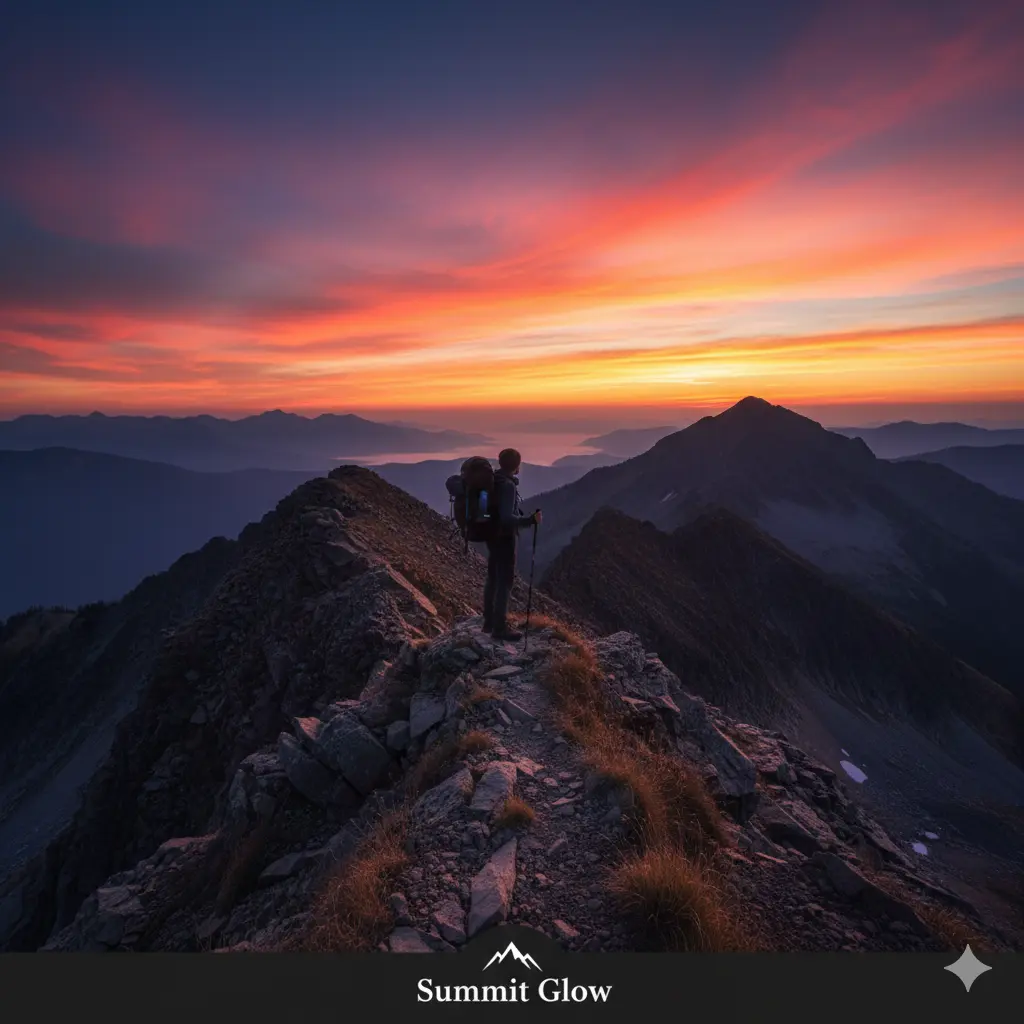
Perfect Evening Hiking Scenarios
Sunset hikes to viewpoints create memorable experiences with proper planning. Summer offers long evenings that accommodate moderate-length trails.
People with work schedules can hike after finishing their day. Evening timing works well for building fitness through regular shorter hikes.
Seasonal Timing Considerations
The best hiking time shifts throughout the year based on weather patterns and daylight availability.
For more detailed hiking tips, check REI Expert Hiking Tips.
Summer Strategy
Start as early as possible to avoid peak heat. Aim to finish exposed sections by noon when temperatures climb highest.
Evening hikes work well in summer with long daylight hours. However, watch for afternoon thunderstorms in mountainous regions.
Fall and Spring Timing
Midday temperatures are often ideal during shoulder seasons. Morning and evening can be quite cold, requiring more layers.
Daylight hours decrease in fall, limiting how late you can safely hike. Spring days grow longer, expanding your options.
Winter Considerations
Limited daylight forces midday hiking in winter. You might start at 9 AM and need to finish by 4 PM.
Coldest temperatures occur at dawn and dusk. Midday offers the warmest conditions for winter hiking.
For comprehensive winter guidance, check our article on Hiking in Hot Weather: Safety Tips.
Matching Time to Trail Type
Different trails favor different timing based on their characteristics.
Exposed Ridge Hikes
Start very early to reach and cross exposed areas during cool morning hours. Afternoon thunderstorms and heat make these routes less safe later.
Forest and Shaded Trails
These trails offer more flexibility in timing. Dense tree cover moderates temperatures throughout the day.
However, shaded trails become dark earlier than open areas. Factor this into evening hike planning.
Desert Hiking
Desert environments demand early morning or evening timing during warm months. Midday heat can be dangerous in exposed desert terrain.
Carry significantly more water regardless of timing. Shade is minimal on most desert trails.
Learn more about the best time of day to go hiking in different climates in our Hiking Weather Basics guide.
Planning Around Your Goals
Your hiking objectives should influence your timing choice as much as weather and logistics.
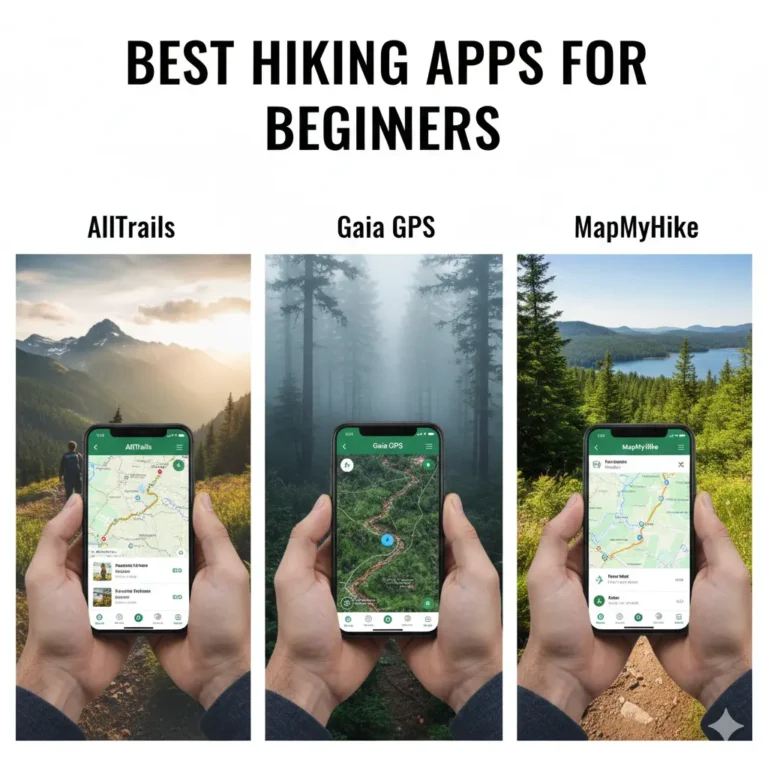
Find trails and reviews on AllTrails.
Training and Fitness
Consistent hiking schedules build fitness effectively. Choose times you can maintain regularly, whether morning, lunch breaks, or evenings.
Heat training benefits from midday summer hikes, but build up gradually and prioritize safety.
Photography and Nature Observation
- Golden hour photography favors sunrise and sunset timing
- Bird watching is typically best during early morning hours
- Wildflower photography often works best with soft morning or evening light
- Wildlife viewing peaks at dawn and dusk in many ecosystems
Social Hiking
Midday timing increases your chances of meeting other hikers. Early morning or evening hikers often seek solitude instead.
Create Your Personal Timing Strategy
The best hiking time for you depends on multiple factors working together.
- Consider your natural energy patterns (morning person vs. night owl)
- Factor in your daily schedule and commitments
- Account for seasonal weather in your region
- Match timing to your specific trail’s characteristics
- Adjust based on whether you prefer crowds or solitude
- Think about your primary hiking goals
Experiment with different times to discover what works best. Your preferences might vary by season or trail type.
For comprehensive planning guidance, visit our article on how to plan a full day hike.
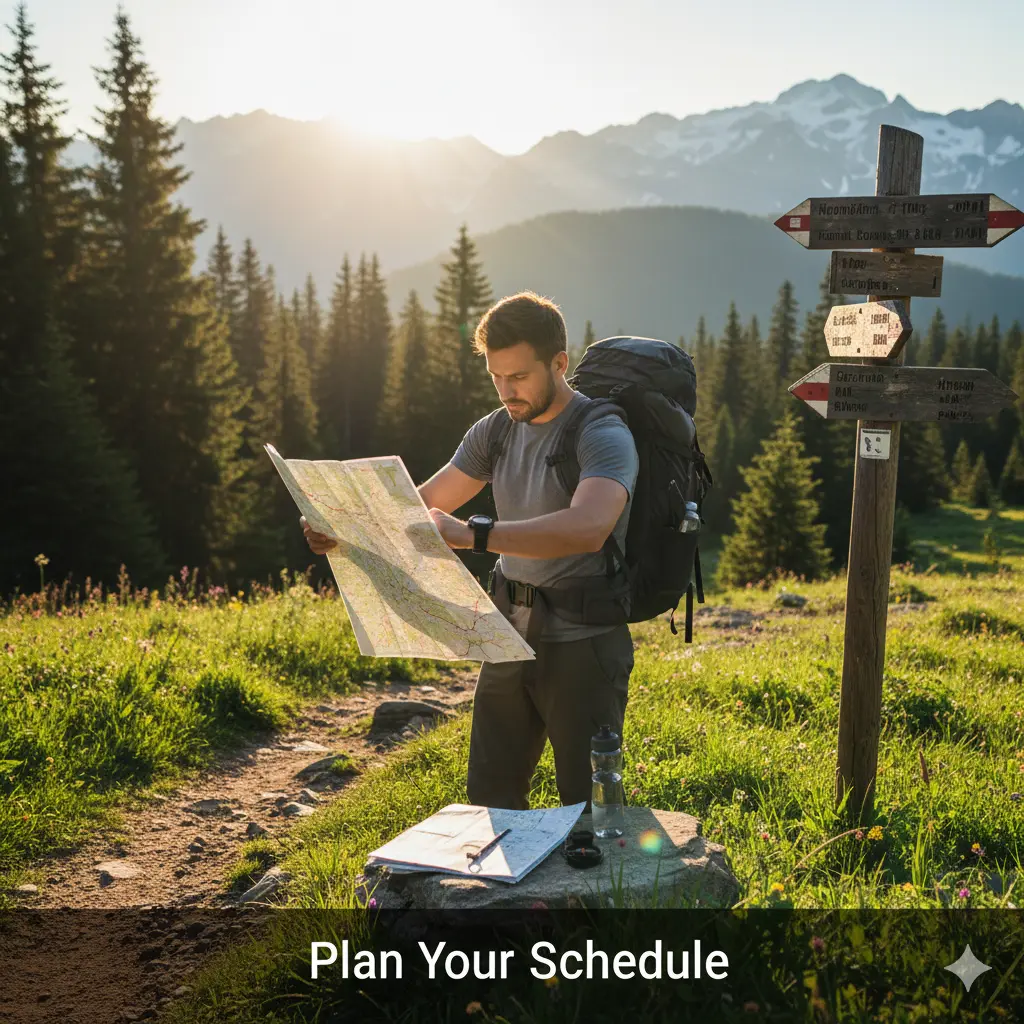
Safety Across All Times
Regardless of when you hike, certain safety practices remain constant.
- Tell someone your plans including expected return time
- Bring navigation tools appropriate for light conditions
- Carry a headlamp even if you plan to finish before dark
- Pack layers for temperature changes throughout the day
- Monitor weather forecasts before departing
- Know sunset times and plan accordingly
Conclusion
Ultimately, the best time of day to go hiking depends on your goals, the season, and your personal schedule. Experiment with morning, midday, and evening hikes to find what works best for you.
Related Posts
Frequently Asked Questions
Is it safe to hike alone early in the morning?
Morning solo hiking can be safe with proper precautions. Tell someone your plans and expected return time. Carry a fully charged phone and know how to use it in areas with limited service. Choose well-traveled trails when hiking alone. Being alert to your surroundings matters more than the specific time of day.
How do I know if I have enough time to finish before dark?
Calculate your expected hiking time using the rule of 2 miles per hour plus 1 hour for every 1,000 feet of elevation gain. Add time for breaks and photos. Compare this to available daylight hours between your start time and sunset. Build in at least a 1-hour buffer for safety. If the math doesn’t work, choose a shorter trail or start earlier.
Can I start a hike in the afternoon and use my headlamp to finish?
Yes, but this requires good preparation. Know the trail well or have excellent navigation skills. Bring a reliable headlamp with fully charged batteries plus a backup light source. Inform someone of your plan to finish after dark. This approach works better on well-marked trails than remote or complex routes. Consider that hiking at night is slower and more challenging.
Does hiking in the evening help me avoid crowds?
Evening hikes typically encounter fewer people than midday, though less so than very early morning. Most day hikers finish by late afternoon. However, popular sunset viewpoints can actually get crowded in the evening. If solitude is your main goal, dawn starts usually offer the quietest trails of any time.
What is the best time of day to go hiking safely?
Choosing the best time of day to go hiking depends on weather, trail difficulty, and your personal schedule. Early mornings are cooler and quieter, while evenings provide sunset views and less crowded trails.



No comments yet. Be the first to share your thoughts.