
Foot Care for Trekking: How to Prevent Pain, Blisters, and Injuries on Multi-Day Hikes
Proper foot care for trekking is one of the most overlooked aspects of multi-day adventure planning yet it can determine whether you finish your trek in good spirits or limp home early. Unlike a single-day hike where tired feet recover overnight, trekking means walking for consecutive days with limited rest. Small irritations compound quickly, and what feels like a minor hot spot on day one can become a debilitating blister by day three.
This guide covers everything you need to protect your feet on the trail: choosing the right footwear, building a daily care routine, treating blisters, and handling common foot problems before they end your trek.

Why Foot Care for Trekking Is Different from Day Hiking
Practicing proper foot care for trekking matters because multi-day outings create foot stress that simply doesn’t exist on single-day hikes. Your feet carry both your body weight and your pack weight for six to eight hours daily, often over uneven terrain. Swelling accumulates with each passing day, and without proper foot care, minor irritations spiral into serious problems. Making things harder, medical help may be hours away on a remote trail, which means prevention is always easier than treatment.
Foot problems can also force early trek termination. Severe blisters, untreated infections, or debilitating pain don’t just reduce enjoyment they can cut your adventure short entirely. Investing time in foot care before and during your trek protects both your health and your experience.
Choosing the Right Trekking Footwear
Your boot or shoe choice is the single most important factor in foot care for trekking. Even the best daily routine won’t fully compensate for poorly fitted or unsuitable footwear.
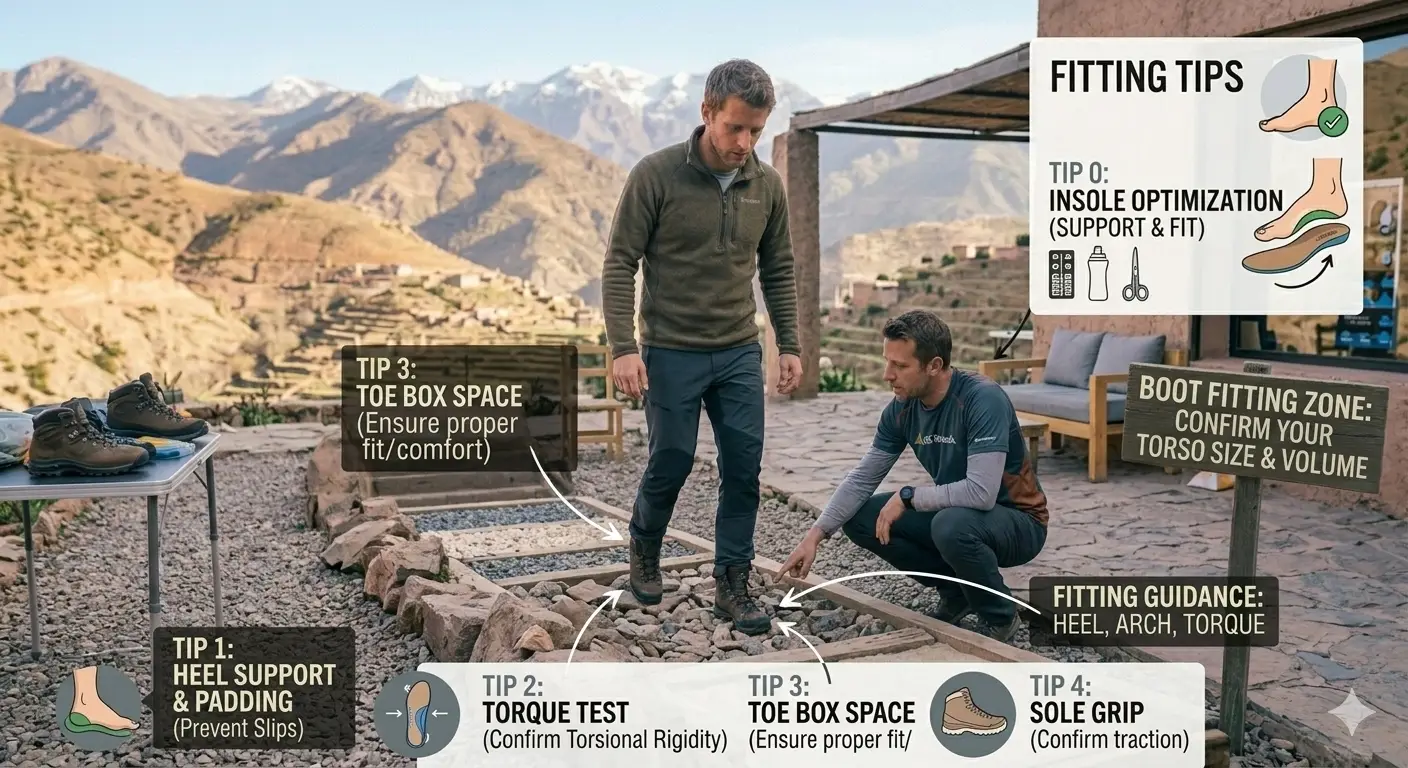
Getting the Right Fit
Always shop for trekking boots in the afternoon, when your feet are naturally at their most swollen. Wear the trekking socks you plan to use on the trail, and ensure there is roughly a thumb’s width of space in the toe box. Your heel should stay firmly in place without slipping, and there should be no pressure points on your ankles or the top of your foot. Walk around the store for at least 15 to 20 minutes before committing to a purchase any discomfort you feel in the store will be amplified on the trail.
Breaking In Your Boots Before the Trek
Never bring brand new boots on a multi-day trek. Stiff, unbroken leather or synthetic uppers cause friction and blisters even on well-fitting boots. Wear your new boots around town for several weeks before your trek, then take progressively longer day hikes while carrying a loaded pack. Identify and address any hot spots during training so your boots feel genuinely comfortable not just tolerable before trek day.
Matching Footwear to Terrain
Rocky, technical trails demand ankle support and stiff soles. Well-maintained trekking paths can accommodate lighter trail runners if you prefer the reduced weight. Wet or snow-prone conditions call for waterproof membranes. There is no single best choice the right footwear depends on where you are going and how your feet respond to different shoe types.
For a full gear checklist, read our guide on how to prepare for your first trek.
Choosing and Managing Socks on the Trail
Quality socks are just as important as your boots when it comes to trekking foot care. The right material keeps moisture away from your skin, reducing friction and blister risk throughout the day.
Best Sock Materials for Trekking
Merino wool is the gold standard for trekking socks it wicks moisture efficiently, resists odor even after multiple days of wear, and regulates temperature well. Synthetic blends dry faster and are a good alternative. Never wear cotton socks on a trek. Cotton absorbs moisture, stays wet, and creates exactly the humid environment that causes blisters.
How Many Pairs to Pack
For most multi-day treks, two to three pairs of socks is sufficient. Follow the simple rotation: one pair on your feet, one drying on your pack or at camp, and one kept dry as a backup. Change socks at midday on long hiking days if your feet feel damp, and wash socks at camp whenever water is available.
The Sock Liner System
Some trekkers swear by a two-layer sock system: a thin liner sock against the skin beneath a thicker outer sock. The liner reduces friction between your skin and the outer sock, helping prevent blisters. This system is not necessary for everyone, but if you are prone to blisters, it is worth testing during training hikes before your trek.
Preparing Your Feet Before the Trek
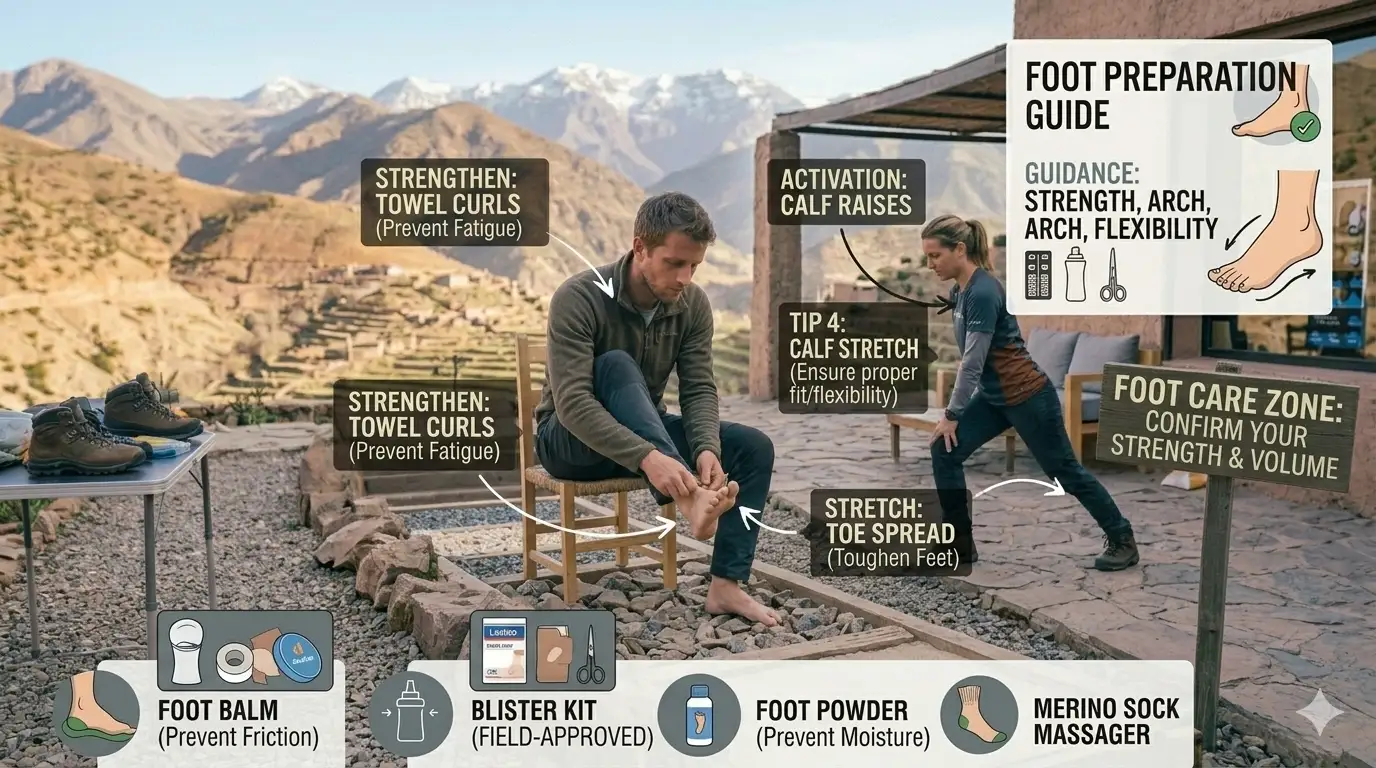
Good foot care for trekking begins weeks before you hit the trail. Strengthening your feet and addressing any existing issues in advance can prevent many common problems from developing during the trek itself.
Conditioning Your Feet
Walk regularly in your trekking boots, gradually increasing distance and pack weight over several weeks. Include hilly terrain in your training to simulate real trek conditions. Toe raises, foot stretches, and general flexibility work help build the foot strength needed for sustained daily hiking. Natural callus formation through regular use also provides protection against friction.
Addressing Foot Health Issues Before You Go
Trim your toenails straight across before the trek not too short and file any rough edges that could snag on socks. If you have athlete’s foot or a fungal infection, treat it completely before departure. Dry, cracked skin should be moisturized consistently in the weeks leading up to your trek. For any persistent foot pain or structural issues, consult a podiatrist before committing to a multi-day hike.
Do a Practice Trek
Complete at least one overnight practice hike wearing your exact boots, socks, and pack setup. This is the best way to identify problem areas and make adjustments before the real trek begins. Note any hot spots, pressure points, or discomfort, and resolve them in advance.
Daily Foot Care for Trekking: Your Morning-to-Night Trail Routine
Establishing a consistent daily routine is the backbone of effective trekking foot care. The routine takes only a few minutes each morning and evening but makes a significant difference over the course of a multi-day trek.
Morning Routine
Before setting off each day, inspect your feet for any blisters or sore spots that developed overnight. Apply preventive tape to known problem areas before they flare up. Put on clean, dry socks and lace your boots properly snug enough to prevent heel slippage, but not so tight that circulation is restricted. Be prepared to adjust your lacing throughout the day as your feet swell.
During the Hike
The most important rule during hiking: stop immediately when you feel a hot spot. That slight burning sensation is friction building before a blister forms. Take five minutes to apply moleskin or tape, adjust your sock, or relace your boot doing so prevents hours of painful walking later. Remove your boots during lunch breaks to air out your feet, loosen your laces on long descents to avoid toe jamming, and change socks if they become wet from stream crossings.
Evening Camp Routine
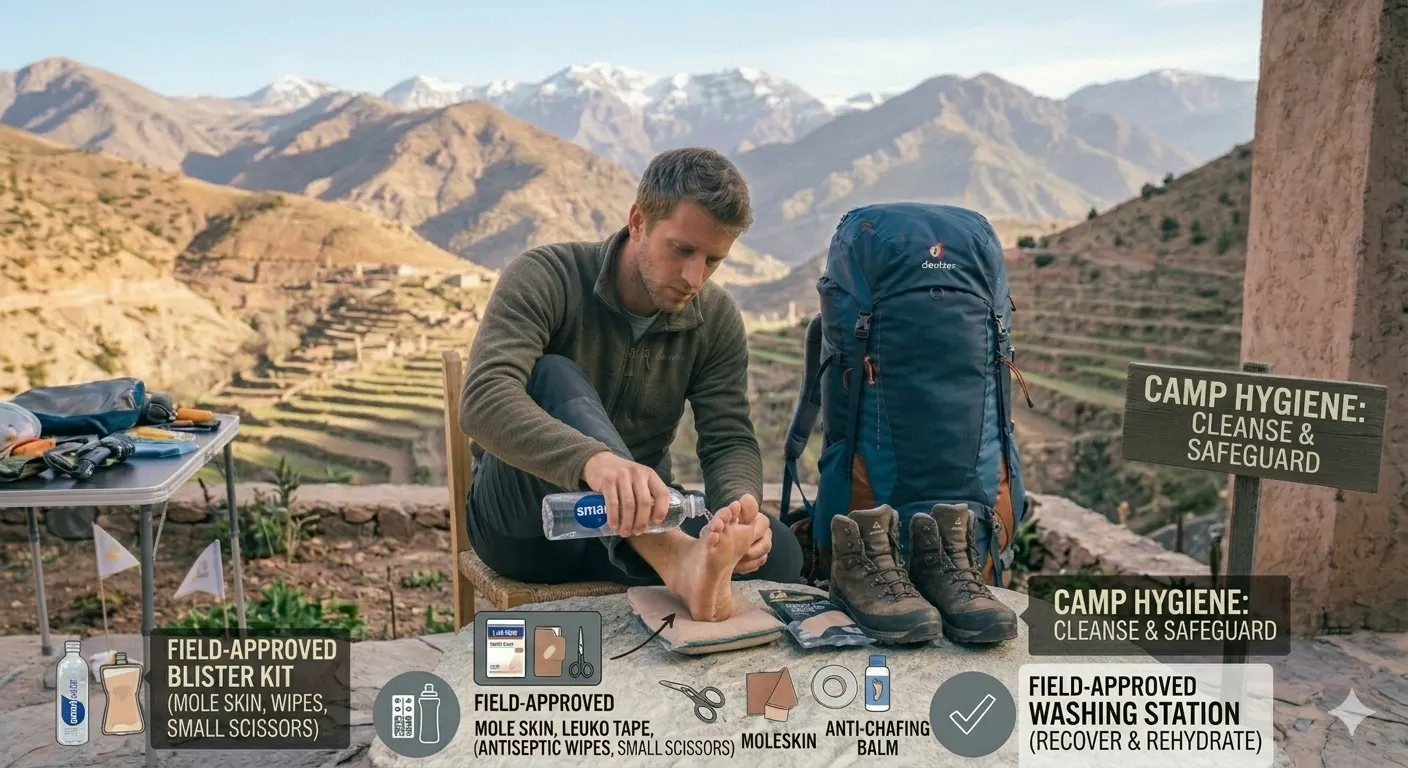
Remove your boots and socks as soon as you reach camp and let your feet air dry before putting on camp shoes. Wash your feet if water is available, then inspect carefully for blisters, cuts, or irritation. Treat any problems immediately rather than hoping they will improve overnight. Elevating your feet while resting helps reduce swelling before the next day’s hike.
Nighttime Care
Sleep in clean, dry socks to keep your feet warm and protect any treated areas. Never sleep in your damp hiking socks. In cold conditions, keep your boots inside your tent to prevent them from freezing stiff overnight.
Learn more about overall trek preparation in our guide on day hiking vs trekking explained.
Blister Prevention and Treatment
Blisters are the most common foot problem trekkers face, and they are largely preventable with the right approach. The key to blister management is acting early before a hot spot becomes a painful fluid-filled pocket.
Preventing Blisters
Moisture-wicking socks, proper boot fit, and preventive taping are your first line of defense. Apply foot powder or antiperspirant to the soles of your feet before particularly long or wet days to reduce moisture buildup. If you know from experience that certain areas blister easily, tape them proactively every morning rather than waiting for pain to develop.
Treating a Hot Spot
Stop as soon as you notice friction do not push through it. Apply moleskin, a blister bandage, or athletic tape directly over the irritated area. If the spot is raised or sensitive, cut the moleskin into a donut shape so pressure is distributed around the hot spot rather than on it. Adjust your sock or lacing to eliminate whatever was causing the rubbing before continuing.
Draining a Large, Painful Blister
Small blisters that are not painful are best left intact the skin provides natural protection. Large blisters that interfere with walking may need to be drained. Clean the area and sterilize a needle with alcohol, then puncture the blister at its edge and gently press out the fluid. Leave the skin covering intact, as it protects the raw skin underneath. Apply antibiotic ointment and cover with a blister-specific bandage. Change the dressing daily and watch for signs of infection: increasing pain, redness spreading beyond the blister, or pus.
Foot Care for Trekking: What to Pack in Your First Aid Kit
A dedicated foot care kit is essential for any multi-day trek. Keep it accessible not buried at the bottom of your pack so you can reach it quickly when problems arise.
Essential Items
- Moleskin or blister prevention tape
- Athletic tape for securing bandages
- Blister-specific bandages (such as Compeed)
- Alcohol wipes or hand sanitizer
- Antibiotic ointment
- Small scissors or nail clippers
- Sterilized needle or safety pin
Helpful Additions
- Foot powder to reduce moisture
- Body Glide or anti-chafe balm
- Pain relief medication
- Elastic bandage for ankle support
- Toenail file
Common Foot Problems and How to Handle Them
Even with good preparation, foot issues can develop on the trail. Knowing what to expect and how to respond keeps minor problems from becoming trek-ending emergencies.
Swollen Feet
Some degree of foot swelling is normal on multi-day treks, particularly at altitude. Elevate your feet during breaks and at camp, stay well hydrated, and loosen your laces as your feet expand throughout the day. If swelling is severe or accompanied by pain, consider shortening your hiking day.
Black Toenails
Black or bruised toenails are caused by toes repeatedly hitting the front of the boot on descents. Prevent this by ensuring proper boot sizing, trimming toenails before your trek, and tightening laces on downhills to lock your heel in place. Existing bruises generally heal on their own without treatment.
Plantar Fasciitis
Heel and arch pain from plantar fasciitis can develop or worsen on long trekking days. Stretch your calves and the soles of your feet each morning and evening, use supportive insoles if your boots lack arch support, and take anti-inflammatory medication if needed. You may also need to reduce your daily mileage until the inflammation settles.
Athlete’s Foot
This fungal infection thrives in warm, damp conditions exactly the environment inside trekking boots. Keep feet as dry as possible, change socks frequently, air out your feet during breaks, and apply antifungal powder or cream at the first sign of itching or peeling. The best approach is to treat any existing infection completely before your trek begins.

For comprehensive trekking safety guidance, read our article on how long your first trek should be.
Special Considerations for Certain Trekkers
Diabetics
Trekkers with diabetes should inspect their feet multiple times daily, monitor circulation and sensation carefully, and treat even minor wounds immediately to prevent infection. Consult your doctor before undertaking any extended trek and carry extra wound care supplies.
Trekkers with Previous Injuries
If you have a history of ankle sprains, stress fractures, or other foot injuries, build your training mileage more gradually than other trekkers. Use any supportive braces your doctor recommends, know your limits, and plan your itinerary accordingly.
Cold Weather Trekking
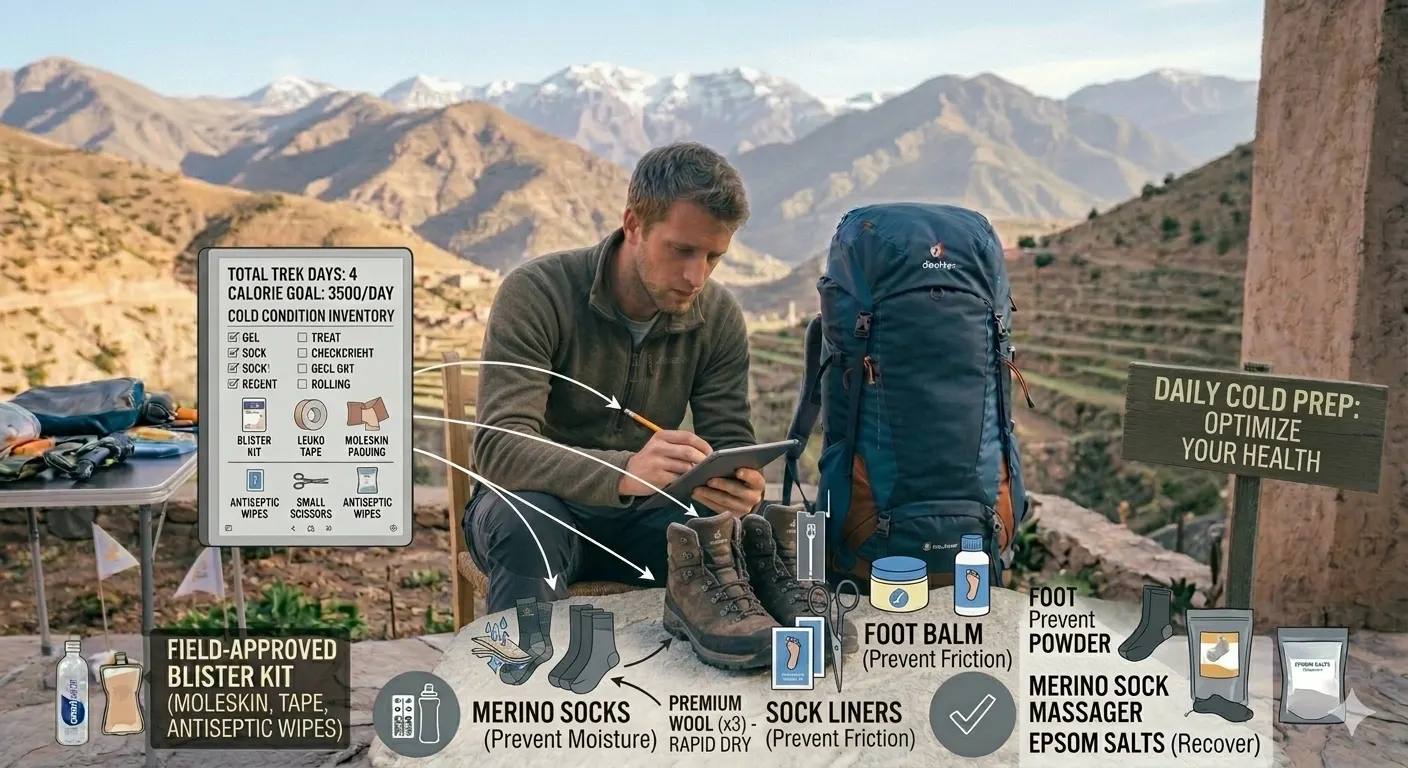
In cold or winter conditions, moisture management becomes even more critical. Change out of wet socks immediately wet feet lose heat rapidly and are vulnerable to frostbite. Use properly insulated boots and consider vapor barrier liners in extreme cold. Never ignore numbness or tingling in your toes, and warm cold feet gradually rather than exposing them to direct heat.
Post-Trek Recovery
Good foot care for trekking doesn’t end when you reach the trailhead recovery is part of the process. Your feet have absorbed significant stress and need attention in the days following your trek.
Remove your boots and socks as soon as possible after finishing, wash your feet thoroughly with soap and water, and inspect for any injuries or developing problems. Treat any remaining blisters and apply fresh bandages. In the days that follow, wear comfortable, supportive shoes, avoid intense activity, and continue elevating your feet to reduce lingering swelling. Let any open blisters heal completely before your next hike.
Don’t neglect your gear: clean and air-dry your boots completely (never use direct heat), wash and dry all socks, replace worn insoles, and restock your foot care kit for the next adventure.
Conclusion
Effective foot care for trekking comes down to preparation, prevention, and a consistent daily routine. Start with well-fitted, properly broken-in boots and quality moisture-wicking socks. Apply preventive tape before hot spots develop, address problems immediately when they arise, and keep a dedicated foot care kit within easy reach at all times. Healthy feet don’t just make your trek more comfortable they make it possible to complete the journey you planned and enjoy every step of it.
Ready to protect your feet on your next trek? Assemble your foot care kit this week, complete a few training hikes in your boots, and practice your morning and evening foot care routine before you hit the trail.
Frequently Asked Questions About Foot Care for Trekking
Should I size my trekking boots larger than my regular shoes?
Yes trekking boots should be slightly larger than your everyday shoes to accommodate foot swelling during long hikes. Aim for about a thumb’s width of space in the toe box when standing. This prevents your toes from hitting the boot front on downhills, which causes black toenails and pain. However, the fit should not be so large that your heel slips. Always try boots in the afternoon wearing your trekking socks, and walk around the store extensively before purchasing.
Apply preventive moleskin, athletic tape, or blister prevention tape to your known hot spots before you start hiking each day. Some trekkers apply these the night before to ensure they stay in place. Anti-chafe products like Body Glide also reduce friction. If the same areas blister repeatedly despite prevention, you may need a different boot fit or a sock liner system to reduce friction between your skin and the outer sock.
Clean the area and sterilize a needle with alcohol. Puncture the blister at its edge and gently press out the fluid, but leave the skin covering intact it protects the raw skin underneath. Apply antibiotic ointment and cover with a blister bandage or moleskin with a hole cut to relieve pressure. Change the dressing daily and watch for infection signs such as spreading redness, increased pain, or pus. Small, painless blisters are better left intact and simply padded around.
Yes lightweight camp shoes are worth the small extra weight for the relief they provide. After a full day in trekking boots, your feet need to breathe, recover, and reduce swelling. Camp shoes are also practical for stream crossings, nighttime bathroom trips, and general movement around camp. Foam sandals or lightweight slip-ons weighing just a few ounces are the most popular choice. Most experienced trekkers treat camp shoes as essential rather than optional.


No comments yet. Be the first to share your thoughts.