
Multi-Day Trekking Tips for Beginners: Complete Trail Guide
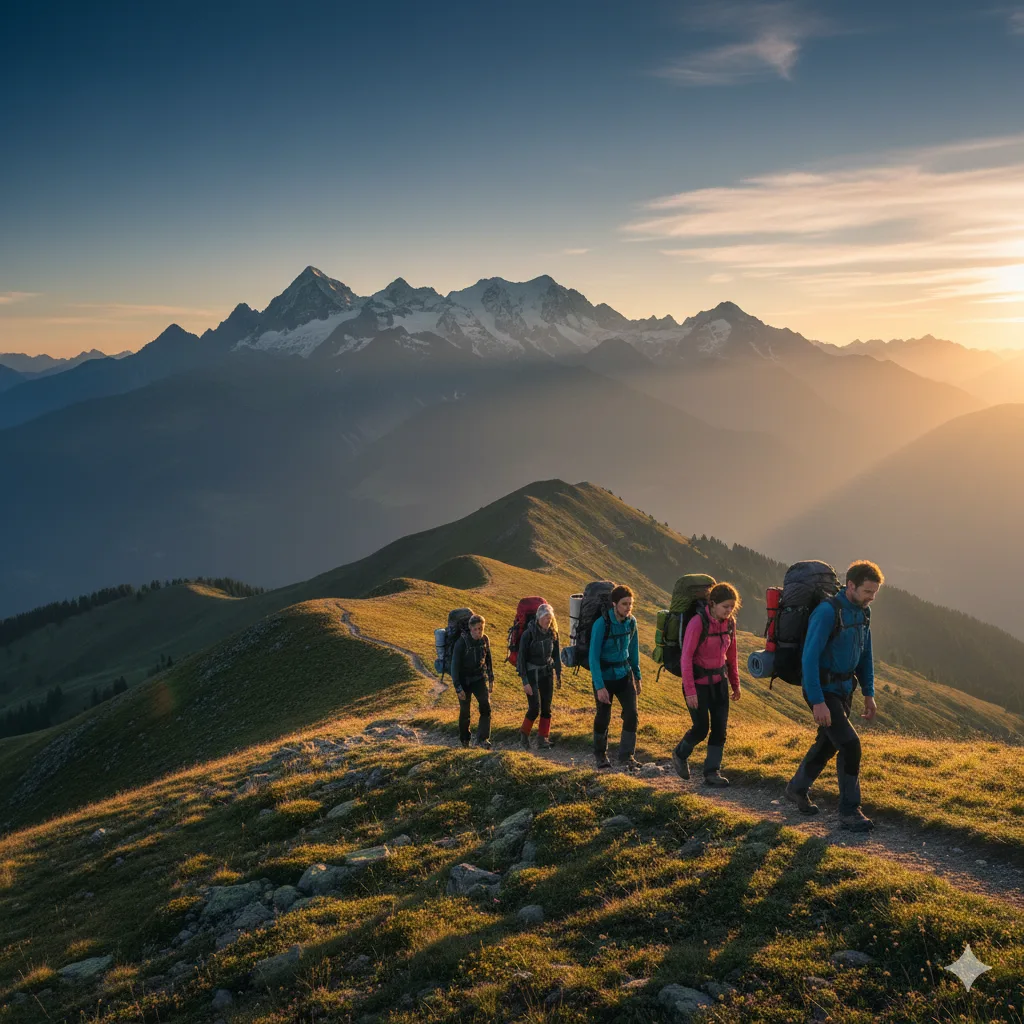
If you’ve ever stood at a trailhead with a loaded pack wondering whether you’ve bitten off more than you can chew you’re not alone. Multi-day trekking tips for beginners are searched by thousands of first-timers every month, and for good reason: the jump from a casual day hike to a multi-day wilderness trek is significant. Unlike a day hike where you’re home by dinner, a multi-day trek demands that you carry everything you need shelter, food, water, and clothing across consecutive days of terrain that doesn’t care about your fitness assumptions. This guide distills the essential multi-day trekking tips into practical, field-tested advice so your first extended trek is challenging in the right ways, not the wrong ones.
Start Small: The Golden Rule of Beginner Trekking
The most common mistake beginners make when applying multi-day trekking tips is ignoring this one: start far smaller than your ambition suggests. Your first multi-day trek should be a 2–3 day trip with no more than 6–8 miles of daily hiking and under 1,500 feet of elevation gain. Choose well-marked, popular routes ideally with bailout options so you can exit early if needed without drama. Attempting a week-long route before you’ve completed a single overnight backpacking trip is a recipe for misery, not adventure.
Build experience progressively. Complete several overnight backpacking trips first, test your gear on shorter outings, and practice consecutive day hikes on weekends to simulate cumulative fatigue. Every experienced trekker you admire started exactly where you are now. Before your first multi-day adventure, make sure you’ve mastered the basics covered in our trekking for beginners guide.
Pace Yourself from Day One
Pacing is arguably the most critical of all multi-day trekking tips, yet it’s the one beginners most frequently ignore. Your first day on trail sets the physiological and psychological tone for everything that follows. Start slower than feels necessary significantly slower than your normal day-hiking pace. The weight on your back changes everything, and the fatigue from day one compounds into day two and three in ways that can derail even the best-planned itinerary.
Adopt a sustainable rhythm: take 5–10 minute breaks every hour, eat lunch properly rather than snacking on the move, and aim to arrive at camp at least 2–3 hours before dark. That buffer time isn’t laziness it’s the margin that lets you set up shelter, filter water, cook dinner, and do foot care before exhaustion makes everything feel harder. Listen to your body’s signals early. Labored breathing, heavy legs, and a growing sense of dread are signs to slow down, not push through.

Pack Smart and Light
Every ounce in your pack is an ounce your legs carry for miles, day after day. One of the most transformative multi-day trekking tips is to approach packing ruthlessly. Your base weight everything except food and water should stay under 20 pounds. Your total loaded pack weight should not exceed 25–30 pounds. Weigh your pack at home before you leave, and eliminate anything you packed on a “just in case” basis without a specific scenario in mind.
Pack heavy items (tent body, bear canister, water filter) close to your back in the mid-section of your pack to keep your center of gravity stable. Your sleeping bag lives at the bottom in a waterproof compression sack. Frequently accessed items rain jacket, snacks, map, headlamp belong in hip belt pockets or the top lid. Distribute weight evenly left to right. Leave behind any extra clothing beyond one change, full-size toiletries, heavy camp chairs, and entertainment items you’ll be too tired to enjoy anyway. For detailed packing methods, Australian Hiker’s backpack packing guide is an excellent resource.
Hydration and Nutrition: Fuel Your Multi-Day Trek
Your body is an engine burning significant fuel on a multi-day trek treat it accordingly. Aim for 3–4 liters of water per day, sipping consistently rather than gulping at breaks. Don’t wait until you’re thirsty; by the time thirst registers, you’re already mildly dehydrated. Monitor your urine color pale yellow means you’re well hydrated, dark yellow means drink more immediately. At elevation or in heat, increase your intake accordingly.
On the calorie side, plan for 2,500–3,500 calories per day depending on your body size and terrain difficulty. Eat something every 1–2 hours while hiking a mix of carbohydrates for quick energy, proteins for muscle recovery, and fats for sustained output. In the evenings, a hot dehydrated meal does more for morale than almost anything else on trail. Repackage food at home to cut weight and waste, bring variety to prevent food fatigue across multiple days, and always carry extra snacks beyond your planned rations. According to backpacking nutrition guide, electrolyte replacement through salty snacks is especially important on warm days when sweat loss is high.
Build a Consistent Daily Camp Routine
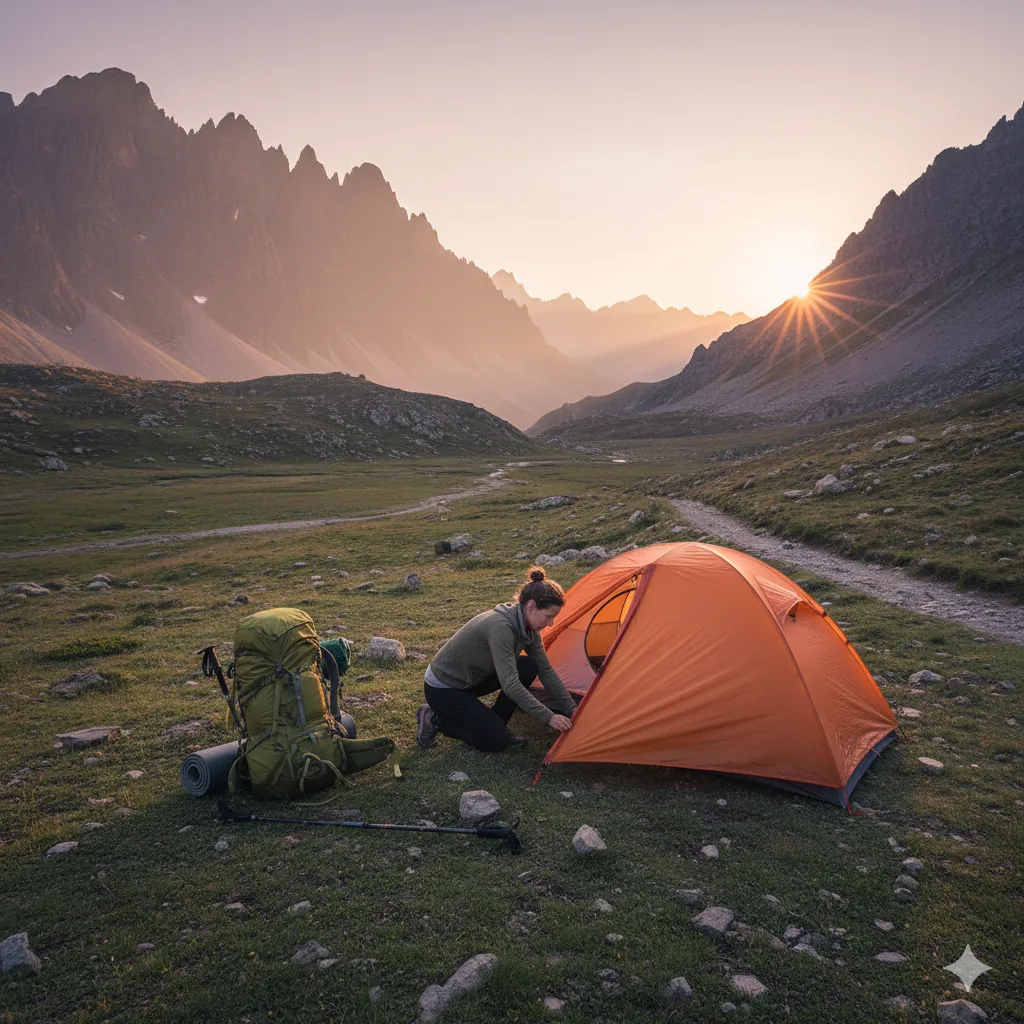
Experienced trekkers don’t improvise camp tasks they run them on autopilot through habit. Building consistent routines is one of the multi-day trekking tips that separates miserable trips from great ones. When you arrive at camp, set up your tent immediately regardless of how clear the sky looks weather changes fast in the backcountry. Change into dry camp clothes, filter enough water for dinner and the following morning, and cook and eat before dark. Store food properly (bear canister or hang) away from your tent before sleep.
Mornings work best when you wake early, eat a fast breakfast, and break camp in reverse packing order. Leave the campsite exactly as you found it or better. The goal is to start hiking within 1–2 hours of waking so you maximize daylight and arrive at the next camp with energy to spare.
Foot Care: The Tip Most Beginners Skip
Of all the multi-day trekking tips in this guide, foot care is the one most likely to make or break your trek and the one beginners most often neglect until it’s too late. A blister the size of a quarter can reduce a capable hiker to a hobbling passenger. Wear boots or trail shoes that are fully broken in before your trip never debut footwear on a multi-day route. Use moisture-wicking merino or synthetic hiking socks, and change into a dry pair at lunch if possible.
Apply anti-chafe lubricant (like Body Glide) to blister-prone areas heels, pinky toes, and the ball of your foot before you start hiking each morning. Address any hot spot the moment you feel it developing, not after it becomes a blister. At camp each evening, wash your feet, dry thoroughly between the toes, apply foot powder if needed, treat any developing blisters with proper blister bandages, and wear camp shoes or sandals to let your feet breathe. Elevate your feet during rest periods to reduce swelling. According to NHS foot health guidance, keeping feet clean and dry is the single most effective prevention against blisters and fungal infections during extended outdoor activity.
Weather Monitoring and Adapting Your Plans
Weather affects multi-day treks far more dramatically than day hikes simply because you have no option to “go home” when conditions turn. Among practical multi-day trekking tips, weather awareness ranks highly. Check the forecast before entering the backcountry, and note the time of day when afternoon thunderstorms typically build in your region in many mountain ranges, this is between 1–3 PM, making early starts critical.
On trail, read the sky continuously: rapidly building cumulus clouds, darkening horizons, and sudden wind increases are early warning signs. Take shelter during lightning storms no summit or schedule is worth the risk. Be willing to take a rest day during severe weather; a day spent in your tent is infinitely better than a dangerous crossing in storm conditions. Always carry a bailout plan and know your exit options before you need them.
Rest, Recovery, and Knowing When to Stop
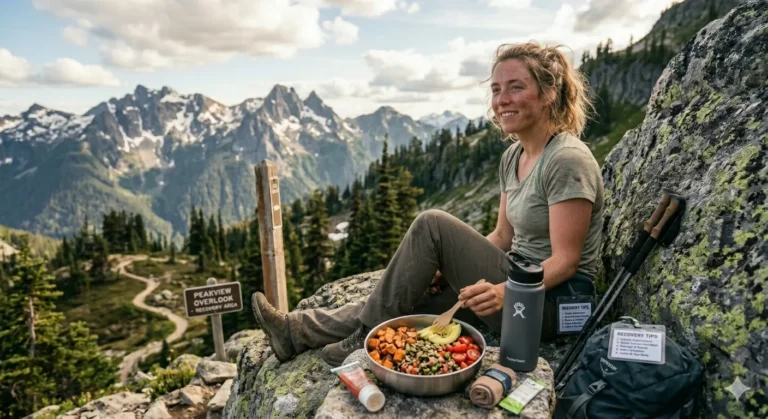
Recovery is not optional on multi-day treks it’s part of the strategy. Stretch your major muscle groups (quads, hamstrings, calves, hip flexors) at camp each evening. Eat within 30 minutes of arriving at camp to start muscle repair while your metabolism is still elevated. Aim for 8–9 hours of sleep; your body does its best repair work at night, and shortchanging sleep compounds fatigue exponentially over multiple days.
Know when to take a rest day. Signs include deep exhaustion beyond normal tiredness, persistent pain suggesting a developing injury, or genuinely dangerous weather. Taking a planned rest day at a beautiful lake or meadow isn’t weakness it’s intelligent trip management. Some of the best days on multi-day treks are the unplanned rest days. Review critical safety protocols in our comprehensive hiking safety guide before heading out.
Mental Strategies That Keep You Moving
The physical challenge of a multi-day trek is real, but the mental game is equally demanding sometimes more so. On hard days, the internal narrative in your head matters enormously. Among multi-day trekking tips that go unspoken, mental strategy is the most underrated. Break long days into micro-goals: reach the next switchback, make it to the ridge, get to the stream crossing. Focus on what’s directly in front of you rather than the total mileage remaining.
Remember why you chose this adventure. Accept discomfort as a feature of the experience, not a malfunction. Celebrate small wins daily completing a tough climb, getting your tent up in the rain, cooking a hot meal when you’re exhausted. Keep your sense of humor intact when things go sideways; they will, and your ability to laugh at the situation rather than catastrophize it determines whether the memory becomes a great story or a trauma. Connect with your hiking partners, notice the landscape, take photos, and let the beauty of where you are override the discomfort of how you feel.
Group Dynamics and Communication on Trail
Trekking with others introduces a social dimension that can be your greatest asset or your biggest headache. Before you start, agree on daily mileage goals, acceptable pace, and how decisions get made when the group disagrees. Match your group’s travel speed to the most comfortable sustainable pace not the fastest member’s preference. Share camp tasks equitably: cooking, water filtration, and site selection all go smoother when distributed.
Communication is everything. Speak up about discomfort, concerns, or proposed plan changes early not after the situation has deteriorated. Support group members who are struggling rather than judging them. Handle conflicts calmly and respectfully; everyone is tired and slightly depleted, which means emotions can run hotter than usual. The groups that communicate openly finish trips together; the ones that don’t often don’t finish at all.
Emergency Preparedness for Multi-Day Treks
One of the non-negotiable multi-day trekking tips is this: prepare for emergencies before you need to. Carry a comprehensive first aid kit with instructions you’ve actually read, an emergency shelter beyond your tent (bivy or space blanket), and a communication device ideally a satellite messenger like a Garmin inReach since cell service is unreliable or nonexistent in most trekking areas. Carry extra food beyond your planned rations for unexpected delays, fire-starting materials, and written emergency contact information.
Know when to call for help: serious injury requiring medical attention, being genuinely lost and unable to reorient, life-threatening weather, or illness preventing safe continuation. There is no shame in triggering a rescue when it’s truly necessary. The shame would be in not doing so out of pride and making a survivable situation fatal.
Post-Trek Recovery and Learning
The trek doesn’t end when you reach the trailhead. Post-trek recovery is part of the process. Rest completely for 2–3 days after returning, rehydrate aggressively, eat nutritious whole foods, treat any blisters or injuries properly, and prioritize sleep. Clean and store your gear correctly a wet tent rolled and shoved in a bag will be a mildewed tent by your next trip.
Then reflect. What gear performed well? What did you never touch? Were your food quantities accurate? What would you pack differently? Write these observations down immediately while they’re fresh. These notes are worth more than any gear review online because they’re based on your specific body, preferences, and terrain. Share what you learned with other beginners the trekking community grows stronger when experience is passed forward.
Conclusion
Putting all these multi-day trekking tips into practice doesn’t require perfection it requires preparation, patience, and a willingness to learn as you go. Start with shorter 2–3 day treks, pack efficiently and lightly, keep yourself fueled and hydrated, establish consistent camp routines, take care of your feet obsessively, and stay mentally flexible when conditions don’t cooperate. The backcountry will test you in ways a gym never will, and that’s exactly the point. With these beginner trekking tips, your first multi-day trek will be demanding, beautiful, and the beginning of a lifelong relationship with wild places.
Ready to plan your first multi-day trek? Start by understanding the fundamentals in our complete guide to what trekking involves then come back here and start packing!
Frequently Asked Questions About Multi-Day Trekking Tips
How sore will I be on a multi-day trek?
Expect noticeable muscle soreness, particularly on days 2 and 3 as your body adjusts to consecutive days of hiking with a loaded pack. This is entirely normal and typically improves by days 4–5 on longer routes as your muscles adapt. Consistent stretching at camp, proper hydration, adequate caloric intake, and sufficient sleep all help manage soreness significantly. If you experience sharp or localized pain rather than general muscle fatigue, consider taking a rest day or reducing your daily mileage sharp pain can signal a developing injury that’s better addressed early.
What if I realize the trek is too difficult midway through?
It’s completely acceptable and shows excellent judgment to modify your plans or exit early if a trek exceeds your current capabilities. If you’re simply fatigued, take an unplanned rest day and reassess. If you’re genuinely overwhelmed, injured, or in a situation beyond your skill level, use your planned bailout route to exit safely. Every experienced trekker has turned back at some point; knowing your limits is a skill, not a failure. The trail will still be there when you’re better prepared.
How do I handle bathroom needs on multi-day treks?
Follow Leave No Trace principles: dig a cat hole 6–8 inches deep at least 200 feet (approximately 70 adult steps) from any water source, trail, or campsite. Pack out used toilet paper in a sealed odor-proof bag burying paper is no longer recommended in most wilderness areas as it decomposes slowly. Female trekkers should consider a urination device (such as a Pee Funnel) for convenience and to minimize environmental impact. Most people adapt to outdoor bathroom routines within one or two days on trail.
Should I trek alone or with others on my first multi-day trip?
For your first multi-day trek, trekking with at least one experienced partner is strongly recommended. Companions provide safety in emergencies, shared knowledge for problem-solving, and crucial moral support when the trail gets hard. Solo trekking requires a more advanced skill set navigation, self-rescue capability, and complete mental self-sufficiency that typically develops after several group experiences. After completing a few group multi-day treks and building genuine trail confidence, you can thoughtfully evaluate whether solo trekking aligns with your interests and risk tolerance.



No comments yet. Be the first to share your thoughts.